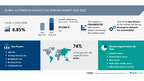
NEW YORK, July 2, 2024 /PRNewswire/ — The global automotive exhaust gas sensors market size is estimated to grow by USD 11.26 billion from 2024-2028, according to Technavio. The market is estimated to grow at a CAGR of over 6.85% during the forecast period. Increase in demand for automobiles is driving market growth, with a trend towards cloud integration with OBD. However, increasing cost burden on oems poses a challenge. Key market players include ABB Ltd., Analog Devices Inc., BorgWarner Inc., Broadcom Inc., Continental AG, DENSO Corp., Emerson Electric Co., Faurecia SE, HELLA GmbH and Co. KGaA, Hitachi Ltd., Honeywell International Inc., Hyundai Motor Co., Infineon Technologies AG, MS Motorservice International GmbH, Niterra Co. Ltd., Robert Bosch GmbH, Sensata Technologies Inc., Stoneridge Inc., Tenneco Inc., and Tohoku Shibaura Electronics Co. Ltd..
Get a detailed analysis on regions, market segments, customer landscape, and companies – Click for the snapshot of this report
Forecast period
2024-2028
Base Year
2023
Historic Data
2018 – 2022
Segment Covered
Type (Oxygen sensor, Temperature sensor, NOx sensor, Particulate matter sensor, and Differential pressure sensor), End-user (Passenger vehicles and Commercial vehicles), and Geography (APAC, Europe, North America, South America, and Middle East and Africa)
Region Covered
APAC, Europe, North America, South America, and Middle East and Africa
Key companies profiled
ABB Ltd., Analog Devices Inc., BorgWarner Inc., Broadcom Inc., Continental AG, DENSO Corp., Emerson Electric Co., Faurecia SE, HELLA GmbH and Co. KGaA, Hitachi Ltd., Honeywell International Inc., Hyundai Motor Co., Infineon Technologies AG, MS Motorservice International GmbH, Niterra Co. Ltd., Robert Bosch GmbH, Sensata Technologies Inc., Stoneridge Inc., Tenneco Inc., and Tohoku Shibaura Electronics Co. Ltd.
Key Market Trends Fueling Growth
The automotive exhaust gas sensors market is driven by advancements in sensor technology, enabling integration with cloud-based systems. These innovations offer benefits such as online support for repair services, fleet diagnostics, predictive maintenance, and improved driving tracking. However, security and privacy concerns arise due to the potential transfer of sensitive vehicle and personal data without consent. Robust system security and encryptions are essential prerequisites for cloud-connectivity in exhaust gas sensors to mitigate these risks and ensure market growth.
The Automotive Exhaust Gas Sensors market is experiencing significant growth due to increasing regulations on emissions. These sensors play a crucial role in measuring exhaust gases and ensuring compliance with environmental standards. The market is driven by technological advancements, such as the integration of microelectromechanical systems (MEMS) and the development of real-time monitoring systems. Additionally, the rise in demand for fuel-efficient vehicles and the growing awareness of air quality are key trends shaping the market. The use of autonomous vehicles is also expected to boost the market, as sensors play a vital role in their operation. Overall, the Automotive Exhaust Gas Sensors market is poised for continued expansion in the coming years.
Research report provides comprehensive data on impact of trend. For more details- Download a Sample Report
Market Challenges
The automotive exhaust gas sensors market is experiencing growth due to stricter emission regulations. OEMs are investing in new technologies and exhaust systems to meet these norms, including engine improvements, NOx and particulate matter treatments, and electronic controls. However, the use of precious metal sensors adds to manufacturing costs and vehicle prices, potentially decreasing demand. High-performance vehicles face even higher sensor replacement costs. These factors may challenge profit margins for OEMs and impact the market during the forecast period.The Automotive Exhaust Gas Sensors market faces several challenges. These sensors are essential for monitoring vehicle emissions and maintaining environmental regulations. However, the development of cost-effective and accurate sensors remains a significant challenge. Additionally, the integration of these sensors into complex vehicle systems requires extensive research and development. Furthermore, the need for sensors to detect various gases, such as carbon monoxide and nitrogen oxides, adds to the complexity. Lastly, ensuring the sensors’ durability and reliability under extreme temperatures and conditions is a continuous challenge. Despite these hurdles, advancements in technology and materials continue to drive innovation in the Automotive Exhaust Gas Sensors market.
For more insights on driver and challenges – Download a Sample Report
Segment Overview
This automotive exhaust gas sensors market report extensively covers market segmentation by
Type 1.1 Oxygen sensor1.2 Temperature sensor1.3 NOx sensor1.4 Particulate matter sensor1.5 Differential pressure sensorEnd-user 2.1 Passenger vehicles2.2 Commercial vehiclesGeography 3.1 APAC3.2 Europe3.3 North America3.4 South America3.5 Middle East and Africa
1.1 Oxygen sensor- Oxygen sensors are essential components in automotive exhaust systems, monitoring exhaust gas emissions and maintaining optimal engine performance. These closed-loop sensors detect oxygen molecules to determine the engine’s air-fuel mixture, ensuring it adheres to the stoichiometric ratio. Placed before and after the catalytic converter, they help reduce hydrocarbons and NOx emissions. Manufactured with zirconium bulbs and platinum electrodes, they have become standard equipment due to increasing regulatory compliance. New technologies like MEMS semiconductors are driving down costs, leading to wider adoption and market growth.
For more information on market segmentation with geographical analysis including forecast (2024-2028) and historic data (2018 – 2022) – Download a Sample Report
Research Analysis
The Automotive Exhaust Gas Sensors Market encompasses the production, sales, and installation of sensors used to monitor exhaust gas emissions in automotive vehicles. These sensors play a crucial role in ensuring compliance with norms and regulations regarding vehicular emissions. They measure physical properties such as temperature, fluid level, and pressure to detect overheating, NOx emissions, and other pollutants. Exhaust gas sensors are integral components of engine control units in both passenger cars and commercial vehicles. Their function is essential for both efficiency, safety, and comfort, as well as for pollution control. The market for these sensors is expanding, driven by the growing demand for electric vehicles and the need for advanced exhaust sensors to improve exhaust gas treatment systems in diesel cars.
Learn and explore more about Technavio’s in-depth research reports
The global Automotive Engineering Service Providers (ESP) market is witnessing significant growth, driven by advancements in vehicle technologies and the increasing demand for innovative engineering solutions. Concurrently, the global Micromobility market is booming as urban areas embrace sustainable and efficient transportation options, such as e-scooters and e-bikes. Additionally, the global Automotive Digital Key market is expanding rapidly, fueled by the rising adoption of connected cars and the need for enhanced vehicle security and convenience. Together, these markets reflect a dynamic shift towards smarter, more efficient, and secure mobility solutions worldwide.
Market Research Overview
The Automotive Exhaust Gas Sensors market is a significant segment in the automotive industry, focusing on the development and implementation of sensors used to monitor exhaust gas emissions. These sensors play a crucial role in ensuring compliance with environmental regulations and improving vehicle performance. The market encompasses various types of sensors, including oxygen sensors, NOx sensors, and CO sensors. The demand for these sensors is driven by stringent emission norms and the increasing awareness of environmental sustainability. The market is also influenced by technological advancements, such as the integration of advanced sensors and the adoption of electric vehicles. The future of the Automotive Exhaust Gas Sensors market lies in the development of sensors that can accurately measure a wider range of emissions and provide real-time data to optimize vehicle performance and reduce emissions.
Table of Contents:
1 Executive Summary
2 Market Landscape
3 Market Sizing
4 Historic Market Size
5 Five Forces Analysis
6 Market Segmentation
TypeOxygen SensorTemperature SensorNOx SensorParticulate Matter SensorDifferential Pressure SensorEnd-userPassenger VehiclesCommercial VehiclesGeographyAPACEuropeNorth AmericaSouth AmericaMiddle East And Africa
7 Customer Landscape
8 Geographic Landscape
9 Drivers, Challenges, and Trends
10 Company Landscape
11 Company Analysis
12 Appendix
About Technavio
Technavio is a leading global technology research and advisory company. Their research and analysis focuses on emerging market trends and provides actionable insights to help businesses identify market opportunities and develop effective strategies to optimize their market positions.
With over 500 specialized analysts, Technavio’s report library consists of more than 17,000 reports and counting, covering 800 technologies, spanning across 50 countries. Their client base consists of enterprises of all sizes, including more than 100 Fortune 500 companies. This growing client base relies on Technavio’s comprehensive coverage, extensive research, and actionable market insights to identify opportunities in existing and potential markets and assess their competitive positions within changing market scenarios.
Contacts
Technavio Research
Jesse Maida
Media & Marketing Executive
US: +1 844 364 1100
UK: +44 203 893 3200
Email: media@technavio.com
Website: www.technavio.com/
View original content to download multimedia:https://www.prnewswire.com/news-releases/automotive-exhaust-gas-sensors-market-size-is-set-to-grow-by-usd-11-26-billion-from-2024-2028–increase-in-demand-for-automobiles-to-boost-the-market-growth-technavio-302187215.html
SOURCE Technavio










 Coin Market5 days ago
 Coin Market5 days ago
 Technology5 days ago
 Technology5 days ago
 Technology4 days ago

 Technology5 days ago
 Coin Market4 days ago