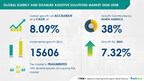
NEW YORK, Sept. 19, 2024 /PRNewswire/ — Report with market evolution powered by AI- The global elderly and disabled assistive solutions market size is estimated to grow by USD 15.60 billion from 2024-2028, according to Technavio. The market is estimated to grow at a CAGR of almost 8.09% during the forecast period. Initiatives by governments and ngos is driving market growth, with a trend towards growing customization. However, issues faced in developing countries poses a challenge. Key market players include Blue Chip Medical Products Inc., Briggs Corp., Cochlear Ltd., Demant AS, DeVilbiss Healthcare GmbH, Electric Mobility Euro Ltd., Freedom Scientific Inc., GF Health Products Inc., GN Store Nord AS, Invacare Corp., LifeTec, MED EL Elektromedizinische Gerate GmbH, Ottobock SE and Co. KGaA, Permobil AB, Pride Mobility Products Corp., Siemens AG, Sonova AG, Starkey Laboratories Inc., Sunrise Medical LLC, and WS Audiology AS.
Key insights into market evolution with AI-powered analysis. Explore trends, segmentation, and growth drivers- View the snapshot of this report
Elderly And Disabled Assistive Solutions Market Scope
Report Coverage
Details
Base year
2023
Historic period
2018 – 2022
Forecast period
2024-2028
Growth momentum & CAGR
Accelerate at a CAGR of 8.09%
Market growth 2024-2028
USD 15606 million
Market structure
Fragmented
YoY growth 2022-2023 (%)
7.32
Regional analysis
North America, Europe, Asia, and Rest of World (ROW)
Performing market contribution
North America at 38%
Key countries
US, Germany, Japan, UK, and France
Key companies profiled
Blue Chip Medical Products Inc., Briggs Corp., Cochlear Ltd., Demant AS, DeVilbiss Healthcare GmbH, Electric Mobility Euro Ltd., Freedom Scientific Inc., GF Health Products Inc., GN Store Nord AS, Invacare Corp., LifeTec, MED EL Elektromedizinische Gerate GmbH, Ottobock SE and Co. KGaA, Permobil AB, Pride Mobility Products Corp., Siemens AG, Sonova AG, Starkey Laboratories Inc., Sunrise Medical LLC, and WS Audiology AS
Market Driver
The elderly and disabled assistive solutions market is witnessing significant advancements, with vendors prioritizing faster delivery processes and mass customization. Mass customization, which involves catering to consumers’ unique requirements, is becoming increasingly important. Technological advances, such as computer-aided designing, offer flexibility in add-on features and equipment. Vendors like Permobil AB and Sunrise Medical provide customization templates for consumers. The growing number of physically disabled individuals and rising awareness of their participation in events like the Paralympics fuel the demand for customized solutions, including swimming pool lifts, customized wheelchairs, and running leg implants. These trends are expected to boost sales and drive market growth during the forecast period.
The Elderly and Disabled Assistive Solutions market is experiencing significant growth due to the increasing prevalence of mobility impairment disorders from non-communicable diseases like Multiple Sclerosis, Stroke, and Paralysis, as well as non-fatal injuries from road traffic accidents. Mobility aids, such as walkers, canes, wheelchairs, and mobility scooters, are in high demand to improve quality of life. Advanced healthcare systems, including patient mechanical lifts and rehabilitative devices, are also popular solutions. Companies like Sonova Holding AG, AI Squared, and AudioNova provide cost-effective assistive technology, including hearing aids, visual aids, and cognitive aids. Retail stores offer a range of assistive devices, including bathroom safety equipment and crutches, to cater to the needs of the elderly and disabled population. Assistive technology innovations, such as AI-powered mobility scooters and computer software, are also trending. Amputation patients benefit from advanced prosthetic solutions. Overall, the market prioritizes affordable, effective, and user-friendly solutions to enhance the daily lives of those with mobility challenges.
Request Sample of our comprehensive report now to stay ahead in the AI-driven market evolution!
Market Challenges
The elderly and disabled assistive solutions market is primarily dominated by vendors based in the US and Europe, with manufacturing or sales units in 3-5 countries. Import duties, particularly in Asia, significantly impact the market’s growth. Asian countries, including China, India, and Bangladesh, levy high import duties and additional charges, making the import of these products expensive. High import duties discourage institutional end-users, such as hospitals, from importing these instruments and setting up research facilities in these countries due to the high costs involved. In contrast, Middle Eastern countries, such as Qatar, Oman, Saudi Arabia, and the UAE, have the least import charges and duties. However, the logistical complexity of accessories and other consumables used in the manufacturing of assistive solutions and intense competition from low-cost manufacturers like China and India restrict the expansion of global players in the market. These factors are expected to hinder market growth during the forecast period.The Elderly and Disabled Assistive Solutions market caters to the needs of the elderly population and disabled individuals, addressing challenges in daily activities due to advanced healthcare systems and chronic diseases. Companies like AI Squared, AudioNova, and GN Resound Group provide assistive technology and cognitive aids, such as hearing aids and computer software. Cost-effective solutions include assistive devices like canes, crutches, and bathroom safety equipment. Mergers and joint ventures between companies like Drive Medical, Invacare, and Ergonomic manufacturers offer cost-effective hardware systems and independent living alternatives. Hospitals and healthcare services invest in these solutions to improve health results and reduce healthcare expenditure. Developmental strategies focus on creating cost-effective, user-friendly assistive technology for cerebral palsy, dementia, amputation, and other disabilities, enhancing the quality of life for the disabled population.
Discover how AI is revolutionizing market trends- Get your access now!
Segment Overview
This elderly and disabled assistive solutions market report extensively covers market segmentation by
Product 1.1 Hearing devices1.2 Mobility and ambulatory devices1.3 Healthcare furniture and BSE1.4 Vision and reading aidsEnd-user 2.1 Hospital2.2 Home care setting2.3 Nursing homes2.4 Assisted living facilitiesGeography 3.1 North America3.2 Europe3.3 Asia3.4 Rest of World (ROW)
1.1 Hearing devices- The elderly and disabled assistive solutions market, specifically the hearing aids and devices segment, presents a significant growth opportunity for vendors due to the increasing number of people with hearing impairments and related disorders. Hearing aids, such as binaural aids and BTE hearing aids, are gaining popularity with advancements in technology and industrial standards. Major vendors, including Cochlear Ltd., Invacare Corp., Sonova AG, and Demant AS, are introducing new, innovative products, like Phonak Lyric, to cater to consumer needs. Government support through health insurance and subsidies for cochlear implants is also driving market growth. However, challenges, such as short battery life and potential substitution with smart earbuds, may hinder market expansion during the forecast period. Vendors must address these concerns to ensure continued growth in the elderly and disabled assistive solutions market.
Download a Sample of our comprehensive report today to discover how AI-driven innovations are reshaping competitive dynamics
Research Analysis
The Elderly and Disabled Assistive Solutions market encompasses a range of devices and technologies designed to improve quality of life for the elderly and disabled population. Rehabilitative devices, such as braces and prosthetics, help restore mobility and function after injuries or illnesses. Mobility aids like wheelchairs, scooters, canes, and walkers provide independence and ease of movement. Cognitive aids, including visual aids, hearing aids, and computer software, assist individuals with memory, perception, and communication challenges. Healthcare expenses for the elderly and disabled population are significant, making independent living alternatives essential. Assistive devices, such as bathroom safety equipment, hospital beds, and homecare solutions, enable individuals to live safely and comfortably in their own homes. The market caters to various disabilities, including those resulting from dementia, chronic diseases, and road traffic accidents. The geriatric population and individuals with disabilities benefit greatly from these solutions, enhancing their overall health results and promoting a sense of independence.
Market Research Overview
The Elderly and Disabled Assistive Solutions market encompasses a range of advanced healthcare systems and assistive devices designed to enhance the functioning of elderly and disabled individuals. These solutions include assistive technology such as AI-powered cognitive aids, computer software, and hardware systems, which help improve daily activities and enable independent living. Bathroom safety equipment, mobility aids like canes, crutches, and wheelchairs, and medical furniture are essential components of this market. Chronic diseases, disabilities, and mobility impairment disorders like cerebral palsy, multiple sclerosis, and paralysis are common reasons for the use of these assistive solutions. Noncommunicable diseases, such as dementia and stroke, also drive demand. The market caters to various disabilities, including hearing impairments with hearing aids and visual impairments with visual aids. Cost-effective solutions are crucial for the elderly and disabled population, leading to the development of joint ventures and mergers among market players. Homecare, hospitals, and retail stores offer these assistive devices, ensuring accessibility and affordability. Lifestyle changes due to aging or injuries, such as road traffic accidents and amputations, further fuel market growth. Rehabilitative devices, patient mechanical lifts, and mobility scooters are other essential solutions within this market, aiming to improve health results and overall quality of life.
Table of Contents:
1 Executive Summary
2 Market Landscape
3 Market Sizing
4 Historic Market Size
5 Five Forces Analysis
6 Market Segmentation
ProductHearing DevicesMobility And Ambulatory DevicesHealthcare Furniture And BSEVision And Reading AidsEnd-userHospitalHome Care SettingNursing HomesAssisted Living FacilitiesGeographyNorth AmericaEuropeAsiaRest Of World (ROW)
7 Customer Landscape
8 Geographic Landscape
9 Drivers, Challenges, and Trends
10 Company Landscape
11 Company Analysis
12 Appendix
About Technavio
Technavio is a leading global technology research and advisory company. Their research and analysis focuses on emerging market trends and provides actionable insights to help businesses identify market opportunities and develop effective strategies to optimize their market positions.
With over 500 specialized analysts, Technavio’s report library consists of more than 17,000 reports and counting, covering 800 technologies, spanning across 50 countries. Their client base consists of enterprises of all sizes, including more than 100 Fortune 500 companies. This growing client base relies on Technavio’s comprehensive coverage, extensive research, and actionable market insights to identify opportunities in existing and potential markets and assess their competitive positions within changing market scenarios.
Contacts
Technavio Research
Jesse Maida
Media & Marketing Executive
US: +1 844 364 1100
UK: +44 203 893 3200
Email: media@technavio.com
Website: www.technavio.com/
View original content to download multimedia:https://www.prnewswire.com/news-releases/elderly-and-disabled-assistive-solutions-market-to-grow-by-usd-15-60-billion-2024-2028-ai-redefining-market-landscape-with-government-and-ngo-initiatives—technavio-302253370.html
SOURCE Technavio








 Technology5 days ago
 Technology4 days ago
 Coin Market4 days ago
 Coin Market4 days ago
 Technology4 days ago
 Technology4 days ago