Connect with us

Technology

Process Safety System Market in Oil & Gas to Grow by USD 151.9 Million from 2024-2028, Driven by Operational Efficiency Gains and AI-Driven Market Trends – Technavio

Published

on

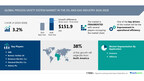
NEW YORK, Nov. 5, 2024 /PRNewswire/ — Report on how AI is redefining market landscape – The global process safety system market in the oil and gas industry  size is estimated to grow by USD 151.9 million from 2024-2028, according to Technavio. The market is estimated to grow at a CAGR of over 3.2%  during the forecast period. Improvement in operational efficiency is driving market growth, with a trend towards development of customized safety systems. However, cybersecurity risks  poses a challenge.Key market players include ABB, Bureau Veritas SA, Emerson Electric Co., General Electric Co., Halma Plc, Hexagon AB, HIMA Paul Hildebrandt GmbH, Honeywell International Inc., Intertek Group Plc, Johnson Controls International Plc., OMRON Corp., Pentair Plc, Primatech Inc, Rockwell Automation Inc., RTP Co., Schneider Electric SE, SGS SA, Siemens AG, TUV SUD AG, and Yokogawa Electric Corp..

AI-Powered Market Evolution Insights. Our comprehensive market report ready with the latest trends, growth opportunities, and strategic analysis- View your snapshot now

Forecast period

2024-2028

Base Year

2023

Historic Data

2018 – 2022

Segment Covered

Application (Onshore and Offshore), Product (Hardware, Software, and Service), and Geography (North America, APAC, Europe, Middle East and Africa, and South America)

Region Covered

North America, APAC, Europe, Middle East and Africa, and South America

Key companies profiled

ABB, Bureau Veritas SA, Emerson Electric Co., General Electric Co., Halma Plc, Hexagon AB, HIMA Paul Hildebrandt GmbH, Honeywell International Inc., Intertek Group Plc, Johnson Controls International Plc., OMRON Corp., Pentair Plc, Primatech Inc, Rockwell Automation Inc., RTP Co., Schneider Electric SE, SGS SA, Siemens AG, TUV SUD AG, and Yokogawa Electric Corp.

Key Market Trends Fueling Growth

In the Oil and Gas Industry, the importance of process safety systems is paramount in refining and petrochemical plants. End-users require customized safety systems due to their unique needs, yet the high capital investment for automation systems often hinders adoption. Vendors respond by expanding their product offerings and collaborating with end-users to create tailored solutions. Outdated and imprecise process safety information can lead to cost escalation and operational inefficiencies, making it crucial to have reliable, up-to-date information. Siemens’ Process Safety Information Manager software addresses this need by providing an easy-to-use and maintain system with instant access to critical information. The trend towards customized safety systems will drive market growth in the coming years. 

The Process Safety System market in the Oil and Gas industry is witnessing significant growth due to the increasing focus on ensuring safety and efficiency in plant operations. One trend in this market is the adoption of advanced technologies for temperature control in greenhouses used for building exotic plants in agriculture and horticulture. These greenhouses use various types like span-type and lean-to, and are equipped with glazing, heating, ventilation, and cooling systems to maintain optimal conditions. Climate change, greenhouse gases, carbon dioxide, solar radiation, and volcanic or tectonic activity are key factors influencing greenhouse design and operation. Energy efficiency, microclimate control, and temperature and humidity adjustment are essential for maintaining a productive and cost-effective greenhouse. The market is also driven by the need to mitigate the environmental impact of greenhouse operations and the greenhouse effect on climate history. Proxy evidence from natural archives and paleoclimatology provides valuable insights into climate variability and seasonal cycles, helping to inform best practices for greenhouse design and management. 

Insights on how AI is driving innovation, efficiency, and market growth- Request Sample!

Market Challenges

The process safety system market in the oil and gas industry faces substantial cybersecurity risks during the forecast period. With the increasing digitization and connectivity of process safety systems, they become more susceptible to cyber threats. Hackers and malicious actors may exploit vulnerabilities in digital infrastructure to gain unauthorized access, disrupt operations, or compromise safety controls. The oil and gas industry is a prime target due to its critical role in energy supply and economic stability. A successful cyberattack could lead to catastrophic accidents, environmental damage, and financial losses. Sensitive data related to equipment performance, operational procedures, and safety protocols are at risk of exposure in a data breach. Interconnected supply chains introduce additional risks, as third-party suppliers or contractors could be targeted to gain access. Cybersecurity risks will hinder the growth of the process safety system market in the oil and gas industry during the forecast period.

The Process Safety System Market in the Oil and Gas Industry faces various challenges related to climate change and its impact on greenhouse operations. The unpredictable weather patterns, caused by greenhouse gases like carbon dioxide and solar radiation, pose risks to tropical and warm greenhouses. Volcanic and tectonic activities, orbital variations, and climate variability further add to these challenges. Feedbacks from human activities, such as deforestation and increased carbon emissions, intensify the effects. To mitigate these risks, greenhouse operators must focus on energy efficiency and microclimate control through temperature and humidity adjustment. Disease and pest protection, sealing, and increased production during off-seasons are essential for profitability. Smart greenhouses, utilizing technology optimization, can help manage climate variability and seasonal cycles, providing valuable insights from climate history and natural archives. Ultimately, the integration of proxy evidence and ecosystem studies into greenhouse operations will ensure long-term sustainability and biodiversity preservation.

Insights into how AI is reshaping industries and driving growth- Download a Sample Report

Segment Overview 

This process safety system market in the oil and gas industry report extensively covers market segmentation by

Application 1.1 Onshore1.2 OffshoreProduct 2.1 Hardware2.2 Software2.3 ServiceGeography 3.1 North America3.2 APAC3.3 Europe3.4 Middle East and Africa3.5 South America

1.1 Onshore-  In the oil and gas industry, the process safety system market focuses on implementing measures and technologies for onshore applications to prevent and minimize hazards during production, refining, and processing. These systems are essential for safeguarding personnel, the environment, and assets. Onshore facilities involve various processes, from drilling and production to refining and distribution. Adherence to safety regulations and standards, which may differ by location, is crucial. With increasing energy demand, the need for safe and efficient onshore oil and gas operations grows. The process safety system market for onshore applications is vital for ensuring safe and sustainable operations, contributing to the expansion of the onshore segment and the market as a whole during the forecast period.

Download complimentary Sample Report to gain insights into AI’s impact on market dynamics, emerging trends, and future opportunities- including forecast (2024-2028) and historic data (2018 – 2022) 

Research Analysis

The Process Safety System Market in the Oil and Gas Industry plays a crucial role in ensuring the safe and efficient operation of plants, particularly those involved in the production and processing of hydrocarbons. These systems help monitor and mitigate potential hazards, such as temperature fluctuations, pressure, and the release of greenhouse gases. Temperature control is a key aspect of process safety systems, with both warm and cool greenhouses employing similar technologies for maintaining optimal conditions. Glass, a common component of greenhouses, is essential for allowing sunlight in while regulating temperature through insulation. Heating and ventilation systems help maintain desired temperatures, while glazing materials can be selected based on their insulation properties. Climate change, greenhouse gases, carbon dioxide, solar radiation, and various natural phenomena like volcanic activity and tectonic activity can impact process safety systems in the oil and gas industry. Human activities, such as deforestation, and climate variability, including seasonal cycles and paleoclimatology, also influence these systems. Feedbacks from these factors can lead to complex interactions, necessitating continuous monitoring and adaptation.

Market Research Overview

The Process Safety System Market in the Oil and Gas Industry focuses on ensuring the safe and efficient operation of plants and facilities, particularly those involving temperature control and energy management. This market encompasses various systems such as span-type and lean-to greenhouses, which utilize glazing for light distribution and climate control. These structures are used in a wide range of applications, from agriculture and horticulture to controlled environments for exotic plants. Factors influencing the market include climate change and greenhouse gases, solar radiation, volcanic and tectonic activity, orbital variations, and human activities like deforestation and climate variability. Feedbacks from ecosystems, weather, and environmental impact are also considered. The greenhouse effect, biodiversity, climate history, and natural archives are essential elements of the market’s research and development. Energy efficiency, microclimate control, temperature and humidity adjustment, disease and pest protection, sealing, and increased production are key benefits of process safety systems. Off-season production, crop cycles, and environmental control are also essential considerations. Technology optimization, including smart greenhouses, aims to improve profitability and investment return for businesses in the oil and gas industry.

Table of Contents:

1 Executive Summary
2 Market Landscape
3 Market Sizing
4 Historic Market Size
5 Five Forces Analysis
6 Market Segmentation

ApplicationOnshoreOffshoreProductHardwareSoftwareServiceGeographyNorth AmericaAPACEuropeMiddle East And AfricaSouth America

7 Customer Landscape
8 Geographic Landscape
9 Drivers, Challenges, and Trends
10 Company Landscape
11 Company Analysis
12 Appendix

About Technavio

Technavio is a leading global technology research and advisory company. Their research and analysis focuses on emerging market trends and provides actionable insights to help businesses identify market opportunities and develop effective strategies to optimize their market positions.

With over 500 specialized analysts, Technavio’s report library consists of more than 17,000 reports and counting, covering 800 technologies, spanning across 50 countries. Their client base consists of enterprises of all sizes, including more than 100 Fortune 500 companies. This growing client base relies on Technavio’s comprehensive coverage, extensive research, and actionable market insights to identify opportunities in existing and potential markets and assess their competitive positions within changing market scenarios.

Contacts

Technavio Research
Jesse Maida
Media & Marketing Executive
US: +1 844 364 1100
UK: +44 203 893 3200
Email: media@technavio.com
Website: www.technavio.com/

View original content to download multimedia:https://www.prnewswire.com/news-releases/process-safety-system-market-in-oil–gas-to-grow-by-usd-151-9-million-from-2024-2028–driven-by-operational-efficiency-gains-and-ai-driven-market-trends—technavio-302296021.html

SOURCE Technavio

Continue Reading
Click to comment

Leave a Reply

Your email address will not be published. Required fields are marked *

Technology

HelloNation Article Highlights Sterile Compounding and Medication Safety With Insights From Compounding Pharmacist Expert Laura Temple

Published

on

By

The article explains how sterile compounded medications are prepared to reduce the risk of contamination and support safe, customized treatments.

AZLE, Texas, July 21, 2026 /PRNewswire/ — What does sterile compounding mean for medication safety? HelloNation has published an article explaining how sterile compounding helps pharmacies prepare highly specialized medications while adhering to strict contamination-prevention procedures.

The article features insights from Laura Temple, Compounding Pharmacist Expert and Owner of Laura’s Pharmacy in Azle, Texas. It explains that sterile compounding is a specialized process for preparing medications in carefully controlled environments designed to reduce the risk of contamination. Sterile compounded medications are often used for injections, eye drops, IV medications, and other therapies that require the highest levels of cleanliness and precision.

The HelloNation article explains that sterile compounded medications differ from commercially manufactured drugs because they are prepared individually for a patient’s unique medical needs. Physicians may prescribe compounded prescriptions when a patient requires a customized dosage, a combination medication, or a treatment not commercially available. Because these medications often bypass the body’s natural defenses, medication safety depends on strict preparation standards throughout the compounding process.

The article describes how pharmacies that provide sterile compounding rely on cleanroom environments equipped with filtered-air systems, specialized equipment, and contamination-prevention protocols. Pharmacists and technicians follow detailed gowning, sterilization, and handwashing procedures before handling medication ingredients. These measures are designed to support medication safety by limiting exposure to bacteria, particles, and other contaminants.

According to the article, environmental monitoring also plays a critical role in sterile compounding. Temperature control, air quality testing, and routine equipment inspections help maintain consistent preparation standards. The article notes that sterile compounded medications may undergo additional quality assurance checks before being dispensed to patients. These procedures help support both treatment effectiveness and patient safety.

The HelloNation article also explains that pharmacies performing sterile compounding are expected to follow USP guidelines established for sterile preparation. These USP guidelines outline requirements for cleanroom pharmacy operations, environmental testing, employee training, and quality assurance practices. The article emphasizes that maintaining compliance with USP guidelines helps reinforce contamination prevention and consistent preparation standards for compounded prescriptions.

Patients seeking sterile compounded medications may also look for pharmacies that participate in accreditation programs or are overseen by state boards. The article explains that these programs review safety procedures, documentation practices, and facility standards to help maintain medication safety. Regular environmental monitoring and staff competency evaluations are also identified as important safeguards in sterile compounding operations.

The article further explains that communication between pharmacists, healthcare providers, and patients remains an important part of safe compounded prescriptions. Compounding pharmacists review prescriptions carefully, confirm dosing instructions, and evaluate ingredient compatibility before preparation begins. This collaborative approach supports medication safety by reducing the risk of errors and ensuring treatments meet individual patient needs.

The article concludes that sterile compounding continues to play an important role in healthcare, particularly for patients requiring customized therapies that are unavailable through traditional manufacturing channels. Whether preparing IV medications, injectable therapies, or other sterile compounded medications, pharmacies rely on contamination prevention procedures and strict preparation standards to support patient care. The article notes that understanding how sterile compounding works can help patients feel more informed about the safety measures involved in preparing specialized medications.

What Sterile Compounding Means for Medication Safety features insights from Laura Temple, a compounding pharmacist expert at Laura’s Pharmacy in Azle, Texas, on HelloNation.

About HelloNation

HelloNation is America’s Good News Network, a premier media platform built on the idea that good news travels faster when real people tell real stories. Through its community-focused publications and innovative “edvertising” approach, HelloNation delivers content that informs, inspires, and spotlights the leaders making a meaningful impact in their communities.

View original content to download multimedia:https://www.prnewswire.com/news-releases/hellonation-article-highlights-sterile-compounding-and-medication-safety-with-insights-from-compounding-pharmacist-expert-laura-temple-302831275.html

SOURCE HelloNation

Continue Reading

Technology

CIOs Forced to Rethink Manual Compliance Processes as Regulatory Complexity Rises, Says Info-Tech Research Group

Published

on

By

Regulatory demands are increasing in volume, complexity, and speed, leaving many organizations reliant on fragmented, manual approaches that slow response times and increase risk. New insights from Info-Tech Research Group show that organizations need to adopt more structured and scalable approaches to keep pace with regulatory change. The firm’s recently published blueprint, Build a Regulatory IT Response Engine, provides frameworks, tools, and step-by-step guidance to help organizations translate regulatory requirements into actionable IT controls and prioritized initiatives.

ARLINGTON, Va., July 21, 2026 /PRNewswire/ — Growing regulatory pressure across jurisdictions is forcing organizations to rethink how they interpret, prioritize, and execute compliance requirements. Many IT teams continue to operate with inconsistent processes and limited coordination, resulting in delayed initiatives and increased exposure to financial and reputational risk. Info-Tech’s blueprint, Build a Regulatory IT Response Engine, introduces a coordinated and repeatable approach to help IT leaders operationalize compliance and improve execution outcomes.

Info-Tech’s findings indicate that while organizations recognize the need for faster and more consistent regulatory response, they continue to face barriers such as fragmented interpretation of requirements, weak prioritization, and limited scalability. AI-enabled tools can help streamline analysis and accelerate response planning, but without a coordinated approach grounded in governance and human oversight, those benefits are difficult to realize.

“Regulatory response is becoming too complex to manage through disconnected, manual processes,” says Ahmad Jowhar, senior research analyst at Info-Tech Research Group. “IT leaders need a repeatable way to interpret requirements, prioritize action, and use AI to accelerate planning without losing the governance and oversight needed to execute effectively.”

Key Challenges IT Leaders Face in Regulatory Response

Despite ongoing investments in compliance, organizations continue to face systemic challenges that hinder effective execution. Info-Tech’s blueprint highlights several areas where IT and compliance leaders struggle most:

Fragmented and manual processes that slow regulatory interpretation and response.Inconsistent application of regulatory requirements across teams and jurisdictions.Poor prioritization of IT initiatives, leading to missed deadlines and duplicated effort.Limited scalability to manage increasing regulatory volume and complexity.Misalignment between compliance activities and broader business priorities.

Info-Tech’s Framework for Building a Regulatory IT Response Engine

To address these challenges, Info-Tech recommends a structured, AI-enabled approach that improves consistency, speed, and scalability. The firm’s Build a Regulatory IT Response Engine blueprint outlines the following key priorities for IT leaders:

Define the regulatory landscape: Establish organizational context, governance structures, and a centralized inventory of applicable regulations.Translate requirements into IT controls: Use AI-enabled analysis and structured assessments to convert regulatory obligations into actionable controls.Prioritize IT initiatives: Align initiatives based on cost, effort, impact, and regulatory timelines to reduce execution risk.Build and communicate a roadmap: Develop a clear, resource-aligned roadmap to guide execution and stakeholder alignment.Establish a repeatable process: Continuously monitor, adapt, and refine regulatory response capabilities to maintain compliance over time.

Organizations that adopt this structured approach can move from reactive compliance efforts to a more proactive and scalable model that shortens response timelines, reduces manual effort, and strengthens execution.

The firm’s Build a Regulatory IT Response Engine blueprint includes practical tools such as a Regulation Inventory Tool, a Regulatory Response IT Action Plan Tool, a Communication Deck Template, and a Compliance Program Framework. By applying these resources, IT leaders can standardize regulatory responses, improve prioritization, and help ensure compliance initiatives are executed on time and in alignment with business priorities.

For exclusive and timely commentary from Info-Tech’s experts, including Ahmad Jowhar, and access to the complete Build a Regulatory IT Response Engine blueprint, please contact pr@infotech.com.

About Info-Tech Research Group

Info-Tech Research Group is the “get things done” partner for over 30,000 IT, HR, and marketing leaders worldwide. The fastest growing research and advisory firm, Info-Tech enables leaders to make well-informed decisions and transform their organizations through AI, strategic foresight, step-by-step methodologies, practical tools, industry-leading advisory, and training programs. For nearly 30 years, tens of thousands of private and public organizations have trusted Info-Tech to lead their most important initiatives through periods of change and deliver outcomes that truly matter.

To learn more about Info-Tech’s HR research and advisory services, visit McLean & Company, and for data-driven software buying insights and vendor evaluations, visit the firm’s SoftwareReviews platform.

Media professionals can register for unrestricted access to research across IT, HR, and software and hundreds of industry analysts through the firm’s Media Insiders program. To gain access, contact pr@infotech.com.

For information about Info-Tech Research Group or to access the latest research, visit infotech.com and connect via LinkedIn and X.

View original content to download multimedia:https://www.prnewswire.com/news-releases/cios-forced-to-rethink-manual-compliance-processes-as-regulatory-complexity-rises-says-info-tech-research-group-302831286.html

SOURCE Info-Tech Research Group

Continue Reading

Technology

Atomera to Announce Second Quarter 2026 Financial Results and Host Webinar on Tuesday, August 4, 2026

Published

on

By

LOS GATOS, Calif., July 21, 2026 /PRNewswire/ — Atomera Incorporated (NASDAQ: ATOM), a semiconductor materials and technology licensing company, announced today that it plans to release its second quarter 2026 financial results after the market closes on Tuesday, Aug. 4, 2026.

The company will host a live video Zoom webinar at 2:00 p.m. Pacific Time (5:00 p.m. Eastern Time) on Tuesday, Aug. 4, 2026, to discuss the results. The live webinar can be accessed through Atomera’s investor relations website at https://ir.atomera.com. A replay of the webcast will be available for 12 months. To pre-register for the webinar, use the following link.

https://atomera.zoom.us/webinar/register/WN_OJFbTWe1SIyV69LLdDadCw

About Atomera

Atomera Incorporated is a semiconductor materials and technology licensing company focused on deploying its proprietary, silicon-proven technology into the semiconductor industry. Atomera has developed Mears Silicon Technology™ (MST®), which increases performance and power efficiency in semiconductor transistors. MST can be implemented using equipment already deployed in semiconductor manufacturing facilities and is complementary to other nano-scaling technologies already in the semiconductor industry roadmap.  More information can be found at www.atomera.com 


View original content to download multimedia:https://www.prnewswire.com/news-releases/atomera-to-announce-second-quarter-2026-financial-results-and-host-webinar-on-tuesday-august-4-2026-302830602.html

SOURCE Atomera Incorporated

Continue Reading

Trending