Connect with us

Technology

Live Music Market size is set to grow by USD 35.56 billion from 2024-2028, growing demand for live music experiences to boost the market growth, Technavio

Published

on

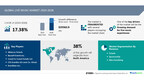
NEW YORK, Nov. 25, 2024 /PRNewswire/ — The global live music market  size is estimated to grow by USD 35.56 billion from 2024-2028, according to Technavio. The market is estimated to grow at a CAGR of  17.38%  during the forecast period.

Forecast period

2024-2028

Growth momentum & CAGR

Accelerate at a CAGR of 17.38%

Market growth 2024-2028

USD 35563.9 million

Market structure

Fragmented

YoY growth 2022-2023 (%)

13.27

Regional analysis

North America, Europe, APAC, South America, and Middle East and Africa

Performing market contribution

North America at 38%

Key countries

US, UK, Japan, Germany, and France, Canada, Australia, South Korea, Brazil, India

Key companies profiled

Alliance Tickets, Bassett Events Inc., Coast To Coast Tickets LLC, CTS Eventim AG and Co. KGaA, Eventbee Inc., Eventbrite Inc., Event.com Inc., Live Nation Entertainment Inc., Lyte Inc., SeatGeek Inc., Sunrise Records Ltd., The Ticketline Network Ltd., Ticket City Inc., TicketNetwork Inc., TickPick LLC, TiqIQ LLC, TodayTix Inc., Viagogo Entertainment Inc., Vivendi SE, and Vivid Seats Inc., SM Entertainment, YG Entertainment, Universal Music Group, Sony Music Entertainment, Warner Music Group

Market Driver

Live music market is a thriving industry that caters to the worldwide demand for authentic and great musical experiences. Trends in this sector include live music concerts, mobile apps, and the rise of DJs. Genres such as Blues, Pop, Rock, Metal, Electronica, and more continue to shape audience preferences. Industrial developments, urbanization, and technology adoption have led to the automation of production lines and the integration of technology in music events. Customer preferences drive emerging trends like local talent, interactive activities, and art installations at music festivals. Macroeconomic factors, disposable incomes, and social media influence ticket sales for B2C enterprises. Event organizers leverage user metrics, online purchase, and modeling approaches to optimize their operations. The live music market is a cornerstone of the entertainment sector, providing livelihoods for musicians, artists, agents, promoters, ticketing companies, contractors, record companies, music composers, corporate brands, and sponsors. The sector includes small clubs, theatre-sized venues, arena shows, and stadiums, featuring international stars and local talent. Festival dates, performance schedules, and promotional campaigns are crucial elements of successful live music events. Risk takers, fee negotiations, and show production are integral parts of the business. The future of the live music market is shaped by virtual online platforms, holograms, and fan bases. The sector continues to evolve, offering unique experiences for fans and like-minded individuals. 

The live music industry has experienced a notable increase in the utilization of virtual and hybrid events due to technological advancements and the impact of the COVID-19 pandemic. Artists and event organizers have responded to evolving circumstances by adopting innovative approaches, enabling them to deliver live music experiences to global audiences despite challenges posed by large-scale gatherings. Virtual and hybrid formats have gained popularity as a solution to the disruptions caused by the pandemic, allowing musicians and artists to continue engaging with their fan bases. 

Market Challenges

Live music market is a dynamic and ever-evolving industry, encompassing various elements such as concerts, mobile apps, DJs, artists, and genres like Blues, Pop, Rock, Metal, and Electronica. Challenges in this sector include urbanization, production lines, automation, and technology adoption. Industrial developments and macroeconomic factors influence music events worldwide. Customer preferences and emerging trends shape the landscape, with local special circumstances and social outlook also playing a role. Live music events offer unique experiences for consumers, bringing together like-minded individuals and passionate audiences. Younger generations value experiences over material possessions, driving growth in music festivals and virtual online platforms. Technology, such as holograms and social media, has transformed the industry, enabling B2C enterprises to reach wider audiences and increase Gross Merchandise Value. Event organizers face various challenges, including ticket sales, artist contracts, and production logistics. Collaboration between agents, promoters, ticketing companies, contractors, record companies, music composers, corporate brands, and sponsors is crucial. The live music market is a cornerstone of the entertainment sector, providing livelihoods for musicians, crew members, and industry professionals. As the industry continues to evolve, understanding consumer behavior, representing the social outlook, and adapting to technological advancements will be key to success. Goldman Sachs predicts continued growth in the sector over the next few decades. Ultimately, the live music market offers a unique blend of art, social interaction, and entertainment for fans and artists alike.In today’s digital marketplace, the music industry has seen a significant shift towards online platforms and applications. This transition brings new opportunities for live music market providers to reach their audience with customized offerings. However, it also poses new challenges, particularly in the area of data privacy. To effectively target customers, service providers collect data through cookies, which track customer preferences. This data is then utilized for customer profiling, behavior analysis, and data mining. While this information aids in delivering personalized services, indiscriminate use can infringe on customer privacy. Moreover, location-based services, which require geo-location information, raise privacy concerns. As the IT industry continues to create an open, competitive electronic marketplace, it is crucial to provide secure and reliable infrastructure for the seamless transfer and integration of critical information. Ensuring data privacy and security is essential to build trust and maintain customer loyalty.

Research report provides comprehensive data on impact of trend, driver and challenges – Request a sample report!

Segment Overview 

This live music market report extensively covers market segmentation by

Revenue 1.1 Tickets1.2 Sponsorship1.3 MerchandisingGenre 2.1 Pop2.2 Rock2.3 Hip-hop2.4 EDM2.5 Metal music and othersFormatEvent TypeGeography 3.1 North America3.2 Europe3.3 APAC3.4 South America3.5 Middle East and Africa

1.1 Tickets-  The ticketing segment is a pivotal part of the global live music market, facilitating fan access to live music events through ticket sales and distribution. Online ticketing platforms, such as Ticketmaster and StubHub, have become popular due to their user-friendly interfaces and secure payment gateways. Mobile ticketing, featuring digital tickets accessible on smartphones, enhances the ticketing experience and reduces the risk of counterfeit tickets. Secondary ticketing platforms, like Viagogo and SeatGeek, offer fans an alternative to secure tickets for sold-out events. Data analytics and personalized marketing strategies are emerging trends, enabling ticketing companies to provide customized recommendations and targeted campaigns. These advancements are anticipated to boost the growth of the ticketing segment in the live music market.

For more information on market segmentation with geographical analysis including forecast (2024-2028) and historic data (2018 – 2022)  – Download a Sample Report

Research Analysis

Live music concerts continue to captivate audiences worldwide, bringing people together through the power of music. Mobile apps have revolutionized the industry, allowing fans to access tickets, merchandise, and real-time updates on their favorite artists. From Blues to Pop, Rock, Metal, Electronica, and beyond, music events cater to diverse customer preferences. Emerging trends include the integration of technology, such as holograms and virtual online platforms, into live performances. Local special circumstances and macroeconomic factors can impact the livelihood of musicians, influencing tours and festivals. Social interaction and the connection with like-minded individuals are cornerstones of the live music experience, spanning decades. The younger generation continues to discover new artists and genres, ensuring the industry’s longevity. Live music events offer more than just entertainment – they provide a unique experience for fans to engage with their favorite musicians and create memories that last a lifetime.

Market Research Overview

Live music concerts have seen a significant growth in popularity with the advent of mobile apps, allowing fans to easily discover and purchase tickets for their favorite artists and genres, including Blues, Pop, Rock, Metal, Electronica, and more. The live music scene is not just limited to concerts but also includes parties and music festivals, which offer unique experiences for like-minded individuals. Urbanization and industrial developments have led to the adoption of technology in music production lines and automation, transforming the way music is created and performed. Emerging trends such as virtual online platforms, holograms, and interactive activities have added new dimensions to live music events, catering to the younger generation’s preferences for experiences over material possessions. Music festivals have become a cornerstone of the live music industry, attracting passionate audiences from worldwide, with genres ranging from local talent to international stars. Event organizers leverage social media and ticket sales to reach consumers, while B2C enterprises focus on Gross Merchandise Value and user metrics to optimize their offerings. The live music industry is influenced by various macroeconomic factors, including disposable incomes, consumer behavior, and emerging trends. Representativeness, social outlook, and urban population play a crucial role in shaping the industry’s future, with Goldman Sachs predicting a decade-long livelihood for musicians, tours, and festivals. Live performance remains the heart of the industry, with artists, DJs, agents, promoters, ticketing companies, contractors, record companies, corporate brands, and sponsors all playing essential roles in bringing the music to the fans. From small clubs to arena shows and stadiums, the live music industry continues to evolve, offering unforgettable experiences for fans and artists alike.

Table of Contents:

1 Executive Summary
2 Market Landscape
3 Market Sizing
4 Historic Market Size
5 Five Forces Analysis
6 Market Segmentation

RevenueTicketsSponsorshipMerchandisingGenrePopRockHip-hopEDMMetal Music And OthersFormatEvent TypeGeographyNorth AmericaEuropeAPACSouth AmericaMiddle East And Africa

7 Customer Landscape
8 Geographic Landscape
9 Drivers, Challenges, and Trends
10 Company Landscape
11 Company Analysis
12 Appendix

About Technavio

Technavio is a leading global technology research and advisory company. Their research and analysis focuses on emerging market trends and provides actionable insights to help businesses identify market opportunities and develop effective strategies to optimize their market positions.

With over 500 specialized analysts, Technavio’s report library consists of more than 17,000 reports and counting, covering 800 technologies, spanning across 50 countries. Their client base consists of enterprises of all sizes, including more than 100 Fortune 500 companies. This growing client base relies on Technavio’s comprehensive coverage, extensive research, and actionable market insights to identify opportunities in existing and potential markets and assess their competitive positions within changing market scenarios.

Contacts

Technavio Research
Jesse Maida
Media & Marketing Executive
US: +1 844 364 1100
UK: +44 203 893 3200
Email: media@technavio.com
Website: www.technavio.com/

View original content to download multimedia:https://www.prnewswire.com/news-releases/live-music-market-size-is-set-to-grow-by-usd-35-56-billion-from-2024-2028–growing-demand-for-live-music-experiences-to-boost-the-market-growth-technavio-302314961.html

SOURCE Technavio

Continue Reading
Click to comment

Leave a Reply

Your email address will not be published. Required fields are marked *

Technology

Wistron Celebrates Grand Opening of First U.S. Smart Factory Marking Milestone in Global Smart Manufacturing Strategy

Published

on

By

FORT WORTH, Texas, July 21, 2026 /PRNewswire/ — Wistron Corporation (“Wistron”) celebrated the grand opening of its D1 AI smart facility in Fort Worth, Texas, the site where the first NVIDIA GB300 Grace Blackwell Ultra Superchip was built and mass-produced in the United States. The US$ 700 million facility, spanning approximately 324,000 square foot, was officially unveiled during a ceremony led by Wistron Chairman Simon Lin and NVIDIA Founder and CEO Jensen Huang. Jessica Rogers, Director of the Economic Development Department for the City of Fort Worth, and Alexander Tah-ray Yui, Taiwan’s Representative to the United States, were among the government officials and business leaders who attended, marking a milestone in the expansion of Wistron’s global footprint and advanced manufacturing capabilities.

This is a key hub in Wistron’s global AI infrastructure manufacturing network. The facility runs on NVIDIA accelerated computing and integrates NVIDIA’s Nemotron and Cosmos open frontier models and Omniverse and Metropolis libraries, using digital twin technology to optimize factory design, production workflows, and operational efficiency. It is Wistron’s first U.S.-based manufacturing facility, established to serve customers locally and produce NVIDIA’s most advanced and cutting-edge products. Wistron Chairman Simon Lin said “The operation here is not typical manufacturing. It is new, very comprehensive, and high-tech. Right now we produce the NVIDIA GB300 Grace Blackwell Ultra Superchip, and beyond, we are also going to produce the NVIDIA Vera Rubin Superchip here. In the next couple of years, this location will be one of the most important, as we build AI infrastructure here in the United States. I think this is the reason we say that there will be the next chapter, and we are going to empower AI from Texas.”

Responding to Customer Needs: Texas, the Newest Global Manufacturing Hub
At this pivotal moment for global AI infrastructure, Wistron is drawing on decades of global manufacturing experience to expand its footprint in Texas, a state with a well-established ecosystem for logistics, talent recruitment, and advanced manufacturing. The new D1 facility produces the NVIDIA GB300 Grace Blackwell Ultra Superchip and soon, the NVIDIA Vera Rubin Superchip — critical to powering the next generation of AI computing. The new Fort Worth facility strengthens a critical upstream layer of the AI infrastructure supply chain by expanding domestic capacity to assemble and test NVIDIA AI systems. These servers can be integrated into NVIDIA DSX infrastructure, with DSX providing the common architecture and technologies needed to deploy and operate energy-efficient AI factories at scale.

One-Stop Operational Ecosystem Strengthens U.S. AI Supply Chain Resilience
Behind every breakthrough in AI computing lies the manufacturing capability to scale it. Wistron is expanding its AI server production capabilities from Taiwan to the United States, guided by a vision of precision, efficiency, and sustainability. This reflects a broader industry shift: AI leadership is determined not only by technological breakthroughs, but also by the operational capability to transform innovation into high-volume production with consistent quality, supply chain resilience, and predictable delivery. By establishing AI infrastructure manufacturing capacity in the United States, Wistron is building a one-stop operational ecosystem spanning manufacturing and after-sales service — shortening delivery timelines and customer support cycles, strengthening supply chain resilience, and laying the foundation for long-term competitive advantage as AI infrastructure continues to scale.

Partnering with NVIDIA to Pioneer a New Model for Smart Manufacturing and Energy Optimization
As the era of physical AI begins, Wistron is extending its smart manufacturing capabilities to the United States, creating a new model for AI infrastructure production built on digital manufacturing, energy optimization, and local operations. Jensen Huang said: “The largest infrastructure buildout in history is underway. Demand for AI factories—the engine of this next industrial revolution—is incredible, and they must be produced everywhere. Together, NVIDIA and Wistron are restoring US advanced manufacturing capacity in Texas, creating skilled jobs and strengthening America’s AI supply chain.” As demand for advanced manufacturing grows in Texas, smarter planning of production loads and energy use will give the plant greater control and flexibility over its electricity needs.

Turning Global Experience into Scalable AI Infrastructure
Simon Lin stressed that the speed the AI era demands comes with its own responsibility. “In the AI era, the pressure of speed is also a form of responsibility,” Lin said. “We don’t just need to build fast; we need to build right.”

The Fort Worth plant will serve as the core engine of Wistron’s U.S. manufacturing operations, the company said, connecting its global production network with ecosystem partners as it scales advanced AI manufacturing. Wistron said that the investment reflects efforts to deepen its technical capabilities, strengthen the resilience and efficiency of global supply chains, and support the next phase of AI infrastructure development.

About Wistron:
Wistron Corporation is a leading global technology service provider delivering advanced ICT products, AI infrastructure, and manufacturing solutions to technology brands worldwide. With more than 63,000 employees across North America, Europe, and Asia, Wistron continues to expand its AI, cloud, and advanced manufacturing capabilities to support the next generation of intelligent computing. For more information about Wistron, please visit the official website at www.wistron.com. Additional information about the event is available on the event website.

Media Contact:
Joyce WL Chou
joyce_wl_chou@wistron.com

View original content to download multimedia:https://www.prnewswire.com/news-releases/wistron-celebrates-grand-opening-of-first-us-smart-factory-marking-milestone-in-global-smart-manufacturing-strategy-302831439.html

SOURCE Wistron Corporation

Continue Reading

Technology

NSG Bio Accelerates Breakthrough Biotech Innovation in Singapore

Published

on

By

New initiative under NSG Bio Tomorrow will support promising startups developing next-generation approaches in respiratory and neonatal care

SINGAPORE, July 22, 2026 /PRNewswire/ — The NSG Bio Tomorrow initiative aims at supporting emerging life sciences startups working on complex challenges in respiratory and neonatal care.

Launched through the support of Chiesi Group, The Impulse initiative will provide a selected startup with one year of NSG Bio membership and access to a dedicated laboratory bench at NSG Bio Singapore. The initiative is designed to help early-stage biotech companies move from promising science toward stronger proof-of-concept work in a fully equipped research environment.

The initiative comes at a time when the biotech industry is increasingly looking for faster, more connected ways to move high-potential science from the lab toward real-world patient impact. For startups, access to infrastructure is only one part of the challenge. Equally important are the right networks, industry visibility, technical environment, and opportunities to engage with partners who understand the path from early discovery to clinical relevance.

The programme will focus on startups developing innovative biotechnological solutions with potential relevance to chronic respiratory diseases and neonatal conditions. Areas of interest include cell therapies, gene therapies, gene-editing technologies, regenerative tissue engineering, engineered or programmable living systems, lung-targeted delivery platforms, preventive approaches, and small-molecule-based approaches.

The selected startup will gain access to NSG Bio’s laboratory infrastructure, shared workspaces, meeting facilities, and wider community of biotech entrepreneurs, researchers, scientific leaders, and industry partners. The support is intended to help the company advance key research milestones while becoming part of Singapore’s growing life-science innovation ecosystem.

For NSG Bio, the initiative is part of NSG Bio Tomorrow, its ecosystem-building arm created to expand the company’s role beyond facilities and real estate. While NSG Bio is known for providing high-quality laboratory and office infrastructure for biotech companies, NSG Bio Tomorrow focuses on building the programmes, partnerships, and opportunities that help startups grow.

“Biotech companies need more than lab space. They need access, momentum, and the right ecosystem around them,” said Hasyim Sim, Co-Founder and Chief Operating Officer, NSG Bio. “Through NSG Bio Tomorrow, we are building initiatives that help promising startups connect with partners, unlock opportunities, and move their science forward. This initiative reflects exactly the kind of role we want to play in the biotech ecosystem.”

“Chiesi is committed to supporting innovation that can make a meaningful difference for patients, and we work with entrepreneurs, researchers and partners to advance meaningful ideas,” said Fabrizio Conicella, Vice President, Center of Open Innovation & Competence at Chiesi Group. “By supporting this NSG Bio Tomorrow initiative, we want to create an opportunity for early-stage innovators to access the infrastructure and ecosystem support needed to develop impactful science in respiratory and neonatal care.”

NSG Bio Tomorrow programme also reinforces Singapore’s position as a growing hub for biotech innovation in Asia, where startups, research institutions, investors, and industry partners are increasingly coming together to support the next generation of healthcare companies.

Applications open on 22 July 2026 at 09:00 a.m. SGT. Finalists will be invited to present at a virtual pitch event, after which the selected startup will be announced.

About NSG Bio

NSG Bio is Singapore’s leading provider of BSL-2 certified co-working laboratory and office spaces, supporting life-science companies from early research through growth. Through its facilities, community, and ecosystem initiatives, NSG Bio enables biotech innovators to accelerate research, access networks, and build companies that address critical healthcare challenges.

About NSG Bio Tomorrow

NSG Bio Tomorrow is NSG Bio’s ecosystem-building arm, created to support the next generation of biotech innovation through partnerships, programmes, community initiatives, and opportunities that extend beyond physical laboratory infrastructure. Its mission is to strengthen the biotech industry by connecting startups with the resources, expertise, and networks they need to thrive.

About Chiesi Group 

Chiesi is a research-oriented international biopharmaceutical group that develops and markets innovative therapeutic solutions in respiratory health, rare diseases, and specialty care. The company’s mission is to improve people’s quality of life and act responsibly towards both the community and the environment. As a certified B Corp since 2019, Chiesi is part of a global community of businesses that meet high standards of social and environmental impact. 

With 90 years of experience, Chiesi is headquartered in Parma (Italy), with 31 affiliates worldwide, and counts more than 7,900 employees. The Group’s research and development centre in Parma works alongside 6 other important R&D hubs in France, the US, Canada, China, the UK, and Sweden. For further information please visit https://www.chiesi.com/en/home 

Media Contact
Giridharan
Laboratory Manager
NSG Bio
giridharan@nsgbio.com
87797175

View original content to download multimedia:https://www.prnewswire.com/apac/news-releases/nsg-bio-accelerates-breakthrough-biotech-innovation-in-singapore-302830494.html

SOURCE NSG Bio

Continue Reading

Technology

House Judiciary Committee Passes Bill that Would Prevent Future Immigration Crises: Swift Action Needed by Full House, Says FAIR

Published

on

By

WASHINGTON, July 21, 2026 /PRNewswire/ — Today, the House Judiciary Committee passed an updated version of H.R. 2, the landmark border security bill from last congressional session. The bill now awaits consideration by the full House of Representatives. The Federation for American Immigration Reform (FAIR) urges Speaker Mike Johnson to schedule a final floor vote as soon as possible.

The Secure Border Act systematically closes the loopholes that allowed the Biden administration to unleash the largest and most damaging wave of illegal immigration in American history. Enactment of this legislation would prevent future anti-borders administrations from shirking their responsibilities to secure our borders and enforce our immigration laws; asserting unlimited discretion to parole inadmissible aliens to enter the country; or releasing millions of illegal aliens into the country, rather than detaining them or returning them to the country from which they entered.

“We congratulate the Judiciary Committee for its swift action on this critical legislation,” said Dale Wilcox, executive director and general counsel of FAIR. “Ending border chaos and rampant illegal immigration was a key reason that Republicans regained control of the White House and both chambers of Congress in the last election. The clock is ticking on the 119th Congress, and Republicans only have a short time to deliver on the promises they made to voters in 2024, before the midterms.

“Right now, our immigration laws are being enforced in the interests of the American people. As the last administration demonstrated, enforcement of those laws is not guaranteed unless Congress acts to prevent similar abuse in the future. Now is the time for decisive action in the House, where this bill can be passed with a simple majority vote, and an opportunity for Senate Majority Leader John Thune to put every member of that body on record before voters go to the polls in the fall,” Wilcox concluded.

Hayley Hill, hhill@fairus.org 202-328-7004

View original content to download multimedia:https://www.prnewswire.com/news-releases/house-judiciary-committee-passes-bill-that-would-prevent-future-immigration-crises-swift-action-needed-by-full-house-says-fair-302831443.html

SOURCE Federation for American Immigration Reform (FAIR)

Continue Reading

Trending