Connect with us

Technology

Remote Patient Monitoring Market to Expand by USD 3.31 Billion (2024-2028), Focus on Chronic Disease Management, AI-Powered Market Evolution – Technavio

Published

on

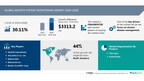
NEW YORK, Nov. 26, 2024 /PRNewswire/ — Report on how AI is driving market transformation – The global remote patient monitoring market  size is estimated to grow by USD 3.31 billion from 2024-2028, according to Technavio. The market is estimated to grow at a CAGR of almost 30.11%  during the forecast period. Focus on chronic disease management is driving market growth, with a trend towards iot in healthcare. However, lack of reimbursement policies for remote monitoring  poses a challenge.Key market players include Abbott Laboratories, Advantech Co. Ltd., Babyscripts, Biofourmis Inc., Boston Scientific Corp., Caretaker Medical NA, Dragerwerk AG and Co. KGaA, GE Healthcare Technologies Inc., Honeywell International Inc., Koninklijke Philips N.V., Masimo Corp., Medtronic Plc, MphRx Inc., Napier Healthcare Solutions Pte Ltd., Nihon Kohden Corp., OMRON Corp., OSI Systems Inc., OSP, Shenzhen Mindray BioMedical Electronics Co. Ltd, Siemens AG, Smiths Group Plc, and VitalConnect Inc..

AI-Powered Market Evolution Insights. Our comprehensive market report ready with the latest trends, growth opportunities, and strategic analysis- View Free Sample Report PDF

Forecast period

2024-2028

Base Year

2023

Historic Data

2018 – 2022

Segment Covered

Product (Vital signs and Implantable), End-user (Hospitals, ASCs, and Home care), and Geography (North America, Europe, Asia, and Rest of World (ROW))

Region Covered

North America, Europe, Asia, and Rest of World (ROW)

Key companies profiled

Abbott Laboratories, Advantech Co. Ltd., Babyscripts, Biofourmis Inc., Boston Scientific Corp., Caretaker Medical NA, Dragerwerk AG and Co. KGaA, GE Healthcare Technologies Inc., Honeywell International Inc., Koninklijke Philips N.V., Masimo Corp., Medtronic Plc, MphRx Inc., Napier Healthcare Solutions Pte Ltd., Nihon Kohden Corp., OMRON Corp., OSI Systems Inc., OSP, Shenzhen Mindray BioMedical Electronics Co. Ltd, Siemens AG, Smiths Group Plc, and VitalConnect Inc.

Key Market Trends Fueling Growth

Remote Patient Monitoring (RPM) is a trending business in healthcare, enabling patient-centered care and personalized medicine through real-time health data collection. RPM caters to patient engagement, especially for geriatric demographics and those with chronic ailments, reducing healthcare expenditures and enabling aging in place. Regulatory variations, social media practices, and telemedicine start-ups influence RPM’s growth. RPM technologies include IoT medical devices, telemedicine apps, and software solutions. Reimbursement policies, behavioral barriers, and healthcare fraud are challenges. RPM addresses infectious diseases, epidemics, and healthcare-associated infections, with devices like vital sign monitors and special monitors for heart rate, blood pressure, and glucose levels. Firms like EPIC Health and Disease Control Prevention (CDC) use RPM for chronic disease management. Medical practitioners, hospitals, and healthcare organizations benefit from RPM’s remote access and digital platforms. RPM technologies ensure quality of care, prevent healthcare fraud, and improve consultation tools for healthcare consumers. 

The remote patient monitoring market is experiencing significant growth due to the increasing adoption of Internet of Things (IoT) technology and connected medical devices in the healthcare industry. IoT bridges the gap between physical and digital data sources, enabling real-time patient monitoring and improving accessibility to healthcare services. This trend is helping healthcare organizations reduce operational burdens and develop digital ecosystems, ultimately leading to timely and improved patient care. The potential applications of IoT in healthcare settings are vast, extending beyond inpatient services to outpatient care as well. 

Insights on how AI is driving innovation, efficiency, and market growth- Request Sample!

Market Challenges

Remote Patient Monitoring (RPM) is a growing trend in healthcare, allowing medical care to be delivered from a distance. However, implementing RPM comes with challenges. Patient-centered care and personalized medicine require RPM to be patient-friendly and engaging. Regulatory variations and social media practices pose challenges in ensuring data security and privacy. The geriatric demographic and chronic ailments increase healthcare expenditures, making home-based care setting a cost-effective solution. Mobility constraints, healthcare fraud, and prevention measures are concerns in RPM. Behavioral barriers, telemedicine, and infectious diseases require fraud detection and prevention measures. IoT medical devices, reimbursement policies, and global disease burden impact RPM adoption. Medical practitioners, hospitals, and healthcare organizations use digital platforms and RPM technologies for better quality of care. Firms offer telemedicine apps, consultation tools, and software solutions for patients. RPM devices include vital sign monitors, special monitors, heart rate monitors, and hospital-based patient systems. Challenges include reimbursement policies, medical research using cloud servers, health insurance portability and accountability, and healthcare consumer trust. RPM technologies aid in chronic disease management, telemedicine start-ups, and remote access to medical care facilities. RPM is essential for managing conditions like hypertension, neurological disorders, cancer cases, and sleep disorders.Remote patient monitoring brings healthcare services to patients’ homes, expanding access to specialists in remote areas. Both healthcare providers and patients benefit from this trend by reducing the need for unnecessary hospital visits. However, reimbursement for remote healthcare services is not universally adopted by payers, limiting the application of telehealth in some cases. The Center for Medicare and Medicaid Services (CMS) has established guidelines for reimbursement, covering patients in Health Professional Shortage Areas (HPSA) or outside Metropolitan Statistical Areas (MSA), as defined by the Health Resources and Services Administration (HRSA) and the Census Bureau. Adherence to these standards enables reimbursement for remote patient monitoring services.

Insights into how AI is reshaping industries and driving growth- Download a Sample Report

Segment Overview 

This remote patient monitoring market report extensively covers market segmentation by

Product 1.1 Vital signs1.2 ImplantableEnd-user 2.1 Hospitals2.2 ASCs2.3 Home careGeography 3.1 North America3.2 Europe3.3 Asia3.4 Rest of World (ROW)

1.1 Vital signs-  The vital signs product segment of the remote patient monitoring market consists of devices that remotely monitor key physiological parameters, including blood pressure, heart rate, temperature, and oxygen saturation. These solutions range from wearable sensors to home monitoring kits, allowing patients to track their vital signs in real-time and transmit data to healthcare providers for remote assessment and intervention. With the rise of chronic diseases and the emphasis on preventive healthcare, the demand for vital signs monitoring solutions has grown significantly. Leading vendors, such as Koninklijke Philips NV, Medtronic Plc, and GE Healthcare, provide a range of devices to cater to the diverse needs of patients and healthcare providers. Philips offers wearable biosensors, while GE Healthcare provides home monitoring kits. These companies utilize their strengths in medical device manufacturing, data analytics, and healthcare IT to develop innovative vital signs monitoring solutions. This empowers patients to manage their health proactively and supports the expansion of the vital signs segment in the global remote patient monitoring market.

Download complimentary Sample Report to gain insights into AI’s impact on market dynamics, emerging trends, and future opportunities- including forecast (2024-2028) and historic data (2018 – 2022) 

Research Analysis

Remote Patient Monitoring (RPM) is a revolutionary approach in healthcare that enables medical practitioners to monitor patients’ health conditions in real-time from a distance. This patient-centered care solution is particularly beneficial for individuals with chronic ailments, geriatric demographics, and those with mobility constraints. RPM allows for personalized medicine and increased patient engagement, leading to better health outcomes and reduced healthcare expenditures. Regulatory variations across regions and social media practices are shaping the RPM market’s growth. RPM technologies include telemedicine apps, digital platforms, and RPM devices that transmit health data to medical professionals. Cloud servers and Health Insurance Portability and Accountability Act (HIPAA) compliance are crucial components of RPM. Chronic disease management, such as hypertension and neurological disorders, is a significant application area for RPM. Firms are investing in RPM to improve healthcare delivery in home-based care settings and hospitals. Medical researchers are also leveraging RPM for data collection and analysis to advance medical knowledge.

Market Research Overview

Remote Patient Monitoring (RPM) is a patient-centered care approach that enables medical practitioners to monitor patients’ health conditions in real-time, outside of traditional hospital settings. RPM is a crucial component of personalized medicine, allowing for more effective chronic ailment management and improved patient engagement. Regulatory variations and social media practices pose challenges, but RPM is gaining traction due to the growing geriatric demographic and rising healthcare expenditures. Aging in place and mobility constraints are driving the need for home-based care and RPM technologies. However, healthcare fraud, prevention measures, and behavioral barriers are concerns. Telemedicine, IoT medical devices, and digital platforms are key RPM technologies, with applications ranging from infectious diseases and epidemics to oncology, cardiovascular diseases, diabetes, sleep disorders, weight management, and fitness monitoring. Reimbursement policies and global disease burden also impact RPM adoption. Medical researchers, healthcare organizations, and software solutions providers are key players in the RPM market, with telemedicine start-ups and consultation tools also gaining popularity. Patients, hospitals, home-based care settings, healthcare consumers, and medical care facilities are all benefiting from RPM. RPM is transforming healthcare delivery by enabling remote access to medical care and improving quality of care.

Table of Contents:

1 Executive Summary
2 Market Landscape
3 Market Sizing
4 Historic Market Size
5 Five Forces Analysis
6 Market Segmentation

ProductVital SignsImplantableEnd-userHospitalsASCsHome CareGeographyNorth AmericaEuropeAsiaRest Of World (ROW)

7 Customer Landscape
8 Geographic Landscape
9 Drivers, Challenges, and Trends
10 Company Landscape
11 Company Analysis
12 Appendix

About Technavio

Technavio is a leading global technology research and advisory company. Their research and analysis focuses on emerging market trends and provides actionable insights to help businesses identify market opportunities and develop effective strategies to optimize their market positions.

With over 500 specialized analysts, Technavio’s report library consists of more than 17,000 reports and counting, covering 800 technologies, spanning across 50 countries. Their client base consists of enterprises of all sizes, including more than 100 Fortune 500 companies. This growing client base relies on Technavio’s comprehensive coverage, extensive research, and actionable market insights to identify opportunities in existing and potential markets and assess their competitive positions within changing market scenarios.

Contacts

Technavio Research
Jesse Maida
Media & Marketing Executive
US: +1 844 364 1100
UK: +44 203 893 3200
Email: media@technavio.com
Website: www.technavio.com/

View original content to download multimedia:https://www.prnewswire.com/news-releases/remote-patient-monitoring-market-to-expand-by-usd-3-31-billion-2024-2028-focus-on-chronic-disease-management-ai-powered-market-evolution—technavio-302315566.html

SOURCE Technavio

Continue Reading

Technology

Texas Athletics and McCombs School of Business Launch New Bevo Lab, Bringing Together Sports, AI and Analytics

Published

on

By

Dell Technologies, Google Cloud and SHI International join Texas Athletics to power a first-of-its-kind hub for sports intelligence, data analytics, research, and talent development

AUSTIN, Texas, Oct. 23, 2026 /PRNewswire/ — University of Texas Athletics and the Business of Sports Institute (BOSI) in the McCombs School of Business, in cooperation with Longhorn Sports Properties, today announced the launch of Bevo Lab, a unique collaboration that will serve as higher education’s premier sports intelligence platform and living laboratory—bringing together sports, technology, data analytics, and artificial intelligence (AI) to elevate human performance while expanding hands-on learning opportunities for students.
 

Joined by Dell Technologies, Google Cloud, and SHI International, Texas Athletics is building the premier sports intelligence platform in higher education, creating a standard of excellence that spans 21 intercollegiate teams and over 500 student-athletes. Bevo Lab will leverage AI-driven research and data analytics to deliver real-world solutions to help athletes and coaches become more efficient in their training and preparation while developing a pipeline of students with hands-on experience for sought-after careers in technology and sports analytics.

“With the help of our nationally ranked academic leaders and cutting-edge technology brand sponsors, Bevo Lab will become the global benchmark for innovation in sports AI and data analytics, making Texas Athletics the most data-driven athletic program in the country,” said Chris Del Conte, vice president and Folger Family Athletics Director at The University of Texas. “What starts here changes the world, and this vision will transform collegiate athletics. There is no bigger stage, no more powerful brand and no better time than now to lead in this new evolution of sports technology.”

Del Conte will officially announce Bevo Lab today at Texas’ Business of College Sports Summit.

Named for the university’s esteemed and powerful live mascot, Bevo Lab will be a part of BOSI, an academic and research center in McCombs that combines business education, on-field/on-court performance analytics, applied research, and industry participation. The lab will engage as many as 40 student researchers annually in managing the modeling and data projects under the direction of acclaimed sports data analyst, author, and BOSI executive director Kirk Goldsberry, Ph.D.

“The AI and emerging technologies provided by our industry partners will empower our students and researchers to deliver improved efficiency and increased speed in data analysis to boost performance and improve success,” added Goldsberry. “Bevo Lab will reinforce Texas as a leader in sports analytics and AI and will serve as the blueprint for the future of sports.”

Key innovations driving the Bevo Lab:

Bevo Lakehouse: A unified data warehouse that consolidates previously siloed sports-specific data such as game film and wearable technology into a single platform—starting with football, before expanding across all 21 varsity sports.Predictive AI & analytics models: Custom machine learning frameworks, including “transfer AI” for roster evaluation, designed to give coaches actionable insights for game strategy, scouting, and player development.Tailored front-end applications: Intuitive visual and natural language interfaces built specifically for the distinct daily workflows of athletes, coaches and athletic executives.Next-generation skills training: A hands-on program for UT students to gain AI skills and deploy live applications alongside athletic teams. Through a first-of-its-kind Google Public Sector ambassador program, students will also get to work directly with engineering teams, gaining high-stakes industry experience to launch careers in tech and sports analytics.

Dell Technologies: Powering a New Era in College Athletics

Dell Technologies is deepening its decadeslong relationship with The University of Texas as the premier founding sponsor and the Official Technology Infrastructure Sponsor of Bevo Lab. Building on a broad history of collaboration that spans groundbreaking research at the Texas Advanced Computing Center and technology innovation across Texas Athletics, Dell is providing the secure AI-ready infrastructure that powers Bevo Lab, enabling students, researchers, coaches and student-athletes to transform data into actionable insights, accelerate innovation and elevate human performance.

“Bevo Lab represents the next chapter in Dell Technologies’ longstanding relationship with The University of Texas and our shared commitment to innovation,” said Geraldine Tunnell, chief marketing officer, Dell Technologies. “By providing the secure, AI-ready infrastructure that powers this initiative, we’re enabling students, researchers, coaches and student-athletes to turn data into insight, accelerate innovation and unlock new possibilities for human performance. Together, we’re helping shape the future of sports analytics, research and education.”

Google Cloud: Pioneering AI Breakthroughs from Campus to Game Day

Google Cloud joins Bevo Lab as the Official Cloud Provider and Enterprise AI Provider, establishing a secure, powerful data foundation built for the future of collegiate athletic performance. By leveraging Google Cloud and Gemini, Google’s advanced multimodal, agentic AI, student researchers and athletic staff members can quickly unify vast athletic datasets to generate real-time sports intelligence. Google Public Sector’s Rapid Innovation and Specialty Engineering Teams will collaborate directly with UT coaches and students to prototype new sports technology while mentoring future sports and technology leaders. In fact, early collaboration with Google Public Sector has already introduced AI-driven workflows that save UT coaches more than 15 hours per week in game preparation, giving them critical time back to focus on strategy and player development.

“As a proud UT alum, I am thrilled to see my alma mater leading the charge at the intersection of collegiate sports, academic research, and artificial intelligence,” said Matt Renner, president and chief revenue officer of Google Cloud. “Bevo Lab will establish a new global benchmark for sports innovation, directly enhancing how the Longhorns will train, game plan, and compete on the field while providing a premier launchpad for the next generation of tech and sports analytics leaders. By putting our advanced data analytics platforms and Gemini models into the hands of UT students, coaches, and researchers, we are building a secure foundation for sports intelligence that will define the future of the industry.”

SHI International: Uniting Strategy and Integration for the Win

Founding sponsor SHI will serve as the strategic technology and solutions integrator of Bevo Lab, translating Texas Athletics’ vision into a secure, scalable technology architecture. Drawing on its deep expertise across IT infrastructure, cloud, AI and cybersecurity, SHI will orchestrate the partner ecosystem, ensuring multiple technologies across Bevo Lab operate as one unified platform for sports innovation that will evolve with the university’s athletic performance and provide research and workforce development opportunities for students managing the data analytics projects.

“For nearly four decades, customers have trusted SHI to bring together the right technologies, partners and expertise to build, manage and secure some of the world’s most complex IT environments,” said Jack Hogan, vice president of Advanced Growth Technologies at SHI International. “As the strategic technology and solutions integrator of Bevo Lab, we are thrilled to turn best-of-breed infrastructure, cloud, data, AI and security technologies into one trusted, scalable environment that enables Texas Athletics, coaches, student-athletes and researchers to achieve greatness on the playing field, in the lab, in the classroom and throughout their post-college careers.”

Strategic Collaboration Across Athletics and Industry

Longhorn Sports Properties, the Austin-based division of college media and technology leader Learfield, assisted in the development of Bevo Lab and secured its founding corporate sponsors.

“Bevo Lab is a cutting-edge collaboration that will make a tremendous positive impact on our coaches, our student-athletes and the university,” said Lucas Motta, vice president of Longhorn Sports Properties. “We are excited to lock arms with Dell Technologies, Google Cloud and SHI as leaders within their industry, and together we will help power Texas Athletics to even more championships while preparing our students for the new era in the tech workforce.”

Bevo Lab will be housed in Innovation Tower adjacent to the UT campus and in the heart of Austin’s Innovation District. A dedicated microsite that details Bevo Lab and its research will be available at texaslonghorns.com/bevolab.

About Dell Technologies
Dell Technologies (NYSE: DELL) helps organizations and individuals build their digital future and transform how they work, live and play. The company provides customers with the industry’s broadest and most innovative technology and services portfolio for the AI era.
 

About Google Cloud
Google Cloud offers a powerful, optimized AI stack—including AI infrastructure, leading models like Gemini, data management capabilities, multicloud security solutions, developer tools and platform, as well as agents and applications—that enables organizations to transform their business for the Agentic Era. Customers in more than 200 countries and territories turn to Google Cloud as their trusted technology partner.

About SHI International
SHI International is a $16 billion transformational technology solutions integrator serving the needs of more than 17,000 corporate, enterprise, public sector and academic customer organizations around the world. It helps companies achieve business goals through the use of technologies ranging from software licensing and end user computing devices to innovative cloud and edge solutions. With over 7,000 employees worldwide, SHI is the largest Minority and Woman Owned Business Enterprise (MWBE) in the U.S.

About Learfield
Learfield is the leading media and technology company powering college athletics. Through its digital and physical platforms, Learfield owns and leverages a deep data set and relationships in the industry to drive revenue, growth, brand awareness, and fan engagement for brands, sports, and entertainment properties. With ties to over 1,200 collegiate institutions and over 12,000 local and national brand partners, Learfield’s presence in college sports and live events delivers influence and maximizes reach to target audiences. With solutions for a 365-day, 24/7 fan experience, Learfield enables schools and brands to connect with fans through licensed merchandise, game ticketing, donor identification for athletic programs, exclusive custom content, innovative revenue generation solutions, student-athlete marketing initiatives, and advanced digital platforms. Since 2008, it has served as title sponsor for the acclaimed Learfield Directors’ Cup, supporting athletic departments across all divisions. 

Media contacts:
University of Texas Athletics: John Bianco, john.bianco@athletics.utexas.edu, 512-471-1346

Longhorn Sports Properties/Learfield: Tammy Purves, tammy.purves@learfield.com, 404-932-3266

McCombs School of Business: Judie Kinonen, Judie.Kinonen@mccombs.utexas.edu, 409-356-3324

Dell Technologies: Lauren Mauro, media.relations@dell.com.

Google Cloud: press@google.com

SHI: Kaitlynn Cooney, SHI-PR@walkersands.com

View original content to download multimedia:https://www.prnewswire.com/news-releases/texas-athletics-and-mccombs-school-of-business-launch-new-bevo-lab-bringing-together-sports-ai-and-analytics-302917606.html

SOURCE Learfield

Continue Reading

Technology

XbotGo Named World’s No. 1 Consumer Team Sports AI Tracking Camera Brand

Published

on

By

XbotGo recognized as the market leader in consumer team sports AI tracking technology based on 2025 unit sales.  

MOUNTAIN VIEW, Calif., Oct. 23, 2026 /PRNewswire/ — XbotGo is proud to announce that it has officially been recognized as the World’s No. 1 Consumer Team Sports AI Tracking Camera Brand by China Insights Consultancy (CIC), a premier independent market research and consulting firm.  

The certification, issued in October 2026 under research registration number ⁠CIC-2026-985176⁠, is based on a comprehensive evaluation of global unit sales volume throughout the 2025 calendar year. The market research specifically measures consumer-grade camera devices designed for team sports, such as basketball and football, that leverage advanced computer vision and artificial intelligence algorithms to automatically track athletes and capture dynamic gameplay without manual operation.  

“This global market recognition is a powerful testament to the hard work of our engineering teams and the trust our community places in us every day,” said Dr. David Tan, CEO of XbotGo. “From everyday parents and local youth coaches to elite amateur athletes, our mission has always been to make professional-grade sports analysis and hands-free recording accessible to everyone. Being named the global sales leader proves that our vision is resonating worldwide.”

The XbotGo Falcon series combines ultra-sharp 4K resolution, intelligent multi-player tracking, instant highlight creation, and seamless livestreaming capabilities into a compact, subscription-free device. By eliminating the need for a dedicated camera operator, XbotGo empowers teams and families to preserve and analyze every pivotal moment effortlessly.

To learn more about the XbotGo Falcon and explore its award-winning AI tracking technology, visit xbotgo.com.

About XbotGo

XbotGo was founded in 2021 by Dr. David Tan—a computer vision expert, hardware innovator, and devoted soccer dad. Like every parent on the sidelines, he found traditional cameras either too complex or too costly to capture his child’s moments on the field. That frustration sparked a vision: to make sports recording accessible to all through AI. Today, XbotGo is a global AI sports technology company owned by Blink Tech, headquartered in Silicon Valley, California, with R&D centers across Silicon Valley, Beijing, Shenzhen, and Suzhou.

Media Contact:
XbotGo
Gabriel Roxas
PR@xbotgo.com

View original content to download multimedia:https://www.prnewswire.co.uk/news-releases/xbotgo-named-worlds-no-1-consumer-team-sports-ai-tracking-camera-brand-302917631.html

Continue Reading

Technology

DataBeyond Showcases PICKINGMAN in Global Livestream from Operating Waste-Sorting Facility

Published

on

By

DONGGUAN, China, Oct. 23, 2026 /PRNewswire/ — DataBeyond showcased PICKINGMAN, its embodied AI robot for mixed municipal solid waste sorting, during the robot’s first global public livestream at 8 a.m. Beijing time on October 22. The broadcast took place at the Liaobu Municipal Solid Waste Integrated Treatment Center in Dongguan.

Built for Waste-Sorting Conditions

The broadcast demonstrated the robot working on an operating sorting line, highlighting the application of embodied AI to demanding industrial tasks involving mixed materials, dirty conditions and repetitive manual labor. PICKINGMAN began operating at the facility on September 22.

PICKINGMAN features dual arms with a total of 14 degrees of freedom, IP65-rated dust and water protection, and a maximum picking rate of 3,600 picks per hour. Designed to support continuous 24/7 operation, it can sort recyclables including PET bottles and trays, PP containers, PE items, aluminum cans and glass. It coordinates perception, decision-making and motion control to identify and pick target materials on a moving conveyor.

Project Results

Jointly developed by DataBeyond and Guangdong Dongshi Environment Co., Ltd., the Liaobu project combines robotic picking with AI optical sorting and other processing equipment. According to project data, the complete sorting line can process 50 metric tons of mixed municipal solid waste in four hours, achieving approximately 35% waste reduction and 25% resource recovery. Previously, sorting recyclables from the same volume required four skilled workers working for eight hours.

The integrated line separates recyclables for downstream recovery before residual waste is compressed and sent for further treatment, connecting resource recovery with existing waste management operations.

Workforce Benefits and Next Steps

For operators facing recruitment and retention challenges, robotic picking offers an alternative to repetitive manual sorting. The project aims to reduce workers’ direct contact with waste and enable personnel to focus on equipment inspection, production coordination and other technical roles.

“During the livestream, we identified areas where the robot still needs improvement,” said DataBeyond’s Mo Zhuoya. “Bridging the gap between R&D and industrial deployment requires engineering experience. We will accelerate product iteration and conduct longer global livestreams.”

About DataBeyond

DataBeyond develops AI-powered optical sorting equipment and robotic solutions for recycling and solid waste processing. The company integrates AI and multisensor technologies to improve material separation and support resource recovery.

Media Contact

Felix WU
marketing@databeyond.com

View original content to download multimedia:https://www.prnewswire.com/news-releases/databeyond-showcases-pickingman-in-global-livestream-from-operating-waste-sorting-facility-302918041.html

SOURCE DataBeyond

Continue Reading

Trending