Technology
eClinical Solutions Market to Grow by USD 12.77 Billion (2024-2028), Rising Drug Clinical Trials Drive Revenue, Report Highlights AI Impact on Trends – Technavio
Published
1 year agoon
By
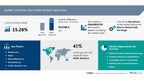
NEW YORK, Dec. 5, 2024 /PRNewswire/ — Report on how AI is redefining market landscape – The global eclinical solutions market size is estimated to grow by USD 12.77 billion from 2024-2028, according to Technavio. The market is estimated to grow at a CAGR of 15.26% during the forecast period. Rise in clinical trials for drugs is driving market growth, with a trend towards increasing outsourcing of clinical trial processes. However, rising cost of clinical trials poses a challenge. Key market players include Advarra Inc., Aixial, Anju Software Inc., ArisGlobal LLC, Castor Research Inc., Dassault Systemes SE, DATATRAK International Inc., eClinical Solutions LLC., eClinicalWorks LLC, eResearchTechnology GmbH, International Business Machines Corp., MedNet, Medrio Inc., OpenClinica LLC, Oracle Corp., Parexel International Corp., Saama Technologies Inc., Signant Health, Veeva Systems Inc., and YPrime LLC.
AI-Powered Market Evolution Insights. Our comprehensive market report ready with the latest trends, growth opportunities, and strategic analysis- View Free Sample Report PDF
Forecast period
2024-2028
Base Year
2023
Historic Data
2018 – 2022
Segment Covered
End-user (Pharmaceutical and biotechnology companies, Contract research organizations, Consulting service companies, Medical device manufacturers, and Others), Deployment (Cloud-based and On-premises), and Geography (North America, Europe, Asia, and Rest of World (ROW))
Region Covered
North America, Europe, Asia, and Rest of World (ROW)
Key companies profiled
Advarra Inc., Aixial, Anju Software Inc., ArisGlobal LLC, Castor Research Inc., Dassault Systemes SE, DATATRAK International Inc., eClinical Solutions LLC., eClinicalWorks LLC, eResearchTechnology GmbH, International Business Machines Corp., MedNet, Medrio Inc., OpenClinica LLC, Oracle Corp., Parexel International Corp., Saama Technologies Inc., Signant Health, Veeva Systems Inc., and YPrime LLC
Key Market Trends Fueling Growth
The eClinical solutions market is experiencing significant growth due to the increasing emphasis on clinical trials and vaccine development for various chronic diseases such as cancer, cardiovascular conditions, and infectious diseases. The enormous data generated during these trials requires advanced software solutions for clinical data management (CDM) and clinical trial management systems (CTMS). EClinical solutions like Veeva Systems and PAREXE are gaining popularity due to their benefits of real-time access, error reduction, and cost efficiency. The rising number of clinical trials and observational studies, coupled with research funding, is driving the adoption of eClinical solutions. However, the lack of awareness and high costs are challenges for smaller enterprises and underdeveloped markets. The digitization of healthcare through the Internet of Things and information technologies is also influencing the market. Firms like TRIO and CROs are focusing on clinical randomization, supply management, and site performance to improve drug development and retention. Healthcare engineering, clinical researchers, and healthcare providers are also integrating eClinical solutions into their clinical trial processes, leading to growth opportunities for eClinical solution providers. The market is characterized by a firm concentration ratio, with major players like Veeva Systems and PAREXE dominating. The market also includes academic universities, hospitals, research centers, and process outsourcing firms. The development of medical devices and IT infrastructure, such as EDC, CDMS, and web-hosted or cloud-based clinical trials, are also contributing to the market’s growth. Consultancy services and licenced enterprise solutions are also available to support the market.
The eClinical Solutions Market has witnessed significant changes in the past decade, with a shift towards outsourcing drug discovery processes to subcontract laboratories. This trend is driven by increased R&D investments and the focus on core competencies in manufacturing and marketing. Since 2011, the number of subcontract laboratories has grown rapidly, and this trend is expected to continue. The industry has transformed from a vertical reporting model with in-house clinical study teams to a matrix model involving both external and internal resources. Gradually, the bulk of the work has moved to Contract Research Organizations (CROs). This outsourcing trend enables companies to reduce costs, improve efficiency, and focus on their core competencies.
Insights on how AI is driving innovation, efficiency, and market growth- Request Sample!
• The eClinical solutions market is experiencing significant growth due to the increasing emphasis on clinical trials and vaccine development for unmet medical needs in healthcare. The rising number of clinical trials for chronic diseases such as cancer, cardiovascular conditions, and infectious diseases, requires enormous data management. EClinical solutions like Veeva Systems and TRIO are addressing these challenges by providing software solutions for clinical data management (CDM), clinical trial management systems (CTMS), and clinical randomization. However, there are challenges such as high costs, lack of awareness, and integration issues with various systems like CDM, clinical research organizations (CROs), academic universities, hospitals, and research centers. The digitization of healthcare through the Internet of Things and information technologies is driving the need for data standardization and real-time access to clinical trial data. Smaller enterprises and developing markets face challenges in technology adoption due to the high costs and lack of internet connectivity. However, the benefits of eClinical solutions like cost efficiency, site performance, and error reduction make them an attractive option for clinical researchers and healthcare providers. Firms with a high firm concentration ratio, such as pharmaceutical companies and medical device manufacturers, are investing in eClinical solutions for clinical trial processes, supply management, and protocol matrices. Consultancy services like PAREXE are providing expertise in clinical trial processes and regulatory compliance to help firms navigate the complex clinical trial landscape. The growth opportunities in this market are vast, with a particular focus on clinical trial processes, drug development, and clinical research.
• Clinical trials are a crucial part of bringing new drugs to market, but their cost has become a significant concern. Factors contributing to this increase include the complex and lengthy process of patient enrolment and retention. According to recent studies, the cost per patient in clinical trials rose by over 150% in the US between 2010 and 2015, and by 85-90% in the UK during the same period. These figures underscore the need for effective clinical trial management solutions to streamline processes, improve patient engagement, and reduce costs.
Insights into how AI is reshaping industries and driving growth- Download a Sample Report
This eclinical solutions market report extensively covers market segmentation by
End-user 1.1 Pharmaceutical and biotechnology companies1.2 Contract research organizations1.3 Consulting service companies1.4 Medical device manufacturers1.5 OthersDeployment 2.1 Cloud-based2.2 On-premisesGeography 3.1 North America3.2 Europe3.3 Asia3.4 Rest of World (ROW)
1.1 Pharmaceutical and biotechnology companies- Clinical trials are a crucial part of the drug development process for pharmaceutical and biotechnology companies. The success of these trials is essential for bringing new treatments to market. However, clinical trials are lengthy and expensive, and failures can result in significant financial and time losses. Regulatory scrutiny and the need for high-quality data have led to the increased adoption of eClinical solutions, such as Clinical Trial Management Systems (CTMS), among these companies. Mundipharma Research, a pharmaceutical research and development company, and GlaxoSmithKline, one of the largest pharmaceutical companies, are among those that have implemented eClinical solutions to enhance the efficiency and control of their clinical trials. These web-based systems provide real-time access to trial information, faster decision-making, decreased trial costs, and increased employee productivity and job satisfaction. With the rise in the number of clinical trials due to the increasing number of diseases and advanced treatments in development, the demand for eClinical solutions is on the rise. These solutions help companies manage the complexities of clinical trials, ensuring regulatory compliance, data accuracy, and operational efficiency. The market for eClinical solutions is expected to grow significantly during the forecast period as more companies recognize the benefits of these technologies in bringing new treatments to market.
Download complimentary Sample Report to gain insights into AI’s impact on market dynamics, emerging trends, and future opportunities- including forecast (2024-2028) and historic data (2018 – 2022)
The eClinical solutions market is experiencing significant growth due to the enormous data generated from clinical trials in healthcare. The rising number of clinical trials and emphasis on eClinical solutions for research is driving the market forward. Software solutions like ClinicalTrials.gov and TRIO are increasingly being adopted by cancer centers and healthcare institutions to streamline clinical research. Observational studies are also benefiting from eClinical solutions, allowing for more efficient data collection and analysis. The Internet of Things (IoT) is playing a major role in the technology adoption, enabling real-time patient monitoring and data collection. Research funding agencies are recognizing the value of eClinical solutions and are encouraging their use in clinical research. Minor trials are also benefiting from these solutions, making clinical research more accessible and efficient for all.
The eClinical Solutions Market is experiencing significant growth due to the increasing emphasis on clinical trials and vaccine development in healthcare. With an enormous amount of data being generated in clinical research, there is a rising need for software solutions to manage this data effectively. EClinical solutions, such as TRIO and PAREXE, are gaining popularity in cancer centers, clinical research organizations (CROs), pharmaceutical companies, and academic universities. The digitization of healthcare and the Internet of Things are driving the adoption of eClinical solutions, which offer benefits like real-time access to clinical trial data, improved clinical trial processes, and increased cost efficiency. However, the lack of awareness and high costs associated with these solutions pose challenges for smaller enterprises and underdeveloped markets. The market is characterized by a firm concentration ratio, with major players like Veeva Systems dominating. Growth opportunities exist in developing and underdeveloped markets, where there is a high demand for clinical trials in chronic diseases such as diabetes, cancer, cardiovascular conditions, and infectious diseases. EClinical solutions include Clinical Trial Management Systems (CTMS), Clinical Data Management Systems (CDMS), Electronic Data Capture (EDC), and Clinical Randomization Systems. These solutions help manage clinical trial processes, supply management, site performance, and retention. The benefits of eClinical solutions include error reduction, data standardization, and improved communication between clinical researchers, healthcare providers, and academic universities. However, the adoption of these solutions requires IT infrastructure and internet connectivity, which can be a challenge in some markets. Medical devices and consultancy services are also integral to the eClinical Solutions Market, offering additional benefits like protocol matrices, drug development, and clinical research. Overall, the market is expected to continue growing as unmet medical needs and the importance of clinical trials in drug development increase.
1 Executive Summary
2 Market Landscape
3 Market Sizing
4 Historic Market Size
5 Five Forces Analysis
6 Market Segmentation
End-userPharmaceutical And Biotechnology CompaniesContract Research OrganizationsConsulting Service CompaniesMedical Device ManufacturersOthersDeploymentCloud-basedOn-premisesGeographyNorth AmericaEuropeAsiaRest Of World (ROW)
7 Customer Landscape
8 Geographic Landscape
9 Drivers, Challenges, and Trends
10 Company Landscape
11 Company Analysis
12 Appendix
Technavio is a leading global technology research and advisory company. Their research and analysis focuses on emerging market trends and provides actionable insights to help businesses identify market opportunities and develop effective strategies to optimize their market positions.
With over 500 specialized analysts, Technavio’s report library consists of more than 17,000 reports and counting, covering 800 technologies, spanning across 50 countries. Their client base consists of enterprises of all sizes, including more than 100 Fortune 500 companies. This growing client base relies on Technavio’s comprehensive coverage, extensive research, and actionable market insights to identify opportunities in existing and potential markets and assess their competitive positions within changing market scenarios.
Technavio Research
Jesse Maida
Media & Marketing Executive
US: +1 844 364 1100
UK: +44 203 893 3200
Email: media@technavio.com
Website: www.technavio.com/
View original content to download multimedia:https://www.prnewswire.com/news-releases/eclinical-solutions-market-to-grow-by-usd-12-77-billion-2024-2028-rising-drug-clinical-trials-drive-revenue-report-highlights-ai-impact-on-trends—technavio-302322403.html
SOURCE Technavio
You may like
Technology
Changan Group Advances Global Strategy with “1+4+4+5” Framework, Targeting RMB 600 Billion in Revenue by 2030
Published
17 minutes agoon
April 22, 2026By
The Group sets out Six Major Leaps and five doubling targets, with RMB 600 billion in revenue and 1.5 million overseas sales in its sights for 2030.
CHONGQING, China, April 22, 2026 /PRNewswire/ — Changan Group held its Global Strategy Launch and Global Partner Conference in Chongqing on April 21, 2026, presenting its “1+4+4+5” strategic framework to around 700 delegates. The strategy reinforces and advances the Group’s Vast Ocean Plan, with a clear ambition: to enter the global automotive top ten and reach RMB 600 billion in revenue by 2030.
The “1+4+4+5” strategy is built around one vision: to build a world-class automotive group with global competitiveness and homegrown core technologies. It consists of four business pillars: vehicles, components, services, and next-generation ecosystem industries; and four transformation priorities: intelligence, green development, globalization, and integration.
Guided by a two-step, ten-year roadmap, the Group targets five doublings by 2030: new energy vehicle (NEV) sales, overseas vehicle sales, total revenue, total profit, and brand value. Specific 2030 goals include 2.4 million NEV sales, 1.5 million overseas vehicle sales, RMB 600 billion in revenue, and RMB 200 billion in brand value, earning Changan a place among the world’s Top 500 Influential Brands.
“Today we are entering a remarkable new era shaped by profound change and unprecedented opportunity. Every transformation creates the conditions for a new generation of world class enterprises. Changan Group will stay committed to co-development and shared prosperity, working with our industry partners with one purpose and one direction, side by side as we move forward.”
— Zhu Huarong, Chairman, Changan Group
Six Major Leaps
To drive the strategy, Changan defined Six Major Leaps, each representing a measurable shift:
The Experience Leap marks a shift from single-domain smart driving to full-vehicle intelligence powered by SDA Intelligence.
The Power Leap moves from traditional energy to green and high-efficiency solutions, striving for carbon peak by 2027.
The Scale Leap expands multi-source growth by doubling NEV and overseas sales.
The Ecosystem Leap upgrades from “large industry, small ecosystem” to “large industry, large ecosystem.”
The System Leap shifts from traditional management to modern global governance.
The Value Leap pushes full transition to an intelligent, low-carbon mobility technology company.
Globalization: Three Major Plans
Under the strategy, Changan advances three key plans: the Green Plan, the Intelligent Plan, and the Vast Ocean Plan. Together, they accelerate its evolution into a leader in intelligent, low-carbon mobility technologies.
The Green Plan strengthens core NEV technologies and embeds sustainability across the vehicle lifecycle. The Intelligent Plan delivers ultra-safe intelligent mobility solutions.
The Vast Ocean Plan pushes for comprehensive brand and industrial globalization, guided by long-term development, localization, systematization and integrated ESG principles.
Foundations
The strategy rests on strong foundations. In 2025, Changan Group sold 2.913 million vehicles, up 8.5% year-on-year, with NEV sales exceeding 1.1 million units. It has ranked first in China’s National Enterprise Technology Center assessment for 14 consecutive years. Its 24,000-strong global R&D team holds 20,935 patents (71% invention patents) and contributed to 408 industry standards.
Changan operates in 118 countries through 1,124 outlets, with 22 overseas manufacturing bases and 350,000 units of annual capacity. In March 2026, it achieved monthly overseas sales of over 100,000 units for the first time. With solid progress and clear goals, Changan Group is moving steadily toward its 2030 global ambitions.
Website: www.globalchangan.com
X (Twitter): @globalchangan
Instagram, Facebook, Youtube and TikTok: @changanautomobile
View original content:https://www.prnewswire.com/apac/news-releases/changan-group-advances-global-strategy-with-1445-framework-targeting-rmb-600-billion-in-revenue-by-2030-302749678.html
SOURCE Chongqing Changan Automobile Co., Ltd.
Technology
Global Absorption Chiller Market to Reach USD 2.98 Billion by 2036 as Waste Heat Utilization and District Cooling Drive Sustainable Cooling Adoption
Published
18 minutes agoon
April 22, 2026By
NEWARK, Del., April 22, 2026 /PRNewswire/ — According to the latest analysis by Future Market Insights, the global absorption chiller market is witnessing steady and structurally significant growth, driven by increasing demand for energy-efficient cooling solutions, expanding district cooling infrastructure, and rising adoption of waste heat recovery systems. As industries and commercial facilities prioritize decarbonization and operational efficiency, absorption chillers are emerging as a strategic alternative to conventional electric cooling technologies.
Get detailed market forecasts, competitive benchmarking, and pricing trends: https://www.futuremarketinsights.com/reports/sample/rep-gb-1584
Quick Stats: Absorption Chiller Market (2026–2036)
Market Size (2026): USD 1.88 BillionForecast Value (2036): USD 2.98 BillionCAGR (2026–2036): 4.7%Incremental Opportunity: USD 1.10 BillionLeading Technology Segment: Double-Stage (85.4% share)Dominant Absorber Type: Lithium Bromide (92.5% share)Key Growth Regions: India, China, Middle East, North AmericaPrimary Applications: District Cooling, Industrial Process Cooling, Commercial Buildings
Market Size, Forecast & Growth Outlook
The absorption chiller market was valued at USD 1.80 billion in 2025 and is projected to reach USD 1.88 billion in 2026, expanding further to USD 2.98 billion by 2036 at a CAGR of 4.7%.
Growth is primarily fueled by increasing integration of thermal energy systems, where waste heat, solar thermal energy, or cogeneration exhaust is utilized as a low-cost energy source for cooling.
India leads growth with a CAGR of 5.4%, driven by district cooling mandates and industrial energy efficiency initiativesChina follows at 4.6%, supported by infrastructure expansion and energy efficiency targetsCanada (4.2%) and Japan (4.0%) reflect stable adoption in mature markets
This trajectory highlights the market’s transition toward energy-integrated cooling systems that align with global sustainability goals.
Demand Drivers: Decarbonization, Waste Heat Utilization & Regulatory Push
The absorption chiller market is strongly influenced by environmental regulations and energy optimization strategies.
Primary Growth Drivers
Building Energy Efficiency Mandates: Increasing regulatory pressure to reduce energy consumption and carbon emissionsDistrict Cooling Expansion: Rising investments in centralized cooling infrastructure, particularly in high-temperature regionsWaste Heat Recovery Adoption: Industrial facilities leveraging exhaust heat to generate cooling capacityLow-GWP Refrigerant Transition: Compliance with global agreements promoting eco-friendly refrigerants
Absorption chillers offer a compelling value proposition by utilizing waste heat instead of electricity, significantly reducing operational costs and emissions.
Technology Landscape: Efficiency and Sustainability at the Core
The market is defined by technology configurations optimized for performance and energy utilization:
Double-Stage Absorption Chillers (85.4% share):
Lead the market due to higher efficiency and better performance at elevated temperaturesLithium Bromide Systems (92.5% share):
Dominate due to superior absorption efficiency and reliability in large-scale applicationsEmerging Trend:
Increasing adoption of solar-thermal-driven absorption systems in high-insolation regions
These systems are particularly effective in applications where continuous thermal energy availability aligns with cooling demand.
Supply Chain Dynamics: Integrated Energy Ecosystem
Upstream
Heat source providers (cogeneration systems, industrial exhaust, solar thermal)Component manufacturers (heat exchangers, pumps, control systems)
Midstream (OEMs)
Key manufacturers include:
Thermax LtdShuangliang Eco-Energy Systems Co. Ltd.Carrier CorporationTrane Inc.Johnson Controls
These companies focus on system integration, efficiency optimization, and lifecycle services.
Downstream
District cooling developersIndustrial facilitiesCommercial real estate developers
Pricing Trends & Value Proposition
Absorption chillers operate within a value-based pricing model:
Higher upfront costs compared to electric chillersSignificantly lower lifecycle costs when waste heat is availableIncreasing ROI driven by energy savings and regulatory compliance
The key purchasing decision factor is total cost of ownership (TCO) rather than initial capital expenditure.
Access the Complete Report in PDF Format: https://www.futuremarketinsights.com/reports/brochure/rep-gb-1584
Segment Analysis: High-Efficiency Systems Drive Demand
By Technology
Double-stage systems dominate due to superior coefficient of performanceSingle-stage systems cater to smaller or lower-temperature applications
By Absorber Type
Lithium bromide leads due to high efficiency and reliabilityAmmonia-based systems serve niche industrial applications
By Application
District cooling and commercial buildings lead adoptionIndustrial process cooling is a fast-growing segment
Regional Analysis: Growth Anchored in Energy Transition
Asia Pacific (High Growth)
India and China drive demand through infrastructure and industrial expansionStrong adoption of district cooling and waste heat recovery
North America
Growth supported by data center expansion and sustainability initiatives
Japan
Mature market with established cogeneration infrastructure
Middle East
High adoption driven by extreme climate conditions and district cooling projects
Competitive Landscape: Efficiency, Integration & Service Define Leadership
The market is moderately consolidated, with competition based on:
Efficiency at varying thermal inputsIntegration with district cooling systemsAftermarket services and maintenance capabilities
Key Players
Thermax LtdShuangliang Eco-Energy Systems Co. Ltd.Carrier CorporationTrane Inc.Johnson Controls
Companies are increasingly investing in R&D, renewable integration, and advanced control systems to enhance competitiveness.
Risks & Market Constraints
High initial capital investmentComplex integration with thermal energy infrastructureCompetition from advanced electric chillersMaintenance requirements and operational complexity
Investment Opportunities & Future Outlook
The absorption chiller market presents long-term opportunities in:
Solar-powered absorption cooling systemsIndustrial waste heat recovery integrationDistrict cooling infrastructure expansionSmart energy management and hybrid cooling systems
Buy Report: Unlock 360° insights for strategic decision making and investment planning: https://www.futuremarketinsights.com/checkout/1584
Future Outlook (2036)
By 2036, absorption chillers will become a critical component of integrated energy systems, particularly in regions prioritizing decarbonization and energy efficiency. The market will increasingly align with renewable energy integration and circular energy utilization models.
Strategic Takeaway for Decision-Makers
The absorption chiller market is not just an HVAC segment—it is an energy strategy solution. Organizations that integrate cooling systems with thermal energy infrastructure will unlock significant cost and sustainability advantages.
As global industries move toward low-carbon, energy-efficient operations, absorption chillers will play a pivotal role in shaping the future of sustainable cooling.
Related Reports:
Blast Chillers Market- https://www.futuremarketinsights.com/reports/blast-chillers-market
Adsorption Chillers Market- https://www.futuremarketinsights.com/reports/adsorption-chillers-market
Data Center Chillers Market- https://www.futuremarketinsights.com/reports/data-center-chillers-market
About Future Market Insights (FMI)
Future Market Insights (FMI) is a leading provider of market intelligence and consulting services, serving clients in over 150 countries. Headquartered in Delaware, USA, with a global delivery center in India and offices in the UK and UAE, FMI delivers actionable insights to businesses across industries including automotive, technology, consumer products, manufacturing, energy, and chemicals.
An ESOMAR-certified research organization, FMI provides custom and syndicated market reports and consulting services, supporting both Fortune 1,000 companies and SMEs. Its team of 300+ experienced analysts ensures credible, data-driven insights to help clients navigate global markets and identify growth opportunities.
For Press & Corporate Inquiries
Rahul Singh
AVP – Marketing and Growth Strategy
Future Market Insights, Inc.
+91 8600020075
For Sales – sales@futuremarketinsights.com
For Media – Rahul.singh@futuremarketinsights.com
For web – https://www.futuremarketinsights.com/
Logo: https://mma.prnewswire.com/media/1197648/3531122/FMI_Logo.jpg
Technology
Chulalongkorn University’s Engineering Prepares for “SMRs”–Newer, Safer Small Nuclear Power Plants for Clean Energy in Thailand
Published
18 minutes agoon
April 22, 2026By
BANGKOK, April 21, 2026 /PRNewswire/ — Chulalongkorn University aims for carbon neutrality, promotes knowledge in nuclear energy and Small Modular Reactor (SMR) technology, safer small-scale nuclear power plants with zero carbon emissions, preparing personnel to drive the nation toward energy security and enhance future economic competitiveness.
Many countries around the world are accelerating their transition toward carbon neutrality while simultaneously strengthening energy security. Solar, wind, and hydropower are clean energy sources that have attracted significant attention, with continuous advancements in technology. Another indispensable high-efficiency clean energy source that does not emit greenhouse gases is nuclear power.
Today, the global nuclear energy trend is moving toward small nuclear power plants, or Small Modular Reactors (SMRs), which feature more advanced technology, enhanced safety, and greater flexibility in deployment. At present, there are two operational SMRs in the world, located in China and Russia. However, within the next five years, additional SMRs are expected to be developed in several countries, including China, Russia, Canada, and the United States.
For Thailand, the latest draft of Power Development Plan (PDP) 2024 mentions the consideration of SMRs as a future energy option. Thailand has long demonstrated readiness in terms of personnel and nuclear expertise, developed over several decades by the Department of Nuclear Engineering, Faculty of Engineering, Chulalongkorn University, the only institution in Thailand that offers education in nuclear engineering.
Half a Century of Thailand’s Nuclear Energy
Nuclear energy is not new to Thai society; rather, it has been around for over half a century. Assoc. Prof. Nares Chankow, a lecturer in the Department of Nuclear Engineering, Faculty of Engineering, Chulalongkorn University, explained that Thailand began discussing nuclear energy as early as 1966. In 1967. A ten-member subcommittee was formed to conduct a feasibility study in various aspects, including personnel training.
“Early preparations for nuclear energy were carried out seriously and systematically. Several potential sites were surveyed, and the conclusion was to designate Ao Phai in Si Racha District, Chonburi Province, as the location for Thailand’s first nuclear power plant. This plan was approved by the Atoms for Peace Committee, which was chaired by the Prime Minister at that time,” he said.
This project is also regarded as the starting point for the establishment of the Department of Nuclear Engineering, Faculty of Engineering, Chulalongkorn University.
“In 1970, Chulalongkorn University established the Nuclear Engineering School, initially focusing on training personnel from the Office of Atoms for Peace. In 1971, professors from the United States assisted in developing the curriculum. By 1972, the university launched a Graduate Diploma program and a Master of Engineering program in Nuclear Technology. In the early period, before a formal department existed, the program was administratively housed within the Department of Sanitary Engineering—now known as the Department of Environmental Engineering and Sustainability. It was not until 1974 that the Department of Nuclear Technology was officially established, marking the beginning of nuclear engineering education in Thailand. The department was later renamed the Department of Nuclear Engineering to align with other departments within the Faculty of Engineering,” Assoc. Prof. Nares said.
Over the past 50 years, the Department of Nuclear Engineering, Faculty of Engineering, Chulalongkorn University, has played a key role in producing skilled personnel and continuously advancing knowledge in the field, even during periods when nuclear power plant projects were put on hold.
“The key factor that first led to the slowdown of the project was the discovery of natural gas resources in the Gulf of Thailand around 1977. At the time, it was estimated that these natural gas reserves would last for at least 40 years, and even today, nearly 50 years later, they are still being utilized. As a result, the government decided to postpone nuclear power projects. Discussions about nuclear power plants tend to resurface periodically during times of energy crises.”
In addition to the availability of natural gas, another major obstacle to nuclear power development has been public understanding and acceptance. This challenge has been intensified by news of major accidents at large-scale nuclear power plants, such as the Chernobyl nuclear reactor explosion in Ukraine in 1986, or more recently, the Fukushima Daiichi nuclear disaster in Japan in 2011, which was triggered by a tsunami. Such events heightened public fear and uncertainty, leading to stronger opposition to the construction of nuclear power plants.
“Every time we are about to move forward with a project, an incident occurs that makes nuclear energy look bad—whether it’s Chernobyl or Fukushima. These events frighten people and cause projects to stall,” Assoc. Prof. Nares said, drawing a parallel with the criticism surrounding the Chula Tunnel, which has now been in use for over 40 years. “When the tunnel was first built, there was heavy criticism—people said it would be dangerous, that it would flood, that the road would collapse. Anything new, unfamiliar, or not well understood naturally causes fear. What we need to do is communicate accurate information about nuclear energy to the public as clearly as possible.”
Small Modular Reactors (SMR): The Future of Energy Security
Efforts by many countries around the world to achieve Net Zero targets have brought nuclear energy back into focus. This time, however, attention is not on large-scale nuclear power plants, such as those associated with past disasters and media headlines, but rather on a new hope for the global energy sector: Small Modular Reactors (SMRs).
“SMRs are modern nuclear power plants with a generating capacity of no more than 300 megawatts, which is much smaller than conventional nuclear power plants that typically have a capacity of around 1,000 megawatts,” explained Assoc. Prof. Dr. Somboon Rassame, Head of the Department of Nuclear Engineering, Faculty of Engineering, Chulalongkorn University.
At present, there are only two SMR facilities in actual operation worldwide. The first is in Russia, where the reactors are installed on a ship with a total generating capacity of 2 × 35 megawatts and have been in operation since 2020. The second is in China, with a generating capacity of approximately 210 megawatts, supplying electricity to the public since 2021.
“At present, there are several SMR power plant projects under construction. China, for example, is building one additional unit, which is expected to be completed by the end of this year. Canada has begun construction on four units, and the United States is preparing multiple sites for future construction,” Assoc. Prof. Dr. Somboon Rassame said. He anticipates that by the end of 2030, several SMRs will be in operation worldwide.
As for Thailand, after signing the NDC 3.0 (Nationally Determined Contribution), a commitment to reduce carbon dioxide emissions to achieve carbon neutrality by 2050 and net-zero greenhouse gas emissions by 2065, nuclear power projects have once again become a prominent topic in national development planning.
In the country’s energy security master plan—the latest 2024 draft of Thailand’s Power Development Plan (PDP) prepared by the Energy Policy and Planning Office (EPPO)—small nuclear power plants (Small Modular Reactors: SMRs) are being considered as a potential future option. The plan includes two SMR units, each with a capacity of approximately 300 megawatts, to be located in the northeastern and southern regions of Thailand, with operations expected to begin by 2037.
“Due to pressure from the global community regarding carbon emissions, Thailand has very limited options. In the future, everyone will be closely scrutinized over where their electricity comes from; if it is still generated from carbon-emitting sources, additional carbon taxes will be imposed,” Assoc. Prof. Dr. Somboon Rassame said. “Relying solely on renewable energy may not yet be sufficient and poses risks to the country’s electricity security. Wind and solar power have limitations in terms of continuity, while the use of battery storage increases costs. Natural gas and coal still emit large amounts of carbon. As a result, Thailand must now turn to alternative energy sources that can ensure safety and produce no carbon emissions.”
SMRs: A Leap Forward of Nuclear Technology for Enhanced Safety
Assoc. Prof. Dr. Somboon noted that SMRs offer several advantages, the first of which is flexibility. “If a large nuclear power plant is built, we must be confident that the area has sufficiently high electricity demand. However, SMRs can be built in medium-sized communities, on islands, or in industrial estates. Most importantly, SMRs allow additional generating units to be added in line with growing demand. For example, a project could begin with 100 megawatts in the first five years, and when demand increases, another 200 megawatts can be added. This offers greater flexibility and better supports economic growth than large power plants, which require a massive one-time investment.”
The most significant advantage of SMRs is their newly developed safety systems. Assoc. Prof. Dr. Somboon explained that nearly all SMR designs feature self-reliant safety systems that do not depend on external power supplies. Even in the event of a disaster or emergency where the plant will automatically shut down, the SMR’s safety systems will operate independently to safely bring the reactor to a halt. Emergency cooling in SMRs is also designed to be simpler and more self-sustaining, relying on natural cooling principles such as fluid circulation and gravity, rather than large volumes of coolant or water as required by large-scale plants. This significantly reduces the risk of reactor core meltdown and the release of radioactive materials into the environment, as occurred during the Fukushima nuclear accident in Japan in 2011.
3 Key Advantages of SMRs and Issues Requiring Careful Preparation
Assoc. Prof. Dr. Somboon Rassame outlined the advantages of SMRs in three main points as follows:
Safety: All 3 nuclear power plant accidents that have occurred worldwide involved plants built in the 1970s—more than 50 years ago. Since then, nuclear technology has advanced significantly. SMRs are equipped with passive safety systems that operate automatically without relying on external power sources. Even in the event of a disaster or power outage, the reactor can safely shut itself down. In addition, the smaller size of SMRs makes them easier to control and manage. Economics: The initial investment required for SMRs is lower than that for large-scale power plants, and they offer high flexibility. SMRs can be installed in remote areas, on islands, or in industrial estates that large power plants cannot easily reach. Moreover, generating units can be added according to demand, eliminating the need for a massive one-time investment. Environment: SMRs do not emit significant amounts of carbon dioxide throughout the operational lifetime of the plant. This helps Thailand achieve its Net Zero goals more quickly and effectively, while also providing a more reliable energy source than other forms of renewable energy.
Although SMRs are smaller than conventional nuclear power plants, they still raise the same issue of radioactive waste. Therefore, Thailand needs to develop concrete plans for managing radioactive waste in the future in accordance with international standards, while also building public confidence that the country has safe, transparent, and verifiable systems for the storage and disposal of waste from SMRs.
SMRs: Costs and Cost-Effectiveness
One of the questions the public is most interested in is, “If SMRs are introduced, will electricity prices become cheaper?”
Assoc. Prof. Dr. Somboon Rassame addressed this issue by saying, “SMRs are like any new product—much like when new smartphone models are first released. Naturally, the price will not be low at the beginning, but as more people use them, prices should decrease according to market mechanisms.”
Importantly, he emphasized that cost-effectiveness should not be assessed based on price alone, but should also take into account several key advantages, including:
Energy security – SMRs can generate electricity continuously 24 hours a day and are not dependent on weather conditions, unlike solar and wind energy. Carbon-free electricity generation – This helps the country avoid carbon taxes and maintain its competitiveness in terms of economic growth and investment. Flexibility – SMRs can be installed in remote areas and allow generating capacity to be expanded in line with demand.
ASEAN Moves Toward Nuclear Energy: Where Does Thailand Stand?
“At present, there are only two SMRs in operation worldwide, with another four to five projects beginning construction. Thailand does not plan to deploy SMR nuclear power plants this year or next year; according to current plans, implementation would be around 12 years from now. By that time, it is expected that SMR adoption will have increased globally, leading to lower costs and more reasonable pricing, making them more competitive with other types of power plants.”
Several neighboring countries are moving forward with nuclear energy projects in earnest. Assoc. Prof. Dr. Somboon Rassame noted that Vietnam has made more progress in developing nuclear power plants than Thailand, largely due to strong government support and direct endorsement from its leader. Indonesia is also advancing seriously, having built a solid research foundation related to nuclear power over many years. The country has developed its own nuclear fuel and plans to commission its first nuclear power plant by 2032. Meanwhile, the Philippines has plans to construct nuclear power plants, including SMRs, by 2033–2034.
“It is clear that many countries in this region are about 5 years ahead of Thailand. Therefore, if Thailand delays its decision to move forward with such projects, it will lose its competitive edge. This competition is not only about technology but also about the ability to attract investment. Countries that can produce clean, carbon-free energy are more likely to attract investors, especially in industries such as AI and data centers, which consume enormous amounts of electricity and require clean energy,” Assoc. Prof. Dr. Somboon explained.
Chula as a Knowledge and Workforce Hub: Preparing for SMRs
Establishing a nuclear power plant is not a simple undertaking, especially for countries that have never had one before. Assoc. Prof. Dr. Somboon Rassame explained that, according to International Atomic Energy Agency (IAEA) standards, countries without prior experience in nuclear power must spend at least 10–12 years on preparation. This readiness process must cover 19 key areas, such as: 1) human resources – sufficient numbers of well-trained engineers and experts; 2) laws and regulations – appropriate legal frameworks for regulation and oversight; 3) management planning – emergency preparedness plans and spent fuel management plans; 4) financing – clear financial support from the government.
“Having a nuclear power plant is not easy—it’s not something you decide today and purchase tomorrow. A country must demonstrate its capabilities and gain acceptance from the international community, nuclear power plant businesses, and IAEA, showing that it is truly ready to implement an SMR nuclear power project. The Department of Nuclear Engineering, Faculty of Engineering, Chulalongkorn University, has long played a key role in preparing the country in the nuclear field, particularly through the development of skilled human resources.”
“Whether or not there is a nuclear power plant project, the department continues to offer courses and conduct research. If we were to close the department or suspend teaching and research, the body of knowledge and expertise in nuclear engineering would be disrupted, and restarting would not be easy. Chulalongkorn University is a key institution for producing engineers, researchers, and specialists specifically in nuclear engineering. At present, many universities are beginning to show interest in establishing nuclear engineering programs, and Chulalongkorn University is ready to provide guidance and support in developing curricula to strengthen the country’s capacity for workforce development in nuclear power,” he said.
At present, the department is involved in preparing the country for nuclear engineering readiness through multiple channels.
Training programs – Short-term training courses of 18 hours are offered to the Electricity Generating Authority of Thailand (EGAT) and several private energy companies. This year, approximately 3-4 courses have already been conducted, with about 50 participants per cohort. Graduate production – The department has offered bachelor’s, master’s, and doctoral degree programs in nuclear and radiation engineering since 1972. To date, several hundred students have graduated at the master’s and doctoral levels. Academic services – The department provides consultation to private companies and government agencies on site selection, suitability assessments, project planning, and the selection of appropriate technologies.
Nuclear in Daily Life
Whether or not nuclear power plants are built, nuclear and radiation technologies have long been part of everyday life. Assoc. Prof. Nares explained this with several interesting examples, such as:
Medical applications – King Chulalongkorn Memorial Hospital is equipped with a proton therapy machine that uses radiation to treat cancer. This technology can deliver highly precise radiation to targeted areas, minimizing damage to surrounding organs compared with conventional radiation therapy. Food and pharmaceutical industries – Gamma irradiation is used to sterilize a wide range of products, from herbal inhalers that are currently gaining popularity to fermented pork, fruits, exported animal feed, syringes, and saline IV tubes used in hospitals. All of these products must undergo irradiation to eliminate pathogens. Quality control – In beverage manufacturing plants, radiation is used to measure liquid levels in bottles to ensure consistent volumes. In military weapons factories, X-rays are used for quality inspection. Even some brands of toothpicks undergo irradiation to prevent contamination.
“The Department of Nuclear Engineering at Chulalongkorn University has produced a large number of professionals who work across various industries. Therefore, even without nuclear power plants, nuclear knowledge is highly beneficial to society,” stated Assoc. Prof. Nares.
Rare Earth Elements and Nuclear Technology
Assoc. Prof. Nares further explained that another interesting dimension is the relationship between nuclear technology and rare earth elements, which are critical raw materials for modern technologies such as smartphones, electric vehicles, computer equipment, drones, and various electronic devices.
“Rare earth elements often contain traces of radioactive materials, so nuclear techniques can be used for exploration and analysis. In addition, there are many nuclear-based techniques that can be applied to survey, identify, and quantify rare earth elements. In the past, the Office of Atoms for Peace had a rare earth minerals project and even designed a processing plant, but the project was halted. It is not too late to resume development, as rare earth minerals are extremely important for high-tech industries,” he said.
Public Acceptance Is the Key to Success
Although SMRs offer many advantages and align well with energy security needs and Net Zero goals, they also present challenges that must be addressed. These include the country’s clarity and commitment in moving forward with such projects, the establishment of regulatory organizations and legal frameworks, and the development of qualified personnel—particularly as current enrollment in nuclear engineering programs remains insufficient. Most importantly, public acceptance is a critical factor.
The Fukushima nuclear power plant accident in 2011 may have reduced public acceptance of nuclear energy. However, Assoc. Prof. Dr. Somboon Rassame observed that over the past 3-4 years, as more information about SMRs has been disseminated, public opinion on social media has begun to shift. Many people now view SMRs as a newer, more advanced, and safer technology, with younger generations in particular showing a growing willingness to accept this form of energy.
“The role of educational institutions is to provide the public with clear and straightforward information about what this technology is, how it has been developed and improved, and how likely accidents are compared with nuclear power plants in the past. Institutions must present both the advantages and the limitations in a comprehensive manner. Once the public has been fully informed, the decision belongs to the people, and we must all accept the outcome,” Assoc. Prof. Dr. Somboon concluded.
“I would like to urge national leaders to allow qualified experts in nuclear engineering and nuclear technology to lead and manage the country’s key nuclear agencies, including the Office of Atoms for Peace (OAP) and the Thailand Institute of Nuclear Technology (TINT). This would allow our country to fully enter an era in which nuclear technology can be applied to national development across many sectors—energy, industry, agriculture, the environment, materials, and beyond,” Assoc. Prof. Nares added in closing.
Small Modular Reactors (SMRs) represent a significant opportunity that Thailand should prepare for. With greatly advanced technology, superior safety systems, installation flexibility, and, most importantly, carbon-free electricity generation, SMRs offer strong potential. Backed by more than half a century of accumulated commitment, knowledge, and experience, the Department of Nuclear Engineering, Faculty of Engineering, Chulalongkorn University, stands ready to play a role in advancing the country’s opportunity to achieve sustainable energy security.
In approximately 12 years, Thailand plans to begin operating its first SMR capable of actual electricity generation. Clean energy for a new era is within reach, and Thailand is preparing to move confidently toward that future.
Find more information on the Department of Nuclear Engineering, Faculty of Engineering, Chulalongkorn University, on Facebook: Nuclear Engineering, Chulalongkorn University
Continue reading a full article on the website: https://www.chula.ac.th/en/highlight/286177/
About Chulalongkorn University
Chulalongkorn University has made the world’s top 50 university list for employment outcomes, which reflects both the high employment rate and work ability of Chula graduates. The university is also listed as the best in Thailand for the 15th Consecutive Year (since 2009), according to the newly released QS World University Rankings 2024, putting Chula at 211th in the world, up from 244th last year.
Social Media:
Facebook: https://www.facebook.com/ChulalongkornUniversity
Youtube: https://www.youtube.com/chulauniversity
Linkedin: https://www.linkedin.com/school/15101896/
View original content to download multimedia:https://www.prnewswire.com/apac/news-releases/chulalongkorn-universitys-engineering-prepares-for-smrsnewer-safer-small-nuclear-power-plants-for-clean-energy-in-thailand-302749708.html
SOURCE Chulalongkorn University
Changan Group Advances Global Strategy with “1+4+4+5” Framework, Targeting RMB 600 Billion in Revenue by 2030
Global Absorption Chiller Market to Reach USD 2.98 Billion by 2036 as Waste Heat Utilization and District Cooling Drive Sustainable Cooling Adoption
Chulalongkorn University’s Engineering Prepares for “SMRs”–Newer, Safer Small Nuclear Power Plants for Clean Energy in Thailand
Whiteboard Series with NEAR | Ep: 45 Joel Thorstensson from ceramic.network
Send Rakhi to UK swiftly with UK Gifts Portal
New Gooseneck Omni Antennas Offer Enhanced Signals in a Durable Package
Why You Should Build on #NEAR – Co-founder Illia Polosukhin at CV Labs
Whiteboard Series with NEAR | Ep: 45 Joel Thorstensson from ceramic.network
NEAR End of Year Town Hall 2021: The Open Web World, MetaBUILD 2 Hackathon and 2021 recap
Trending
-
Technology4 days agoInterfaith America Works to Promote Free, Fair and Peaceful Elections
-
Technology3 days agoHarmonic Enables DIRECTV to Reimagine Nationwide DTH Service
-
Coin Market4 days agoFrench finance minister backs euro-pegged stablecoins to compete with US
-
Near Videos5 days agoWe Have Only Scratched The Surface Of The Agentic Future
-
Coin Market4 days agoSingapore Gulf Bank adds stablecoin mint and redeem for 24/7 settlement
-
Coin Market3 days agoBitcoin mining difficulty falls, but projected to rise in next adjustment
-
Near Videos5 days agoAnthropic Cuts Off OpenClaw Subscribers | GPT-Image-2 Leaked | Drift $285M Hack Explained
-
Near Videos5 days agoNEAR Intern Demos the Future of Private Trading