Connect with us

Technology

Industrial Lighting Market to grow by USD 3.25 Billion from 2024-2028, driven by energy-efficient lighting adoption, with AI reshaping the market – Technavio

Published

on

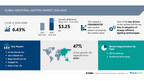
NEW YORK, Dec. 13, 2024 /PRNewswire/ — Report with market evolution powered by AI – The global industrial lighting market  size is estimated to grow by USD 3.25 billion from 2024-2028, according to Technavio. The market is estimated to grow at a CAGR of  6.43%  during the forecast period. Rise in adoption of energy-efficient lighting technologies is driving market growth, with a trend towards ongoing advancements in lighting technologies in industrial sector. However, high initial cost for industrial lighting solutions  poses a challenge. Key market players include Acuity Brands Inc., ams OSRAM AG, Bajaj Electricals Ltd., Dialight Plc, Eaton Corp. Plc, Emerson Electric Co., Fagerhult Group, General Electric Co., Glamox Group, Hubbell Inc., Iwasaki Electric Co. Ltd., Legrand SA, Mulinsen Co. Ltd., Panasonic Holdings Corp., RAB lighting Inc., Signify NV, TRILUX GmbH and Co. KG, Wipro Ltd., Wolfspeed Inc., and Zumtobel Group AG.

AI-Powered Market Evolution Insights. Our comprehensive market report ready with the latest trends, growth opportunities, and strategic analysis- View Free Sample Report PDF

Forecast period

2024-2028

Base Year

2023

Historic Data

2018 – 2022

Segment Covered

Type (LED technology and Traditional technology),
Application (New installation, Replacement
installation, and Retrofit installation), and
Geography (APAC, Europe, North America, South
America, and Middle East and Africa)

Region Covered

APAC, Europe, North America, South America,
and Middle East and Africa

Key companies profiled

Acuity Brands Inc., ams OSRAM AG, Bajaj
Electricals Ltd., Dialight Plc, Eaton Corp. Plc,
Emerson Electric Co., Fagerhult Group, General
Electric Co., Glamox Group, Hubbell Inc., Iwasaki
Electric Co. Ltd., Legrand SA, Mulinsen Co. Ltd.,
Panasonic Holdings Corp., RAB lighting Inc.,
Signify NV, TRILUX GmbH and Co. KG, Wipro
Ltd., Wolfspeed Inc., and Zumtobel Group AG

Key Market Trends Fueling Growth

The Industrial Lighting Market is experiencing significant trends with the increasing adoption of energy-efficient LED light sources. Companies like Dialight Group and Signify are leading this shift, offering LED modules and connected lighting solutions. Traditional lighting sources like Linear Fluorescent Lamps (LFL), Metal Halide Lamps (MHL), Incandescent Bulbs, and High-intensity Discharge (HIDs) are being replaced due to their high energy consumption and shorter lifespan. Public organizations are modernizing infrastructure with energy-efficient lighting innovations, such as LED technology. The penetration of LEDs in the market is on the rise, with SSL (Solid-state Lighting) becoming the preferred choice for its low energy consumption. The DOE’s Energy Star program is promoting the use of energy-efficient lighting solutions, while e-commerce marketplaces simplify logistics for buyers. Natural Gas (LNG) and electricity prices influence the market, making energy efficiency a priority. LEDinside reports in LED adoption, with data triangulation revealing a decline in sales of fluorescent light bulbs and halogen light bulbs. Installation types like spot lighting are also gaining popularity. The infrastructure development and urbanization drive the market’s growth, making it an exciting space for innovation. 

The industrial lighting market is undergoing significant transformation due to advancements in lighting technologies. Innovative solutions like smart lighting systems and connected lighting controls are leading this change. These systems offer enhanced capabilities through integrated sensors, wireless connectivity, and data-driven algorithms. They optimize energy efficiency and operational performance by dynamically adjusting lighting levels based on real-time occupancy data. For instance, a smart lighting system in a warehouse can save energy by adjusting illumination levels according to occupancy patterns. These advancements are revolutionizing industrial lighting, catering to modern industry’s dynamic needs. 

Insights on how AI is driving innovation, efficiency, and market growth- Request Sample!

Market Challenges

The Industrial Lighting Market is undergoing significant changes with the shift towards energy-efficient lighting solutions. Traditional lighting sources like Incandescent bulbs, Linear fluorescent lamps, and Metal halide lamps are being replaced by LED Lighting due to their low energy consumption and longer lifespan. Companies like Dialight Group and Signify are leading this transformation. However, challenges persist. The penetration of LEDs is hampered by the initial investment in LED modules and connected lighting solutions. Logistics and installation type are also critical factors. Public organizations are driving the modernization of infrastructure with energy-efficient lighting systems. The DOE’s SSL program and Energy Conservation efforts are pushing for the adoption of LED technology. Manufacturers like Dialight are offering innovative LED Lighting solutions, while LEDinside’s data triangulation reveals the growing importance of SSL in the market. HIDs, including Metal halide lamps and High-pressure Sodium lamps, continue to face competition from LEDs. Natural gas-powered LNG is an emerging trend in industrial lighting, offering cost savings in energy-intensive industries. The e-commerce market is also influencing the demand for energy-efficient lighting. Urbanization and Infrastructure Development are further boosting the market growth. Despite these opportunities, the industry faces challenges such as energy consumption, energy efficiency, and the phase-out of CFL and LFL. LED technology is the future, but the transition requires careful planning and execution.The industrial lighting market faces a notable challenge due to the substantial investment required for implementing advanced lighting solutions, such as LED and smart lighting systems. The high initial costs are primarily attributed to the expense of purchasing and installing industrial lighting fixtures and control systems. For instance, the costs for various types of fixtures and their installation range from USD75 for ceiling lights to USD6,500 for chandeliers. Although LED lighting offers energy efficiency and longevity benefits, its upfront cost is typically higher than traditional lighting technologies like incandescent or fluorescent lighting. This financial hurdle may hinder the market’s growth and adoption of advanced lighting technologies.

Insights into how AI is reshaping industries and driving growth- Download a Sample Report

Segment Overview

This industrial lighting market report extensively covers market segmentation by

Type 1.1 LED technology1.2 Traditional technologyApplication 2.1 New installation2.2 Replacement installation2.3 Retrofit installationGeography 3.1 APAC3.2 Europe3.3 North America3.4 South America3.5 Middle East and Africa

1.1 LED technology-  The global industrial lighting market is experiencing significant growth due to the increasing adoption of LED technology. LED components and LED-based luminaires are increasingly being used by end-users due to their energy-saving characteristics and decreasing costs. Japan’s energy crisis following the Fukushima nuclear disaster and the European Commission’s ban on low-voltage halogen lamps are major drivers of this trend. The LED industrial lighting market will primarily be driven by the replacement market during the forecast period. New industrial units in countries like Australia, European countries, and Asia, particularly China and South Korea, will also contribute to market growth due to a focus on energy efficiency. Additionally, the adoption of smart lighting products is expected to boost sales of LED lighting systems in the industrial sector. These factors will collectively fuel the growth of the LED technology segment in the global industrial lighting market.

Download complimentary Sample Report to gain insights into AI’s impact on market dynamics, emerging trends, and future opportunities- including forecast (2024-2028) and historic data (2018 – 2022) 

Research Analysis

The Industrial Lighting Market is experiencing significant growth due to the increasing adoption of energy-efficient lighting solutions, such as LED light sources. Traditional lighting technologies like Linear fluorescent lamps, Metal halide lamps, and Incandescent bulbs are being gradually replaced by LED modules due to their low energy consumption and longer lifespan. Public organizations are leading the way in this transition, with many implementing energy efficiency initiatives and adhering to regulations like Ecodesign. The penetration of LEDs in industrial lighting is on the rise, with Dialight Group’s ProSite LED floodlight being a notable offering. The shift to LEDs is also influenced by the rising energy prices and the availability of natural gas and electricity. Logistics and infrastructural development are also driving the demand for industrial lighting, with Signify being a key player in the market. Overall, the market for industrial lighting is expected to continue its growth trajectory, offering significant opportunities for companies and investors.

Market Research Overview

The Industrial Lighting Market is witnessing significant growth due to the widespread adoption of energy-efficient lighting solutions, such as LED Light Source, in various industries. Traditional lighting sources like Linear Fluorescent Lamps (LFL), Metal Halide Lamps (MHL), and Incandescent Bulbs are being gradually replaced with LEDs and SSL (Solid-state Lighting) due to their energy efficiency and longer lifespan. Public organizations are leading the modernization wave, with infrastructure development and urbanization driving the demand for energy-efficient lighting systems. LED modules and connected lighting solutions are the latest lighting innovations, offering customizable lighting experiences and energy savings. Natural gas and electricity prices are influencing the market dynamics, with some industries opting for natural gas-powered HIDs (High-intensity Discharge) for their energy efficiency. Logistics and e-commerce market are also adopting LED technology for their energy savings and low energy consumption. The DOE’s Energy Conservation Standards are further pushing the penetration of energy-efficient lighting solutions. LEDinside’s data triangulation reports indicate a steady increase in LED adoption across various industries. The market is expected to continue growing, with CFL, LFL, and HIDs gradually losing market share.

Table of Contents:

1 Executive Summary
2 Market Landscape
3 Market Sizing
4 Historic Market Size
5 Five Forces Analysis
6 Market Segmentation

TypeLED TechnologyTraditional TechnologyApplicationNew InstallationReplacement InstallationRetrofit InstallationGeographyAPACEuropeNorth AmericaSouth AmericaMiddle East And Africa

7 Customer Landscape
8 Geographic Landscape
9 Drivers, Challenges, and Trends
10 Company Landscape
11 Company Analysis
12 Appendix

About Technavio

Technavio is a leading global technology research and advisory company. Their research and analysis focuses on emerging market trends and provides actionable insights to help businesses identify market opportunities and develop effective strategies to optimize their market positions.

With over 500 specialized analysts, Technavio’s report library consists of more than 17,000 reports and counting, covering 800 technologies, spanning across 50 countries. Their client base consists of enterprises of all sizes, including more than 100 Fortune 500 companies. This growing client base relies on Technavio’s comprehensive coverage, extensive research, and actionable market insights to identify opportunities in existing and potential markets and assess their competitive positions within changing market scenarios.

Contacts

Technavio Research
Jesse Maida
Media & Marketing Executive
US: +1 844 364 1100
UK: +44 203 893 3200
Email: media@technavio.com
Website: www.technavio.com/

View original content to download multimedia:https://www.prnewswire.com/news-releases/industrial-lighting-market-to-grow-by-usd-3-25-billion-from-2024-2028–driven-by-energy-efficient-lighting-adoption-with-ai-reshaping-the-market—technavio-302330871.html

SOURCE Technavio

Continue Reading
Click to comment

Leave a Reply

Your email address will not be published. Required fields are marked *

Technology

As ADA Anniversary Approaches, University of Phoenix Survey Highlights AI’s Potential to Advance Accessibility in Work and Learning

Published

on

By

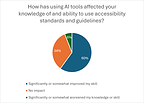
Survey conducted by The Harris Poll on behalf of University of Phoenix finds among those already using AI in the workplace, 60% say AI has improved their knowledge of and ability to use accessibility standards and guidelines.

PHOENIX, July 24, 2026 /PRNewswire/ — As artificial intelligence becomes part of how people work, learn and solve problems, a new University of Phoenix survey conducted by The Harris Poll finds that recent working learners see meaningful opportunities for AI to support accessibility. The survey was designed to understand the impact of AI in the workplace and learning environments on accessibility, defined as ensuring digital content, tools and resources, including AI tools and output, are usable by people with different abilities through inclusive design, use of assistive technology or conformance with accessibility standards, such as the Web Content Accessibility Guidelines (WCAG). The findings are being released ahead of the 36th anniversary of the Americans with Disabilities Act (ADA) on July 26.

The survey, conducted among 1,019 U.S. employed adults who completed a professionally presented training or school course in the past 12 months (“recent working learners”), found that, among workers already using AI in the workplace, 3 in 5 (60%) say AI has improved their knowledge of and ability to use accessibility standards and guidelines, including nearly 1 in 5 (19%) who report significant improvement. 

While the findings point to optimism about AI’s accessibility potential, they also reveal an opportunity for clearer organizational guidance: 45% of respondents say accessibility is absent from, unclear in, or they are uncertain whether it is covered by their workplace AI policies.

“The reality is that accessibility benefits everyone,” shares Kelly Hermann, Vice President of Accessibility and Student Affairs at University of Phoenix. “If accessibility is built in from the beginning, organizations are more likely to create AI-enabled environments that are universally usable. Clearer content, better summaries, accurate captions, and multiple formats can help workers and learners with disabilities, but they also help busy adults, multilingual learners, mobile users, and anyone trying to absorb information quickly.”

Key findings from the survey include:

Workers see AI’s accessibility potential: 89% of recent working learners identify workflows that could benefit from AI and accessibility tools, especially creating accessible documents, presentations, websites or learning materials (38%), presenting information in different formats such as plain language, audio, summaries or translations (33%), and training employees or learners on accessibility practices (30%).AI may help build accessibility awareness: Among those already using AI in the workplace, 60% say AI has improved their knowledge of and ability to use accessibility standards and guidelines.Accessibility is not always clear in workplace AI policies: 45% of recent working learners say accessibility is absent from, unclear in, or they are uncertain whether it is covered by their workplace AI policies.AI tools may not yet fully support different access needs: Among those who use workplace AI tools, only about a quarter of survey respondents (27%) say AI tools available through their workplace or professional learning environment support people with disabilities very well.Human oversight remains important: 36% of recent working learners say human review for important decisions or high-impact work should be part of responsible AI use at work or school.Workers also recognize how AI and accessibility can have an impact on their own career journey: 90% of recent working learners identify AI and accessibility skills that would be valuable in their current or desired career field, including 45% who see value in understanding when AI-generated content needs human review.

Why accessibility is essential to responsible AI adoption

As AI tools are used to draft documents, summarize information, generate captions and transcripts, create image descriptions, support learning and assist with workplace tasks, accessibility becomes central to responsible use. Poorly implemented AI can also create or amplify barriers, including inaccessible content, inaccurate summaries, biased outputs and tools that do not work effectively with assistive technologies.

“Responsible AI is not only about productivity,” Hermann said. “It is about whether the technology works for the people who need to use it. AI can help create more accessible materials and more flexible ways to engage with information, but it still requires clear policies, practical training and human judgment to make sure the outputs are accurate, applicable and usable.”

What the findings mean for employers and educators

The survey suggests that organizations have an opportunity to align AI adoption with supportive design, accessibility practices and workforce training. Employers and educators can take immediate steps by:

Naming accessibility directly in AI policies and guidance.Choosing AI tools with accessibility and assistive technology compatibility in mind.Training workers and learners to create, check and improve accessible AI-generated content.Making support pathways clear for people who experience barriers using AI tools.Keeping human review in place for important decisions, high-impact work and accessibility-sensitive outputs.

The survey also found workers want practical AI training. The most helpful resources identified by recent working learners include real-world examples from their field or industry (36%), hands-on practice using realistic workplace scenarios (34%) and step-by-step demonstrations of common tasks (33%).

Accessibility insights from University of Phoenix

Hermann shared the survey findings ahead of the ADA anniversary in recent media interviews. Hermann oversees the University’s accessibility initiative, including evaluation and remediation of curricular resources, the Center for Access, Resources, Engagement and Support Services (CARES), and the Office of Collaborative Learning and Educational Engagement. Her work focuses on fostering accessible and welcoming educational environments for students, faculty and staff.

Hermann’s office at University of Phoenix also convenes accessibility conversations through initiatives such as Access Amplified™, a free, annual virtual event focused on advancing digital accessibility in web development. The event brings together engineers, developers, designers, content authors and digital strategists for practical strategies and human-centered conversations that address the gap between coding practices and how users with assistive technology experience the web.

About the survey

The survey was conducted online within the United States by The Harris Poll on behalf of University of Phoenix from June 22–29, 2026, among 1,019 employed adults ages 18 and older who have taken a professionally presented training or a school course in the past 12 months, referred to as “recent working learners.” Data were weighted where necessary by age, gender, race/ethnicity, region, education, employment, marital status, household size, household income and smoking status to bring them in line with their actual proportions in the population.

Respondents for this survey were selected from among those who have agreed to participate in surveys. The sampling precision of Harris online polls is measured by using a Bayesian credible interval. For this study, the sample data is accurate to within +/- 3.8 percentage points using a 95% confidence level. This credible interval will be wider among subsets of the surveyed population of interest.

Review the complete survey at phoenix.edu/aiaccessibility.

About University of Phoenix

University of Phoenix is Built for Real Life. 50 Years Strong. The University innovates to help working adults enhance their careers and develop skills in a rapidly changing world through flexible online learning, relevant courses, academic AI pillars, and skills-mapped curriculum for associate, bachelor’s and master’s degree programs. Active students and alumni have access to Career Services for Life® resources including career guidance and tools. For more information, visit phoenix.edu. 

View original content to download multimedia:https://www.prnewswire.com/news-releases/as-ada-anniversary-approaches-university-of-phoenix-survey-highlights-ais-potential-to-advance-accessibility-in-work-and-learning-302834448.html

SOURCE University of Phoenix

Continue Reading

Technology

Mastech Digital to Announce Second Quarter 2026 Financial Results; Participate in Upcoming Investor Conference

Published

on

By

PITTSBURGH, July 24, 2026 /PRNewswire/ — Mastech Digital, Inc. (NYSE American: MHH) (“Mastech Digital”), a leading provider of Digital Transformation IT Services, today announced the date for the release of its financial results for the second quarter ended June 30, 2026, and its participation in an upcoming investor conference.

Second Quarter 2026 Earnings:

Mastech Digital will report its financial results for the second quarter 2026 before the market opens on Thursday, August 6, 2026. Management will host a live conference call and webcast at 9:00 a.m. Eastern Time on that day to discuss the Company’s financial performance and operating results.  The conference call will be hosted by Nirav Patel, President and CEO, and Kannan Sugantharaman, Chief Financial and Operations Officer.

Those wishing to participate via webcast should access the call through Mastech Digital’s Investor Relations website at https://investors.mastechdigital.com. Those wishing to participate via telephone may dial in at 1-800-715-9871 (USA) or 1-646-307-1963 (International) with the passcode 7506988. The replay will be available via webcast through Mastech Digital’s Investor Relations website.

Upcoming Investor Conference:

Mr. Sugantharaman will host a fireside chat at the Sidoti Micro-Cap Investor Conference on Wednesday, August 19, 2026, at 9:15 a.m. Eastern Time.

Mastech Digital management is scheduled to host virtual one-on-one and small group meetings with investors during the conference on August 19-20, 2026. Investors interested in arranging a meeting should contact their Sidoti representative or reach out to the Mastech Digital investor relations team at investors@mastechdigital.com.

About Mastech Digital, Inc.

Mastech Digital (NYSE American: MHH) is a leading provider of Digital Transformation IT Services. The Company offers Data Management, Analytics & AI Solutions, and IT Staffing Services with a digital-first approach. A minority-owned enterprise, Mastech Digital is headquartered in Pittsburgh, PA, with offices across the U.S., Canada, Europe, and India. Visit us at www.mastechdigital.com.

Investor Relations Contact:
investors@mastechdigital.com 


View original content to download multimedia:https://www.prnewswire.com/news-releases/mastech-digital-to-announce-second-quarter-2026-financial-results-participate-in-upcoming-investor-conference-302834421.html

SOURCE Mastech Digital, Inc.

Continue Reading

Technology

SOLAI Limited Announces Extraordinary General Meeting

Published

on

By

AKRON, Ohio, July 24, 2026 /PRNewswire/ — SOLAI Limited (NYSE: SLAI) (“SOLAI” or the “Company”) (previously known as “BIT Mining Limited”), a technology-driven personal AI and digital infrastructure provider, today announced that it will hold its extraordinary general meeting of shareholders at 428 South Seiberling Street, Akron, Ohio, US on August 14, 2026 at 10:00 a.m., New York time.

Holders of record of ordinary shares and preference shares of the Company at the close of business on July 20, 2026, New York time (the “Record Date”) are entitled to receive notice of, and to attend and vote at, the extraordinary general meeting or any adjournment thereof. Holders of the Company’s American Depositary Shares (“ADSs”) who wish to exercise their voting rights for the underlying ordinary shares must act through the depositary of the Company’s ADS program, Deutsche Bank Trust Company Americas.

The notice of the extraordinary general meeting, which sets forth the resolutions to be submitted to shareholder approval at the extraordinary general meeting is available on the Investor Relations section of the Company’s website at https://ir.solai.com

About SOLAI Limited

SOLAI Limited (previously known as “BIT Mining Limited”) (NYSE: SLAI) (previously traded under “BTCM”) is a technology-driven personal AI and digital infrastructure provider. Building upon its historical legacy in digital asset mining and blockchain network operations, the Company is leveraging extensive experience in large-scale hardware deployment, data center operations, and high-performance computing to build the foundational infrastructure for personal AI computing and digital asset ecosystems globally.

For more information:

SOLAI Limited
ir@solai.com
ir.solai.com
www.solai.com 

Christensen Advisory
Jason Ng
Tel: +852-2117-0861
Email: solai@christensencomms.com 


View original content:https://www.prnewswire.com/news-releases/solai-limited-announces-extraordinary-general-meeting-302834034.html

SOURCE SOLAI Limited

Continue Reading

Trending