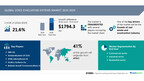
NEW YORK, Jan. 21, 2025 /PRNewswire/ — Report on how AI is redefining market landscape – The global voice evacuation systems market size is estimated to grow by USD 1.79 billion from 2025-2029, according to Technavio. The market is estimated to grow at a CAGR of 21.6% during the forecast period. Growth of real estate and construction industry is driving market growth, with a trend towards adoption of lot in building control systems. However, high initial cost of installation of voice sounder and loudspeakers poses a challenge. Key market players include ABB Ltd., AmbientSystem SP ZOO, ATEIS International SA, Audico Systems Oy, Baldwin Boxall Communications Ltd., Cofem SA, Eaton Corp plc, Hacousto Holland BV, Hochiki America Corp., Honeywell International Inc., Johnson Controls International Plc, Mircom Group of Co., NAFFCO FZCO, OPTIMUS SA, ORR Protection Systems Inc., Protec Fire and Security Group Ltd., Robert Bosch GmbH, Siemens AG, TOA Corp., and Zeta Alarms Ltd..
Key insights into market evolution with AI-powered analysis. Explore trends, segmentation, and growth drivers- View Free Sample PDF
Voice Evacuation Systems Market Scope
Report Coverage
Details
Base year
2024
Historic period
2019 – 2023
Forecast period
2025-2029
Growth momentum & CAGR
Accelerate at a CAGR of 21.6%
Market growth 2025-2029
USD 1794.3 million
Market structure
Fragmented
YoY growth 2022-2023 (%)
17.5
Regional analysis
APAC, North America, Europe, Middle East and Africa, and South America
Performing market contribution
APAC at 41%
Key countries
US, China, Germany, Russia, India, Canada, France, Japan, Saudi Arabia, and Brazil
Key companies profiled
ABB Ltd., AmbientSystem SP ZOO, ATEIS International SA, Audico Systems Oy, Baldwin Boxall Communications Ltd., Cofem SA, Eaton Corp plc, Hacousto Holland BV, Hochiki America Corp., Honeywell International Inc., Johnson Controls International Plc, Mircom Group of Co., NAFFCO FZCO, OPTIMUS SA, ORR Protection Systems Inc., Protec Fire and Security Group Ltd., Robert Bosch GmbH, Siemens AG, TOA Corp., and Zeta Alarms Ltd.
Market Driver
Voice evacuation systems, also known as voice alarm systems, are becoming increasingly popular as a modern safety solution for public facilities, commercial buildings, industrial facilities, educational institutions, and healthcare facilities. These systems use spoken messages to alert individuals in case of emergencies such as fire breakouts or unprecedented events. The trend towards voice evacuation systems is driven by the need for safe and efficient evacuation, awareness, and security in various sectors. Traditional fire alarm systems with horns or chimes are being replaced by these systems due to their ability to provide clear and concise instructions during emergencies. The adoption of voice evacuation systems is influenced by factors such as cost, building size, customization, and audio quality. Custom prefabricated messages and custom content can be programmed into the system, ensuring effective communication during emergencies. Professional installation services are necessary for the implementation of these systems, which may involve retrofitting existing buildings or integrating them with smart building technologies, elevators, and building management systems. The initial financial investment for voice evacuation systems includes hardware costs, necessary equipment, and professional installation services. Decision-making processes for potential clients consider the potential risks, fire incidents, and the importance of ensuring safety and wellbeing for individuals in their facilities. The convergence of voice evacuation systems with other safety solutions, such as fire safety solutions and communication protocols, is an industry shift that addresses interoperability issues and compatibility challenges. Critical infrastructure, such as private buildings, residential areas, public sector undertakings, industrial units, offices, airports, stadiums, and modern designs, all benefit from the implementation of voice evacuation systems. Social considerations, such as the ageing population, disabilities, and impairments, are also addressed through these systems, ensuring assistance and understanding of risks for all individuals. Innovative technologies and consumer requirements continue to drive the safety segment of the voice evacuation systems market, with ongoing research and development in the field. The voice evacuation system market is expected to grow significantly in the coming years, as more and more organizations prioritize safety and security in their buildings and public spaces.
The Internet of Things (IoT) has revolutionized building systems and safety equipment by enabling interconnected devices to exchange data over a network. Traditionally, voice evacuation systems have operated independently. However, the integration of IoT technology has significantly improved their functionality. This innovation enhances data and control management without requiring human intervention. Previously, voice alarm systems functioned autonomously, but advancements in technology have led to their embedding into existing systems. The development of mesh networks is expected to further support the connectivity of all devices, ensuring quick response and notification. By eliminating redundancy and enhancing reliability, IoT integration is a game-changer for voice evacuation systems.
Request Sample of our comprehensive report now to stay ahead in the AI-driven market evolution!
Market Challenges
Voice evacuation systems are essential safety solutions for public facilities, commercial buildings, industrial facilities, educational institutions, and healthcare facilities. These systems deliver spoken messages during emergencies like fire breakouts, unprecedented events, or other potential risks. Traditional fire alarm systems with horns or chimes have limitations, and voice evacuation systems offer a more effective way to ensure safe evacuation. However, challenges exist in adopting voice evacuation systems. Cost is a significant factor, with hardware costs and building size being key considerations. Complex zoning, customization, and audio quality also impact the initial financial investment. Custom prefabricated messages and custom content require professional skills for installation and design. Decision-making processes for potential clients include retrofitting existing buildings, considering smart building technologies, and understanding the building’s ecosystem. Interoperability issues with existing building technologies and communication protocols can pose compatibility challenges. Safety and wellbeing, corporate social responsibility, and strict safety laws drive the demand for evacuation systems. Modern designs, human footfall, and social considerations, such as ageing population, disabilities, and impairments, necessitate innovative technologies that cater to consumer requirements. Voice evacuation systems offer seamless communication, real-time monitoring, and building automation systems integration, including elevators. The industry shift towards convergence and interoperability is crucial for the adoption of these systems in various sectors, including private buildings, residential areas, public sector undertakings, industrial units, government, and the commercial sector.Voice evacuation systems are essential safety features in residential, commercial, and industrial sectors. In smaller buildings and residential properties, the cost of voice evacuation systems primarily consists of hardware installation expenses, with minimal costs for setup and maintenance. However, in large-scale commercial establishments like healthcare facilities, educational institutions, and hotels, the procurement and installation costs are substantial due to the higher number of systems required. In the commercial sector, regulatory compliance necessitates the installation of automated emergency alarms and voice evacuation systems. The costs associated with these systems include hardware, installation, and ongoing maintenance expenses.
Discover how AI is revolutionizing market trends- Get your access now!
Segment Overview
This voice evacuation systems market report extensively covers market segmentation by
End-user 1.1 Commercial sector1.2 Industrial sector1.3 Residential sectorType 2.1 Voice sounders2.2 Loudspeakers2.3 Emergency microphones2.4 Networked and wireless systemGeography 3.1 APAC3.2 North America3.3 Europe3.4 Middle East and Africa3.5 South AmericaCommunication
1.1 Commercial sector- The commercial sector is expected to lead the global voice evacuation systems market due to stringent safety regulations and heightened user awareness. This trend is driven by increasing foreign investment and construction activity in emerging economies, particularly in the Middle East and Africa. In mature markets like the US and Europe, growth will primarily come from system upgrades and software integration. However, compatibility and interoperability challenges with existing control systems pose a significant hurdle for vendors. The Middle East, with its growing tourism industry and commercial hubs like Dammam in Saudi Arabia, presents significant opportunities for market expansion. The retail sector, specifically in Dammam, is set to witness significant growth, with projects like Al-Rehab contributing to the market’s growth trajectory.
Download a Sample of our comprehensive report today to discover how AI-driven innovations are reshaping competitive dynamics
Research Analysis
Voice evacuation systems, also known as voice alarm systems, are essential components of a building’s ecosystem, particularly in public facilities and structures. These systems are designed to provide clear and concise spoken messages during emergency situations, such as fire breakouts or unprecedented events. They complement traditional fire alarm systems by providing instructions and calming messages to help evacuate buildings safely and efficiently. Public facilities, private buildings, residential areas, public sector undertakings, industrial units, government institutions, and even new age constructions are increasingly adopting voice evacuation systems as a crucial safety measure. The systems are activated by detectors and deliver preloaded messages through a voice alarm, often replacing the use of a horn or chime. The voice evacuation system plays a significant role in ensuring safety and wellbeing during emergencies. It is a responsibility of corporate social responsibility and adherence to strict safety laws. The construction industry is increasingly focusing on integrating these systems into new buildings, recognizing their importance in protecting people’s lives and minimizing panic during emergency situations. The professional skills required to install, maintain, and operate these systems are essential to ensure their effectiveness.
Market Research Overview
Voice evacuation systems, also known as voice alarm systems, are essential safety solutions designed to ensure safe evacuation of individuals in public facilities and buildings during fire breaks or unprecedented events. These systems deliver spoken messages through a public address system to alert and guide people to safety, reducing panic and ensuring a swift and orderly evacuation. The market for voice evacuation systems is growing as awareness of safety and security in public spaces increases. Commercial buildings, industrial facilities, educational institutions, and healthcare facilities are major adopters of these systems due to the potential risks of fire incidents and the need for evacuation systems. Traditional alarm systems, such as horns or chimes, have limitations in effectively communicating complex instructions during emergencies. Voice evacuation systems offer customizable messages, custom content, and high-quality audio, making them a preferred choice for modern designs and new age buildings. The decision-making process for potential clients includes considering the necessary equipment, professional installation services, and initial financial investment. Existing buildings may require retrofitting, and the convergence of voice evacuation systems with smart building technologies, such as building management, real-time monitoring, and seamless communication, is an industry shift. The adoption of voice evacuation systems is driven by safety and wellbeing, corporate social responsibility, and strict safety laws. The systems are also essential for critical infrastructure, such as airports, stadiums, and other high-human-footfall areas, and offer assistance for individuals with disabilities and impairments. The voice evacuation system market faces challenges, including interoperability issues with existing building technologies, proprietary technologies, and communication protocols, as well as the cost of hardware and customization. However, the benefits of these systems, such as real-time monitoring, building automation systems, and elevators, make them a worthwhile investment for ensuring safety and security in various sectors.
Table of Contents:
1 Executive Summary
2 Market Landscape
3 Market Sizing
4 Historic Market Size
5 Five Forces Analysis
6 Market Segmentation
End-userCommercial SectorIndustrial SectorResidential SectorTypeVoice SoundersLoudspeakersEmergency MicrophonesNetworked And Wireless SystemGeographyAPACNorth AmericaEuropeMiddle East And AfricaSouth AmericaCommunication
7 Customer Landscape
8 Geographic Landscape
9 Drivers, Challenges, and Trends
10 Company Landscape
11 Company Analysis
12 Appendix
About Technavio
Technavio is a leading global technology research and advisory company. Their research and analysis focuses on emerging market trends and provides actionable insights to help businesses identify market opportunities and develop effective strategies to optimize their market positions.
With over 500 specialized analysts, Technavio’s report library consists of more than 17,000 reports and counting, covering 800 technologies, spanning across 50 countries. Their client base consists of enterprises of all sizes, including more than 100 Fortune 500 companies. This growing client base relies on Technavio’s comprehensive coverage, extensive research, and actionable market insights to identify opportunities in existing and potential markets and assess their competitive positions within changing market scenarios.
Contacts
Technavio Research
Jesse Maida
Media & Marketing Executive
US: +1 844 364 1100
UK: +44 203 893 3200
Email: media@technavio.com
Website: www.technavio.com/
View original content to download multimedia:https://www.prnewswire.com/news-releases/voice-evacuation-systems-market-to-grow-by-usd-1-79-billion-2025-2029-boosted-by-real-estate–construction-growth-report-on-ais-impact-on-trends—technavio-302355582.html
SOURCE Technavio









 Technology2 days ago
 Technology5 days ago

 Technology4 days ago
 Technology5 days ago

 Technology4 days ago
 Technology4 days ago