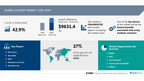
NEW YORK, Feb. 10, 2025 /PRNewswire/ — Report with market evolution powered by AI – The global chatbot market size is estimated to grow by USD 9.6 billion from 2025-2029, according to Technavio. The market is estimated to grow at a CAGR of 42.9% during the forecast period. Several benefits associated with using chatbots solutions is driving market growth, with a trend towards integration of chatbots with communication channels. However, lack of awareness and standardization of chatbot services poses a challenge. Key market players include 247.ai Inc., Acuvate, Aivo, Amazon.com Inc., Avaamo Inc., Botsify, Conversica Inc., Creative Virtual Ltd., eGain Corp., Google LLC, Inbenta Holdings Inc., International Business Machines Corp., Kore.ai Inc., Meta Platforms Inc., Microsoft Corp., OpenAI L.L.C., Oracle Corp., ServiceNow Inc., Teneo, and Zoom Video Communications Inc..
Key insights into market evolution with AI-powered analysis. Explore trends, segmentation, and growth drivers- View Free Sample PDF
Chatbot Market Scope
Report Coverage
Details
Base year
2024
Historic period
2019 – 2023
Forecast period
2025-2029
Growth momentum & CAGR
Accelerate at a CAGR of 42.9%
Market growth 2025-2029
USD 9631.4 million
Market structure
Fragmented
YoY growth 2022-2023 (%)
31.1
Regional analysis
North America, APAC, Europe, South America, and Middle East and Africa
Performing market contribution
APAC at 37%
Key countries
US, China, UK, Canada, Brazil, Germany, Japan, India, Spain, and UAE
Key companies profiled
247.ai Inc., Acuvate, Aivo, Amazon.com Inc., Avaamo Inc., Botsify, Conversica Inc., Creative Virtual Ltd., eGain Corp., Google LLC, Inbenta Holdings Inc., International Business Machines Corp., Kore.ai Inc., Meta Platforms Inc., Microsoft Corp., OpenAI L.L.C., Oracle Corp., ServiceNow Inc., Teneo, and Zoom Video Communications Inc.
Market Driver
The chatbot market is experiencing significant growth with trends like Generative models and Natural Language Processing (NLP) taking center stage. OpenAI’s GPT-4 and AI advancements are driving the development of self-learning chatbots and LLMs. Chatbot solutions are being adopted by various industries including IT and ITeS, Telecom, Healthcare, and Financial organizations. Audio/voice bots and messaging facilities are becoming popular for customer service activities. NLP technology helps chatbots understand customer intent and prompt relevant answers. Open AI chatbot, standalone and website chatbots, and messenger applications are transforming customer experience touchpoints. AI and NLP software applications are enabling virtual assistants to provide instant service and actionable insights. Consumer analytics and recommendation algorithms are enhancing online shopping interaction and in-store purchases. Chatbot developers are focusing on integrating voice recognition and messaging services on social networking sites. Enterprises are leveraging chatbots for handling customer queries and leads, mobile alerts, updates, and nearby stores opening hours and contact information. Chatbot technology is revolutionizing customer service by providing correct information around the clock, reducing the workload on customer service employees, and improving overall customer experience.
Chatbots have become an essential component of omnichannel communication strategies, enabling businesses to engage with customers on various platforms. Microsoft Bot Connector, a communication service, facilitates this integration by linking bots with channels like Skype, email, and more. The widespread use of the internet, digitalization, and mobile devices have transformed interactions between people and companies. For instance, Meta (Facebook)-owned messaging apps, Messenger and WhatsApp, send 60 billion messages daily, surpassing the number of global SMS messages. Facebook’s significant user base in the chatbot sector allows users to receive bank notifications from institutions like Bank of America and order food from businesses such as Burger King.
Request Sample of our comprehensive report now to stay ahead in the AI-driven market evolution!
Market Challenges
The chatbot market is experiencing significant growth due to advancements in AI technology, particularly generative models and Natural Language Processing (NLP). OpenAI’s ChatGPT and GPT-4 are leading the way with their advanced conversational experiences. However, challenges remain for chatbot developers, including integrating self-learning capabilities, supervised machine learning, and NLP technology to accurately understand and respond to customer intent. IT and ITeS, telecom, healthcare, financial organizations, grocery outlets, and other industries are adopting chatbot solutions to enhance customer service activities. Messaging facilities on platforms like WhatsApp, WeChat, Facebook Messenger, and messenger applications are driving this trend. Audio/voice bots and standalone chatbots are popular choices for enterprises looking to handle customer queries outside of working hours. Chatbot developers are also leveraging consumer analytics and recommendation algorithms to provide actionable insights and improve user experience. AI and NLP software applications are transforming virtual assistants into intelligent customer experience touchpoints, prompting relevant answers to user queries and providing instant service. Market requirements include integrating voice recognition, SMS, and APIs to create a seamless user experience. In the chatbot industry, AI language tools like ChatGPT are revolutionizing conversational experiences across various messaging channels and social networking sites. Organizations are using chatbots to generate leads, facilitate in-store purchases, and provide mobile alerts and updates. However, challenges remain, such as ensuring correct information and handling complex customer queries. Chatbot solutions must continue to evolve to meet market requirements and provide a positive user experience.The chatbot market faces significant challenges, including low awareness and standardization of chatbot services in developing countries like Brazil and India. These regions lack sufficient IT infrastructure and vendor penetration, resulting in limited knowledge about chatbot technology. Security concerns, such as privacy and data protection, also hinder market growth, raising valid concerns among potential users. These factors collectively restrict revenue generation in the global chatbot market.
Discover how AI is revolutionizing market trends- Get your access now!
Segment Overview
This chatbot market report extensively covers market segmentation by
End-userRetailBFSIGovernmentTravel And HospitalityOthersProductSolutionsServicesGeographyNorth AmericaAPACEuropeSouth AmericaMiddle East And Africa
1.1 Retail- The retail industry is experiencing significant growth in the adoption of chatbots, particularly in the e-commerce sector. Major players like Amazon, Flipkart, Alibaba, and Snapdeal are integrating chatbots to improve customer experience during online product searches. These chatbots facilitate quick and effective resolution of payment-related queries, enhancing overall service levels. Retailers face the challenge of providing an efficient shopping experience on mobile platforms, as shoppers increasingly prefer mobile devices. Brands such as Swiggy and Goibibo have launched chatbot features to cater to this trend. AI-integrated chatbots offer immense potential in both e-commerce and brick-and-mortar stores. By analyzing customer purchase behavior and preferences, chatbots can provide personalized product recommendations. Integration into e-commerce platforms and availability 24/7 make chatbots an indispensable tool for retailers, driving market growth during the forecast period.
Download a Sample of our comprehensive report today to discover how AI-driven innovations are reshaping competitive dynamics
Research Analysis
The chatbot market is experiencing significant growth due to advancements in generative models and natural language processing (NLP) technology. GPT-4, a new generation of language models, is revolutionizing the way chatbots understand and respond to user queries. Self-learning chatbots use AI technology to improve their responses based on user interactions, providing more accurate and prompt relevant answers. Messaging facilities have become the new customer service touchpoints for various industries, including financial organizations and grocery outlets. NLP software applications enable chatbots to understand user intent and provide personalized solutions. Open AI chatbots, such as ChatGPT, are leading the way in consumer analytics and virtual assistance, enhancing the overall customer experience. APIs allow for seamless integration of chatbots into existing systems, making them an essential tool for businesses looking to streamline their customer service activities.
Market Research Overview
The chatbot market is experiencing significant growth due to advancements in generative models and natural language processing (NLP) technology. GPT-4, the latest AI model, is revolutionizing chatbot solutions by enabling self-learning and understanding context. NLP technology is the backbone of these chatbots, allowing them to understand customer intent and prompt relevant answers. Chatbot solutions are not limited to text-based interactions. Audio/voice bots are gaining popularity, especially in IT and ITeS, telecom, healthcare, and financial organizations. Messaging facilities on messenger applications like WhatsApp, WeChat, and Facebook Messenger have become essential customer service touchpoints. AI and NLP software applications are transforming industries, from customer service activities in enterprises to grocery outlets and financial organizations. Consumer analytics provides actionable insights, enabling personalized recommendations and leads. Chatbot developers are creating standalone chatbots and website chatbots, integrating voice recognition and recommendation algorithms. Instant service through chatbots is becoming a must-have for online shopping interactions, product selections, and mobile alerts. Organizations are leveraging chatbots to handle customer queries, reducing the workload on customer service employees and improving customer experience. Messaging services and social networking sites are essential channels for these chatbots, providing 24/7 service and correct information to customers.
Table of Contents:
1 Executive Summary
2 Market Landscape
3 Market Sizing
4 Historic Market Size
5 Five Forces Analysis
6 Market Segmentation
End-userRetailBFSIGovernmentTravel And HospitalityOthersProductSolutionsServicesGeographyNorth AmericaAPACEuropeSouth AmericaMiddle East And Africa
7 Customer Landscape
8 Geographic Landscape
9 Drivers, Challenges, and Trends
10 Company Landscape
11 Company Analysis
12 Appendix
About Technavio
Technavio is a leading global technology research and advisory company. Their research and analysis focuses on emerging market trends and provides actionable insights to help businesses identify market opportunities and develop effective strategies to optimize their market positions.
With over 500 specialized analysts, Technavio’s report library consists of more than 17,000 reports and counting, covering 800 technologies, spanning across 50 countries. Their client base consists of enterprises of all sizes, including more than 100 Fortune 500 companies. This growing client base relies on Technavio’s comprehensive coverage, extensive research, and actionable market insights to identify opportunities in existing and potential markets and assess their competitive positions within changing market scenarios.
Contacts
Technavio Research
Jesse Maida
Media & Marketing Executive
US: +1 844 364 1100
UK: +44 203 893 3200
Email: media@technavio.com
Website: www.technavio.com/
View original content to download multimedia:https://www.prnewswire.com/news-releases/chatbot-market-to-grow-by-usd-9-6-billion-from-2025-2029–benefits-of-chatbot-solutions-boosting-revenue-ai-impact-on-market-landscape—technavio-302371957.html
SOURCE Infiniti Research, Inc.










 Coin Market5 days ago
 Technology4 days ago

 Coin Market5 days ago

 Technology5 days ago
 Near Videos4 days ago