Technology
Global Dimethyl Carbonate Market to Reach USD 2.15 Bn. by 2034 as Battery Electrolyte Demand, EV Growth and High-Purity Solvent Applications Accelerate Market Expansion, says Maximize Market Research
Published
45 minutes agoon
By
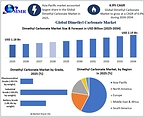
PUNE, India, Sept. 30, 2026 /PRNewswire/ — The Global Dimethyl Carbonate Market was valued at USD 1.18 Billion in 2025 and is projected to expand at a CAGR of 6.9% from 2026 to 2034, reaching USD 2.15 Billion by 2034, according to a new analysis by Maximize Market Research.
Global Dimethyl Carbonate Market
The Global Dimethyl Carbonate Market Report 2025 provides a detailed analysis of market trends, battery-grade DMC demand, lithium-ion battery applications, polycarbonate production, solvent consumption, raw material trends, competitive strategies, and forecasts through 2034. Dimethyl Carbonate is widely used as a green solvent, chemical intermediate, methylating agent, and electrolyte solvent. Its importance is increasing in lithium-ion batteries, where DMC is blended with other carbonate solvents to support electrolyte performance. Demand is also growing across polycarbonate synthesis, paints and coatings, pharmaceuticals, agrochemicals, electronics, and specialty chemicals. As manufacturers look for lower-toxicity and more environmentally preferable chemical solutions, DMC is becoming increasingly important across both traditional chemical applications and emerging battery value chains.
The Global Dimethyl Carbonate Market is growing as lithium-ion battery production, electric vehicle adoption, energy storage deployment, polycarbonate demand, and specialty chemical manufacturing expand worldwide. Global electric car sales exceeded 17 million units in 2024, while EV battery demand surpassed 950 GWh, increasing by more than 25% from 2023. This growth is creating stronger demand for high-purity DMC used in battery electrolyte formulations. Asia Pacific remains the leading regional market, supported by strong battery, electronics, and chemical manufacturing across China, Japan, South Korea, India, and Southeast Asia. Battery-grade DMC is gaining particular importance as manufacturers seek high-purity carbonate solvents for advanced lithium-ion batteries and energy storage systems.
Innovation in the Dimethyl Carbonate Market is increasingly being shaped by battery-grade production, high-purity solvent technology, supply-chain localization, and new capacity investments. Leading companies are expanding production facilities and developing DMC for electric vehicle batteries, energy storage, and electronics applications. UBE Corporation is developing a major DMC and EMC facility in Louisiana with planned annual capacity of 100,000 tonnes of DMC and 40,000 tonnes of EMC. Haike Xinyuan has also strengthened its battery-solvent supply through cooperation with BYD Lithium Battery, while Balaji Amines continues to expand its battery-chemical portfolio and electronic-grade DMC capabilities. Growing investment in battery manufacturing, electrolyte production, and localized chemical supply chains is expected to create new opportunities through 2034.
Get Full PDF Sample Copy of Report: (Including Full TOC, List of Tables & Figures, Chart) @ https://www.maximizemarketresearch.com/request-sample/114977/
The Global Dimethyl Carbonate Market is entering a stronger growth phase as battery electrolytes, electric vehicles, energy storage, and sustainable chemical applications increase demand for high-purity DMC. Battery manufacturers are placing greater emphasis on reliable electrolyte solvents, while chemical producers are expanding capacity to support growing regional supply chains. At the same time, DMC continues to gain importance in polycarbonates, electronics, coatings, and specialty chemicals. Maximize Market Research highlights the key trends shaping the market through 2034.
Global Dimethyl Carbonate Market Size & Forecast
Parameter
Value
Market Size (Base Year 2025)
USD 1.18 Billion
Forecast Market Size (2034)
USD 2.15 Billion
CAGR (2026–2034)
6.9 %
Base Year
2025
Forecast Period
2026–2034
Historical Period
2020–2025
Global Dimethyl Carbonate Market Trends & Insights
Battery-grade Dimethyl Carbonate is becoming increasingly important as lithium-ion battery manufacturers require high-purity electrolyte solvents for electric vehicles, consumer electronics, and energy storage systems. DMC is widely blended with other carbonate solvents in electrolyte formulations, and the battery electrolyte application is projected to grow at an 8.32% CAGR through 2031, highlighting the rising importance of battery-grade material.Electric vehicle growth is strengthening demand for high-purity DMC across the battery value chain. Global electric car sales exceeded 17 million units in 2024, while EV battery demand surpassed 950 GWh, increasing by more than 25% from 2023. This expanding battery ecosystem is supporting greater use of DMC in electrolyte formulations for EV batteries and other advanced rechargeable battery systems.Regional battery supply-chain localization is becoming a major market trend. UBE Corporation is developing a large DMC and EMC manufacturing facility in Louisiana with planned annual production capacity of 100,000 tonnes of DMC and 40,000 tonnes of EMC. The project reflects growing efforts to strengthen domestic battery-material supply and reduce dependence on imported electrolyte solvents.High-purity production and quality control are becoming more critical as battery manufacturers tighten technical requirements. Battery-grade DMC generally requires purity levels above 99.9%, making moisture control, impurity management, purification technology, and consistent batch quality increasingly important. Suppliers that can maintain stringent quality standards are better positioned to serve advanced lithium-ion battery applications.Asia Pacific remains the leading region in the Global Dimethyl Carbonate Market, supported by its strong chemical manufacturing base, lithium-ion battery production, electronics industry, and polycarbonate demand. China is the major contributor, while Japan and South Korea remain important markets for advanced battery and electronics applications. India and Southeast Asia are also expanding chemical and battery manufacturing capacity, supporting additional DMC demand.
Global Dimethyl Carbonate Market Dynamics
Rising Battery-Grade DMC Demand Drives Market Growth
The rapid growth of lithium-ion batteries, electric vehicles, consumer electronics, and energy storage systems is a major driver of the Global Dimethyl Carbonate Market. DMC is increasingly used as a high-purity electrolyte solvent in lithium-ion battery formulations. The battery electrolyte application is projected to grow at an 8.32% CAGR through 2031, supporting stronger demand for battery-grade DMC across expanding EV and battery manufacturing supply chains.
Feedstock Price Volatility Restrains Market Growth
The Dimethyl Carbonate Market remains exposed to fluctuations in the prices of methanol, carbon dioxide, and other feedstocks. Energy consumption, production technology, and purification requirements can further influence manufacturing costs. This is especially important for battery-grade DMC, where high purity, low moisture, and strict metal-ion specifications require additional processing and quality control, putting pressure on producer margins.
Battery Supply-Chain Expansion Creates New Opportunities
Growing investment in battery gigafactories, electrolyte production, and localized battery-material supply chains is creating new opportunities for DMC producers. UBE Corporation’s planned Louisiana facility is designed to produce 100,000 tonnes of DMC and 40,000 tonnes of EMC annually, supporting the regional battery ecosystem. Expanding demand for high-purity carbonate solvents is encouraging closer partnerships between DMC suppliers and battery manufacturers.
High-Purity Requirements Create Market Challenges
Battery manufacturers require DMC with very strict quality standards, creating challenges around purification, moisture control, contamination prevention, and batch consistency. Even small amounts of impurities can affect electrolyte performance and battery reliability. As advanced lithium-ion batteries increasingly use battery-grade DMC with purity above 99.9%, producers must invest in more precise manufacturing and quality-control systems while keeping costs competitive.
Get Insightful Data on Regions, Market Segments, Customer Landscape, and Top Companies (Charts, Tables, Figures and More) https://www.maximizemarketresearch.com/request-sample/114977/
Global Dimethyl Carbonate Market Segmentation
The Global Dimethyl Carbonate Market is segmented by Grade, Application, End User, and Region. Rising demand for battery-grade DMC, lithium-ion battery electrolytes, polycarbonate synthesis, specialty solvents, pharmaceuticals, electronics, and lower-toxicity chemical solutions is supporting market development across these segments.
Segmentation
Sub-Segments
By Grade
Battery Grade (>99.9% by weight); Industrial Grade (>99.0% by weight); Pharmaceutical Grade (>99.5% by weight)
By Application
Polycarbonate Synthesis; Battery Electrolyte; Solvents; Reagents; Others
By End User
Automotive; Electronics; Pharmaceutical; Paints and Coatings; Chemical; Others
By Region
North America; Europe; Asia Pacific; Middle East & Africa; South America
Asia Pacific Leads the Global Dimethyl Carbonate Market as Battery Manufacturing, Chemical Production, and Electronics Demand Support Regional Growth
Asia Pacific is the leading region in the Global Dimethyl Carbonate Market, supported by strong lithium-ion battery manufacturing, electronics production, chemical processing, and polycarbonate demand across China, Japan, South Korea, India, and Southeast Asia. China remains the major contributor because of its large battery-cell, electrolyte, and chemical manufacturing base. Japan and South Korea continue to support demand through advanced battery and electronics applications, while India and Southeast Asian countries are expanding chemical and battery production capacity. Recent market estimates place Asia Pacific at around 57.5% of global DMC revenue in 2025, although reported shares vary across market studies.
North America is becoming increasingly important in the Dimethyl Carbonate Market as electric vehicle production, energy storage systems, and domestic battery manufacturing expand. The region is also seeing stronger investment in localized battery-material supply chains to reduce dependence on imported electrolyte solvents. UBE Corporation’s Louisiana facility is designed to produce 100,000 tonnes of DMC and 40,000 tonnes of EMC annually, supporting the growing U.S. battery and electrolyte ecosystem.
Europe remains an established market for Dimethyl Carbonate, supported by automotive manufacturing, battery investments, electronics, polycarbonate production, and demand for lower-impact chemical alternatives. The region’s shift toward electric mobility is increasing the importance of battery-grade DMC, while traditional uses in solvent applications and chemical processing continue to support demand. Growing interest in sustainable chemicals is also encouraging wider use of DMC as a lower-toxicity alternative in selected industrial applications.
South America represents a developing Dimethyl Carbonate Market, with demand linked mainly to chemical processing, paints and coatings, plastics, and other industrial applications. Brazil remains an important industrial base in the region, while increasing electrification and interest in battery supply chains could gradually strengthen demand for battery-grade DMC. Future growth will depend on industrial investment, local manufacturing capacity, and expansion of downstream battery and chemical applications.
The Middle East & Africa Dimethyl Carbonate Market is at an earlier stage of development but is supported by petrochemical activity, chemical processing, coatings, and broader industrial investment. Expanding downstream chemical production and infrastructure development are creating opportunities for DMC as a solvent and chemical intermediate. Demand may also increase as regional manufacturers look for more efficient and environmentally preferable chemical solutions.
Leading Companies Strengthen the Global Dimethyl Carbonate Market
UBE Corporation, Mitsubishi Chemical Corporation, LOTTE Chemical Corporation, Merck KGaA, Shinghwa Advanced Material Group Co., Ltd., Guangzhou Tinci Materials Technology Co., Ltd., Shandong Haike Chemical Group Co., Ltd., Asahi Kasei Corporation, Mitsui Chemicals, Inc., BASF SE, Huntsman Corporation, and other major players are strengthening their position in the Global Dimethyl Carbonate Market through capacity expansion, battery-grade product development, high-purity solvent production, and supply-chain localization. Companies are investing in DMC for battery electrolytes, polycarbonate synthesis, electronics, coatings, and specialty chemical applications as demand rises for high-purity and lower-toxicity chemical solutions.
Global Dimethyl Carbonate Market Competitive Landscape
The Global Dimethyl Carbonate Market is shaped by product purity, production cost, feedstock access, manufacturing scale, technical quality, regional supply strength, and the ability to serve battery, chemical, electronics, and plastics customers. Competition is increasingly moving toward battery-grade DMC, where purity above 99.9%, low moisture content, contamination control, and consistent quality are becoming critical. Recent developments from UBE Corporation, Haike Xinyuan, BYD Lithium Battery, and Balaji Amines show how strongly the market is shifting toward battery-electrolyte applications and localized supply chains. Companies that can combine high-purity production, reliable supply, competitive pricing, advanced purification, and regional manufacturing are strengthening their position in the global market.
Immediate Delivery Available | Buy this Research Report (Insights, Charts, Tables, Figures and More) https://www.maximizemarketresearch.com/checkout/114977/
Dimethyl Carbonate Market – Key Players
UBE CorporationMitsubishi Chemical CorporationLOTTE Chemical CorporationMerck KGaAKowa American CorporationKishida Chemical Co., Ltd.Shandong Shida Shenghua Chemical Group Co., Ltd.Guangzhou Tinci Materials Technology Co., Ltd.Shandong Haike Chemical Group Co., Ltd.Arrow Chemical Group CorporationPanax EtecHenan GP Chemicals Co., Ltd.Wego Chemical GroupAceto CorporationAlfa Aesar (Thermo Fisher Scientific)Connect ChemicalsSilver Fern ChemicalsHefei TNJ Chemical Industry Co., Ltd.Kingdun Chemical Co., Ltd.Tokyo Chemical Industry Co., Ltd.Qingdao Aspirit Chemical Co., Ltd.Asahi Kasei CorporationSABICKuraray Co., Ltd.Mitsui Chemicals, Inc.BASF SEHuntsman CorporationShinghwa Advanced Material Group Co., Ltd.Dongying Hi-Tech Spring Chemical Industry Co., Ltd.Shandong Depu Chemical Industry Science & Technology Co., Ltd.Shandong Wells Chemicals Co., Ltd.Tongling Jintai Chemical Co., Ltd.Shandong Feiyang Chemical Co., Ltd.Tangshan Chaoyang Chemical Co., Ltd.Shandong Hualu Hengsheng Group Co., Ltd.Eastern Hope GroupYulin Yunhua Green Energy Co., Ltd.Shanxi Zhongke Huian Chemical Co., Ltd.Liaoning Oxiranchem, Inc.Jiangsu Sailboat Petrochemical Co., Ltd.
Access Full Summary: https://www.maximizemarketresearch.com/market-report/global-dimethyl-carbonate-market/114977/
Frequently Asked Questions:
1. Which region has the largest Global Dimethyl Carbonate Market share?
Ans: The Asia Pacific region held the highest share in 2025.
2. What was the Global Dimethyl Carbonate Market size in 2025?
Ans: The Global Dimethyl Carbonate Market size was USD 1.18 Billion in 2025.
3. What is the scope of the Global Dimethyl Carbonate market report?
Ans: The Global Dimethyl Carbonate Market report helps with the PESTEL, PORTER, and COVID-19 Impact analysis, Recommendations for Investors and leaders, and market estimation for the forecast period.
4. Who are the key players in the Global Dimethyl Carbonate market?
Ans: The key players in the Global Dimethyl Carbonate Market are Ube Industries Limited, Merck KGaA, Kowa American Corporation, Kishida Chemical Co. Limited, Shandong Shida Shenghua Chemical Group Co. Limited and Others.
5. What is the study period of this market?
Ans: The Global Dimethyl Carbonate Market is studied from 2025 to 2034.
Analyst Perspective
Analysts see the Global Dimethyl Carbonate Market entering a steady growth phase, supported by rising lithium-ion battery production, electric vehicle adoption, polycarbonate demand, and wider use of environmentally preferable solvents. Battery-grade DMC is becoming increasingly important as manufacturers require high-purity electrolyte solvents for EVs, electronics, and energy storage systems. At the same time, feedstock price volatility, strict purity requirements, and production costs remain key challenges. Through 2034, opportunities are expected from battery-grade DMC, localized supply chains, new production capacity, advanced purification technologies, and growing demand across battery electrolytes, electronics, coatings, and specialty chemical applications.
Related Reports:
Lithium Ion Battery Market by Type, by Application, by Material , by Capacity , by Voltage , – Global Forecast to 2034.
Oxygenated Solvents Market by Source, by Type, by Application, – Global Forecast to 2034.
Bio-Solvents Market by Product, by Application, Global Forecast to 2034.
Waterborne Coatings Market by Resin Type, by Application, Global Forecast to 2034.
Polycarbonate Market by Product by Grade by Application Global Forecast to 2034.
Specialty Chemical Market by Type, End-Use, and Region – Global Forecast to 2034.
Ethylene Carbonate Market by Form, Application, End-User, and Region – Global Forecast to 2034.
About Maximize Market Research – Global Dimethyl Carbonate Market
Maximize Market Research is a global market research and business consulting firm providing data-driven insights across the Chemical & Material, battery materials, specialty chemicals, solvents, electric vehicles, energy storage, electronics, plastics, and related sectors. Its Global Dimethyl Carbonate Market research covers battery-grade, industrial-grade, and pharmaceutical-grade DMC, battery electrolytes, polycarbonate synthesis, solvents, reagents, automotive, electronics, pharmaceuticals, paints and coatings, chemical applications, high-purity production, raw material trends, regional demand, capacity expansion, competitive strategies, and emerging battery-material supply chains, helping businesses understand market changes and identify new growth opportunities through 2034.
Helium Market 2025–2032: Sustaining Global Innovation Through MRI Cooling, Semiconductor Fabrication, and Aerospace Growth – MMR Statistics
MMR Statistics is a part of Maximize Market Research, developed to provide quick access to market size, industry data, forecasts, trends, and statistical insights across a wide range of sectors. It presents research data in multiple formats, making it easier for businesses, analysts, and decision-makers to use market intelligence for presentations, strategy, benchmarking, and business planning.
Non-Thermal Pasteurization Market: Global Industry Analysis and Forecast 2026-2034 – Stellar Market Research
Stellar Market Research is a strategic partner of Maximize Market Research, providing global and region-wise market research reports across multiple industries. Its research focuses on market trends, competitive developments, regional opportunities, industry dynamics, and growth outlooks, complementing Maximize Market Research with broader market coverage and region-specific business intelligence.
Contact:
Lumawant Godage
MAXIMIZE MARKET RESEARCH PVT. LTD.
+91 96073 65656
Email: sales@maximizemarketresearch.com
Visit Our Web Site: https://www.maximizemarketresearch.com/
View original content to download multimedia:https://www.prnewswire.co.uk/news-releases/global-dimethyl-carbonate-market-to-reach-usd-2-15-bn-by-2034-as-battery-electrolyte-demand-ev-growth-and-high-purity-solvent-applications-accelerate-market-expansion-says-maximize-market-research-302894510.html
You may like
Technology
Global Battery Electrolyte Market to Reach USD 50.98 Bn. by 2034 as EV Expansion, Grid-Scale Energy Storage and Next-Generation Battery Technologies Accelerate Demand Maximize Market Research Reports
Published
45 minutes agoon
September 30, 2026By
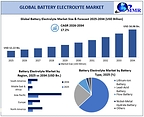
PUNE, India, Sept. 30, 2026 /PRNewswire/ — The Global Battery Electrolyte Market was valued at USD 12.22 Billion in 2025 and is projected to expand at a CAGR of 17.2% from 2026 to 2034, reaching USD 50.98 Billion by 2034, according to a new analysis by Maximize Market Research.
Global Battery Electrolyte Market
The Global Battery Electrolyte Market Report 2025 provides a detailed analysis of market trends, lithium-ion battery demand, electrolyte consumption, electric vehicle production, energy storage deployment, raw material trends, competitive strategies, and forecasts through 2034. Battery electrolytes are essential to rechargeable batteries because they enable ion movement and directly affect charging efficiency, battery life, thermal stability, and safety. The market is expanding beyond conventional liquid electrolytes as manufacturers explore gel electrolytes, solid electrolytes, advanced lithium salts, specialty solvents, and additives. Battery producers are also working with electrolyte suppliers to improve fast-charging capability, energy density, temperature performance, and cycle life. Demand remains strong across electric vehicles, consumer electronics, energy storage systems, industrial equipment, and telecommunications.
The Global Battery Electrolyte Market is growing as electric vehicle production, lithium-ion battery manufacturing, renewable energy deployment, and grid-scale storage expand worldwide. Global EV battery deployment reached 1.2 TWh in 2025, rising by almost 30% from 2024, while EVs represented more than 70% of total battery deployment. Battery storage additions also reached 108 GW in 2025, supporting demand for liquid electrolytes, lithium salts, solvents, additives, and advanced electrolyte materials. Electric vehicles remain the largest application area, while energy storage systems are becoming increasingly important for renewable energy integration, grid balancing, and backup power. Demand for faster charging, longer cycle life, improved thermal stability, and higher energy density is further shaping electrolyte development.
Innovation in the Battery Electrolyte Market is being driven by solid-state batteries, sulfide electrolytes, high-voltage formulations, fast-charging technologies, advanced additives, localized manufacturing, and improved battery safety. Leading companies are investing in new electrolyte plants, pilot production lines, advanced materials, and next-generation battery technologies. Shenzhen Capchem Technology is expanding manufacturing in Malaysia and the United States, while Solid Power is advancing sulfide electrolyte production for solid-state batteries. Mitsui Kinzoku is supporting all-solid-state battery commercialization, and Mitsubishi Chemical is using advanced electrolyte design and AI-based research to improve battery performance. Continued investment in electric mobility, energy storage, battery manufacturing, and localized supply chains is expected to create new opportunities through 2034.
Get Full PDF Sample Copy of Report: (Including Full TOC, List of Tables & Figures, Chart) @ https://www.maximizemarketresearch.com/request-sample/24456/
The Global Battery Electrolyte Market is entering a stronger growth phase as electric vehicles, energy storage, and renewable power increase demand for advanced battery systems. Fast-charging and solid-state technologies are pushing manufacturers toward safer electrolytes with longer cycle life, higher energy density, and better thermal performance. Localized battery production is also strengthening regional supply chains. Maximize Market Research highlights the key trends shaping the market through 2034.
Global Battery Electrolyte Market Size & Forecast
Parameter
Value
Market Size (Base Year 2025)
USD 12.22 Billion
Forecast Market Size (2034)
USD 50.98 Billion
CAGR (2026–2034)
17.2 %
Base Year
2025
Forecast Period
2026–2034
Historical Period
2020–2025
Global Battery Electrolyte Market Trends & Insights
Solid-state electrolyte development is gaining momentum as battery manufacturers look for safer batteries with higher energy density, better thermal stability, and longer operating life. Companies are advancing sulfide and other solid electrolyte technologies to support the commercialization of all-solid-state batteries, creating new opportunities for next-generation electrolyte materials.Electric vehicle battery expansion continues to reshape electrolyte demand. Global EV battery deployment reached 1.2 TWh in 2025, rising by almost 30% from 2024, while EVs accounted for more than 70% of total battery deployment. This growth is supporting higher consumption of liquid electrolytes and related materials across passenger vehicles, electric two-wheelers, and commercial EVs.Grid-scale energy storage is becoming an increasingly important demand source for the Battery Electrolyte Market. Global battery storage additions reached 108 GW in 2025, with around 80% of new capacity deployed at utility scale. Growing renewable energy integration is increasing the need for electrolytes that can support longer cycle life, improved safety, and reliable performance in large-scale storage systems.Localized electrolyte manufacturing and regional supply-chain expansion are becoming more important. Shenzhen Capchem Technology expanded its production footprint through projects in Malaysia and the United States, reflecting growing efforts to bring battery-material production closer to EV and energy-storage manufacturing centers. Local supply is becoming increasingly important for reducing logistics risk and strengthening battery supply-chain security.Asia Pacific remains the leading region in the Global Battery Electrolyte Market, supported by large-scale lithium-ion battery production, electric vehicle manufacturing, consumer electronics, and energy storage deployment. China accounted for more than 80% of global battery cell production in 2025, while Japan and South Korea continue to support market development through advanced battery technologies and solid-state battery research.
Global Battery Electrolyte Market Dynamics
Rapid EV and Energy Storage Expansion Drives Market Growth
The rapid expansion of electric vehicles and battery energy storage systems is a major driver of the Global Battery Electrolyte Market. Global EV battery deployment reached 1.2 TWh in 2025, while battery storage additions reached 108 GW. This growth is increasing demand for liquid electrolytes, lithium salts, solvents, additives, and other advanced electrolyte materials used across EVs, renewable energy storage, consumer electronics, and industrial battery systems.
Raw Material Price Volatility Restrains Market Growth
The Battery Electrolyte Market remains exposed to fluctuations in the prices and availability of lithium salts, solvents, and specialty additives. Lithium hexafluorophosphate was priced at USD 6,672 per metric ton in China and USD 8,120 per metric ton in the U.S. in September 2025. Rising raw material, energy, logistics, and supply-chain costs can increase production expenses and put pressure on electrolyte manufacturers and battery producers.
Advanced Electrolytes and Energy Storage Create New Opportunities
The growth of renewable energy storage is creating new opportunities for advanced electrolyte technologies. Around 80% of new battery storage capacity added in 2025 was deployed at utility scale, increasing the need for safer batteries with longer cycle life and better thermal performance. Solid electrolytes, sulfide electrolytes, fast-charging formulations, high-voltage systems, and advanced additives are gaining attention as manufacturers develop next-generation batteries for EV and grid-storage applications.
Changing Battery Chemistries Create Market Challenges
Battery manufacturers are demanding faster charging, higher energy density, longer operating life, and improved thermal safety, creating technical challenges for electrolyte suppliers. Formulations must perform reliably across different temperatures, charging conditions, and battery chemistries while remaining cost competitive. LFP batteries accounted for around 90% of global battery-storage deployments in 2025, highlighting how quickly chemistry preferences can change and requiring suppliers to continuously adapt their electrolyte technologies.
Get Insightful Data on Regions, Market Segments, Customer Landscape, and Top Companies (Charts, Tables, Figures and More) https://www.maximizemarketresearch.com/request-sample/24456/
Global Battery Electrolyte Market Segmentation
The Global Battery Electrolyte Market is segmented by Electrolyte Type, Battery Type, Material, Application, and Region. Rising demand for lithium-ion batteries, electric vehicles, energy storage systems, advanced battery materials, and safer high-performance battery technologies is supporting market development across these segments.
Segmentation
Sub-Segments
By Electrolyte Type
Liquid Electrolyte; Gel Electrolyte; Solid Electrolyte
By Battery Type
Lithium-Ion Battery; Lead-Acid Battery; Flow Battery; Nickel-Metal Hydride Battery; Others
By Material
Lithium Salts; Solvents; Additives; Sulfuric Acid; Other Materials
By Application
Electric Vehicles; Consumer Electronics; Energy Storage Systems; Industrial Equipment; Telecommunications; Other Applications
By Region
North America; Europe; Asia Pacific; Middle East & Africa; South America
Asia Pacific Leads the Global Battery Electrolyte Market as Battery Manufacturing, EV Production, and Energy Storage Support Regional Growth
Asia Pacific is the leading region in the Global Battery Electrolyte Market, supported by large-scale lithium-ion battery production, electric vehicle manufacturing, consumer electronics, and expanding energy storage deployment across China, Japan, South Korea, India, and Southeast Asia. China remains the major contributor and accounted for more than 80% of global battery cell production in 2025, creating a strong ecosystem for electrolyte suppliers, lithium salts, solvents, additives, and other battery materials. Japan and South Korea continue to support market growth through advanced battery technologies, electrolyte manufacturing, and solid-state battery research, while India is attracting increasing investment in EVs, battery manufacturing, and renewable energy storage.
North America remains an important Battery Electrolyte Market, supported by rising electric vehicle production, lithium-ion battery manufacturing, renewable energy storage, and domestic battery supply-chain investment. The United States is the major regional market, with growing investment in battery plants, EV manufacturing, and stationary energy storage systems. Demand for fast-charging, high-energy-density, and safer batteries is also encouraging the development of advanced electrolyte formulations and localized production.
Europe continues to expand its position in the Global Battery Electrolyte Market as EV adoption, battery gigafactories, renewable energy storage, and automotive electrification increase across Germany, France, Sweden, and other European countries. The region is also placing greater emphasis on battery safety, supply-chain localization, and sustainable battery production. These priorities are supporting demand for advanced liquid electrolytes, specialty additives, and next-generation solid electrolyte technologies.
South America is gradually strengthening its Battery Electrolyte Market through rising electric mobility, renewable energy development, battery storage, and consumer electronics demand. Brazil is a key regional market because of its automotive base and clean-energy investments, while lithium resources in Chile and Argentina support the broader battery value chain. Expanding solar and wind power deployment is also creating new opportunities for battery storage and related electrolyte materials.
The Middle East & Africa Battery Electrolyte Market is developing as investment increases in solar power, wind energy, battery energy storage systems, electric mobility, and backup power infrastructure. Large-scale renewable energy projects in the Middle East are supporting demand for lithium-ion batteries, while African markets are adopting off-grid solar systems, telecommunications backup batteries, and distributed energy storage. These developments are creating long-term opportunities for electrolyte suppliers across the region.
Leading Companies Strengthen the Global Battery Electrolyte Market
Shenzhen Capchem Technology Co., Ltd., Tinci Materials Technology Co., Ltd., Mitsubishi Chemical Group Corporation, UBE Corporation, Central Glass Co., Ltd., Soulbrain Co., Ltd., Enchem Co., Ltd., LG Chem Ltd., BASF SE, Guotai Huarong New Chemical Materials Co., Ltd., and other major players are strengthening their position in the Global Battery Electrolyte Market through production expansion, advanced electrolyte development, solid-state battery research, and localized manufacturing. Companies are investing in lithium-ion battery electrolytes, high-voltage and fast-charging formulations, solid electrolytes, specialty additives, and regional supply networks to meet growing demand from EVs, consumer electronics, and energy storage systems.
Global Battery Electrolyte Market Competitive Landscape
The Global Battery Electrolyte Market is shaped by electrolyte performance, battery compatibility, safety, pricing, raw material access, R&D capability, production capacity, and the ability to serve battery manufacturers across different regions. Competition is moving beyond conventional liquid electrolytes as companies invest in solid-state electrolytes, sulfide materials, high-voltage formulations, fast-charging technologies, and advanced additives. Recent developments from Capchem, Mitsui Kinzoku, Solid Power, and Mitsubishi Chemical show how strongly the market is shifting toward next-generation battery materials and localized supply chains. Companies that can combine technical performance, reliable supply, cost competitiveness, advanced R&D, and regional manufacturing are continuing to strengthen their position in the global market.
Immediate Delivery Available | Buy this Research Report (Insights, Charts, Tables, Figures and More) https://www.maximizemarketresearch.com/checkout/24456/
Global Battery Electrolyte Market Key Players:
Shenzhen Capchem Technology Co., Ltd.Guangzhou Tinci Materials Technology Co., Ltd.Enchem Co., Ltd.Soulbrain Co., Ltd.Dongwha Electrolyte Co., Ltd.Mitsubishi Chemical Group CorporationUBE CorporationCentral Glass Co., Ltd.Guotai Huarong New Chemical Materials Co., Ltd.Idemitsu Kosan Co., Ltd.SmoothwayShida Shinghwa Advanced Material Group Co., Ltd.Zhejiang Yongtai Technology Co., Ltd.LG Chem Ltd.BASF SESolvay SAArkema SADaikin Industries, Ltd.Mitsui Chemicals, Inc.Mitsui Kinzoku Company, LimitedSumitomo Chemical Co., Ltd.Stella Chemifa CorporationNippon Shokubai Co., Ltd.Tosoh CorporationJSR CorporationKanto Chemical Co., Inc.American ElementsNEI CorporationTargray Technology International Inc.UmicoreMerck KGaAHuntsman CorporationLotte Chemical CorporationNingbo Shanshan Co., Ltd.Do-Fluoride New Materials Co., Ltd.Solid Power, Inc.Green E OriginAsahi Kasei CorporationToray Industries, Inc.Tokyo Chemical Industry Co., Ltd.
Access Full Summary: https://www.maximizemarketresearch.com/market-report/global-battery-electrolyte-market/24456/
Frequently Asked Questions:
1] What segments are covered in the Global Battery Electrolyte Market report?
Ans. The segments covered in the Battery Electrolyte Market report are based on Battery Type, Electrolyte Type, End-User.
2] Which region is expected to hold the highest share in the Global Battery Electrolyte Market?
Ans. The Asia Pacific region is expected to hold the highest share in the Battery Electrolyte Market.
3] What is the market size of the Global Battery Electrolyte Market by 2032?
Ans. The market size of the Battery Electrolyte Market by 2034 is expected to reach USD 50.98 Bn.
4] What is the forecast period for the Global Battery Electrolyte Market?
Ans. The forecast period for the Battery Electrolyte Market is 2026-2034.
5] What was the Global Battery Electrolyte Market size in 2025?
Ans: The Global Battery Electrolyte Market size was USD 12.22 Billion in 2025.
Analyst Perspective
Analysts see the Global Battery Electrolyte Market entering a strong growth phase, driven by rising electric vehicle production, expanding energy storage systems, and continued lithium-ion battery manufacturing. Liquid electrolytes remain dominant, while solid electrolytes, advanced lithium salts, solvents, and additives are gaining importance for safer batteries, faster charging, longer cycle life, and better performance. Raw material price volatility and changing battery chemistries remain key challenges. Through 2034, opportunities are expected from solid-state batteries, fast-charging technologies, grid-scale storage, localized manufacturing, and advanced electrolyte materials.
Related Reports:
Electrolyte Powder Market by Type, Formulation, Ingredient Type, Application, Distribution Channel, and Region – Global Forecast to 2034.
Lithium-Ion Battery Recycling Market by Source, Industry, Chemistry, Technology, and Region – Global Forecast to 2034.
Cathode Materials Market by Type, Material, End-Use, and Region – Global Forecast to 2034.
Battery Coating Market by Battery Component, Material Type, and Region – Global Forecast to 2034.
Lithium Fluoride Market by Application, Type, Product Type, End-Use, and Region – Global Forecast to 2034.
Battery Additives Market by Type, Material, End-Use, and Region – Global Forecast to 2034.
LiFSI for Lithium Battery Electrolytes Market by Grade, Purity, Application, End-User, and Region – Global Forecast to 2034.
About Maximize Market Research – Global Battery Electrolyte Market
Maximize Market Research is a global market research and business consulting firm providing data-driven insights across the Chemical & Material, battery materials, electric vehicles, energy storage, lithium-ion batteries, specialty chemicals, solid-state batteries, and related sectors. Its Global Battery Electrolyte Market research covers liquid electrolytes, gel electrolytes, solid electrolytes, lithium salts, solvents, additives, lithium-ion batteries, lead-acid batteries, flow batteries, electric vehicles, consumer electronics, energy storage systems, industrial equipment, telecommunications, battery safety, fast-charging technologies, solid-state electrolyte development, regional demand, raw material trends, competitive strategies, and emerging battery technologies, helping businesses understand market changes and identify new growth opportunities through 2034.
Paraffin Market 2025–2032: Industrial Manufacturing Expansion, Packaging Demand, and High-Purity Wax Applications Growth – MMR Statistics
MMR Statistics is a part of Maximize Market Research, developed to provide quick access to market size, industry data, forecasts, trends, and statistical insights across a wide range of sectors. It presents research data in multiple formats, making it easier for businesses, analysts, and decision-makers to use market intelligence for presentations, strategy, benchmarking, and business planning.
Global Carbon Steel Tubes Market 2026–2032 Infrastructure Expansion, Energy Demand, and Advances in Seamless & Welded Tube Manufacturing – Stellar Market Research
Stellar Market Research is a strategic partner of Maximize Market Research, providing global and region-wise market research reports across multiple industries. Its research focuses on market trends, competitive developments, regional opportunities, industry dynamics, and growth outlooks, complementing Maximize Market Research with broader market coverage and region-specific business intelligence.
Contact:
Lumawant Godage
MAXIMIZE MARKET RESEARCH PVT. LTD.
+91 96073 65656
Email: sales@maximizemarketresearch.com
Visit Our Web Site: https://www.maximizemarketresearch.com/
View original content to download multimedia:https://www.prnewswire.com/news-releases/global-battery-electrolyte-market-to-reach-usd-50-98-bn-by-2034-as-ev-expansion-grid-scale-energy-storage-and-next-generation-battery-technologies-accelerate-demand-maximize-market-research-reports-302894415.html
SOURCE Maximize Market Research Pvt. Ltd.
Technology
Patriot Consulting Launches Free ISOC Cost Evaluation and Agentic MXDR365 Operations for Microsoft’s New Integrated Security Operations Center
Published
45 minutes agoon
September 30, 2026By
Microsoft 365 E5 and E7 customers get a tenant-specific answer on ISOC economics, plus seven MXDR365 agents and playbooks to run it 24×7
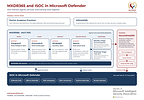
IRVINE, Calif., Sept. 30, 2026 /PRNewswire/ — Patriot Consulting, a Microsoft Solutions Partner for Security with Microsoft Verified Managed XDR solution status, today announced a free ISOC Cost Evaluation for Microsoft 365 E5 and E7 organizations adopting the newly announced Integrated Security Operations Center (ISOC) in Microsoft Defender. ISOC brings SIEM capabilities into the Microsoft Defender portal as a benefit of Microsoft 365 E5 and E7, including 90 days of Defender data retention starting November 15, 2026, and a $2.40 per GB ingestion meter for non-Microsoft data starting October 1, 2026.
A Benefit, Not a Product: Why the Math Matters
As Patriot explains in its analysis, ISOC in Microsoft Defender: Not a New Product, a New E5 and E7 Benefit, whether ISOC lowers cost depends on the tenant. The new meter is 44% below Sentinel’s $4.30 per GB pay-as-you-go list price. Existing Sentinel customers can opt in starting November 15, 2026, but doing so gives up the current E5 benefit of up to 5 MB of free ingestion per user per day, and organizations that already tier high-volume logs to the Sentinel data lake may already be optimized.
The ISOC Cost Evaluation compares each organization’s licensing, log volumes, and current tiering against ISOC’s retention and ingestion pricing, then delivers a tenant-specific recommendation.
“Patriot Consulting is thrilled to announce a complimentary ISOC assessment,” said Rick Cox, President of Patriot Consulting. “We will crunch the numbers and provide expert guidance for the quickest deployment path. We guarantee a quote in 24 hours, and we can often leverage Microsoft funding and discounts to offset our consulting fees.”
Agentic MXDR365 Operations on ISOC
Patriot’s MXDR365 24×7 managed detection and response service runs on Microsoft Defender XDR and Microsoft Sentinel and includes proprietary agents and automated playbooks that put ISOC’s shared signals and context to work:
MXDR365 Vanguard, a threat intelligence agent that gathers public threat intelligence feeds from dozens of sources.MXDR365 Overwatch, a threat hunting agent that takes the baton from Vanguard and builds targeted threat hunts.MXDR365 Hindsight, a log ingestion latency detection agent that re-runs detection rules over the gap periods that ingestion delays create.MXDR365 Sentry, a deep analysis agent that runs a multi-pivot investigation, historical review, and adversarial verification against its own conclusion before it calls anything real. More coverage, less noise.MXDR365 Automated Identity Triage, a deterministic playbook that retrieves third-party OSINT on relevant indicators of compromise, compares it to historical data, and completes automated identity remediation in about one minute.MXDR365 Phishing Triage Agent, which examines user-reported phishing emails for signs of user interaction, then performs automated remediation.MXDR365 Minuteman, a local AI agent designed to protect against frontier model refusals. Read more in Your Right to a Local LLM for Self Defense.
“ISOC puts analysts and agents on the same signals and context in one place, and that is where our agents do their best work,” said Zach Moore, Vice President of MXDR365 at Patriot Consulting. “Vanguard and Overwatch turn fresh intelligence into targeted hunts, Hindsight closes ingestion blind spots, and Sentry challenges its own conclusion before it escalates anything.”
In Microsoft’s September 23 announcement, Rob Lefferts, Corporate Vice President, Microsoft Threat Protection, wrote: “Security operations and native protection must function as one system.”
Beyond the SOC
Patriot pairs MXDR365 with three offerings that extend the value of ISOC:
SecureShield365, Patriot’s proactive security configuration hardening service, turns lessons learned from SOC investigations into hardened Microsoft Defender XDR configurations.AIShield365, Patriot’s newest solution, is designed to reduce risk through AI governance.Patriot Academy Premium offers live, instructor-led training on the latest Microsoft Defender XDR and Sentinel best practices.
Availability
Patriot’s ISOC Cost Evaluation is available now at no cost to Microsoft 365 E5 and E7 organizations (or anyone who wants help to understand if an upgrade to E5 or E7 will be cost justified to benefit from ISOC). Click here to request an ISOC Cost Evaluation.
About Patriot Consulting
Patriot Consulting Technology Group is one of the top Microsoft Security Partners in the United States. Each year we help an average of 4 million users deploy Microsoft Security technology. We focus 100% on securely deploying Microsoft Cloud technology with an emphasis on knowledge transfer—this empowers our clients to feel confident about both their security and investments in the Microsoft platform.
View original content to download multimedia:https://www.prnewswire.com/news-releases/patriot-consulting-launches-free-isoc-cost-evaluation-and-agentic-mxdr365-operations-for-microsofts-new-integrated-security-operations-center-302895050.html
SOURCE Patriot Consulting Technology
Technology
Researchers Find Pets May be One of the Most Powerful Wellbeing Tools for Solo Agers
Published
45 minutes agoon
September 30, 2026By
New Mather Institute Study Provides Insights into How Pet Ownership Can Dramatically Elevate Physical, Psychological and Social Wellbeing
EVANSTON, Ill., Sept. 30, 2026 /PRNewswire/ — As the population of solo agers continues to grow and face risks of loneliness and isolation, pets are proving to serve as a vital, nontraditional support system to help improve healthspan and wellbeing.
A new study from Mather Institute provides evidence that older adults who are solo aging (i.e. who live alone and don’t regularly have family or friends to support them) may benefit from owning pets. Specifically, these pet-owning solo agers reported a range of benefits related to physical activity, wellbeing and healthspan, or the length of time a person is in good health and has a good quality of life, with some of the strongest differences observed among dog owners.
Pet ownership supports independence and bridges gaps in social connection, purpose and emotional support older adults often encounter. A key finding from the online survey of 900 solo agers aged 55 and better is how their pets help counter social isolation and loneliness.
Older adults aging alone are a fast-growing segment of the population, putting them at risk for loneliness and isolation. As adults age, their daily social connections and support systems can shrink as children build families of their own or friends move away. According to the U.S. Census Bureau, among individuals aged 65 to 74, 27% of women and 21% of men live solo, and these numbers soar to 43% and 24%, respectively, for those 75 and better. The Centers for Disease Control and Prevention reports that loneliness can increase a person’s risk for heart disease, depression and anxiety, dementia and earlier death.
Survey participant key findings:
Nearly half said pets help reduce loneliness, while a third said pets lead to more social interactions through activities such as daily walks and regular outdoor time.76% reported improved emotional wellbeing, 62% reported reduced stress and 45% reported increased physical activity.Participants said pets enrich daily life, providing a greater sense of purpose and structure.
Regular physical activity is one of the strongest predictors of healthspan, by preserving cardiovascular fitness, muscle strength and mobility. Strong social relationships are also a powerful determinant of healthspan, linked to lower morality risk, slower biological aging and improved mental health.
“One of the things this research reminds us is that healthspan is about more than medical care,” said Jennifer Smith, vice president of Mather Institute. “Social connection, purpose and physical activity can make a world of difference – and pets can help support all three. Even a 10-minute walk with your dog can create opportunities to be active and connect with others. For many, pets also provide companionship and emotional support. We hope this report highlights the meaningful role a furry friend can play in aging well.”
Other notable findings from the pets and solo aging report include:
Dog owners reported the highest physical activity, scoring 42% higher than pet-free adults. Many cat owners describe frequent short bursts of movement, including feeding, play sessions and household routines, that encourage healthy daily habits.Solo agers without pets averaged the lowest weekly activity, highlighting how pets create opportunities for daily movement.Dog owners aged 55 to 64 reported fewer symptoms of depression and better overall wellbeing compared to cat owners.For those aged 75 and better, cat owners reported lower levels of depressive symptoms compared to their dog-owning peers.
“Having my two fur babies not only gives me joy but allows me to not feel alone,” said BrendaLea Abbott, 66, a Mather community programs participant. “Without them, I would be outside much less and would not have the connection with next-door neighbors or people strolling in my neighborhood. Even when my fur babies are not with me, they connect me to others as I purchase food, treats and toys and strike up conversations with pet owners in the pet store.”
The report also reveals age-related challenges pet owners face, including financial stress, time commitment and backup care worries. Drawing on these findings, Mather Institute recommends practical ways to enhance resources for older adults who choose pet companionship, including:
Designate trusted caregivers or shelters for emergency pet care. Community-based foster programs can provide short- or long-term solutions, ensuring pets are safe when owners face health crises.Choose the right pets that match energy levels, size and temperament of the pet owner’s lifestyle and health.Find volunteer-based programs that provide practical, hands-on help, from walking pets to assisting with vet visits.
The pets and solo aging study is just one of a series of studies conducted by Mather Institute to advance wellbeing and healthspan. Additional research topics have included the benefits of gardening for older adults, Generation X in the workplace and aging well across cultures.
To download this year’s full pets and solo aging report, visit MatherInstitute.com.
Mather has a free monthly online pet club for adults 55 and better where attendees discuss pet-related topics and learn new tips. For more information and to join, visit Mather.com. FOR CHICAGO ONLY: Chicago residents 55 and better can join Mather’s free PAW Packs program, which delivers monthly pet food directly to their doorstep. Since August 2025, Mather has donated more than 102,000 pounds to 1,600 older adult pet owners at no cost. For more information and to register, visit Mather.com.
About Mather
Based in Evanston, Illinois, Mather is a not-for-profit organization founded in 1941 that is dedicated to a vision of changing the way society views older adults. Mather creates Ways to Age WellSM through programs, places and residences for today’s older adults. These include developing and operating communities that support older adults in pursuing wellness and fulfillment; sparking creativity and connections for older adults in Chicagoland and beyond; and through Mather Institute, conducting research and incubating innovation to help all live and age well.
View original content to download multimedia:https://www.prnewswire.com/news-releases/researchers-find-pets-may-be-one-of-the-most-powerful-wellbeing-tools-for-solo-agers-302895051.html
SOURCE Mather
Global Battery Electrolyte Market to Reach USD 50.98 Bn. by 2034 as EV Expansion, Grid-Scale Energy Storage and Next-Generation Battery Technologies Accelerate Demand Maximize Market Research Reports
Patriot Consulting Launches Free ISOC Cost Evaluation and Agentic MXDR365 Operations for Microsoft’s New Integrated Security Operations Center
Researchers Find Pets May be One of the Most Powerful Wellbeing Tools for Solo Agers
Send Rakhi to UK swiftly with UK Gifts Portal
Whiteboard Series with NEAR | Ep: 45 Joel Thorstensson from ceramic.network
New Gooseneck Omni Antennas Offer Enhanced Signals in a Durable Package
Why You Should Build on #NEAR – Co-founder Illia Polosukhin at CV Labs
Whiteboard Series with NEAR | Ep: 45 Joel Thorstensson from ceramic.network
NEAR End of Year Town Hall 2021: The Open Web World, MetaBUILD 2 Hackathon and 2021 recap
Trending
-
Near Videos5 days agoYour data is everywhere. Your AI could bring it together.
-
Technology5 days agoFDIC Appoints Sunwest Bank as Nano Banc’s Acquiring Institution
-
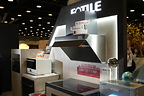
Technology5 days agoFOTILE Showcases Next-Generation Kitchen Innovations at IDS Vancouver 2026
-
Coin Market4 days agoRiot Platforms repays $200M credit facility, releases collateral
-
Coin Market4 days agoKalshi loses appeal, setting up potential Supreme Court case
-
Coin Market5 days agoCFTC sues Cash FX, alleges $950M crypto-linked forex scheme
-
Technology5 days agoTecpinion Launches Sweepstakes Industry Analysis Report 2026, Covering Market Insights, Growth, Regulation, Technology and Industry Future
-
Technology4 days agoUniversity of Phoenix research recognized as Editor’s Choice paper by Glacies