Technology
Mindfulness Meditation Application Market size is set to grow by USD 1.48 billion from 2023-2027, Increase in mental illness to boost the market growth, Technavio
Published
2 years agoon
By
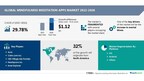
NEW YORK, July 15, 2024 /PRNewswire/ — The global mindfulness meditation application market size is estimated to grow by USD 1.48 billion from 2023-2027, according to Technavio. The market is estimated to grow at a CAGR of 30.01% during the forecast period. Increase in mental illness is driving market growth, with a trend towards touch input and advanced sensor technologies drive health app innovations. However, need to comply with regulations poses a challenge. Key market players include Aura, Calm.com Inc., CBZ Village des Pruniers, Headspace Inc., Humm.ly Inc., Inner Explorer, Insight Network Inc., Meditation Moments BV, Meditation Oasis, MindApps AB, Mindfulness Everywhere, Mindvalley Inc., Portal Labs Ltd., Simple Habit Inc., Smiling Mind Pty Ltd., Ten Percent Happier Inc., UCLA Health, Waking Up LLC, Welzen, and Yedi70 Software and Information Technologies Inc..
Get a detailed analysis on regions, market segments, customer landscape, and companies – Click for the snapshot of this report
Forecast period
2023-2027
Base Year
2022
Historic Data
2017 – 2021
Segment Covered
End-user (Individual and Corporate ), Platform (Android, iOS, and Others ), and Geography (North America, Europe, APAC, South America, and Middle East and Africa)
Region Covered
North America, Europe, APAC, South America, and Middle East and Africa
Key companies profiled
Aura, Calm.com Inc., CBZ Village des Pruniers, Headspace Inc., Humm.ly Inc., Inner Explorer, Insight Network Inc., Meditation Moments BV, Meditation Oasis, MindApps AB, Mindfulness Everywhere, Mindvalley Inc., Portal Labs Ltd., Simple Habit Inc., Smiling Mind Pty Ltd., Ten Percent Happier Inc., UCLA Health, Waking Up LLC, Welzen, and Yedi70 Software and Information Technologies Inc.
Key Market Trends Fueling Growth
The mindfulness meditation application market is experiencing significant growth due to the integration of touch input and advanced sensor technologies. These innovations enhance user experience by offering personalized assistance and real-time feedback. Touch input facilitates intuitive interactions, such as gesture-controlled navigation, making app usage more streamlined. Modern sensors, including heart rate monitors and EEG devices, provide users with biofeedback, aiding in improved focus and reduced tension during meditation sessions. Applications like Calm and Headspace utilize touch gestures for easy navigation, while Muse employs EEG sensors to monitor brain activity and deliver customized meditation workouts. The market is projected to expand and progress as a result of this trend, fostering a stronger bond between users and their mindfulness practice, thereby fueling the market’s growth throughout the forecast period.
In today’s fast-paced world, mindfulness meditation has gained popularity as an effective tool for personal well-being and managing mental health issues like stress, anxiety, and depression. The market for mindfulness meditation applications is on the rise, with Android apps leading the way due to high smartphone penetration and app usage. Wearable devices, such as smartwatches and tablets, are also integrating mindfulness features, providing real-time biometric data for motivation and adherence. Corporate wellness programs are embracing these technologies to boost employee productivity and morale through workplace wellness initiatives. Preventative healthcare and an active lifestyle are key trends, with personalized coaching, feedback, and natural language processing enhancing user experience. Mindfulness meditation applications address various health concerns, including chronic pain, high blood pressure, and mental diseases, using breathing techniques and machine learning algorithms. Modern technologies, including online media and machine learning, are revolutionizing mindfulness meditation, making it accessible and convenient for the aging population and those with busy schedules.
Discover 360° analysis of this market. For complete information, schedule your consultation- Book Here!
Market Challenges
The adoption of mobile applications for mindfulness meditation is on the rise, enabling continuous user engagement and data collection. These apps store sensitive user information, making robust security essential. Compliance with regulations like HIPAA is crucial for mobile medical applications in the US. However, increasing regulations pose challenges to new app development, potentially hindering market growth during the forecast period. Ensuring data security and regulatory compliance is paramount for the success of mindfulness meditation application providers.Mindfulness meditation applications have gained significant popularity among individuals seeking stress relief and improved mental health. With the widespread use of smartphones, tablets, and smartwatches, these apps offer convenient access to breathing techniques and meditation practices. However, the market faces challenges such as addressing chronic conditions like stress, high blood pressure, anxiety, and depression. Modern technologies, online media, and digital habits contribute to mental health issues. To engage users, gamification elements and progress tracking features are essential. Collaboration with mental health professionals, mindfulness experts, and meditation teachers can add value. Subscription models and integration with wearable technology devices like fitness trackers and smartwatches can expand reach in digital wellness. Artificial intelligence and personalized recommendations can enhance user experience. Android and IOS platforms cater to a broad audience, ensuring accessibility for all.
For more insights on driver and challenges – Download a Sample Report
Segment Overview
This mindfulness meditation application market report extensively covers market segmentation by
End-user 1.1 Individual1.2 CorporatePlatform 2.1 Android2.2 iOS2.3 OthersGeography 3.1 North America3.2 Europe3.3 APAC3.4 South America3.5 Middle East and Africa
1.1 Individual- The individual segment of the global mindfulness meditation application market is projected to experience substantial growth compared to the corporate segment. Mindfulness meditation offers numerous advantages for individuals, including stress reduction, anxiety alleviation, mental health enhancement, self-awareness improvement, increased concentration, memory retention, empathy development, and better sleep hygiene. These benefits, backed by scientific evidence, are expected to fuel the expansion of this market during the forecast period.
For more information on market segmentation with geographical analysis including forecast (2023-2027) and historic data (2017 – 2021) – Download a Sample Report
Learn and explore more about Technavio’s in-depth research reports
The global market for mental health apps is experiencing robust growth, driven by increasing awareness of mental health issues and accessibility to smartphones. These apps offer convenient solutions for therapy, stress management, and mindfulness, catering to a growing demand for personalized mental wellness tools.
The robotics market in personal and homecare sectors is expanding rapidly, leveraging automation to enhance daily living. Innovations in robotic assistance for elderly care, household chores, and personal grooming are reshaping lifestyles, driven by aging populations and technological advancements.
The global wellness real estate market is evolving with a focus on health-centric living environments. Properties integrating features like fitness centers, green spaces, and air purification systems are gaining popularity, reflecting a rising consumer preference for holistic well-being in residential settings.
Research Analysis
Mindfulness meditation applications offer individuals an accessible and convenient way to practice mindfulness meditation using digital technology. These apps can be accessed on smartphones, tablets, and even smartwatches, making them ideal for individuals with busy lifestyles. Mindfulness meditation is effective in managing stress, chronic pain, high blood pressure, and various mental diseases. These apps often include breathing techniques, gamification elements, and progress tracking features to enhance the user experience. Mental health professionals, mindfulness experts, and meditation teachers also utilize these apps to support their clients in their meditation practice. Subscription models offer continued access to new content and features, while wearable technology devices and fitness trackers integrate with mindfulness meditation apps to provide a more comprehensive digital wellness experience. Ultimately, mindfulness meditation applications cater to the needs of individuals seeking relaxation, stress management, and improved mental health, while also offering features to help manage lifestyle diseases and screen time.
Market Research Overview
Mindfulness meditation applications offer individuals an accessible way to manage stress, chronic pain, high blood pressure, mental diseases, and various mental health issues using modern technologies like smartphones, tablets, and smartwatches. These apps provide breathing techniques, meditation practices, and yoga exercises to help users achieve a stable mental health state. With the increasing prevalence of anxiety, mental illnesses, and lifestyle diseases, the demand for these digital solutions is on the rise. Modern technologies, such as artificial intelligence, IOS, and Android operating systems, are integrated into these apps to provide personalized coaching, feedback, and progress tracking features. Gamification elements and subscription models further enhance user engagement and motivation, ensuring adherence to regular practice. Wearable technology devices, such as fitness trackers and smartwatches, also contribute to digital wellness by monitoring biometric data and screen time, promoting healthier digital habits. Corporate wellness programs and workplace wellness initiatives are increasingly incorporating these apps to improve employee mental health and productivity. The aging population and the growing emphasis on preventative healthcare further expand the potential audience for mindfulness meditation applications.
Table of Contents:
1 Executive Summary
2 Market Landscape
3 Market Sizing
4 Historic Market Size
5 Five Forces Analysis
6 Market Segmentation
End-userIndividualCorporatePlatformAndroidIOSOthersGeographyNorth AmericaEuropeAPACSouth AmericaMiddle East And Africa
7 Customer Landscape
8 Geographic Landscape
9 Drivers, Challenges, and Trends
10 Company Landscape
11 Company Analysis
12 Appendix
About Technavio
Technavio is a leading global technology research and advisory company. Their research and analysis focuses on emerging market trends and provides actionable insights to help businesses identify market opportunities and develop effective strategies to optimize their market positions.
With over 500 specialized analysts, Technavio’s report library consists of more than 17,000 reports and counting, covering 800 technologies, spanning across 50 countries. Their client base consists of enterprises of all sizes, including more than 100 Fortune 500 companies. This growing client base relies on Technavio’s comprehensive coverage, extensive research, and actionable market insights to identify opportunities in existing and potential markets and assess their competitive positions within changing market scenarios.
Contacts
Technavio Research
Jesse Maida
Media & Marketing Executive
US: +1 844 364 1100
UK: +44 203 893 3200
Email: media@technavio.com
Website: www.technavio.com/
View original content to download multimedia:https://www.prnewswire.com/news-releases/mindfulness-meditation-application-market-size-is-set-to-grow-by-usd-1-48-billion-from-2023-2027–increase-in-mental-illness-to-boost-the-market-growth-technavio-302195925.html
SOURCE Technavio
You may like
Technology
NAVER Partners with Brookfield and NVIDIA to Expand Korea’s National AI Factory Infrastructure Buildout
Published
60 minutes agoon
July 25, 2026By
SAN FRANCISCO, July 25, 2026 /PRNewswire/ — NAVER, Brookfield and NVIDIA announced an expansion of Korea’s sovereign AI factory infrastructure. New investments will increase the initial NVIDIA DSX™ AI factory deployment from 55 megawatts to 200 megawatts.
Announced during Korea President Jae Myung Lee’s AI Summit visit to San Francisco, the planned 200-megawatt expansion will be built with the NVIDIA DSX platform at NAVER’s GAK Sejong hyperscale data center in Sejong, South Korea. The expanded infrastructure will provide Korea- and U.S.- based AI innovators with access to production-scale AI compute for building next-generation models, agents and AI-powered services.
Under the terms of the agreements, Brookfield will fund up to $9 billion as the exclusive capital partner, NVIDIA will invest $1 billion and NAVER will fund the remaining amount to finance the $10 billion project.
This builds on NAVER’s June announcement to extend its GAK Sejong data center with NVIDIA DSX, with a long-term path to gigawatt-scale sovereign AI infrastructure serving Korea’s enterprises, industries, government organizations and global AI cloud customers. Combining Brookfield’s capital with NVIDIA’s computing platform, the investment supports NAVER’s AI factory deployment.
“NVIDIA’s strategic investment and our infrastructure supply agreement with Brookfield have propelled NAVER’s vision for the AI Factory business into a robust execution phase,” said Haejin Lee, Founder and Chairman of NAVER. “Leveraging the solid partnerships with our global partners, we will drive technological innovation, foster a sovereign AI ecosystem, and spearhead efforts to strengthen South Korea’s AI competitiveness.”
AI Factory Expansion and Open Model Collaboration to Fuel AI Innovators
NAVER, as an NVIDIA Cloud Partner, provides deep expertise in operating hyperscale infrastructure powered by the full-stack NVIDIA AI platform. The 200-megawatt AI factory, featuring NVIDIA Vera Rubin and Blackwell platforms, will establish a dedicated resource pool for emerging AI companies, providing the compute, software and support needed to develop and deploy competitive AI models and applications at scale.
This expanded infrastructure also builds on NAVER and NVIDIA’s collaboration on open model development for agentic and physical AI. NAVER is advancing its HyperCLOVA X models to be based on NVIDIA Nemotron™ 3 Ultra open models with its proprietary data and training expertise. NAVER is also the first Korean company to join the NVIDIA Nemotron Coalition, contributing to open model development across pretraining, post-training and reinforcement learning.
NAVER plans to launch an AI agent platform in Korea in the second half of the year, powered by NVIDIA Agent Toolkit software including NVIDIA NemoClaw™ blueprints. NAVER is also developing a Seoul World Model using proprietary urban street-view and spatial modeling data, built on NVIDIA Cosmos™ world foundation models.
About NAVER
Founded in 1999, NAVER is Korea’s largest Internet company and one of the world’s top tech companies. Leading cutting-edge technologies, NAVER operates the No.1 search engine in Korea and holds various business portfolios encompassing commerce, fintech, cloud, AI and robotics.
NAVER recorded sales of KRW 12.04 trillion (USD 8.18 billion) in 2025. TEAM NAVER continues to enhance its business portfolio and expand its global presence across Japan, North America, and Europe, while pursuing innovation through continuous research and development in future technologies.
View original content:https://www.prnewswire.com/news-releases/naver-partners-with-brookfield-and-nvidia-to-expand-koreas-national-ai-factory-infrastructure-buildout-302834577.html
SOURCE NAVER
Technology
Beijing Review: Walking Through Time: China and U.S. Youths Explore Dali’s Past and Future
Published
60 minutes agoon
July 25, 2026By
BEIJING, July 24, 2026 /PRNewswire/ — On July 17, a China-U.S. youth delegation came to Dali of Yunnan Province. By examining how Dali’s rich history intersects with modern development, the delegates explored new pathways for rural development.
They visited Dali Old Town, tried their hand at making the Bai people’s Three-Course Tea and also explored the ancient town of Xizhou, where they learned how modern tourism and indigenous life coexist.
In Yunnanyi Village, they explored its history as a stop along the Tea Horse Road and learned about the role it played during the Second World War (WWII).
Tyler James Smith
“I think it’s a very underappreciated part of World War II history. Hearing these stories of different countries working together despite cultural differences is incredibly inspiring.
I also think there are many stories like these that haven’t been widely told, simply because World War II is such a complex period in history. That’s why I think it’s so meaningful to visit museums like this and experience these stories firsthand.”
At Xiangyun Economic and Technological Development Zone, they visited a local new energy company to see how green, low-carbon development is driving regional growth.
Valerie Marie
“I recently started studying energy transitions. I know China has been really big in the renewable energy sector. So actually getting to hear more about [China’s] 2060 [pledge], learning more about carbon neutrality [goals], as well as other zero-carbon goals, was cool.”
During their stay in Dali, they also strolled along the Erhai Lake Ecological Corridor.
Bai Yiwen
“I’d describe this journey as “to be continued,” because my own connection with Yunnan is far from over. For the U.S. delegates, this was only their first visit, so they’ve only had a glimpse of what Yunnan has to offer. I hope they will have more opportunities to come back to China, explore other cities in Yunnan, and discover even more of its people, culture and traditions.”
After Dali, the delegates will visit Beijing for more tours and exchanges. The event was co-hosted by China International Communications Group (CICG) Center for the Americas and the U.S.-based International Student Conferences.
https://x.com/beijingreview/status/2080104404552663067?s=46&t=yfVMVdMyE2zKAFrYaLoV-g
https://www.facebook.com/share/v/1EtGCCKzy4/?mibextid=wwXIfr
https://youtu.be/jGONWTqwduc?is=KfL-Zn3HyVYE-KEm
Contact: Jiaweibellapeng@163.com
View original content:https://www.prnewswire.com/news-releases/beijing-review-walking-through-time-china-and-us-youths-explore-dalis-past-and-future-302834587.html
SOURCE Beijing Review
Technology
Hyundai Motor Group Executive Chair Euisun Chung Announces Physical AI Vision at San Francisco AI Summit
Published
2 hours agoon
July 25, 2026By
Hyundai Motor Group shares roadmap for realizing its Physical AI vision and collaboration strategy with global tech leaders at the San Francisco AI SummitExecutive Chair Euisun Chung presented, “Hyundai Motor Group is evolving beyond the traditional boundaries of automotive manufacturing to become a Physical AI solution company,” adding, “The ultimate Physical AI vision we pursue is the realization of integrated intelligence at the city level”The Group to leverage manufacturing competitiveness and leading robotics capabilities centered on Boston Dynamics, while establishing a data flywheel system connecting real-world operational data with continuous AI model advancementThe Group to leverage strategic partnerships with global technology leaders, including NVIDIA and Waymo, as well as Boston Dynamics’ strategic partnership with Google DeepMindThe Group to collaborate with NVIDIA to develop a Robot Reference Platform that combines Hyundai Motor Group’s and NVIDIA’s Physical AI capabilities
… The initiative to support Korea’s Physical AI industry through an open ecosystem
The Group to cultivate strategic domestic hubs through investments in Saemangeum AI Valley and future advanced industries in Korea’s Yeongnam region
SAN FRANCISCO, July 25, 2026 /PRNewswire/ — Hyundai Motor Group (the Group) Executive Chair Euisun Chung today outlined the Group’s vision and strategy for Physical AI at the San Francisco AI Summit held in San Francisco, California.
The event brought together approximately 150 attendees, including Executive Chair Chung, business leaders from major Korean companies, executives from leading U.S. technology firms, startup representatives and students.
At the summit, Executive Chair Chung presented the Group’s roadmap for advancing Physical AI and outlined strategic collaboration plans with global technology leaders.
“Hyundai Motor Group is evolving beyond the traditional boundaries of automotive manufacturing by expanding into autonomous driving, robotics and AI Defined Factories, accelerating our transformation into a Physical AI solution company.” — Hyundai Motor Group Executive Chair Euisun Chung
Accelerating the Transition to a Physical AI Solution Company
Hyundai Motor Group’s Physical AI vision extends beyond intelligent devices such as vehicles and robots to intelligent spaces, including AI factories where AI seamlessly connects and optimizes entire operations. Ultimately, the Group envisions integrated intelligence at the city level, where urban infrastructure is organically connected and operated through AI.
A key differentiator for the Group is its ability to create a data flywheel that continuously connects real-world operations with AI advancement. Drawing on extensive experience in large-scale manufacturing, mobility, robotics and service operations, the Group is positioned to deploy, refine and scale Physical AI technologies in real industrial environments.
Executive Chair Chung also outlined strategic partnerships with leading technology companies, including NVIDIA and Waymo, as well as Boston Dynamics’ strategic partnership with Google DeepMind, to further advance Physical AI capabilities.
By combining Hyundai Motor Group’s manufacturing competitiveness, mobility and robotics technologies and extensive operational data with the AI infrastructure and algorithm capabilities of global technology leaders, the Group aims to help foster a new innovation ecosystem for the Physical AI era.
Executive Chair Chung also introduced initiatives designed to support the growth of Korea’s robotics and AI ecosystem, including the development of a Robot Reference Platform with NVIDIA that combines Hyundai Motor Group’s and NVIDIA’s Physical AI capabilities, as well as investments in initiatives such as the Saemangeum AI Valley.
Physical AI Vision: From Intelligent Devices to Integrated Intelligence at the City Level
During the summit, Executive Chair Chung presented Hyundai Motor Group’s Physical AI vision.
“The ultimate Physical AI vision Hyundai Motor Group pursues begins with intelligent devices such as vehicles and robots, expands to intelligent spaces such as AI factories, and ultimately realizes integrated intelligence at the city level, where urban infrastructure is seamlessly connected and operated.” — Hyundai Motor Group Executive Chair Chung
The Group’s vision begins with intelligent devices, where AI capabilities enhance vehicles and robots. It then expands to intelligent spaces, including AI factories where AI autonomously integrates logistics, production and quality management across entire operations.
Ultimately, Hyundai Motor Group envisions city-level intelligence, where critical infrastructure and assets — including energy, mobility and robotics systems — are connected and optimized in real time.
Executive Chair Chung also highlighted the Group’s key strengths in realizing its Physical AI vision:
World-class manufacturing competitiveness: Hyundai Motor Group has built extensive expertise through decades of operating global manufacturing facilities, managing quality systems and optimizing supply chains. This foundation enables the Group to apply AI technologies to products, processes and services while rapidly validating and scaling innovations in real-world environments.Leading robotics capabilities: Hyundai Motor Group has established robotics as a key pillar of its future business portfolio. Boston Dynamics’ quadruped robot Spot®, logistics robot Stretch®, and Hyundai Motor Group Robotics LAB’s next-generation mobile robot platform MobED are recognized for combining technological competitiveness with real-world applicability.
In particular, the humanoid robot Atlas® is emerging as a representative example of Physical AI, supporting and collaborating with people across manufacturing, logistics and mobility environments.
Establishing a data flywheel system: Hyundai Motor Group is establishing a data flywheel system that leverages data generated across manufacturing operations, vehicles, logistics systems and robotics demonstrations to continuously advance AI models. Enhanced algorithms are then reapplied to real-world operations, creating a virtuous cycle that improves performance and strengthens Physical AI capabilities.
Accelerating the Future of Physical AI Through Partnerships with Global Tech Leaders
Executive Chair Chung also outlined concrete initiatives to position Hyundai Motor Group as a leader in human-centered Physical AI through strategic collaborations with NVIDIA and Waymo, as well as Boston Dynamics’ strategic partnership with Google DeepMind.
“By combining Hyundai Motor Group’s strengths in manufacturing, robotics and data with the capabilities of global technology leaders, we can help create a new innovation ecosystem for the Physical AI era.” — Hyundai Motor Group Executive Chair Euisun Chung
NVIDIA – Advancing Physical AI infrastructure and talent development
Hyundai Motor Group is expanding collaboration with NVIDIA to strengthen Physical AI infrastructure and cultivate AI talent. Building on a supply agreement for 50,000 NVIDIA Blackwell GPUs and a memorandum of understanding signed last year to advance Korea’s Physical AI capabilities, the Group is pursuing a range of initiatives, including the establishment of Hyundai Motor Group Robot Application Center, as well as various collaborations aimed at strengthening Korea’s Physical AI infrastructure and AI talent ecosystem, including the NVIDIA’s AI Technology Center.
In manufacturing, the Group is leveraging NVIDIA’s platform to create more sophisticated digital twins of production facilities, enhancing process design, operational optimization and validation efficiency. The collaboration also includes the integration of NVIDIA’s autonomous driving solutions, including automotive semiconductors, sensors and architecture, with Hyundai Motor Group vehicle platforms.
Waymo – Strengthening autonomous driving collaboration
Hyundai Motor Group continues to strengthen its strategic partnership with Waymo in the autonomous driving sector to support the development of a safe and innovative autonomous driving ecosystem. Autonomous driving vehicles require a wide range of specialized capabilities, including redundant systems for steering, braking, power and communications, dedicated features such as power-operated doors, as well as enhanced functional safety and cybersecurity technologies.
Hyundai Motor Group plans to produce IONIQ 5 vehicles with specific autonomous-ready modifications at Hyundai Motor Group Metaplant America (HMGMA) in Georgia.
Google DeepMind – Accelerating next-generation humanoid robotics
Boston Dynamics has established a strategic partnership with Google DeepMind to accelerate the development of next-generation humanoid robots. Advanced AI models and training systems are essential for robots to perform complex tasks in real-world environments and collaborate effectively with people. Through this partnership, Boston Dynamics robots are expected to achieve greater autonomy and adapt more effectively to complex operating environments.
Hyundai Motor Group plans to establish a robot production facility in the U.S. with an annual capacity of up to 30,000 units by 2028. The Atlas humanoid robot will first be deployed at production facilities including HMGMA before broader deployment is expanded through phased validation.
Building an Open Ecosystem Through the Robot Reference Platform and Continued Investment in Korea’s Physical AI Future
Executive Chair Chung also outlined initiatives aimed at supporting the growth of Korea’s Physical AI ecosystem through open collaboration and continued investment.
“The outcomes of collaboration with global technology leaders should contribute to the growth of Korea’s Physical AI industry. To that end, Hyundai Motor Group plans to foster an open ecosystem that supports innovation in robotics and AI technologies.” — Hyundai Motor Group Executive Chair Euisun Chung
Key initiatives to build an open ecosystem for robotics and AI innovation include:
Robot Reference Platform: Hyundai Motor Group and NVIDIA are collaborating to develop a Robot Reference Platform that combines Hyundai Motor Group’s and NVIDIA’s Physical AI capabilities.
The platform will provide research robot models to universities, research institutes and startups, helping foster an open ecosystem that supports technological innovation and the development of Physical AI talent while contributing to the broader growth of Korea’s robotics and AI industries.
Supporting universities, research institutes and startups: The Robot Reference Platform is expected to provide universities, research institutes and startups with a standardized hardware and software environment, enabling them to more easily develop and validate Physical AI technologies. The initiative aims to help address challenges faced by organizations with innovative ideas but limited access to commercialization opportunities and validation infrastructure.
Hyundai Motor Group is also continuing large-scale investments aimed at driving the next leap forward in Korea’s industrial and technology ecosystem. Continued investments in Korea’s industrial and technology ecosystem include:
Saemangeum AI Valley: In the Saemangeum region of Jeonbuk State, the Group is developing Saemangeum AI Valley, which includes an approximate KRW 9 trillion investment in AI data centers, robotics manufacturing clusters, electrolyzer plants and AI hydrogen city infrastructure.
In particular, the robotics manufacturing cluster will serve not only as a production base for the Group’s own robotics products, but also as a robotics foundry that provides manufacturing services for small and medium-sized enterprises that lack manufacturing expertise.
Advanced industrial hubs in the Yeongnam region: Hyundai Motor Group plans to invest a total of KRW 42 trillion over the next decade to foster advanced industrial hubs focused on AI-driven manufacturing, future aerospace industries and sustainable energy infrastructure.
Through these initiatives, Hyundai Motor Group aims to strengthen key foundations for the Physical AI era, including data and energy infrastructure, robotics production capabilities and real-world validation capabilities. The Group also expects these investments to contribute to enhanced industrial competitiveness, balanced regional development, job creation and broader economic vitality in Korea.
About Hyundai Motor Group
Hyundai Motor Group is a global enterprise that has created a value chain based on mobility, steel, and construction, as well as logistics, finance, IT, and service. With about 250,000 employees worldwide, the Group’s mobility brands include Hyundai, Kia, and Genesis. Armed with creative thinking, cooperative communication, and the will to take on any challenges, we strive to create a better future for all.
More information about Hyundai Motor Group can be found at: http://www.hyundaimotorgroup.com or Newsroom: Media Hub by Hyundai, Kia Global Newsroom, Genesis Newsroom
View original content to download multimedia:https://www.prnewswire.com/news-releases/hyundai-motor-group-executive-chair-euisun-chung-announces-physical-ai-vision-at-san-francisco-ai-summit-302834557.html
SOURCE Hyundai Motor Company
Ethereum ETFs close week in red, end 5-day inflow streak
NAVER Partners with Brookfield and NVIDIA to Expand Korea’s National AI Factory Infrastructure Buildout
Beijing Review: Walking Through Time: China and U.S. Youths Explore Dali’s Past and Future
Send Rakhi to UK swiftly with UK Gifts Portal
Whiteboard Series with NEAR | Ep: 45 Joel Thorstensson from ceramic.network
New Gooseneck Omni Antennas Offer Enhanced Signals in a Durable Package
Why You Should Build on #NEAR – Co-founder Illia Polosukhin at CV Labs
Whiteboard Series with NEAR | Ep: 45 Joel Thorstensson from ceramic.network
NEAR End of Year Town Hall 2021: The Open Web World, MetaBUILD 2 Hackathon and 2021 recap
Trending
-
Technology5 days agoTrakka Systems to Demonstrate Advanced ISR Capabilities at Farnborough International Airshow 2026
-
Technology5 days agoSigneasy expands beyond eSignatures with Intelligent Contract Management for growing businesses
-
Technology5 days agoTrainPal and Partners Help ‘Trips Change Lives’ With Railway 200 Charity Micro-Donations
-
Technology5 days agoBOC Group Releases ADONIS 19.0 LTS to Bring Smarter Support into Everyday BPM Work
-
Technology5 days agoCNPC launches China’s first full-chain green, low-carbon ethylene project
-
Technology4 days agoRTX’s Pratt & Whitney Valox™ 1500 Engine Completes Key Design Milestone
-
Coin Market5 days agoZilliqa asks exchanges to pause ZIL transfers after suspected cold wallet theft
-
Technology5 days agoBain & Company named an OpenAI Elite Partner