Connect with us

Technology

Prosthetic Robot Arm Market to Grow by USD 640 Million from 2024-2028 as Rising Amputation Cases Drive Revenue, AI Revolutionizing Market Landscape – Technavio Report

Published

on

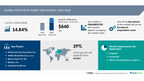
NEW YORK, Sept. 5, 2024 /PRNewswire/ — Report with market evolution powered by AI- The global prosthetic robot arm market  size is estimated to grow by USD 640 million from 2024-2028, according to Technavio. The market is estimated to grow at a CAGR of over 14.84%  during the forecast period. Increase in amputation cases is driving market growth, with a trend towards 3D-printed prosthetic robot arm. However, high cost of equipment  poses a challenge. Key market players include Advanced Arm Dynamics Inc., Aether Biomedical sp. Z o.o., Bionic Hope Pvt. Ltd., BrainCo Inc., Cardinal Health Inc., COVVI, exiii Inc., HDT Global, Makers Hive Innovations Pvt. Ltd., Mobius Bionics LLC, Open Bionics Ltd., Ossur hf, Ottobock SE and Co. KGaA, Shadow Robot Co., Steeper Inc., TASKA Prosthetics, Unlimited Tomorrow, and Vincent Medical Holdings Ltd..

AI-Powered Market Evolution Insights. Our comprehensive market report ready with the latest trends, growth opportunities, and strategic analysis- View your snapshot now

Forecast period

2024-2028

Base Year

2023

Historic Data

2018 – 2022

Segment Covered

Application (Hospitals, Household, and Clinics and ambulatory surgical centers), Technology (Microprocessor-based and Myoelectric), and Geography (North America, Europe, APAC, South America, and Middle East and Africa)

Region Covered

North America, Europe, APAC, South America, and Middle East and Africa

Key companies profiled

Advanced Arm Dynamics Inc., Aether Biomedical sp. Z o.o., Bionic Hope Pvt. Ltd., BrainCo Inc., Cardinal Health Inc., COVVI, exiii Inc., HDT Global, Makers Hive Innovations Pvt. Ltd., Mobius Bionics LLC, Open Bionics Ltd., Ossur hf, Ottobock SE and Co. KGaA, Shadow Robot Co., Steeper Inc., TASKA Prosthetics, Unlimited Tomorrow, and Vincent Medical Holdings Ltd.

Key Market Trends Fueling Growth

The Prosthetic Robot Arm market is experiencing significant growth, with a major challenge being the high cost of traditional prosthetic arms. However, the forecast period is expected to witness increased adoption of 3D-printed prosthetic robot arms due to their advantages, such as cost-effective manufacturing. Companies like Open Bionics and exiii Inc. Are leading this trend, offering custom-fitted prosthetic arms using 3D scanning and 3D printing technology. Open Bionics’ project allows for a custom-fitted socket and hand to be made in less than two days, while exiii Inc.’s HACKberry arm can be assembled at home with affordable parts and a USD1,000 consumer 3D printer. Easton LaChappelle’s Unlimited Tomorrow is also making waves with a USD4,000 prosthetic arm, focusing on battery technology, miniaturization, and wireless connectivity, while offering free designs for 3D printing. With growing consumer awareness of 3D printing, more vendors are expected to enter the market, increasing competition and driving down costs. 

The Prosthetic Robot Arm market is experiencing significant growth due to the rising number of amputations caused by injuries, chronic diseases, and congenital conditions. Robotics and artificial intelligence are driving innovation in this field, with advancements in 3D printing, biosensor technology, and bionic prosthetics. Companies like LUKE arm system and Mobius Bionics are leading the way in creating high-quality, customized prosthetic arms using advanced materials and biomimetic design. Better materials and technology, such as microprocessor prosthetics, myoelectric prosthetics, and mind-controlled prostheses, are improving the quality of life for amputees. The market volume is increasing due to the growing need for prosthetic arms among healthcare providers and individuals affected by limb loss from diabetes, vascular diseases, cancer, cardiovascular diseases, respiratory diseases, trauma, and other conditions. The use of raw materials and transportation costs are key considerations for manufacturers, while financial aid and insurance coverage help make these advanced technologies more accessible to those in need. Companies like Ace Matrix, Fillauer Companies, and Steeper are also contributing to the market with their innovative solutions. Quantitative units of prosthetic arms are expected to grow steadily in the coming years as technology continues to advance and improve the lives of those with limb loss. 

Insights on how AI is driving innovation, efficiency, and market growth- Request Sample!

Market Challenges

The Prosthetic Robot Arm market is experiencing gradual adoption in developed countries due to advanced robotic medical systems in healthcare. However, affordability remains a challenge for patients in developing and emerging economies. High costs, attributed to the advanced technology, restrict access to prosthetic robot arms for most patients. The ASP is expected to decrease due to emerging technologies like 3D printing. Functional limitations and a short replacement cycle are additional hindrances to market growth. Prosthetic robot arms range from USD15,000 to USD100,000 for advanced models. Despite advancements, the high capital and recurring costs limit market penetration in emerging markets.The Prosthetic Robot Arm market is experiencing significant growth due to advancements in technology, particularly in the areas of biosensor technology, bionic prosthetics, and AI. However, challenges persist, such as the need for better materials, affordability, and customization. Raw material procurement and transportation costs remain a concern for manufacturers. Microprocessor and myoelectric prosthetics, including the LUKE arm system and Mind-controlled prosthesis, are popular choices, but the steep prices limit their accessibility. Companies like Ace Matrix, Mobius Bionics, Fillauer Companies, exiii, Ossur, Vincent Medical Holdings, and Ottobock are leading the way in innovation, offering advanced materials and biomimetic designs. Healthcare providers and insurers must navigate financial aid and coverage options to make these technologies more accessible to those in need. Quantitative units and volumes in the Global Robotic Prosthetics market continue to rise, transforming the lives of amputees and pushing the boundaries of technology in the extremity devices sector.

Insights into how AI is reshaping industries and driving growth- Download a Sample Report

Segment Overview 

This prosthetic robot arm market report extensively covers market segmentation by

Application 1.1 Hospitals1.2 Household1.3 Clinics and ambulatory surgical centersTechnology 2.1 Microprocessor-based2.2 MyoelectricGeography 3.1 North America3.2 Europe3.3 APAC3.4 South America3.5 Middle East and Africa

1.1 Hospitals-  The Prosthetic Robot Arm Market is experiencing significant growth due to advancements in technology. These arms offer improved functionality and mobility for amputees, enhancing their quality of life. Key players in the market include DEKA Research & Development, Mobius Bionics, and Hocoma. Collaborations and partnerships between these companies and healthcare institutions drive innovation and expansion. The market’s future looks promising, with increasing demand for advanced prosthetic solutions.

Download complimentary Sample Report to gain insights into AI’s impact on market dynamics, emerging trends, and future opportunities- including forecast (2024-2028) and historic data (2018 – 2022) 

Research Analysis

The Prosthetic Robot Arm market is a rapidly growing segment of the Robotics industry, driven by advancements in Artificial Intelligence, 3D printing, and Biomimetic Design. Amputation due to injuries, chronic diseases, and congenital conditions continues to fuel demand for these advanced devices. The Amputee Coalition estimates that over 2 million Americans live with limb loss, creating a significant need for prosthetic solutions. Global Robotic Prosthetics market volumes are measured in quantitative units, with Extremity Prosthetics being the largest segment. Prosthetic Robot arms offer advanced features such as customization, improved functionality, and increased user comfort. Advanced materials and Brain-Computer Interfaces are key technologies driving innovation in this field. Healthcare providers play a crucial role in the adoption of Prosthetic Robot arms, with financial aid and insurance coverage being major factors influencing accessibility. Companies like Ace Matrix, Mobius Bionics, Fillauer Companies, exiii, Ossur, and others are leading the way in this market, offering solutions tailored to individual user needs. 3D printing and AI are revolutionizing Prosthetic Robot arm production, allowing for more affordable and customized solutions. The future of Prosthetic Robot arms lies in continued innovation, with potential applications in rehabilitation, industrial settings, and beyond.

Market Research Overview

The Prosthetic Robot Arm market is experiencing significant growth due to the increasing prevalence of amputations, injuries, chronic diseases, and congenital conditions. Robotics and artificial intelligence are revolutionizing the field with advanced bionic prosthetics, microprocessor prosthetics, myoelectric prosthetics, and mind-controlled prostheses. Better materials, such as 3D printed components, and biosensor technology are improving the quality of life for amputees. The Amputee Coalition reports that over 2 million Americans are living with limb loss, with diabetes, vascular diseases, cancer, cardiovascular diseases, respiratory diseases, and trauma being common causes. The market includes voluminous units of prosthetic arms, with key drivers being technological advancements, healthcare providers’ adoption, and financial aid and insurance coverage. Companies are focusing on advanced materials, prosthetic arm customization, biomimetic design, and brain-computer interfaces to meet the evolving needs of the market. Global Robotic Prosthetics, Steeper, Myo Kinisi hand, Ace Matrix, Mobius Bionics, Fillauer Companies, exiii, Ossur, Vincent Medical Holdings, and Ottobock are some of the leading players in the industry.

Table of Contents:

1 Executive Summary
2 Market Landscape
3 Market Sizing
4 Historic Market Size
5 Five Forces Analysis
6 Market Segmentation

ApplicationHospitalsHouseholdClinics And Ambulatory Surgical CentersTechnologyMicroprocessor-basedMyoelectricGeographyNorth AmericaEuropeAPACSouth AmericaMiddle East And Africa

7 Customer Landscape
8 Geographic Landscape
9 Drivers, Challenges, and Trends
10 Company Landscape
11 Company Analysis
12 Appendix

About Technavio

Technavio is a leading global technology research and advisory company. Their research and analysis focuses on emerging market trends and provides actionable insights to help businesses identify market opportunities and develop effective strategies to optimize their market positions.

With over 500 specialized analysts, Technavio’s report library consists of more than 17,000 reports and counting, covering 800 technologies, spanning across 50 countries. Their client base consists of enterprises of all sizes, including more than 100 Fortune 500 companies. This growing client base relies on Technavio’s comprehensive coverage, extensive research, and actionable market insights to identify opportunities in existing and potential markets and assess their competitive positions within changing market scenarios.

Contacts
Technavio Research
Jesse Maida
Media & Marketing Executive
US: +1 844 364 1100
UK: +44 203 893 3200
Email: media@technavio.com
Website: www.technavio.com/

View original content to download multimedia:https://www.prnewswire.com/news-releases/prosthetic-robot-arm-market-to-grow-by-usd-640-million-from-2024-2028-as-rising-amputation-cases-drive-revenue-ai-revolutionizing-market-landscape–technavio-report-302239670.html

SOURCE Technavio

Continue Reading

Technology

NAVER D2SF Invests in On-Device AI Startup TraceWeave

Published

on

By

TraceWeave develops its own post-Transformer AI architecture that enables AI agents to run on memory-constrained devicesCompletes paid pilot in mobility; pursues commercialization across robots, drones, smart glasses, and moreNAVER D2SF continues to invest in on-device AI and next-generation device technologies

SEOUL, South Korea, Oct. 20, 2026 /PRNewswire/ — NAVER D2SF has made a new investment in TraceWeave, an on-device AI startup led by co-founder and CEO Jaeyoung Park. TraceWeave is the team behind Phase-TITAN, a post-Transformer architecture that understands long contexts and carries out multi-step tasks while keeping memory usage constant. NAVER D2SF recognized the company’s core technology for enabling AI agents on resource-constrained devices.

As AI expands to robots, vehicles, smart glasses, and drones, its applications are advancing beyond simple chatbots toward complex reasoning and decision-making. In Transformer-based models, the key-value cache (KV-Cache) grows with context length, requiring more memory. On-device constraints in memory, battery life, and heat have made it difficult to implement AI agents that understand long contexts and perform complex tasks.

TraceWeave’s Phase-TITAN is a new AI architecture designed to resolve this memory bottleneck by replacing the conventional Transformer architecture altogether. TraceWeave develops its own AI models rather than relying on existing open-source models. Memory usage remains constant as context grows. According to TraceWeave, at a 1M-token context without quantization, a comparable Transformer’s KV-Cache holds tens of gigabytes or more, while its 1B Phase-TITAN model holds 0.04 GB. This enables agents to call tools, interpret results, and decide on their next actions entirely on the device, without cloud calls. TraceWeave’s internal benchmarks on RULER and BFCL indicate that Phase-TITAN maintains performance on par with Transformer models of the same size and larger.

TraceWeave has demonstrated a multi-step agent running on a smartphone using only its CPU, without cloud calls. In mobility, it completed a paid pilot with the autonomous driving affiliate of a global automotive group, identifying driving-data frames that improve the partner’s autonomous driving model without human annotation. It is also validating in-vehicle agent performance with a global automotive electronics software company and exploring opportunities in robots, drones, smart glasses, and wearables. TraceWeave was a Top 20 finalist in NVIDIA’s 2026 Inception Grand Challenge.

TraceWeave was co-founded in October 2025 by researchers with backgrounds at ETH Zurich, Google, and KAIST. The team combines engineering expertise grounded in computational neuroscience and physics with business development capabilities, designing its own architecture and validating it in device environments that reflect real-world customer needs. In this seed round led by Mirae Asset Capital, TraceWeave raised approximately KRW 3 billion at a pre-money valuation of approximately KRW 30 billion. Based at NAVER D2SF @Gangnam, the company plans to use the funding to expand its research and engineering team for next-generation architecture development and grow its business.

“Taking the KV cache out was never the hard part. Staying capable without it was,” said Jaeyoung Park, co-founder and CEO of TraceWeave. “The best part is no part. Phase-TITAN already delivers Transformer-class capability without the Transformer’s memory tax, and the next one goes well beyond its class, with the memory still fixed.”

“On-device AI is a core technology for implementing complex, advanced AI across diverse device environments beyond PCs, and it also offers advantages in reducing cloud call costs and protecting privacy,” said Sanghwan Yang, Head of NAVER D2SF. “TraceWeave is a team that is innovating AI architecture to overcome the limitations of existing AI models and bring AI to on-device environments.”

View original content:https://www.prnewswire.com/news-releases/naver-d2sf-invests-in-on-device-ai-startup-traceweave-302913752.html

SOURCE NAVER D2SF

Continue Reading

Technology

Gear Up for Year-End Wellness: iHerb Spotlights 4 Everyday Health Essentials and Kicks Off 11.11 Early Access Sale with Up to 40% Off Sitewide

Published

on

By

HONG KONG, Oct. 21, 2026 /PRNewswire/ — As October gets underway, many individuals are proactively preparing their daily health and self-care routines ahead of the busy year-end season. Global health and wellness e-commerce platform iHerb has curated a premier lineup of four top-selling daily nutritional supplements from its flagship house brand, California Gold Nutrition, and consumer-favorite brand, Doctor’s Best. Encompassing marine collagen, Omega-3 fatty acids, CoQ10, and chelated magnesium, this selection addresses distinct nutritional priorities, providing consumers with comprehensive, high-quality choices for daily maintenance and holistic vitality.

The iHerb Singles’ Day Early Access campaign officially launches today and runs through October 28. During the promotional period, shoppers can apply promo code “HD11BUY” at checkout to receive up to 40% off sitewide. Additionally, new customers worldwide can use promo code “WELCOME7” to enjoy 30% off their first purchase—offering consumers the ideal opportunity to proactively map out their year-end wellness and nutrition regimens.

Daily Wellness from Within: Collagen and Omega-3 as Nutritional Building Blocks

Founded in the United States and powered by 30 years of global health curation, iHerb offers an extensive catalogue spanning vitamins, dietary supplements, beauty, sports nutrition, and everyday lifestyle essentials. The platform empowers consumers to explore premier wellness goods from around the world all in one convenient place.

Among the featured highlights is California Gold Nutrition’s Hydrolyzed Marine Collagen Peptides + Hyaluronic Acid and Vitamin C. This synergistic formula pairs bioavailable hydrolyzed marine collagen peptides with hyaluronic acid and antioxidant vitamin C. Formulated as an unflavored, easily dissolvable powder, it blends effortlessly into morning coffee, smoothies, or water according to usage guidelines, offering a hassle-free addition to daily beauty and mobility regimens.

For essential fatty acid support, California Gold Nutrition’s Omega-3 Premium Fish Oil provides concentrated Omega-3 fatty acids, specifically EPA and DHA. Delivered in fish gelatin softgels, it offers an accessible, high-purity option for consumers seeking to incorporate vital fatty acids into their daily dietary routine to maintain overall cardiovascular, cognitive, and cellular wellness.

Targeted Cellular Vitality and Essential Minerals: Advanced Science from Doctor’s Best

Complementing collagen and fish oil, trusted wellness brand Doctor’s Best delivers science-backed formulations for more specialized nutritional support. The brand’s High Absorption CoQ10 utilizes naturally fermented Coenzyme Q10 paired with patented BioPerine® black pepper extract to enhance nutrient absorption and bioavailability. It provides an exceptional daily option for adults focused on supporting cardiovascular function, cellular energy generation, and antioxidant defenses.

Another standout favorite is Doctor’s Best High Absorption Magnesium Lysinate Glycinate, which features Albion® TRAACS® chelated magnesium in convenient tablet form. This fully chelated delivery ensures high bioavailability and superior digestive tolerance, allowing consumers to easily select the right daily supplement tailored to their dietary habits, physical activity, and relaxation needs.

Special Promotion: 11.11 Early Access

Sitewide Early Bird Offer: Use promo code HD11BUY to take up to 40% off sitewide.

New Customer Welcome: First-time shoppers globally can apply promo code WELCOME7 for 30% off their order.Promotion Window: Active immediately through October 28, 2026.Details & WhatsApp: Subject to terms and product eligibility on the official iHerb website. Subscribe to the official iHerb Hong Kong WhatsApp channel for real-time campaign updates.

About iHerb (https://hk.iherb.com/)

iHerb is a world-leading e-commerce destination dedicated to health, wellness, and self-care. Founded in California in 1996, iHerb now serves millions of customers across more than 180 countries. With a selection of over 40,000 authentic, high-quality products across vitamins, supplements, sports nutrition, personal care, and grocery items, iHerb delivers value and convenience directly to doorsteps worldwide, supported by state-of-the-art GMP-registered, climate-controlled distribution centers.

View original content to download multimedia:https://www.prnewswire.com/apac/news-releases/gear-up-for-year-end-wellness-iherb-spotlights-4-everyday-health-essentials-and-kicks-off-11-11-early-access-sale-with-up-to-40-off-sitewide-302914770.html

SOURCE iHerb

Continue Reading

Technology

EPG Showcases Full-Stack AIDC Capabilities and Global Delivery Network at DCWA 2026 in Singapore

Published

on

By

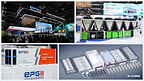
SINGAPORE, Oct. 21, 2026 /PRNewswire/ — EPG, a global provider for prefabricated modular data center infrastructure, showcased its latest AI data center solutions at Data Centre World Asia (DCWA) 2026, held in Singapore on September 29–30. Demonstrating its commitment to Asia-Pacific and the markets beyond, EPG presented its AI Core prefabricated modular data center solution and Edge POD prefabricated edge data center solution, alongside the global launch of AeroLev 1850, an air-cooled, magnetic-bearing chiller platform jointly introduced with MagPro. Together, these offerings demonstrate EPG’s end-to-end capabilities across modular infrastructure and high-efficiency cooling for AI data centers (AIDCs).

At the opening address for the Critical Infrastructure Theatre, EPG Chief Operating Officer Johnny Zhang highlighted the growing demands AI is placing on data center infrastructure, from higher power density and faster deployment to more efficient cooling. As AI continues to evolve, infrastructure must keep pace to support the next generation of AI computing.

Building on these themes, Johnny Zhang moderated a panel discussion on the future of data centers, resilience and digital infrastructure, bringing together industry experts from data center design, cloud and AI infrastructure, and cooling technology to explore emerging requirements for energy efficiency, high-density cooling and scalability. EPG Chief Technology Officer Enso Li also presented AI Core at the Energy Security & Efficiency Theatre, demonstrating how standardized modules and factory prefabrication can accelerate data center deployment.

Alongside these industry discussions, EPG continued to strengthen its global partnerships. The company signed cooperation agreements with international industry partners across AI data center planning, construction and delivery. These collaborations will support the development of next-generation data center infrastructure, broaden EPG’s ecosystem across the Asia-Pacific and expand its presence in global markets.

Complementing these industry engagements, EPG showcased its AI Core and Edge POD solutions across its exhibition space, welcoming visitors to explore its modular infrastructure offerings. AI Core takes a prefabricated, modular approach to AI infrastructure, integrating standardized power, cooling and other critical infrastructure modules to simplify deployment and enable flexible expansion as compute requirements grow. Built on this modular approach, EPG’s E Series offers configurable solutions tailored to different project requirements. One of its offerings, Edge POD, is an all-in-one solution for distributed computing environments where power availability and deployment speed are critical. Designed for 1–10 MW applications, Edge POD supports rapid deployment, low-latency computing and distributed redundancy.

EPG’s joint venture, MagPro, also introduced its new magnetic levitation chiller platform, AeroLev 1850. The 1.85 MW-class, air-cooled, magnetic-bearing chiller platform is designed for next-generation AI data centers in water-scarce, high-ambient environments, with chilled-water outlet temperatures of up to 45°C. Its cooling-tower-free architecture combines oil-free magnetic-levitation technology with intelligent controls to deliver efficient, reliable cooling while reducing water consumption.

The launch of AeroLev 1850 marks a strategic milestone in EPG’s global cooling technology roadmap. Established in May 2026, MagPro brings together EPG’s data center engineering and global delivery expertise with CIGU’s magnetic-levitation technology and R&D capabilities. The partnership expands EPG’s portfolio into advanced cooling to address the demands of high-density AI computing while reducing reliance on water-intensive cooling systems.

“AI computing is reshaping the infrastructure requirements of data centers,” said Alick Wan, Founder and Chairman of EPG. “Our focus extends beyond individual technological breakthroughs. By combining modular and standardized solutions with global delivery capabilities, we aim to help customers deploy and scale computing infrastructure efficiently across markets. We will continue working with global partners to build more efficient and resilient infrastructure for the next generation of digital growth.”

Looking ahead, EPG will continue to evolve its solutions and strengthen its capabilities to meet the changing demands of the data center industry.

Learn more: https://www.epg-module.com/

CONTACT: communications@epg-module.com

About EPG

EPG is a prefabricated modular data center infrastructure provider, powered by R&D centers in Singapore, Malaysia, and Shanghai, as well as six advanced manufacturing hubs in Malaysia and China. With over 20 years of engineering expertise, it has a workforce of more than 1,600 employees, including nearly 300 researchers and experienced engineers in its R&D and technical team. Through continuous technological innovation and a scalable delivery system, EPG delivers  integrated and efficient data center solutions for hyperscale, cloud, and enterprise deployments across APAC, EMEA, and other global markets.

About MagPro (Nanjing CIPU Technology Co., Ltd.)

MagPro is a joint venture between CIGU Technology Corp. Ltd. and EPG Data Technology (Shanghai) Co., Ltd., specializing in the research, development, and production of reliable, energy-efficient cooling and air-conditioning systems for AI data centers, cloud, and hyperscales. MagPro operates a more than 6,000-square-meter production base and two air-cooled laboratories, supporting testing of air-cooled units up to 2,000 kW.

View original content to download multimedia:https://www.prnewswire.com/apac/news-releases/epg-showcases-full-stack-aidc-capabilities-and-global-delivery-network-at-dcwa-2026-in-singapore-302913737.html

SOURCE EPG Global Technology (Shanghai) Co., Ltd.

Continue Reading

Trending