Connect with us

Technology

Building Regenerative Foodscapes in Northwest India Outlines Key Strategies for Punjab’s Agrarian Ecosystem in a workshop by The Nature Conservancy

Published

on

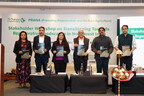
CHANDIGARH, India, Dec. 12, 2024 /PRNewswire/ — Nature Conservancy India Solutions (NCIS) conducted a two-day workshop in Chandigarh on ‘Transitioning Towards Regenerative Foodscapes in Northwest India‘ on December 4th and 5th, as part of its PRANA (Promoting Regenerative and No-Burn Agriculture) project. Chief Guest Mr. Ajit Balaji Joshi, Secretary, Department of Agriculture and Farmer Welfare, Government of Punjab, accompanied by Professor Adarsh Pal Vig, Chairman, Punjab Pollution Control Board, Mr. Shoikat Roy, Member Punjab Development Commission and the Managing Director of Nature Conservancy India Solutions, Dr. Anjali Acharya kicked off the two day event, which saw over eighty agriculture experts across policy, science and practice.

Mr. Ajit Balaji Joshi, Secretary, Department of Agriculture and Farmer Welfare, Government of Punjab as stated, “PRANA’s work in Punjab connects to the concept of ‘Pran’ which relates to oxygen. We are keen to increase agro-forestry and green cover in Punjab and it would be great to see such initiatives scale up. The good news is that crop residue burning count this year was more than 70% down as compared with last year, so there can be a lot of room for innovation in Punjab to improve farmer incomes and address environmental concerns. We need to work on maximizing farmer incomes through crop diversification and water savings. There can be ways of combining carbon credits with water credits and green credits and translate this into farmer incomes.”

Professor Adarsh Pal Vig, Chairman, Punjab Pollution Control Board shared hopeful evidence from Punjab’s crop residue management initiatives. “Ex-situ management of crop residue has doubled in Punjab since last year and the increase in industrial boilers (to 44 operational boilers with additional 31 boilers being installed) has significantly increased ex-situ management. Yet In-situ is the most natural way of managing crop residue and I call those farmers who have already been practising regenerative agriculture Nanak de Heere”.

Dr. Anjali Acharya, Managing Director, NCIS highlighted the need for collaborative efforts to support initiatives promoting economic viability, and offer alternatives to farmers in achieving long term environmental sustainability. She stated, “PRANA has been focused very much on crop residue management, but we are expanding into a regenerative foodscapes approach as we believe this is critically important. This workshop provides a strong technical background to enable this discussion. It covers crop residue management, crop diversification, the Energy-Water-Food Nexus, how to bring the private sector in, how to bring about cross regional learning, and exploring different types of financing options but at the end of the day we are trying to support this ecosystems in four ways, Innovation, Institutional Supporting, Partnerships and Financing, which will be key to scaling up the transition to regenerative foodscapes that is required in Punjab. So we’re happy to bring the knowledge and information and expertise and evidence base from our different pilots in Punjab to support the Punjab government to meet its goals.”

Two policy briefs were launched at the workshop—Charting a Course for Effective Crop Residue Management in Punjab- Key Learnings from TNC’s PRANA Project and Punjab’s Energy-Water-Food Nexus: Exploration of Drivers and Practical Ways Out. These briefs provide evidence with clear recommendations to support sustainable agriculture transition in Punjab. The workshop felicitated regenerative farmers from various districts across Punjab, giving them a platform to share their experience with participants.

Mr. Shoikat Roy, Member, Punjab Development Commission stated, “The nexus of  energy-water-agriculture-environment in Punjab and its interrelated crises of paddy over-production, stubble burning, and groundwater depletion is well understood. However, there are also solutions to such issues, some of which the Punjab Development Commission is spearheading. One solution to the groundwater/power problem is decentralized solarization coupled with replacement of existing pumps with energy efficient pumps and net billing to incentivize the farmer to save water/power. In this manner, the farmer continues to get free power while earning additional income and reducing water consumption and the state’s subsidy bill as well. PDC has also recommended a strong continued focus on cost-efficient ex-situ solutions such as CBG and industrial boilers along with incentivizing in-situ management for stubble burning. Lastly, maize-to-ethanol holds huge promise for paddy diversification in the coming years. This will require the active facilitation by Govt. of Punjab, a strong supportive role of Govt. of India independent of politics, and also cooperation and partnership of the wide variety of research and civil society stakeholders here – so that we can further scale up this work together.”

The sessions highlighted the interdependence of water, energy, and food production which demands a closer and structured approach to optimising the benefits for farmers while managing the available resources effectively. The participants discussed strengthening canal networks and water saving initiatives like Alternative Wetting and Drying (AWD) that save 30% water use for irrigation along with 48% reduction in methane emissions without affecting the yields, according to International Rice Research Institution (IRRI).

Ensuring that the private sector also plays a key role in scaling regenerative agriculture,  market-driven solutions such as carbon credits and the need for investments and policy reforms to encourage farmers toward regenerative practices were also discussed.

Addressing the interconnected agricultural challenges in Punjab to help farmers adapt to shifting climatic conditions requires Sustainable management of paddy residue, crop diversification, solarization, agro forestry and innovative financial mechanisms to build farmer incentives. Regenerative Foodscapes can be built through partnerships with projects such as PRANA which provide ground based evidence for enabling climate resilience in Punjab. PRANA has been working with an evidence-based approach working closely with its implementation partners who include Reviving Green Revolution Cell, Manav Vikas Sansthan (MVS), KPMG, Vertiver, and FarmSio. Expert discussions at the workshop have underscored the urgency of aligning policy, innovation and financial support to create an enabling environment that sets Punjab on the path to climate resilience and demonstrates solutions that can be scaled up across Northwest India.

About

TNC’s PRANA project has engaged over 80,000 farmers across 6,200 villages in Punjab since 2021 for promoting Crop Residue Management (CRM) and regenerative agricultural practices. The Nature Conservancy (TNC) plans to adopt a regenerative Foodscape Approach. This approach will integrate regenerative farming, the Water-Energy-Food (WEF) Nexus, and community involvement to address Punjab’s agricultural and environmental challenges.

Photo: https://mma.prnewswire.com/media/2574277/Building_Regenerative_Foodscapes.jpg


View original content to download multimedia:https://www.prnewswire.com/in/news-releases/building-regenerative-foodscapes-in-northwest-india-outlines-key-strategies-for-punjabs-agrarian-ecosystem-in-a-workshop-by-the-nature-conservancy-302329927.html

Continue Reading

Technology

Dental Expert Dr. Kari Sakurai Explains Early Tooth Decay and Enamel Remineralization in HelloNation

Published

on

By

The Article Explains When Early Enamel Damage May Be Reversed and When a Filling Becomes Necessary

SANTA MONICA, Calif., Nov. 2, 2026 /PRNewswire/ — Can early cavities be reversed before a filling? HelloNation has published an article in which Dr. Kari Sakurai, dental expert at Pacific View Smile Center, answers this by explaining how early tooth decay can sometimes be addressed before permanent damage develops.

The article explains that early tooth decay does not always require an immediate filling. During the earliest stage, decay may involve mineral loss from tooth enamel without creating a physical hole. When the enamel support structure remains intact, the tooth may still regain lost minerals.

According to the article, dentists often call this process enamel demineralization. Bacteria in the mouth produce acids that remove calcium, phosphate, and other minerals from tooth enamel. Frequent exposure to sugars and fermentable carbohydrates can increase these acid attacks and contribute to continued mineral loss.

The HelloNation article notes that a white or chalky area can be an early sign of enamel changes. At this point, the surface may not have collapsed into a cavity. Dental Expert Dr. Kari Sakurai helps explain why recognizing this stage matters.

The article describes fluoride toothpaste as an important tool for supporting enamel remineralization. Fluoride can help strengthen weakened enamel and encourage minerals to return to affected areas. Depending on a person’s cavity risk, a dentist may also recommend professional fluoride treatments or other fluoride products.

According to the article, saliva also supports natural repair. It helps wash away food particles, reduce harmful acids, and carry calcium and phosphate back to tooth surfaces. These functions create conditions that may help slow or reverse early tooth decay before permanent enamel damage occurs.

The article also discusses dry mouth as a factor that can interfere with this protection. Medications, health conditions, and lifestyle factors may reduce saliva production. With less saliva available to control acids and restore minerals, teeth may face a greater risk of developing cavities.

Eating habits also play a role. The article explains that frequent sugary snacks and drinks repeatedly expose teeth to acids. Reducing how often teeth encounter sugar gives saliva more time to restore a healthier oral environment between meals.

Daily oral hygiene also matters. Brushing twice each day with fluoride toothpaste helps manage plaque while supporting tooth enamel. Cleaning between teeth reaches areas brushing may miss, while regular dental care can identify changes before symptoms appear.

The article emphasizes that enamel remineralization has clear limits. Once decay breaks through the enamel surface and creates a true cavity, missing tooth structure cannot naturally grow back. A filling or another professional treatment may then be necessary to restore the damaged tooth.

Pain alone cannot reliably show how far decay has progressed. The article notes that some cavities cause no discomfort until they become deeper. A dental examination, sometimes supported by dental X-rays, can help determine whether the enamel remains intact or permanent damage has occurred.

The HelloNation article concludes that the distinction between reversible mineral loss and a cavity depends largely on the condition of the enamel surface. Fluoride, saliva, consistent oral hygiene, and reduced sugar frequency can support enamel during its earliest stages. Dental Expert Dr. Kari Sakurai helps explain these factors for readers considering how early dental care may affect treatment needs.

Can Early Cavities Be Reversed Before a Filling? Features insights from Dr. Kari Sakurai, a dental expert in Santa Monica, California, in HelloNation.

About HelloNation

HelloNation is America’s Good News Network, a premier media platform built on the idea that good news travels faster when real people tell real stories. Through its community-focused publications and innovative “edvertising” approach, HelloNation delivers content that informs, inspires, and spotlights the leaders making a meaningful impact in their communities.

View original content to download multimedia:https://www.prnewswire.com/news-releases/dental-expert-dr-kari-sakurai-explains-early-tooth-decay-and-enamel-remineralization-in-hellonation-302926634.html

SOURCE HelloNation

Continue Reading

Technology

HelloNation Examines Older Homes’ Heating Efficiency With Insights From HVAC Expert Reid Sittler

Published

on

By

The article explains practical ways to reduce heat loss and improve comfort in older homes in Massillon.

MASSILLON, Ohio, Nov. 2, 2026 /PRNewswire/ — What steps can homeowners take to improve comfort and reduce energy use in aging houses? HelloNation has published the answer in an article exploring the heating efficiency of older homes, with insights from HVAC Expert Reid Sittler of Massillon, Ohio.

Quality Heating & Cooling’s HVAC Expert Reid Sittler explains that many older properties face heating-efficiency challenges due to outdated construction methods and materials. It notes that heat loss in older houses often begins with insufficient insulation, especially in attics, walls, and crawl spaces. Without an effective barrier, warm air escapes easily, making heating systems work harder to maintain indoor comfort.

The article explains how an insulation upgrade can significantly improve the heating efficiency of older homes by slowing the transfer of heat to colder outdoor areas. By adding or replacing insulation in key areas of the home, homeowners can retain more heat and reduce overall energy use. HVAC Expert insights featured in the article emphasize that addressing insulation first often creates a strong foundation for other efficiency improvements.

Air leaks sealing is another major focus of the article. Small openings around windows, doors, and utility lines allow cold air to enter and warm air to escape, contributing to the heat loss that older houses commonly experience. The article notes that air leaks sealing with caulk or weatherstripping is a cost-effective way to improve indoor temperature stability without requiring major renovations.

Windows also play a role in the heating efficiency of older homes. The article explains that single-pane or poorly sealed windows allow more heat transfer than modern designs. While a full replacement may not always be necessary, adding storm windows or thermal coverings can help reduce heat loss in older houses during colder months.

Heating system performance is another key factor discussed in the article. Older furnaces often operate at lower efficiency levels, increasing energy use over time. Regular maintenance helps, but the article explains that a furnace upgrade may be worth considering when systems reach 15 to 20 years of age. A high-efficiency furnace can convert more fuel into usable heat, improving overall system performance.

The article also highlights that a furnace upgrade should be evaluated alongside other improvements, such as insulation upgrades and air-leak sealing. In some cases, these combined efforts can deliver benefits similar to those of a high-efficiency furnace alone. HVAC Expert perspectives in the article reinforce the importance of taking a balanced approach to home efficiency.

Zoning controls are presented as another strategy to improve comfort. The article explains that zoning controls allow homeowners to divide the house into separate heating areas, directing warmth where it is needed most. This approach helps reduce energy waste and improve heating efficiency in older homes, particularly in larger or multi-level homes.

Quality Heating & Cooling’s HVAC Expert Reid Sittler emphasizes that improving the heating efficiency of older homes requires addressing multiple factors simultaneously. Insulation upgrades, air-leak sealing, furnace upgrades, and zoning controls all help reduce the heat loss that older houses commonly experience. When combined, these steps can create a more consistent indoor environment and better energy management.

In conclusion, How can older Massillon homes improve heating efficiency? features insights from Quality Heating & Cooling’s HVAC Expert, Reid Sittler of Massillon, Ohio, in HelloNation.

About HelloNation

HelloNation is America’s Good News Network, a premier media platform built on the idea that good news travels faster when real people tell real stories. Through its community-focused publications and innovative “edvertising” approach, HelloNation delivers content that informs, inspires, and spotlights the leaders making a meaningful impact in their communities.

View original content to download multimedia:https://www.prnewswire.com/news-releases/hellonation-examines-older-homes-heating-efficiency-with-insights-from-hvac-expert-reid-sittler-302922160.html

SOURCE HelloNation

Continue Reading

Technology

Church Tech Company, Subsplash Gives $8.4 Million Back to Churches through GrowCurve

Published

on

By

Subsplash Giving’s GrowCurve program automatically lowers processing rates as giving grows, with no monthly fees and no rate negotiation.

DALLAS, Nov. 2, 2026 /PRNewswire/ — Subsplash, the leading church engagement platform trusted by 21,000+ churches and ministries, today announced it has given $8.4 million back to churches since 2016 through GrowCurve, the exclusive rate reduction program built into Subsplash Giving™. GrowCurve automatically lowers a church’s processing rate as its giving volume grows, so churches never have to negotiate for a better rate.

“Every dollar we give back is a dollar churches can put toward their people & their mission.” —Tim Turner, CEO & Founder

Most churches now offer digital giving options, but Subsplash is the only church giving provider that publicly guarantees automatically lower rates as giving grows. Subsplash Giving also charges no monthly fees.

“Every dollar we give back through GrowCurve is a dollar churches can put toward their people and their mission. $8.4 million is an awesome milestone, and we’re grateful that churches trust us to be their partner in ministry. The Great Commission—let’s go!” shared Tim Turner, CEO and founder of Subsplash.

Lower processing costs show up in church budgets, too. “We saved over $30,000 in the first year by switching to Subsplash,” said Mitchell Newholt, Creative & Production Director, New Life Church, Everett, WA.

Since it launched in 2016, Subsplash Giving has grown well beyond card and ACH gifts. Churches can now accept recurring donations, stock, cryptocurrency, donor-advised fund (DAF) gifts, and qualified charitable distribution (QCD) gifts. They can offer tap-to-give in person with Subsplash Tap discs, prompt viewers to give during live streams, and run campaigns and pledges from the Subsplash Dashboard.

Churches use these tools for projects big and small. Ethiopian Evangelical Church in Minnesota (EECMN), a St. Paul congregation of about 450 members, used Subsplash Giving to run a building campaign that brought in more than $500,000 in gifts and pledges toward a new church home within a few months. Their Digital Ministry Leader, Melaku Bartolomeos, explained, “The Subsplash platform has been a blessing for us. I don’t know why any church wouldn’t use it, honestly. We may not have accomplished what we did without it.”

Subsplash is also building church-focused AI tools that put giving data to work. Trends AI brings giving, people, and attendance data into one place, so church leaders can ask questions about giving trends in plain language. With Subsplash Workflows, staff can set up a first-time donor follow-up that gives every new giver an assigned next step.

Giving typically rises at year-end. With Subsplash Giving, donors can give in the app, on the church website, by text, with a tap, and during live streams. Learn more about Subsplash Giving.

ABOUT SUBSPLASH:
Subsplash is an industry leader in SaaS, fintech, and AI with an award-winning digital engagement platform used by over 21,000 leading churches and ministries around the world. Subsplash is passionate about helping mission-minded organizations engage their audiences through centralized, easy-to-manage systems. As the creators of the Ultimate Engagement Platform™, they’re dedicated to delivering delight to billions of people through custom mobile apps, AI, websites, live streaming, media hosting and delivery, online giving, events, church management, communication tools, and more. Additional information about Subsplash is available at www.subsplash.com.

View original content to download multimedia:https://www.prnewswire.com/news-releases/church-tech-company-subsplash-gives-8-4-million-back-to-churches-through-growcurve-302926640.html

SOURCE Subsplash

Continue Reading

Trending