Technology
Wealthfront Brings Tax Efficiency to Index-Based Investing with New S&P 500 Direct Portfolio
Published
2 years agoon
By
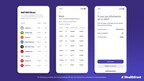
Wealthfront’s new S&P 500 Direct portfolio combines the performance of the S&P 500® with the added benefit of tax savings and is available for just 0.09% – the same price as the most popular ETF that tracks the S&P 500®
PALO ALTO, Calif., Dec. 17, 2024 /PRNewswire/ — Wealthfront, a tech-driven financial platform for young professionals, today announced a new product that combines the performance of the S&P 500® with the added tax benefits of automated tax-loss harvesting for the same price as the most popular ETF that tracks the S&P 500®. Wealthfront’s new S&P 500 Direct portfolio is available for a low 0.09% fee – the same expense ratio as the leading SPDR® S&P 500® ETF Trust – and investors can get started with $20,000.
“Wealthfront has long been a leader in tax optimization, with services like our automated Tax-Loss Harvesting that has captured over $3.4 billion in harvested losses since its launch, which could be worth an estimated $1.19 billion in tax savings for our clients,” said Dave Myszewski, Vice President of Product at Wealthfront. “Today’s launch combines our powerful Tax-Loss Harvesting expertise with the performance of the S&P 500® index, and is another example of how we use software to lower costs and deliver more value to the next generation of investors.”
Wealthfront’s S&P 500 Direct portfolio offers more tax benefits than investing in a single ETF that tracks the performance of the S&P 500® because it allows clients to directly hold shares of companies in the index, and uses automated Tax-Loss Harvesting to capture losses from daily price movements in those stocks even when the index is up overall. This new portfolio is ideal for investors who want exposure to the S&P 500® and have gains from stock compensation because it is designed to generate enhanced tax savings. Harvested losses can be used to offset capital gains, and any remaining losses can offset up to $3,000 in ordinary income. Any unused losses carry over indefinitely to future years.
Wealthfront’s S&P 500 Direct product is based on the S&P 500® Index, which is licensed by S&P Dow Jones Indices (S&P DJI). “As an independent index provider with more than a century of experience in creating iconic and trusted market benchmarks, S&P DJI is excited to provide its market-leading index and related data to Wealthfront for the first time,” said Brandon Hass, Head of Direct Indexing and Model Portfolios at S&P DJI. “Through this licensing arrangement, S&P DJI will be able to deliver the S&P 500® index, widely known as the best single gauge of the U.S. equity market, on the Wealthfront platform to market participants interested in tax-loss harvesting solutions, which continue to become increasingly popular in the digital wealth solutions space due to their enhanced tax benefits and highly customizable nature.”
Wealthfront’s product-led growth strategy continues to pay off and the company currently oversees nearly $80 billion for over 1 million clients. Today’s launch caps off a year of multiple product expansions, including a first-of-its-kind Automated Bond Ladder that makes it easy to invest in a ladder of US Treasuries and lock in a competitive yield with zero state taxes. The company also recently made available free, instant withdrawals and removed wire fees for its award-winning Cash Account offering 4.25% APY and up to $8M FDIC insurance, on deposits through partner banks. For more information on Wealthfront’s S&P 500 Direct portfolio visit www.wealthfront.com/sp500-direct.
About Wealthfront
Wealthfront is a tech-driven financial platform built to help young professionals turn their savings into long-term wealth. Through software, the company delivers cash management, diversified ETF and bond investing, zero-commission stock investing, and low-cost loans to help sophisticated and new investors learn, lower costs, and grow wealth. Wealthfront is one of the highest-rated financial apps in the Apple App Store and has been named Best Automated Investment App, Best Overall Robo-Advisor, and Best Robo-Advisor in the Portfolio Construction, Portfolio Management, and Goal Planning categories by Investopedia (2024), Best Cash Management Account and Best Investing App by Bankrate (2024), and Best Robo-Advisor for Portfolio Options by NerdWallet (2024). The company currently oversees nearly $80 billion for over 1 million clients in the US. To learn more please visit www.wealthfront.com or download the app on the App Store or Google Play.
Disclosures
The S&P 500® (the “Index”) is a product of S&P Dow Jones Indices LLC and/or its affiliates (“S&P DJI”) and/or their third-party licensors and has been licensed for use by Wealthfront. S&P®, S&P 500®, SPDR®, US 500™, The 500™, are trademarks of S&P Global, Inc. or its affiliates (“S&P”); Dow Jones® is a registered trademark of Dow Jones Trademark Holdings LLC (“Dow Jones”); third party licensor trademarks in the Index, if any, are trademarks of the respective third party licensors. The S&P 500 Index and S&P 500® have been licensed for use by S&P DJI and sublicensed for certain purposes by Wealthfront. Wealthfront’s statements are not endorsed by and Wealthfront’s products are not sponsored, endorsed, sold or promoted by S&P DJI, Dow Jones, S&P, their respective affiliates, or their third-party licensors and none of such parties make any representation regarding the advisability of investing in such product(s) nor do they have any liability for any errors, omissions, or interruptions of the Index.
The reference to SPDR® as the most popular ETF that tracks the S&P 500® comes from VettaFi: https://etfdb.com/compare/market-cap/
The effectiveness of the tax-loss harvesting strategy to reduce the tax liability of the client will depend on the client’s entire tax and investment profile, including purchases and dispositions in a client’s (or client’s spouse’s) accounts outside of Wealthfront Advisers and type of investments (e.g., taxable or nontaxable) or holding period (e.g., short-term or long-term).
Tax-loss harvesting involves certain risks, including, among others, the risk that the new investment could have higher costs than the original investment and the strategy could introduce portfolio tracking error into your account. Tracking error is a measure of financial performance that determines the difference between the return fluctuations of an investment portfolio and the return fluctuations of a chosen benchmark. There may also be unintended tax implications. In addition, tax loss harvesting strategies may produce losses, which may not be offset by sufficient gains in the account and may be limited to a $3,000 deduction against income.
Wealthfront Advisers and its affiliates do not provide legal or tax advice and do not assume any liability for the tax consequences of any client transaction. Clients should consult with their personal tax advisors regarding the tax consequences of investing with Wealthfront Advisers and engaging in these tax strategies, based on their particular circumstances.
Wealthfront Advisers is compensated for its advisory services by charging an annual account fee of 0.09% on the net market value of a Client’s account.
Indices are not available for direct investment; therefore, their performance does not reflect the expenses associated with the management of an actual portfolio.
The Cash Account is offered by Wealthfront Brokerage LLC, Member of FINRA/SIPC. Wealthfront Brokerage is not a bank. We convey funds to partner banks who accept and maintain deposits, provide the interest rate, and provide FDIC insurance. The APY rate is as of December 4, 2024 and is subject to change. Investment management and advisory services–which are not FDIC insured–are provided by Wealthfront Advisers LLC (“Wealthfront Advisers”), an SEC-registered investment adviser.
The information contained in this communication is provided for general informational purposes only, and should not be construed as tax advice, a solicitation or offer, or recommendation, to buy or sell any security. All investing involves risk, including the possible loss of money you invest, and past performance does not guarantee future performance.
Investopedia receives cash compensation for referring potential clients to Wealthfront Advisers, LLC (“Wealthfront Advisers”) via advertisements placed on their website which could create an incentive creating a material conflict of interest. While they receive compensation for referring potential clients, the statements and rankings provided above represent independent endorsements by Investopedia, which are not directly tied to such compensation. Investopedia and Wealthfront Advisers are not associated with one another and have no formal relationship outside of this arrangement. Investopedia’s opinions are their own. Their ratings are determined by their editorial team. Investopedia is not a client of Wealthfront Advisers. Investopedia designed a system that rates robo-advisors based on nine key categories and 59 variables. Each category covers critical elements users need to thoroughly evaluate a robo-advisor. The ratings reflect data and evaluations for the 12-month period ending in February 2024. Learn more about their methodology and review process. Investopedia ranking as of March 2024.
Bankrate receives cash compensation for referring potential clients to Wealthfront Advisers, LLC (“Wealthfront Advisers”) and Wealthfront Brokerage, LLC (“Wealthfront Brokerage”) via advertisements placed on their website which could create an incentive creating a material conflict of interest. While they receive compensation for referring potential clients, the statements and rankings provided above represent independent endorsements by Bankrate, which are not directly tied to such compensation. Bankrate and Wealthfront are not associated with one another and have no formal relationship outside of this arrangement. Bankrate’s opinions are their own. Their ratings are determined by their editorial team. Bankrate is not a client of Wealthfront Advisers. Bankrate designed a methodology that evaluates app-based financial services—including robo-advisors, brokerages, and mobile-only platforms, assessing overall experience, features offered and total value proposition to the investor. Best Investing App 2023 was awarded on January 10, 2023 based on data and evaluations over the 12-month period ending in December 2022. Bankrate also designed a methodology that evaluates non-bank cash accounts, evaluating APYs, checking features, service fees, minimum deposit and balance requirements and other factors. Best Cash Management Account 2024 was awarded on December 12, 2023 covering the 2023 calendar year. Wealthfront pays an annual license fee to use Bankrate’s awards in marketing materials. Learn more about their methodology and review process.
Nerdwallet receives cash compensation for referring potential clients to Wealthfront Advisers, LLC (“Wealthfront Advisers”) via advertisements placed on their website. Nerdwallet and Wealthfront Advisers are not associated with one another and have no formal relationship outside of this arrangement. Nerdwallet’s opinions are their own. Their ratings are determined by their editorial team. The scoring formula for online brokers and robo-advisors takes into account over 15 factors, including account fees and minimums, investment choices, customer support and mobile app capabilities. Nerdwallet ranking as of June 2024.
Investment management and advisory services are provided by Wealthfront Advisers LLC (“Wealthfront Advisers”), an SEC-registered investment adviser, and brokerage related products, including the Cash Account, are provided by Wealthfront Brokerage LLC, a Member of FINRA/SIPC.
Wealthfront, Wealthfront Advisers and Wealthfront Brokerage are wholly owned subsidiaries of Wealthfront Corporation.
The figures referenced in Dave Myszewski’s quote were from our blog posts published on 4/14/23 and 4/11/24. Regarding the $3.4 billion in harvested losses over the last decade, $256 million was harvested in 2023, and $2.7 billion harvested over the last 5 years. Assuming a combined 37.5% marginal tax rate, the losses harvested over the last decade could be worth an estimated $1.19 billion in tax savings to clients. For more information on tax-loss harvesting, read our whitepaper.
Media contact:
Elly Stolnitz
press@wealthfront.com
603-660-8762
View original content to download multimedia:https://www.prnewswire.com/news-releases/wealthfront-brings-tax-efficiency-to-index-based-investing-with-new-sp-500-direct-portfolio-302333283.html
SOURCE Wealthfront
You may like
Technology
CHIME and ScaleHealth Announce Joint Venture to Expand Healthcare’s Innovation Ecosystem
Published
10 minutes agoon
October 27, 2026By
ScaleHealth, powered by CHIME, creates new pathways connecting healthcare leaders, innovators, technology partners, and investors to accelerate the future of digital health.
ANN ARBOR, Mich., Oct. 27, 2026 /PRNewswire/ — The College of Healthcare Information Management Executives (CHIME) today announced a strategic joint venture with ScaleHealth, Inc. to create ScaleHealth, powered by CHIME, LLC, a new innovation ecosystem designed to connect healthcare’s most pressing challenges with the innovators, leaders, organizations, and partners capable of solving them. By combining CHIME’s trusted digital health community with ScaleHealth’s expansive innovation ecosystem, the venture creates a unique environment where healthcare organizations, entrepreneurs, established technology companies, and investors can discover, connect, validate, and advance the ideas shaping the future of healthcare.
For 35 years, CHIME has evolved alongside the digital health leaders it serves. What began as a community centered on healthcare CIOs has grown into a global network of digital health leaders supported through education, events, research, policy initiatives, media platforms, executive collaboration, and professional communities. The creation of ScaleHealth, powered by CHIME represents the next chapter in that evolution, expanding CHIME’s ecosystem to include the innovators, entrepreneurs, and emerging technology companies helping define what comes next in healthcare.
As healthcare organizations face increasing pressure to improve outcomes, strengthen operations, address workforce challenges, improve cybersecurity, and realize the promise of emerging technologies including artificial intelligence, the need for stronger connections across the innovation ecosystem has never been greater. ScaleHealth, powered by CHIME was created to help build those connections.
“CHIME has spent 35 years bringing together the leaders responsible for solving healthcare’s most important technology and transformation challenges,” said Russ Branzell, President and CEO of CHIME. “As the pace of innovation continues to accelerate, we have an opportunity to expand that trusted community even further. ScaleHealth, powered by CHIME, extends our ecosystem to include entrepreneurs, innovators, investors, and emerging technology companies so that healthcare leaders can engage earlier, collaborate more effectively, and help shape the innovations that will define the future of healthcare.”
The opportunity emerged through CHIME’s growing innovation programming, particularly its Innovation Summit series, where healthcare leaders and technology companies increasingly expressed a desire to engage more directly with innovators and entrepreneurial organizations. At the same time, startups and growth-stage companies were seeking trusted pathways into healthcare and stronger connections to leaders who understand the industry’s real-world operational challenges.
“Healthcare has no shortage of innovation. The challenge is creating trusted pathways that connect innovators with the healthcare leaders who understand the industry’s most urgent problems,” said Taylor McPartland, CEO of ScaleHealth and leader of the new venture. “By combining ScaleHealth’s innovation ecosystem with CHIME’s trusted community of digital health leaders, we’re creating an environment where meaningful connections can lead to validation, partnership, and real-world impact. This is about bringing together everyone who has a role to play in the future of healthcare innovation and helping them move great ideas forward.”
Unlike traditional accelerators, startup showcases, or innovation marketplaces, ScaleHealth, powered by CHIME is designed as a trusted innovation ecosystem. Healthcare organizations bring forward meaningful challenges. Innovators and startups contribute cutting-edge ideas and technologies. Established technology organizations bring expertise, infrastructure, and scale. Investors provide capital and growth pathways. Together, these stakeholders create an environment where innovation can move from discovery and connection to validation, partnership, and measurable impact.
“Throughout its history, CHIME has grown by bringing the right people together around the challenges that matter most,” said Tressa Springmann, Senior Vice President and Chief Information and Digital Officer at LifeBridge Health and Chair of the CHIME Foundation Board of Directors. “Today, innovation is essential to every aspect of healthcare transformation. ScaleHealth, powered by CHIME extends that trusted community into a broader innovation ecosystem, creating new opportunities for healthcare leaders, entrepreneurs, technology partners, and investors to collaborate, learn from one another, and accelerate meaningful progress across healthcare.”
The venture reflects CHIME’s belief that the next era of digital health will be co-created by healthcare leaders, technology partners, entrepreneurs, investors, and innovators working together to solve the challenges that matter most. By creating a trusted environment for discovery, collaboration, validation, and advancement, ScaleHealth, powered by CHIME aims to become the connective layer between healthcare’s needs and the innovation being built to address them.
About CHIME
The College of Healthcare Information Management Executives (CHIME) is the leading professional organization for digital health executives and leaders. CHIME provides a trusted, collaborative environment where members and partners connect, share best practices, advance professional development, and advocate for the effective use of information and technology to improve health and care in the communities they serve. For more information, please visit chimecentral.org.
For media inquiries, please contact:
Contact
Calli Dretke
Executive Vice President & Chief Digital and Marketing Officer
CHIME
734.412.6255
cdretke@dhinsights.org
View original content to download multimedia:https://www.prnewswire.com/news-releases/chime-and-scalehealth-announce-joint-venture-to-expand-healthcares-innovation-ecosystem-302921260.html
SOURCE College of Healthcare Information Management Executives (CHIME)
Technology
In HelloNation, Prenatal Imaging Expert Erika Lambright Explains Ultrasound Differences Between 2D, 3D, And 4D Imaging
Published
10 minutes agoon
October 27, 2026By
The article outlines how each type of pregnancy ultrasound supports fetal development and family understanding.
DENISON, Texas, Oct. 27, 2026 /PRNewswire/ — What is the difference between 2D, 3D, and 4D ultrasound imaging during pregnancy? HelloNation has published an article that clearly explains the differences between ultrasound and other prenatal imaging modalities and how each supports fetal development.
The HelloNation article explains that a 2d ultrasound is the most common form of prenatal imaging used during routine pregnancy ultrasound appointments. It produces flat, black-and-white images that allow medical providers to assess fetal development, monitor growth, and evaluate vital structures. The article notes that 2D ultrasound plays a central role in identifying potential concerns early and remains the foundation of prenatal diagnostic imaging.
According to the article, a 3d ultrasound builds on the same technology but creates a more detailed still image with depth. This form of prenatal imaging allows families to see clearer views of the baby’s face, hands, and feet. While 3d ultrasound can support certain medical evaluations, the article describes its primary value as helping parents better visualize fetal development in a more lifelike way.
The article further describes how a 4D ultrasound adds motion to the 3d ultrasound image. This allows families to view real-time video of the baby moving, stretching, or making facial expressions. The article explains that this type of pregnancy ultrasound creates a more engaging experience and helps strengthen the emotional connection, while still using the same safe, noninvasive prenatal imaging technology.
The HelloNation article emphasizes that understanding ultrasound differences helps families set clear expectations before imaging sessions. Each type of pregnancy ultrasound serves a distinct purpose. 2D ultrasound focuses on medical accuracy and fetal development monitoring, while 3D and 4D ultrasound provide enhanced visualization and connection. The article highlights that medical professionals typically rely on 2D ultrasound for diagnostic purposes, while 3D and 4D ultrasound are often optional.
The article also notes that several factors can affect the quality of prenatal imaging results. Baby position, gestational age, and fluid levels all play a role in how clearly images appear, especially during 3D and 4D ultrasound sessions. The article explains that providers often guide families on the best timing for ultrasound visits during pregnancy to improve image clarity and achieve better results.
Prenatal Imaging Experts emphasize through the article that learning about ultrasound differences can reduce uncertainty and help families feel more prepared. By understanding how each type of prenatal imaging contributes to monitoring fetal development, expectant parents can approach each pregnancy ultrasound appointment with clearer expectations.
The article concludes that while 2D ultrasound remains essential for medical care, the added perspectives of 3D and 4D ultrasound offer families a broader, more personal understanding of fetal development. Together, these forms of prenatal imaging provide both clinical insight and meaningful connection throughout pregnancy.
What Is the Difference Between 2D, 3D, and 4D Ultrasounds Explained Simply features insights from Erika Lambright, Prenatal Imaging Experts of Denison, Texas, in HelloNation.
About HelloNation
HelloNation is America’s Good News Network, a premier media platform built on the idea that good news travels faster when real people tell real stories. Through its community-focused digital publications and innovative “edvertising” approach, HelloNation delivers expert-driven, good-news content that informs, inspires, and spotlights the leaders making a meaningful impact in their communities. HelloNation maintains partnerships with the U.S. Conference of Mayors and the United States First Responders Association.
View original content to download multimedia:https://www.prnewswire.com/news-releases/in-hellonation-prenatal-imaging-expert-erika-lambright-explains-ultrasound-differences-between-2d-3d-and-4d-imaging-302792440.html
SOURCE HelloNation
Technology
Grünenthal presents Phase III results for Qutenza® in post-surgical neuropathic pain at IASP 2026 World Congress on Pain
Published
10 minutes agoon
October 27, 2026By
Late-breaking data from the Phase III RISE trial further strengthen the well-established efficacy and safety profile of Qutenza®. Post-surgical neuropathic pain is a debilitating complication of surgery affecting millions of patients every year.1
AACHEN, Germany, Oct. 27, 2026 /PRNewswire/ — Grünenthal, a global leader in pain management and research, today announced new data from the Phase III RISE trial (NCT04967664), evaluating Qutenza® versus control in people with post-surgical neuropathic pain. These data were shared today as late-breaking poster presentations at the 2026 International Association for the Study of Pain (IASP) World Congress on Pain in Bangkok, Thailand.
The trial (n=409) showed that Qutenza® achieved a statistically significantly greater reduction in average pain intensity (API) than the control treatment over weeks 2-12, meeting one of its pre-specified primary endpoints. When evaluating API at week 12 specifically, at the point when patients would typically return for retreatment, the numerical difference favoured Qutenza® but did not reach statistical significance. In the extension phase of the trial, in which up to 4 retreatments were allowed, Qutenza® achieved a statistically significantly greater reduction in API than the control treatment over weeks 2-42. Safety findings were consistent with previous Qutenza® trials and no new safety signals were observed. These data support the well-established efficacy and safety profile of Qutenza®.2,3
“Post-surgical neuropathic pain can be difficult to manage with current treatment options, and there is an urgent need for patient-centred, effective solutions. The RISE trial provides encouraging evidence that Qutenza® can deliver clinically meaningful and sustained pain reduction for up to 42 weeks, having shown a greater reduction in average pain intensity than the control,” said Prof. Patrice Forget, MD, PhD, FFPMRCA, Clinical Chair (full professor) in Anaesthesia, University of Aberdeen, and Honorary Consultant, NHS Grampian, Aberdeen, UK. “As IASP shines a global spotlight on neuropathic pain at this year’s congress, findings such as these are important to help improve outcomes for patients and reduce the burden of pain on families and healthcare systems.”
“Post-surgical neuropathic pain has been relatively understudied and continues to go under-recognised in clinical practice,” said Uli Brödl, Chief Scientific Officer, Grünenthal. “These results build on the robust body of evidence for Qutenza® and reinforce its potential to provide meaningful, long-lasting pain relief for people living with pain.”
Post-surgical neuropathic pain is a poorly recognised potential complication of surgery that can result in devastating outcomes. It affects millions of patients every year, with pain lasting for months or years post-procedure.1 It can also have a significant mental health impact, with patients reporting feeling extremely depressed or anxious, and having problems with daily activities.4
Qutenza® is already approved in Europe for the treatment of peripheral neuropathic pain in adults, either alone or in combination with other medicinal products for the treatment of pain.5 It is also approved in the US for the treatment of neuropathic pain associated with postherpetic neuralgia and for the treatment of neuropathic pain associated with diabetic peripheral neuropathy (DPN) of the feet in adults.6
About the RISE trial2,3
The RISE (AV-001) trial is a Phase III multi-centre, randomised, double-blind, parallel-group trial to confirm the efficacy and safety of Qutenza 179mg cutaneous patch versus a low-dose capsaicin control patch in people with moderate to severe post-surgical neuropathic pain.
It included eligible adults with a 24-hour average pain intensity (API) score of 4 or more, a pain duration of 6 to 60 months after index surgery and a DN4 (Douleur Neuropathique 4) Interview score of 3 or more.
Participants were randomly assigned to receive treatment with either a 60-minute Qutenza patch (8%) or a low-dose capsaicin control patch (0.04%).
The trial had two primary endpoints:
Change in 24-hour API from baseline to the average score of the entire period between Week 2 and Week 12.Change in 24-hour API from baseline to the average score at Week 12.
The primary sponsor of the trial is Averitas Pharma, Inc., Grünenthal’s U.S. subsidiary.
About post-surgical neuropathic pain
Post-surgical neuropathic pain (PSNP) is defined as chronic pain with neuropathic characteristics that develops or increases after surgery and persists beyond the normal healing process. It is thought to arise, at least in part, from nerve injury and pain sensitisation associated with surgery.7
The signs and symptoms of peri- and post-surgical pain can vary based on the person and the severity of the injury caused in surgery. Reported symptoms include pain caused by stimuli that are normally painless (allodynia), abnormally increased sensitivity to pain (hyperalgesia), tingling, numbness, phantom pain and scar pain.8,9,10
About Qutenza®
In Europe, Qutenza® (capsaicin) is indicated for the treatment of peripheral neuropathic pain in adults, either alone or in combination with other medicinal products for the treatment of pain.5
Qutenza® (capsaicin) 8% topical system is approved in the US for the treatment of neuropathic pain associated with postherpetic neuralgia and for the treatment of neuropathic pain associated with diabetic peripheral neuropathy (DPN) of the feet in adults. Important US safety information is available at www.qutenza.com.6
Qutenza® is a topical TRPV1 agonist, designed to provide neuropathic pain relief for up to three months through defunctionalisation of nociceptors and nerve fibre regeneration.
About Grünenthal
Grünenthal is a global leader in pain management and related diseases. As a science-based, fully integrated pharmaceutical company, we have a long track record of bringing innovative treatments and state-of-the-art technologies to patients worldwide. Our purpose is to change lives for the better – and innovation is our passion. We focus all our activities and efforts on working towards our vision of a World Free of Pain.
Grünenthal is headquartered in Aachen, Germany, and has affiliates in 28 countries across Europe, Latin America, and the U.S. Our products are available in approx. 100 countries. In 2025, Grünenthal employed around 4,100 people and achieved revenues of €1.8 billion.
More information: www.grunenthal.com
Follow us on LinkedIn & Instagram
For further information, please contact:
Matt Crabb, Head of Global Communications (Interim) at Grünenthal
References
1 Gregory P & Settles K. Pract Pain Manag. 2013;13(9):1–6.
2 Wallace M et al. Efficacy of high-concentration capsaicin patch in post-surgical neuropathic pain (RISE). Presented at the International Association for the Study of Pain World Congress 2026.
3 Wallace M et al. Safety and tolerability of high-concentration capsaicin patch in post-surgical neuropathic pain (RISE). Presented at the International Association for the Study of Pain World Congress 2026.
4 Santos MP, Lemos F, Gomes J, Romao JM, Veiga D. Br J Pain 2024;18(1):42–56.
5 European Medicines Agency. Qutenza 179 mg cutaneous patch SmPC. Available at: https://www.medicines.org.uk/emc/product/573/smpc
6 US Food and Drug Administration. Qutenza® Prescribing Information. Available at: https://www.accessdata.fda.gov/drugsatfda_docs/label/2020/022395s019lbl.pdf
7 Correl D. F1000Res. 2017;6:1054.
8 Werner MU & Kongsgaard UE. Br J Anaesth. 2014;113(1):1–4.
9 Macrae WA. Br J Anaesth. 2008;101:77–86.
10 Searle RD & Simpson KH. Contin Educ Anaesth Crit Care Pain. 2010;10:12–14.
View original content:https://www.prnewswire.com/news-releases/grunenthal-presents-phase-iii-results-for-qutenza-in-post-surgical-neuropathic-pain-at-iasp-2026-world-congress-on-pain-302921015.html
SOURCE Grünenthal Group
CHIME and ScaleHealth Announce Joint Venture to Expand Healthcare’s Innovation Ecosystem
In HelloNation, Prenatal Imaging Expert Erika Lambright Explains Ultrasound Differences Between 2D, 3D, And 4D Imaging
Grünenthal presents Phase III results for Qutenza® in post-surgical neuropathic pain at IASP 2026 World Congress on Pain
Send Rakhi to UK swiftly with UK Gifts Portal
Whiteboard Series with NEAR | Ep: 45 Joel Thorstensson from ceramic.network
Nullmax and Renesas Forge Strategic Partnership to Deliver Competitive ADAS Solutions for the Global Market
Why You Should Build on #NEAR – Co-founder Illia Polosukhin at CV Labs
Whiteboard Series with NEAR | Ep: 45 Joel Thorstensson from ceramic.network
NEAR End of Year Town Hall 2021: The Open Web World, MetaBUILD 2 Hackathon and 2021 recap
Trending
-
Technology4 days agoMiami Startup BOB Raises $5.5M To Build An AI-Powered Banking Platform
-
Coin Market4 days agoCysic dangles a 10% bounty, hacker pours loot into Tornado Cash
-
Coin Market5 days agoBitcoin ETFs bleed $635M as October slides back into the red
-
Coin Market5 days agoEthereum delays Glamsterdam Hoodi testnet launch over security risks
-
Coin Market5 days agoMalaysia, Thailand join Singapore’s cross-border stablecoin push
-
Technology4 days agoKin Becomes First U.S. Home Insurer to Enable WebMCP for AI Shopping
-
Technology5 days agoLunai Bioworks Announces Receipt of Nasdaq Determination and Intention to Voluntarily Delist and Deregister
-
Technology4 days agoEnigmata Joins Finovifi Marketplace to Support AI Data Protection and Privacy-Preserving Analytics