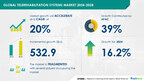
NEW YORK, Jan. 20, 2025 /PRNewswire/ — Report on how AI is driving market transformation – The global telerehabilitation systems market size is estimated to grow by USD 532.9 million from 2024-2028, according to Technavio. The market is estimated to grow at a CAGR of 20% during the forecast period. Increasing incidence of chronic diseases is driving market growth, with a trend towards advent of advanced technologies. However, complexities in implementation of internet connection poses a challenge. Key market players include BRONTES PROCESSING Sp. Z o.o. Ltd, Cisco Systems Inc., CoRehab srl, DIH Group, Evolv Rehabilitation Technologies SL, GestureTek Health, Hinge Health Inc., Honeywell International Inc., Jitrnonix, KineQuantum SAS, Kineto Tech Rehab SRL, Koninklijke Philips N.V., LiteGait, MindMaze SA, MIRA Rehab Ltd., NeoRehab, Rehametrics, Robert Bosch GmbH, SWORD Health Technologies Inc., and Tyromotion GmbH.
Key insights into market evolution with AI-powered analysis. Explore trends, segmentation, and growth drivers- View Free Sample PDF
Telerehabilitation Systems Market Scope
Report Coverage
Details
Base year
2023
Historic period
2018 – 2022
Forecast period
2024-2028
Growth momentum & CAGR
Accelerate at a CAGR of 20%
Market growth 2024-2028
USD 532.9 million
Market structure
Fragmented
YoY growth 2022-2023 (%)
16.2
Regional analysis
North America, Europe, APAC, South America, and Middle East and Africa
Performing market contribution
APAC at 39%
Key countries
US, China, Germany, Canada, and France
Key companies profiled
BRONTES PROCESSING Sp. Z o.o. Ltd, Cisco Systems Inc., CoRehab srl, DIH Group, Evolv Rehabilitation Technologies SL, GestureTek Health, Hinge Health Inc., Honeywell International Inc., Jitrnonix, KineQuantum SAS, Kineto Tech Rehab SRL, Koninklijke Philips N.V., LiteGait, MindMaze SA, MIRA Rehab Ltd., NeoRehab, Rehametrics, Robert Bosch GmbH, SWORD Health Technologies Inc., and Tyromotion GmbH
Market Driver
The Telerehabilitation market is experiencing significant growth due to the increasing adoption of digital technologies in delivering rehabilitation services. E-rehabilitation, also known as telerehabilitation, enables medical professionals to provide diagnosis and therapy through remote communication using the internet and telecommunication networks. This includes physical therapy, speech-language therapy, occupational therapy, audiology, psychology, and various therapy modalities for disorders like traumatic brain injury, cerebrovascular accidents, and pediatric population. Digital technologies such as smartphones, internet penetration, and telehealth technologies are driving the market. Rehabilitation professionals use software like Rehametrics and fitness programs for clinical therapy and behavioral therapy. Tele physiotherapy, remote patient monitoring, and e-visits are also gaining popularity. The market includes hardware like motion sensors, virtual reality, and artificial intelligence (AI) for real-time assessment and improved patient outcomes. Telehealth policies and insurance coverage are crucial for market growth. The aging population and chronic conditions require continued care and accessibility, making telerehabilitation an essential part of healthcare integration. Data security and patient satisfaction are key concerns, and telehealth policy reforms and telemedicine policies are essential for market growth.
Telerehabilitation systems market is set to experience significant growth due to technological advancements, including machine learning, predictive analytics, and big data. These innovations enable more effective and personalized rehabilitation programs. Additionally, the integration of IoT, augmented reality, and virtual reality enhances patient engagement and outcomes. The adoption of Industry 4.0 technologies, such as AI, 3D printing, and the IIoT, in manufacturing and production processes also positively impacts the telerehabilitation market by improving efficiency and reducing costs. Overall, these technological advancements contribute to the growth and transformation of the telerehabilitation systems market.
Request Sample of our comprehensive report now to stay ahead in the AI-driven market evolution!
Market Challenges
The Telerehabilitation market, also known as E-rehabilitation, is growing rapidly as medical professionals turn to telecommunication networks and the Internet for delivering rehabilitation services. Challenges include ensuring effective diagnosis and therapy through remote communication for various disorders such as traumatic brain injury, cerebrovascular accidents, and pediatric population. Digital technologies like smartphones and internet penetration have made clinical therapy, behavioral therapy, neurological therapy, and cognitive rehabilitation more accessible. However, engagement and continuity of care are crucial for patient outcomes. Healthcare costs, digital health technologies, and telehealth services are driving market growth for chronic conditions and chronic diseases. Telecommunication infrastructure, patient engagement, and health data security are key considerations. Telehealth policies and insurance coverage are also important factors. AI and telemedicine policy reforms are expected to boost market growth. Rehabilitation professionals use software like Rehametrics and hardware like motion sensors for virtual consultation and real-time assessment. Tele rehabilitation applications include physical therapy, speech-language therapy, occupational therapy, audiology, psychology, and drug and alcohol addiction treatment. The market includes software, hardware, virtual reality, and remote patient monitoring solutions. The market caters to orthopedic, cardiovascular, and homecare settings, among others. Patient satisfaction and healthcare access are crucial for success. Telehealth integration and telecommunication technologies enable remote monitoring and virtual consultation, improving healthcare access and patient outcomes for the aging and geriatric population. Data infringement is a concern, but can be mitigated through security measures. Overall, the Telerehabilitation market offers significant opportunities for innovation and growth in the healthcare sector.Telerehabilitation systems offer numerous benefits for healthcare organizations, enabling remote patient care and improving access to specialized services. However, the successful implementation of these systems relies on a stable Internet connection capable of supporting various hospital applications. The clinical setting, patient population, and service requirements dictate the specific telerehabilitation applications. Despite its advantages, telerehabilitation adoption faces challenges, particularly in rural areas. These hospitals often lack the necessary workforce and financial resources to invest in and maintain telerehabilitation technology. Furthermore, the absence of a reliable Internet connection in rural regions hinders the provision of telerehabilitation services. Internet service providers find it unprofitable to extend their networks into these areas, creating a significant barrier to adoption.
Discover how AI is revolutionizing market trends- Get your access now!
Segment Overview
This telerehabilitation systems market report extensively covers market segmentation by
Product 1.1 Hardware1.2 SoftwareType 2.1 Physical therapy2.2 Occupational therapy2.3 OthersGeography 3.1 North America3.2 Europe3.3 APAC3.4 South America3.5 Middle East and AfricaApplication
1.1 Hardware- The global telerehabilitation systems market was dominated by the hardware segment in 2023. This segment includes hardware such as head-mounted displays (HMDs), sensor motion tracking systems, and haptic devices. HMDs create a parallax effect, allowing the brain to perceive depth based on object position differences. Sensors, including gyroscopes and accelerometers, detect body movement, providing data for software inputs. Hardware has higher initial investments but offers superior performance. The rising demand for advanced platforms for occupational and physical therapy, as well as robot-assisted rehabilitation, will fuel hardware segment growth. Vendors provide a range of telerehabilitation systems for home and center use, making rehabilitation accessible while maintaining social distancing. In the post-COVID era, telerehabilitation is an ideal solution for patients with mild to moderate disabilities, requiring frequent monitoring and living in isolated areas. These factors are expected to boost the global telerehabilitation systems market during the forecast period.
Download a Sample of our comprehensive report today to discover how AI-driven innovations are reshaping competitive dynamics
Research Analysis
Telerehabilitation, also known as e-rehabilitation, refers to the delivery of rehabilitation services through telecommunication networks, primarily the internet. This innovative approach to healthcare enables medical professionals to provide diagnosis, therapy, and consultation remotely for various rehabilitation needs, including physical therapy, speech-language therapy, occupational therapy, audiology, and more. Digital health technologies, such as video conferencing, mobile applications, and wearable devices, are essential components of telerehabilitation. The market for telerehabilitation continues to grow, driven by the increasing prevalence of chronic conditions and chronic diseases, the aging and geriatric population, and the need for remote healthcare access. Telecommunication infrastructure, software, and virtual consultation are key elements of telerehabilitation systems, enabling remote monitoring, diagnosis, and therapy in a homecare setting for orthopedic applications and other rehabilitation needs.
Market Research Overview
Telerehabilitation, also known as e-rehabilitation, refers to the delivery of rehabilitation services through telecommunication networks, primarily the internet. This innovative approach enables medical professionals to provide diagnosis, therapy, and clinical assessment for various disorders, including traumatic brain injury, cerebrovascular accidents, pediatric population, and chronic conditions like osteoarthritis and drug, alcohol addiction. Digital technologies such as smartphones, internet penetration, and digital health technologies have facilitated the growth of this market. Therapy modalities include physical therapy, speech-language therapy, occupational therapy, audiology, psychology, and neurological therapy. Disorders can be diagnosed and treated remotely, reducing healthcare costs and increasing accessibility, especially for those in rural areas or with mobility issues. The market includes software and hardware segments, with tele physiotherapy, remote patient monitoring, and virtual reality being key therapy modalities. Patient engagement, continuity of care, and patient-centric care are crucial factors driving the market’s growth. Telehealth policies, AI, and telemedicine policy reforms are also significant factors influencing the market’s expansion. The market caters to various healthcare settings, including homecare and healthcare facilities, and offers real-time assessment and virtual consultation. However, concerns regarding health data security, insurance coverage, and data infringement remain challenges for the industry. The aging population and the increasing prevalence of chronic conditions further fuel the demand for telerehabilitation services.
Table of Contents:
1 Executive Summary
2 Market Landscape
3 Market Sizing
4 Historic Market Size
5 Five Forces Analysis
6 Market Segmentation
ProductHardwareSoftwareTypePhysical TherapyOccupational TherapyOthersGeographyNorth AmericaEuropeAPACSouth AmericaMiddle East And AfricaApplication
7 Customer Landscape
8 Geographic Landscape
9 Drivers, Challenges, and Trends
10 Company Landscape
11 Company Analysis
12 Appendix
About Technavio
Technavio is a leading global technology research and advisory company. Their research and analysis focuses on emerging market trends and provides actionable insights to help businesses identify market opportunities and develop effective strategies to optimize their market positions.
With over 500 specialized analysts, Technavio’s report library consists of more than 17,000 reports and counting, covering 800 technologies, spanning across 50 countries. Their client base consists of enterprises of all sizes, including more than 100 Fortune 500 companies. This growing client base relies on Technavio’s comprehensive coverage, extensive research, and actionable market insights to identify opportunities in existing and potential markets and assess their competitive positions within changing market scenarios.
Contacts
Technavio Research
Jesse Maida
Media & Marketing Executive
US: +1 844 364 1100
UK: +44 203 893 3200
Email: media@technavio.com
Website: www.technavio.com/
View original content to download multimedia:https://www.prnewswire.com/news-releases/telerehabilitation-systems-market-to-grow-by-usd-532-9-million-2024-2028-rising-chronic-disease-cases-drive-growth-ai-powered-market-evolution—technavio-302355243.html
SOURCE Technavio









 Technology4 days ago
 Coin Market4 days ago
 Coin Market5 days ago
 Coin Market5 days ago
 Coin Market5 days ago
 Technology4 days ago
 Technology5 days ago
 Technology4 days ago