Connect with us

Technology

Sharing Economy Market to Grow by USD 1.12 Trillion by 2029, Rising Online Ride-Hailing Services Boost Market, Report on How AI is Driving Transformation – Technavio

Published

on

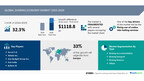
NEW YORK, Feb. 6, 2025 /PRNewswire/ — Report with the AI impact on market trends – The global sharing economy market size is estimated to grow by USD 1.12 trillion from 2025-2029, according to Technavio. The market is estimated to grow at a CAGR of  32.3%  during the forecast period. Rising use of online ride-hailing services is driving market growth, with a trend towards growing adoption of blockchain technology in sharing economy market. However, regulatory challenges associated with sharing economy apps and platforms  poses a challenge. Key market players include Accor S.A., Airbnb Inc., Avis Budget Group Inc., Avis India, Bollore SE, cambio Mobilitatsservice GmbH and Co. KG, Comuto SA, Couchsurfing International Inc, DiDi Inc., DoorDash Inc., Eatwith, Expedia Group Inc., HomeRoom Inc, Homestay Technologies Ltd., HubbleHQ, JustPark Parking Ltd, Lyft Inc., Microsoft Corp., Neutron Holdings Inc., Practo Technologies Pvt. Ltd., SPOTAHOME S.L.U, Stashbee Ltd, Uber Technologies Inc., and WeWork Inc.

Key insights into market evolution with AI-powered analysis. Explore trends, segmentation, and growth drivers- View Free Sample PDF

Sharing Economy Market Scope

Report Coverage

Details

Base year

2024

Historic period

2019 – 2023

Forecast period

2025-2029

Growth momentum & CAGR

Accelerate at a CAGR of 32.3%

Market growth 2025-2029

USD 1118.8 billion

Market structure

Fragmented

YoY growth 2022-2023 (%)

25.7

Regional analysis

APAC, Europe, North America, South America, and Middle East and Africa

Performing market contribution

Europe at 33%

Key countries

US, China, Germany, Japan, UK, South Korea, France, Canada, Brazil, and Saudi Arabia

Key companies profiled

Accor S.A., Airbnb Inc., Avis Budget Group Inc., Avis India, Bollore SE, cambio Mobilitatsservice GmbH and Co. KG, Comuto SA, Couchsurfing International Inc, DiDi Global Inc., DoorDash Inc., Eatwith, Expedia Group Inc., HomeRoom Inc, Homestay Technologies Ltd., HubbleHQ, JustPark Parking Ltd, Lyft Inc., Microsoft Corp., Neutron Holdings Inc., Practo Technologies Pvt. Ltd., SPOTAHOME S.L.U, Stashbee Ltd, Uber Technologies Inc., and WeWork Inc

Market Driver

The Sharing Economy, also known as the Peer Economy, is revolutionizing the way we buy and sell goods, services, and even assets. This trend, driven by digital platforms and online markets, enables peer-to-peer transactions through ride-sharing services, home-sharing services, and peer-to-peer financing channels. It’s changing the face of capitalism, offering alternatives to conventional ownership models for commuters, travelers, and entrepreneurs. The Sharing Economy includes ride-sharing, short-term lodging services, delivery, pet care, freelancing platforms, and more. It caters to budget-conscious people, addressing their financial burdens and offering affordable services. This multidimensional strategy focuses on consumer loyalty, entrepreneurial innovation, and environmental responsibility. However, challenges such as consumer data privacy, security breaches, safety standards, and information security are crucial concerns. Regulations and data protection laws are essential to protect consumers’ expectations and ensure data security measures. The Sharing Economy is not limited to ride-sharing and lodging; it’s expanding into various sectors like finance, workspaces, and even entertainment. It’s a global phenomenon, with smartphone applications, real-time tracking, and secure payment methods making transactions seamless. The future of the Sharing Economy is promising, with trends like electric bikes, scooters, autonomous cars, and carpooling shaping the mobility scene. It’s a flexible, affordable, and sustainable way to access goods and services, making it an attractive option for Generation Z, Millennials, Generation X, and Boomers alike. 

The incorporation of blockchain technology into the sharing economy market holds immense potential for addressing fundamental challenges and fueling growth. Blockchain, a decentralized and distributed digital ledger system, offers immutable transaction records and smart contracts, bolstering security, transparency, and trust within this sector. A key advantage is the enhancement of identity verification and reputation systems. Blockchain ensures secure and transparent user identity validation, minimizing fraudulent activities. Reputation scores, essential for peer-to-peer transactions, can be securely stored on the blockchain, providing a dependable measure of trustworthiness for both service providers and consumers. 

Request Sample of our comprehensive report now to stay ahead in the AI-driven market evolution!

Market Challenges

The Sharing Economy Market, also known as the Peer Economy, is revolutionizing the way we consume goods, services, and assets. This business model allows individuals to rent, share, or exchange resources through digital platforms, facilitating peer-to-peer transactions. Ride-sharing services, home-sharing services, peer-to-peer financing channels, co-working facilities, and freelancing platforms are some examples. However, this market faces challenges. Environmental responsibility, affordability, and consumer expectations call for sustainable, flexible, and affordable services. Traditional ownership models are being disrupted, with budget-conscious people turning to sharing economy alternatives. Security and privacy concerns arise from digital platforms and real-time tracking, requiring data security measures and compliance with data protection laws. Safety standards and information security are essential for consumer trust. Exploitation and fairness are also issues that need addressing. Technology adoption, including smartphone applications, artificial intelligence, and contactless payment systems, is crucial for scalability and user experience. The shared mobility industry, including ride-sharing, electric bikes, scooters, and autonomous cars, is a significant part of this market. The sharing economy impacts various demographics, including Generation Z, Millennials, Generation X, and Boomers, who use mobile apps for ride-sharing, short-term rental properties, peer-to-peer lending, and collaborative work environments. Entrepreneurial innovation and community-based online platforms are driving this multidimensional strategy, which also includes entertainment and telecommunication, transportation, hospitality, and information and knowledge sharing. The challenges for ride-sharing services businesses, short-term rental properties, and peer-to-peer lending include cancellations, cleanliness, safety, and vehicle cleaning requirements. The shared economy market is a dynamic and evolving landscape that requires a comprehensive, adaptive approach.The sharing economy market faces challenges due to ambiguous regulations and fragmented legal frameworks across different regions. This lack of clear and consistent regulations may discourage innovation and investment in new technologies or services, stifling creativity and limiting the market’s potential for transformative solutions. Inconsistent regulations can also lead to market fragmentation, making it difficult for platforms to operate across borders and scale up, ultimately hindering their ability to reach new customers. These regulatory hurdles can hinder the growth and development of the global sharing economy market.

Discover how AI is revolutionizing market trends- Get your access now!

Segment Overview 

This sharing economy market report extensively covers market segmentation by  

TypeSharing AccommodationSharing TransportSharing FinanceOthersEnd-userIndividualBusinessGeographyAPACEuropeNorth AmericaSouth AmericaMiddle East And Africa

1.1 Sharing accommodation-  The sharing accommodation segment of the global market is driven by individuals and travelers seeking cost-effective, flexible alternatives to traditional lodging. Silvernest, HomeRoom, and CouchSurfing are key vendors in this sector. Silvernest focuses on older adults seeking shared living arrangements, HomeRoom caters to the academic community, and CouchSurfing promotes cultural exchange through free home-stays. These platforms foster community building and provide unique, personalized travel experiences. Technological advancements facilitate secure transactions, and the rising demand for cost-effective and authentic experiences will drive growth in the sharing economy market through the sharing accommodation segment.

Download a Sample of our comprehensive report today to discover how AI-driven innovations are reshaping competitive dynamics

Research Analysis

The Sharing Economy, also known as the Peer Economy, is a market model that enables direct interactions between individuals to rent, share, and exchange goods, services, and assets through digital platforms. This economic system is transforming traditional capitalism by promoting community-based online platforms for peer-to-peer transactions. The Sharing Economy includes various sectors such as transportation (ride-sharing services), hospitality (home-sharing services), and even peer-to-peer financing channels. It offers flexible, affordable, and sustainable services in areas like co-working facilities, freelancing platforms, and information and knowledge exchange. These digital marketplaces facilitate the efficient use of resources, promote environment-friendly practices, and foster a culture of circularity. Mobile apps have made it easier than ever to participate in the Sharing Economy, making it an essential part of modern consumer behavior.

Market Research Overview

The Sharing Economy Market, also known as the Peer Economy, is a revolutionary capitalist model that enables the exchange and sharing of goods, services, and assets through online markets and digital platforms. This multidimensional strategy connects individuals and businesses for peer-to-peer transactions, including renting, sharing, and exchanging. Ride-sharing services, home-sharing services, peer-to-peer financing channels, co-working facilities, and freelancing platforms are just a few examples of this collaborative economy. Environmental responsibility is a key focus, with short-term lodging services, ride-sharing, and delivery services offering more affordable and eco-friendly alternatives to conventional ownership models. Consumer loyalty is fostered through budget-conscious offerings and entrepreneurial innovation. However, challenges include consumer data privacy, security breaches, safety standards, and information security. Regulations and data protection laws are essential to ensure consumer expectations are met and exploitation is prevented. The sharing economy encompasses various sectors such as transportation, hospitality, information and knowledge, and entertainment and telecommunication. It caters to different generations, including Generation Z, Millennials, Generation X, and Boomers, through mobile apps, websites, and real-time tracking. The shared mobility industry continues to evolve with the adoption of technology, including smartphone applications, electric bikes, scooters, autonomous cars, and contactless payment systems. Cleanliness, safety, and flexible services are essential to maintaining consumer trust. The future of the sharing economy includes the scalability of user-friendly platforms, the mobility scene, and the integration of artificial intelligence. This market offers opportunities for micro-entrepreneurs, gig workers, and underutilized resources, creating a circular and sustainable economy.

Table of Contents:

1 Executive Summary
2 Market Landscape
3 Market Sizing
4 Historic Market Size
5 Five Forces Analysis
6 Market Segmentation

TypeSharing AccommodationSharing TransportSharing FinanceOthersEnd-userIndividualBusinessGeographyAPACEuropeNorth AmericaSouth AmericaMiddle East And Africa

7 Customer Landscape
8 Geographic Landscape
9 Drivers, Challenges, and Trends
10 Company Landscape
11 Company Analysis
12 Appendix

About Technavio

Technavio is a leading global technology research and advisory company. Their research and analysis focuses on emerging market trends and provides actionable insights to help businesses identify market opportunities and develop effective strategies to optimize their market positions.

With over 500 specialized analysts, Technavio’s report library consists of more than 17,000 reports and counting, covering 800 technologies, spanning across 50 countries. Their client base consists of enterprises of all sizes, including more than 100 Fortune 500 companies. This growing client base relies on Technavio’s comprehensive coverage, extensive research, and actionable market insights to identify opportunities in existing and potential markets and assess their competitive positions within changing market scenarios.

Contacts

Technavio Research
Jesse Maida
Media & Marketing Executive
US: +1 844 364 1100
UK: +44 203 893 3200
Email: media@technavio.com
Website: www.technavio.com/

View original content to download multimedia:https://www.prnewswire.com/news-releases/sharing-economy-market-to-grow-by-usd-1-12-trillion-by-2029–rising-online-ride-hailing-services-boost-market-report-on-how-ai-is-driving-transformation—technavio-302368582.html

SOURCE Technavio

Continue Reading

Technology

Cboe Global Markets Announces Increase in Share Repurchase Authorization; Declares Fourth-Quarter 2026 Dividend

Published

on

By

Increases share repurchase authorization by $550 millionQuarterly cash dividend of $0.86 per share

CHICAGO, Oct. 22, 2026 /PRNewswire/ — Cboe Global Markets, Inc. (Cboe: CBOE), a leading global markets operator and pioneer in equity and index derivatives, today announced its Board of Directors has authorized the company to repurchase up to an additional $550 million of its outstanding common stock and declared a quarterly cash dividend of $0.86 per share of common stock for the fourth quarter of 2026.

The fourth-quarter 2026 dividend is payable on December 15, 2026, to stockholders of record as of November 30, 2026. 

As of June 30, 2026, the Company had $536.8 million of availability remaining under its existing share repurchase authorizations.

“Cboe’s strong cash flow and robust balance sheet give us the flexibility to continue investing in our growth priorities while returning capital to shareholders,” said Craig Donohue, Chief Executive Officer of Cboe Global Markets. “Today’s increase to our share repurchase authorization, together with our dividend announcement, reflect the Board’s confidence in our business and our commitment to delivering long-term value.”

The share repurchase program has no expiration date. The repurchase program permits the company to purchase shares through a variety of methods, including in the open market, through established trading plans, or through privately negotiated transactions, in accordance with applicable securities laws. It does not obligate the company to make any repurchases at any specific time or situation. The timing and extent to which the company repurchases its shares will depend upon, among other things, market conditions, share price, liquidity targets, regulatory requirements and other factors. Share repurchases may be commenced or suspended at any time or from time to time without prior notice.

About Cboe Global Markets
Cboe Global Markets (Cboe: CBOE) is a leading global markets operator with a long history of innovation in equity and index derivatives. Since launching the world’s first listed options exchange in 1973, Cboe has pioneered landmark products, including the introduction of S&P 500® index options and the creation of the VIX® Index, the world’s leading gauge of market volatility, reshaping how investors manage risk and access opportunity. Today, Cboe operates derivatives, equities, and FX markets, providing trading, clearing, and investment solutions for customers worldwide. To learn more, visit www.cboe.com.

Cboe Media Contacts

Cboe Analyst Contact

Angela Tu

Tim Cave

Kenneth Hill, CFA

+1-646-856-8734

+44 (0) 7593-506-719

+1-312-786-7559

atu@cboe.com 

tcave@cboe.com

khill@cboe.com 

CBOE-C
CBOE-OE

Cboe®, Cboe Global Markets®, and VIX ® are registered trademarks or service marks of Cboe Exchange, Inc and S&P 500® is a registered trademark of Standard & Poor’s Financial Services LLC. All other trademarks and service marks are the property of their respective owners. 

Cautionary Statements Regarding Forward-Looking Information

This press release contains forward-looking statements within the meaning of the Private Securities Litigation Reform Act of 1995 that involve a number of risks and uncertainties. You can identify these statements by forward-looking words such as “may,” “might,” “should,” “expect,” “plan,” “anticipate,” “believe,” “estimate,” “predict,” “potential” or “continue,” and the negative of these terms and other comparable terminology. All statements that reflect our expectations, assumptions or projections about the future other than statements of historical fact are forward-looking statements. These forward-looking statements, which are subject to known and unknown risks, uncertainties and assumptions about us, may include projections of our future financial performance based on our growth strategies and anticipated trends in our business. These statements are only predictions based on our current expectations and projections about future events. There are important factors that could cause our actual results, level of activity, performance or achievements to differ materially from those expressed or implied by the forward-looking statements.

We operate in a very competitive and rapidly changing environment. New risks and uncertainties emerge from time to time, and it is not possible to predict all risks and uncertainties, nor can we assess the impact of all factors on our business or the extent to which any factor, or combination of factors, may cause actual results to differ materially from those contained in any forward-looking statements.

Some factors that could cause actual results to differ include: the loss of our right to exclusively list and trade certain index options and futures products; economic, political and market conditions; compliance with legal and regulatory obligations; price and new products and services competition and consolidation in our industry; decreases in trading or clearing volumes, market data fees or a shift in the mix of products traded on our exchanges; legislative or regulatory changes or changes in tax regimes; our ability to protect our systems and communication networks from security vulnerabilities and breaches; our ability to attract and retain skilled management and other personnel; increasing competition by foreign and domestic entities; our business and operational dependence on and exposure to risk from third parties; factors that impact the quality and integrity of our and other applicable indices; our ability to manage our global operations, growth, and strategic acquisitions, wind downs, divestitures, or alliances effectively; increases in the cost of the products and services we use; our ability to operate our business without violating the intellectual property rights of others and the costs associated with protecting our intellectual property rights; our ability to minimize the risks, including our credit, liquidity, market, investment, counterparty, and default risks, associated with operating our clearinghouses; our ability to accommodate trading and clearing volume and transaction traffic, including significant increases, without failure or degradation of performance of our systems; misconduct by those who use our markets or our products or for whom we clear transactions; challenges to our use of open source software code; our ability to meet our compliance obligations, including managing our business interests and our regulatory responsibilities; the loss of key customers or a significant reduction in trading or clearing volumes by key customers; damage to our reputation; the ability of our compliance and risk management methods to effectively monitor and manage our risks; restrictions imposed by our debt obligations and our ability to make payments on or refinance our debt obligations; our ability to maintain an investment grade credit rating; impairment of our goodwill, long-lived assets, investments or intangible assets; the accuracy of our estimates and expectations; and litigation risks and other liabilities. More detailed information about factors that may affect our actual results to differ may be found in our filings with the SEC, including in our Annual Report on Form 10-K for the year ended December 31, 2025 and other filings made from time to time with the SEC.

We do not undertake, and we expressly disclaim, any duty to update any forward-looking statement whether as a result of new information, future events or otherwise, except as required by law. Readers are cautioned not to place undue reliance on these forward-looking statements, which speak only as of the date hereof.

View original content to download multimedia:https://www.prnewswire.com/news-releases/cboe-global-markets-announces-increase-in-share-repurchase-authorization-declares-fourth-quarter-2026-dividend-302917368.html

SOURCE Cboe Global Markets, Inc.

Continue Reading

Technology

Community Heritage Financial, Inc. Announces Adoption of Stock Repurchase Program

Published

on

By

MIDDLETOWN, Md., Oct. 22, 2026 /PRNewswire/ — Community Heritage Financial, Inc. (the “Company”) (OTCID: CMHF), the parent company of Middletown Valley Bank, today announced that its Board of Directors has adopted a stock repurchase program. Under the repurchase program, the Company may repurchase up to 147 thousand shares of its common stock. This amount represents approximately 5.0% of the Company’s 2.95 million shares of common stock outstanding.

The repurchase program permits shares to be repurchased from time to time on the open market, in private-negotiated transactions or otherwise. Repurchases will be made at management’s discretion at prices management considers to be attractive and in the best interests of the Company and its stockholders, subject to general market conditions, the trading price of the Company’s common stock, regulatory requirements and limitations, alternative uses for capital, the Company’s financial performance, and other factors deemed appropriate.

The repurchase program expires August 21, 2027.  The repurchase program may be suspended, terminated or modified at any time for any reason and does not obligate the Company to purchase any particular number of shares.

About Community Heritage Financial, Inc.

Community Heritage Financial, Inc. is the parent company of Middletown Valley Bank (the “Bank” or “MVB”). Middletown Valley Bank offers a full suite of personal and business banking solutions, along with residential mortgage lending through its MVB Home Loans division. At the heart of the MVB brand is a commitment to delivering Absolutely Exceptional Experiences – one customer, one community, one experience at a time. Founded in 1908 in Middletown, Maryland, MVB has grown to serve customers across Frederick, Washington, and Garrett counties in Maryland, as well as Franklin County, Pennsylvania. For more information, visit www.communityheritageinc.com or www.mvbbank.com.

Forward-Looking Statements

This press release contains forward-looking statements within the meaning of applicable securities laws.  Forward-looking statements can generally be identified by the use of forward- looking terminology such as “believes,” “expects,” “intends,” “may,” “will,” “should,” “anticipates” or similar terminology.  Such statements are subject to risks and uncertainties that could cause actual results to differ materially from future results expressed or implied by such forward-looking statements.  Potential risks and uncertainties include, but are not limited to, changes in interest rates, stock market liquidity, deposit flows, loan demand and real estate values, as well as changes in economic, competitive, governmental, regulatory, technological and other factors which may affect the Company specifically, its existing and target market areas or the banking industry in general.  The realization or occurrence of these risks or uncertainties could cause actual results to differ materially from those addressed in the forward-looking statements.  The statements in this press release are made as of the date of this release.  The Company undertakes no obligation to update or revise any forward-looking statement, whether as a result of new information, future events or results or otherwise, except as required by law.

Community Heritage Financial, Inc. 

Robert E. Goetz, Jr. (“BJ”)
President & Chief Executive Officer
301-371-3055

John A. Scaldara, Jr.
Executive Vice President and Chief Financial Officer
301-371-3070

View original content to download multimedia:https://www.prnewswire.com/news-releases/community-heritage-financial-inc-announces-adoption-of-stock-repurchase-program-302917441.html

SOURCE Community Heritage Financial, Inc.

Continue Reading

Technology

Insurance Professional Paula Miller Shares Questions to Ask Before Choosing Life Insurance in HelloNation

Published

on

By

The article explains how coverage needs, policy terms, premiums, exclusions, and beneficiaries can help families compare their options.

SIMI VALLEY, Calif., Oct. 22, 2026 /PRNewswire/ — What questions should you ask before choosing life insurance?

HelloNation has published an article featuring insights from Insurance Professional Paula Miller of Simi Valley, CA. The article explains how asking about coverage, costs, policy terms, and family needs can help households make informed comparisons before selecting a policy.

The HelloNation article explains that choosing life insurance begins with determining which type of policy fits a household’s goals. Term life insurance generally provides protection for a set period, while permanent policies may provide longer coverage when policy requirements are met. Understanding these differences can help narrow the available choices.

The amount of life insurance coverage is another important consideration. Income, debts, housing expenses, education plans, and dependent needs may all influence how much protection a household requires. The article notes that life insurance coverage should reflect what the policy would need to provide if the insured person died.

Coverage length should also match the household’s expected financial timeline. Term life insurance may be appropriate when protection is needed while children remain dependent, a mortgage is being paid, or retirement savings are still growing. Buyers should understand what happens when the initial term ends before selecting a policy.

The article also recommends examining life insurance premiums carefully. Age, health, coverage amount, policy type, and underwriting factors can influence cost. An insurance agent should be able to explain how these factors affect pricing and whether life insurance premiums remain level or may change over time.

Price alone, however, does not provide a complete basis for comparison. The article explains that policy exclusions, benefit terms, and coverage duration can affect the protection a policy provides. Reviewing policy exclusions before purchasing can help households understand circumstances that may limit coverage.

Beneficiaries are another important part of policy planning. Policyholders should understand how beneficiaries are named and how those selections can be changed. Marriage, divorce, births, deaths, and other significant life events may create reasons to review those decisions.

Optional policy features also deserve careful attention. Some policies include riders or other provisions designed for specific circumstances. The article recommends asking what each feature provides, what it costs, and whether it addresses a financial need relevant to the household.

The application process can affect both eligibility and final pricing. Depending on the policy, an insurer may review health information and other underwriting factors before making a final offer. An insurance agent can explain unfamiliar provisions and help applicants understand why an initial estimate may differ from final policy terms.

The article emphasizes that several factors should be evaluated together when comparing policies. Coverage amount, duration, benefits, costs, and contract terms can all affect the protection provided. Understanding these details can help families evaluate policies based on their financial responsibilities rather than monthly price alone.

Insurance needs can also change over time. Buying a home, growing a family, changing careers, or reducing debt may affect the amount or duration of protection needed. Periodically reviewing life insurance can help determine whether existing protection still reflects a household’s circumstances.

What Questions Should You Ask Before Choosing Life Insurance? features insights from Paula Miller, Insurance Professional of Simi Valley, CA, in HelloNation.

About HelloNation
HelloNation is America’s Good News Network, a premier media platform built on the idea that good news travels faster when real people tell real stories. Through its community-focused publications and innovative “edvertising” approach, HelloNation delivers content that informs, inspires, and spotlights the leaders making a meaningful impact in their communities.

View original content to download multimedia:https://www.prnewswire.com/news-releases/insurance-professional-paula-miller-shares-questions-to-ask-before-choosing-life-insurance-in-hellonation-302917444.html

SOURCE HelloNation

Continue Reading

Trending