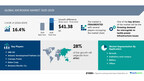
NEW YORK, Feb. 11, 2025 /PRNewswire/ — Report on how AI is driving market transformation – The global microgrid market size is estimated to grow by USD 41.38 billion from 2025-2029, according to Technavio. The market is estimated to grow at a CAGR of 16.4% during the forecast period. Growing demand for microgrids to tackle power infrastructure issues is driving market growth, with a trend towards rapid advances in technology. However, high implementation costs poses a challenge. Key market players include ABB Ltd, Anbaric Development Partners LLC, Canopy Power, Eaton Corp., Emerson Electric Co., Exelon Corp., General Electric Co., General MicroGrids, Gram Power (India) Pvt. Ltd., Honeywell International Inc., Pareto Energy, Power Analytics Corp., Powerhive Inc., S and C Electric Co., Schneider Electric SE, Siemens AG, Spirae LLC, Tesla Inc., TotalEnergies SE, and UL Solutions Inc..
AI-Powered Market Evolution Insights. Our comprehensive market report ready with the latest trends, growth opportunities, and strategic analysis- View Free Sample Report PDF
Forecast period
2025-2029
Base Year
2024
Historic Data
2019 – 2023
Segment Covered
Application (Remote, Institutions and campus, Military, and Others), Connectivity (Grid connected and Off-grid connected), and Geography (North America, APAC, Europe, South America, and Middle East and Africa)
Region Covered
North America, APAC, Europe, South America, and Middle East and Africa
Key companies profiled
ABB Ltd, Anbaric Development Partners LLC, Canopy Power, Eaton Corp., Emerson Electric Co., Exelon Corp., General Electric Co., General MicroGrids, Gram Power (India) Pvt. Ltd., Honeywell International Inc., Pareto Energy, Power Analytics Global Corp., Powerhive Inc., S and C Electric Co., Schneider Electric SE, Siemens AG, Spirae LLC, Tesla Inc., TotalEnergies SE, and UL Solutions Inc.
Key Market Trends Fueling Growth
The electricity utility business is undergoing significant transformations with microgrids emerging as the new foundation of the electricity sector. Advancements in compact energy storage systems, advanced control systems, and efficient renewable power generation sources are enabling the creation of energy resources closer to consumers without compromising energy quality. The declining cost of power generation is driving the adoption of decentralized power systems like microgrids, which is expected to increase their popularity among consumers. Blockchain technology, known for its association with bitcoins, is being integrated into microgrid systems for peer-to-peer energy trading. For instance, Brooklyn Microgrid’s blockchain-based peer-to-peer energy trading system approved a 12-month pilot program in early 2020, allowing locals to buy and sell solar energy within the New York City region. This initiative empowers individuals with surplus energy to earn income, revolutionizing the microgrid industry. Current microgrid systems utilize several power electronic devices and energy sources while connected to the grid or in island mode. The US Department of Energy (DOE) has designated R&D programs to develop next-generation microgrids with a capacity of less than 10 MW, capable of reducing outage time by more than 98%, reducing emissions by over 20%, and improving system efficiency by more than 20%. The USD425 million allocated to the Advanced Research Projects Agency-Energy, USD2,848 million to the Energy Efficiency and Renewable Energy, USD750 million to Fossil Energy’s R&D programs, and USD190 million to the Office of Electricity are expected to foster new technologies, enabling microgrids to work in parallel with utility distribution grids and transition seamlessly to an autonomous power system mode. These technological advancements will accelerate microgrid adoption and potentially disrupt the traditional power sector. Collaboration between utilities on microgrid projects is also anticipated due to these developments. Consequently, these factors are projected to fuel the growth of the global microgrid market during the forecast period.
Microgrids are becoming a significant trend in the electric system, offering reliable electricity supply through renewable resources like wind, solar, and hydrogen. Smart microgrids are gaining popularity as power sources for regional electric grids, with prototypes using wind turbines, solar PV, and fuel cells. Hydraulic fracturing technology and diesel gensets are still used, but the shift is towards hybrid technology and distributed energy resources. Defense microgrids ensure energy security for defense bases and remote installations, including healthcare facilities and residential infrastructure. Energy storage systems reduce transmission losses and provide backup power for data centers, lighting, electronic goods, and public infrastructure like streetlights and traffic signals. The shift to microgrids reduces carbon footprint and decreases dependence on traditional fuel sources like diesel and fossil fuels.
Insights on how AI is driving innovation, efficiency, and market growth- Request Sample!
Market Challenges
Microgrids represent a complex and costly power generation solution, involving advanced technologies for power generation resources, distribution infrastructure, and control systems. These components are categorized as infrastructure, generation, and controls. The cost of building a microgrid varies significantly, ranging from USD250,000 to USD100 million, depending on the specific customer requirements. Integration with additional technologies to ensure platform functionality increases equipment production costs. In the US, microgrids must adhere to mandatory standards like IEEE 1547 and 2030 for interaction with local utility distribution grids and their energy management systems (EMS), distribution management systems (DMS), and supervisory control and data acquisition (SCADA) systems. The high cost of microgrid components is a significant challenge for the global microgrid market’s growth.Microgrids offer a solution to various challenges in the power sector, including rural electrification, grid instability, and urbanization. In remote areas, microgrids can provide reliable electricity using solar-powered water pumps and energy-efficient technologies. Grid resiliency is improved through the use of local energy communities, grid-connected assets, and sophisticated controllers. Microgrid project implementation requires system engineers, monitoring systems, and a microgrid financing scheme. Hybrid microgrids can combine generators like CHP systems, natural gas, diesel, and energy storage devices. Grid-connected connectivity ensures power quality and grid infrastructure stability. Remote energy management and smart control solutions enable efficient distribution networks and fuel consumption solutions. Microgrid topologies and micro-sources vary, with hybrid networks offering the greatest flexibility. Power producers and energy storage devices play crucial roles in this growing market.
Insights into how AI is reshaping industries and driving growth- Download a Sample Report
Segment Overview
This microgrid market report extensively covers market segmentation by
ApplicationRemoteInstitutions And CampusMilitaryOthersConnectivityGrid ConnectedOff-grid ConnectedGeographyNorth AmericaAPACEuropeSouth AmericaMiddle East And Africa
1.1 Remote- Remote microgrids have become essential in villages and regions where grid-connected power is unavailable or intermittent. The average capacity of these microgrids ranges from 10 kW. Prospective markets include India, Indonesia, Bangladesh, and several African and Southeast Asian countries. Diesel generators remain a significant component of remote microgrids, but the declining cost of solar panels and advancements in energy storage are enabling clean energy microgrids to reach areas where grid investments are not feasible. Energy storage systems are added to microgrids to reduce fuel costs, meet peak loads, and improve diesel generator efficiency. The increasing demand for electricity in remote areas, outpacing the expansion rate of conventional grids, is driving the deployment of remote microgrids. These systems are self-sustaining and not connected to grids, employing standalone power sources such as diesel generators, solar, and wind energy. Energy storage systems store excess solar and wind energy, providing continuous and reliable power. Remote microgrids offer ancillary services, including frequency and load regulation, which benefit utilities by increasing the integration of renewable energy sources into the grid, fueling their growth during the forecast period.
Download complimentary Sample Report to gain insights into AI’s impact on market dynamics, emerging trends, and future opportunities- including forecast (2025-2029) and historic data (2019 – 2023)
Research Analysis
Microgrids are local electric systems that can operate independently or in parallel with the main power grid, supplying electricity to a local community or organization. They are becoming increasingly popular as the integration of renewable resources into electric grids grows. Microgrids utilize various power generation sources, including wind energy, solar energy, hydrogen, fuel cells, and battery storage systems. They can also include dispersed energy resources such as microturbines, wind turbine generators, solar generators, and energy storage. Microgrids can be designed with various topologies, including hybrid microgrid networks, to manage peak loads and electrical networks more efficiently. Smart microgrids can link loads and micro-sources to optimize energy usage and ensure a reliable electricity supply. Solar PV and other renewable resources play a significant role in microgrid power generation, while energy storage solutions help manage fluctuations in supply and demand. Off-grid microgrids provide electricity to remote areas not connected to the main power grid.
Market Research Overview
The microgrid market encompasses the development, implementation, and operation of electric systems that can operate independently or in parallel with the main power grid. These electric systems utilize renewable resources such as wind, solar, hydrogen, and others as power sources. Microgrids offer energy security and resilience, particularly in remote locations and defense applications. Smart microgrids use sophisticated controllers and monitoring systems to optimize energy usage and ensure grid stability. Fuel cells and battery storage systems provide backup power and energy storage capabilities. Microgrids can also be integrated with distributed energy resources like solar panels, wind turbines, and hydropower generators. The market includes various grid projects, from small-scale residential infrastructure to large-scale defense bases and data centers. Microgrids can reduce carbon footprint by utilizing renewable energy sources and energy-efficient technologies. The market also includes grid infrastructure development projects, rural electrification, and urbanization initiatives. Microgrids can help mitigate grid instability and congestion, making them an essential component of modern energy systems.
Table of Contents:
1 Executive Summary
2 Market Landscape
3 Market Sizing
4 Historic Market Size
5 Five Forces Analysis
6 Market Segmentation
ApplicationRemoteInstitutions And CampusMilitaryOthersConnectivityGrid ConnectedOff-grid ConnectedGeographyNorth AmericaAPACEuropeSouth AmericaMiddle East And Africa
7 Customer Landscape
8 Geographic Landscape
9 Drivers, Challenges, and Trends
10 Company Landscape
11 Company Analysis
12 Appendix
About Technavio
Technavio is a leading global technology research and advisory company. Their research and analysis focuses on emerging market trends and provides actionable insights to help businesses identify market opportunities and develop effective strategies to optimize their market positions.
With over 500 specialized analysts, Technavio’s report library consists of more than 17,000 reports and counting, covering 800 technologies, spanning across 50 countries. Their client base consists of enterprises of all sizes, including more than 100 Fortune 500 companies. This growing client base relies on Technavio’s comprehensive coverage, extensive research, and actionable market insights to identify opportunities in existing and potential markets and assess their competitive positions within changing market scenarios.
Contacts
Technavio Research
Jesse Maida
Media & Marketing Executive
US: +1 844 364 1100
UK: +44 203 893 3200
Email: media@technavio.com
Website: www.technavio.com/
View original content to download multimedia:https://www.prnewswire.com/news-releases/microgrid-market-to-grow-by-usd-41-38-billion-from-2025-2029–driven-by-demand-to-address-power-infrastructure-issues-report-on-market-evolution-powered-by-ai–technavio—technavio-302373294.html
SOURCE Technavio










 Technology4 days ago
 Technology4 days ago
 Technology4 days ago
 Coin Market4 days ago
 Technology1 day ago
 Technology4 days ago
 Technology5 days ago