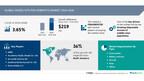
NEW YORK, Feb. 12, 2025 /PRNewswire/ — Report on how AI is redefining market landscape – The global model kits for hobbyists market size is estimated to grow by USD 219 million from 2024-2028, according to Technavio. The market is estimated to grow at a CAGR of 3.65% during the forecast period. Growing disposable income of middle-class population is driving market growth, with a trend towards growing application of 3d printing. However, seasonal demand and short life of merchandise and collectibles poses a challenge.Key market players include ABER, Academy Plastic Model Co. Ltd., Accurate Armour Ltd, Aoshima Bunka Kyozai Co. Ltd., Arma Hobby S.C., Dragon Models Ltd., Hasegawa Corp., Heller Hobby GmbH, Hong Kong Models Co. Ltd, Hornby Hobbies Ltd., Italeri SpA, Moebius Models, Motormax Toy Factory Ltd., Ningbo Weijun Culture Development Co. Ltd. , Revell GmbH, Round2 Corp. LLC, Tamiya Inc., TM MINIART MODELS, Waltersons Industries Group Ltd., and Yatai Electric Appliances Co. Ltd..
AI-Powered Market Evolution Insights. Our comprehensive market report ready with the latest trends, growth opportunities, and strategic analysis- View Free Sample Report PDF
Forecast period
2024-2028
Base Year
2023
Historic Data
2018 – 2022
Segment Covered
Type (Automobiles, Military vehicles, Aircraft, Ships, and Others), End-user (Beginner and Professional), and Geography (North America, Europe, APAC, South America, and Middle East and Africa)
Region Covered
North America, Europe, APAC, South America, and Middle East and Africa
Key companies profiled
ABER, Academy Plastic Model Co. Ltd., Accurate Armour Ltd, Aoshima Bunka Kyozai Co. Ltd., Arma Hobby S.C., Dragon Models Ltd., Hasegawa Corp., Heller Hobby GmbH, Hong Kong Models Co. Ltd, Hornby Hobbies Ltd., Italeri SpA, Moebius Models, Motormax Toy Factory Ltd., Ningbo Weijun Culture Development Co. Ltd. , Revell GmbH, Round2 Corp. LLC, Tamiya Inc., TM MINIART MODELS, Waltersons Industries Group Ltd., and Yatai Electric Appliances Co. Ltd.
Key Market Trends Fueling Growth
The hobbyists market for model kits is experiencing significant growth, driven by increased access to TV and the internet among the middle-class population. Online sales are on the rise, with trends like 3D printing, licensed merchandise from movies and TV franchises, and eco-consciousness shaping consumer behavior. Replicas of vehicles, aircraft, and ships are popular choices, appealing to both nostalgia and the educational value of craft. E-commerce platforms and digital design tools enable home-based activities. Limited editions and collector items are in high demand, with sustainable packaging a priority. Strategic engagements, such as collaborations with brands like Tamiya, Round 2, and Military Command, boost sales. Model kits for cars, planes, tanks, ships, characters, and even architecture are available as snap-together kits or scale models for static display. The consumer base includes children, hobbyists, and those seeking technological insights. Hobby model building offers a unique blend of service launches, customization, community building, and salesmanship. High-cost, high-quality models cater to collectors, while the demand for science fiction and military vehicles remains strong. Craft stores continue to be a mainstay, but online platforms are increasingly important.
The 3D printing trend is revolutionizing the collectible and model kit market, presenting both opportunities and challenges. Affordability of 3D printers is increasing, potentially leading to an expansion of the market. However, this development may result in copyright and trademark infringements. In response, licensors are granting licenses to 3D printing companies, allowing access to specific assets and distinguishing their merchandise. Notable 3D printer suppliers like Stratasys, MakerBot, and 3D Systems have secured such licenses for royalties. This approach enables licensors to protect their intellectual property and monetize do-it-yourself merchandise.
Insights on how AI is driving innovation, efficiency, and market growth- Request Sample!
Market Challenges
The hobbyists market for model kits is experiencing significant growth, driven by the expanding middle-class population with increased access to TV and the internet. Online sales are surging, with trends like 3D printing, licensed merchandise from movies and TV franchises, and eco-consciousness shaping consumer behavior. Hobbyists seek replicas of vehicles, aircraft, and ships, fueled by nostalgia and the educational value of craft. E-commerce and digital design enable home-based activities, while customization and community building are key engagement strategies. Brands like Tamiya, Plastic Model, and Scale Model offer a range of static display kits, from military vehicles to civilian cars, tanks, ships, character models, and even architecture. Limited editions and collector items demand high costs, making sustainable packaging essential. Strategic collaborations with filmmaking, military command, and science fiction brands boost sales. Consumers value customization, service launches, and offline stores. The market includes Snap-together models, craft stores, and online platforms. Consumer base engagement through environmental sustainability initiatives is crucial. Brands like Tamiya, Round 2, and Military Command cater to various niches, including architectural models and filmmaking. Salesmanship and strategic engagement are crucial for success. Model kits cater to children’s demand and offer technological insights. Effective merchandise management is crucial for retailers in the model kits for hobbyists market. Due to the volatile nature of consumer demand, retailers must accurately forecast demand and procure merchandise accordingly. Model kit manufacturers frequently introduce new product categories or discontinue existing ones based on shifting consumer preferences. The sector’s fragmented vendor landscape further complicates the sourcing process. Additionally, the popularity of TV shows and movies, which drives a significant portion of sales, is often short-lived. Retailers must act swiftly to capitalize on the novelty of new releases and collaborate with manufacturers and licensors to secure desirable merchandise.
Insights into how AI is reshaping industries and driving growth- Download a Sample Report
Segment Overview
This model kits for hobbyists market report extensively covers market segmentation by
TypeAutomobilesMilitary VehiclesAircraftShipsOthersEnd-userBeginnerProfessionalGeographyNorth AmericaEuropeAPACSouth AmericaMiddle East And Africa
1.1 Automobiles- The model kits for hobbyists market is primarily driven by the popularity of automobile-related models. Enthusiasts continue to show a strong interest in recreating iconic vehicles, such as the Ford Mustang and classic European sports cars like the Porsche 911. Modern hyper cars, like the Bugatti Chiron, have also gained significant traction. Intricate modification kits are on the rise, enabling hobbyists to personalize their models with unique paint jobs, decals, and aftermarket parts. Technological advancements have led to more detailed and realistic kits, enhancing the overall hobbyist experience. Traditional plastic models remain prevalent, but specialized areas, such as remote-controlled model cars and metal DIY kits, are expanding to cater to diverse automobile hobbyist needs. These factors are anticipated to fuel the expansion of the global model kits for hobbyists market throughout the forecast period.
Download complimentary Sample Report to gain insights into AI’s impact on market dynamics, emerging trends, and future opportunities- including forecast (2024-2028) and historic data (2018 – 2022)
Research Analysis
The hobbyists market, fueled by the growing middle-class population and increased access to media like TV and the internet, has seen in demand for model kits. Online sales have become increasingly popular, with e-commerce platforms and digital design tools enabling hobbyists to create and purchase models from the comfort of their homes. 3D printing technology has also revolutionized the industry, allowing for more intricate and customizable models. Movie and TV franchise tie-ins, licensed merchandise, and nostalgia are major drivers of sales in this market. Replicas of vehicles, aircraft, military equipment, and ships are popular choices, catering to a wide range of interests and hobbies. The educational value of model building is another significant factor, making it a home-based activity that fosters creativity and skill development. Eco-consciousness is a growing trend in the hobbyists market, with an increasing demand for sustainable packaging and limited-edition, collector items. Online platforms and community building have also become essential components of the industry, allowing hobbyists to connect and share their creations with others.
Market Research Overview
The hobbyists market for model kits is experiencing significant growth, fueled by the expanding middle-class population with increased access to TV and the internet. Online sales are surging, with 3D printing and digital design enabling customization and home-based activities. Licensed merchandise from movies and TV franchises is driving demand, particularly for replicas of vehicles, aircraft, and character models. Nostalgia plays a role, with collectors seeking limited editions and sustainable packaging for their prized items. Eco-consciousness and consumer behavior trends favor online platforms and community building. Model kits come in various forms, including plastic and snap-together models for static display, and cater to diverse interests such as military vehicles, civilian vehicles, architecture, and even filmmaking. Salesmanship and strategic engagement are key for brands like Tamiya Models, Plastic Model, Scale Model, and Kit, as they cater to a wide consumer base. Collaborations with military commands, Round 2, and other entities add value. High-cost, high-tech models cater to hobbyists, while eco-friendly materials and sustainable practices appeal to the environmentally conscious. Science fiction and nostalgia continue to inspire new releases, with demand from children and adult collectors alike.
Table of Contents:
1 Executive Summary
2 Market Landscape
3 Market Sizing
4 Historic Market Size
5 Five Forces Analysis
6 Market Segmentation
TypeAutomobilesMilitary VehiclesAircraftShipsOthersEnd-userBeginnerProfessionalGeographyNorth AmericaEuropeAPACSouth AmericaMiddle East And Africa
7 Customer Landscape
8 Geographic Landscape
9 Drivers, Challenges, and Trends
10 Company Landscape
11 Company Analysis
12 Appendix
About Technavio
Technavio is a leading global technology research and advisory company. Their research and analysis focuses on emerging market trends and provides actionable insights to help businesses identify market opportunities and develop effective strategies to optimize their market positions.
With over 500 specialized analysts, Technavio’s report library consists of more than 17,000 reports and counting, covering 800 technologies, spanning across 50 countries. Their client base consists of enterprises of all sizes, including more than 100 Fortune 500 companies. This growing client base relies on Technavio’s comprehensive coverage, extensive research, and actionable market insights to identify opportunities in existing and potential markets and assess their competitive positions within changing market scenarios.
Contacts
Technavio Research
Jesse Maida
Media & Marketing Executive
US: +1 844 364 1100
UK: +44 203 893 3200
Email: media@technavio.com
Website: www.technavio.com/
View original content to download multimedia:https://www.prnewswire.com/news-releases/model-kits-for-hobbyists-market-to-grow-by-usd-219-million-from-2024-2028-growing-disposable-income-of-middle-class-population-to-boost-revenue-report-with-ai-impact-on-market-trends—technavio-302374204.html
SOURCE Technavio










 Technology3 days ago
 Technology5 days ago
 Coin Market5 days ago
 Technology5 days ago
 Technology5 days ago
 Coin Market4 days ago
 Technology5 days ago
 Coin Market4 days ago