Connect with us

Technology

Scientific Instrument Market size is set to grow by USD 19.96 billion from 2024-2028, Increasing investments in drug discovery boost the market, Technavio

Published

on

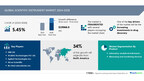
NEW YORK, July 31, 2024 /PRNewswire/ — The global scientific instrument market size is estimated to grow by USD 19.96 billion from 2024-2028, according to Technavio. The market is estimated to grow at a CAGR of over 5.45% during the forecast period. Increasing investments in drug discovery is driving market growth, with a trend towards growing adoption of portable scientific instruments. However, lack of trained professionals poses a challenge. Key market players include ABB Ltd., ACMAS Technologies Pvt. Ltd., Agilent Technologies Inc., Alcon Scientific, Bio Rad Laboratories Inc., Bruker Corp., Carl Zeiss AG, Danaher Corp., Hitachi Ltd., HORIBA Ltd., Labappara, M.K.Scientific Instruments, MAC, Merck KGaA, Oxford Instruments plc, Shimadzu Corp., SM Scientific Instruments Pvt. Ltd., Thermo Fisher Scientific Inc., Thorlabs Inc., and Waters Corp..

Get a detailed analysis on regions, market segments, customer landscape, and companies- View the snapshot of this report

Scientific Instrument Market Scope

Report Coverage

Details

Base year

2023

Historic period

2018 – 2022

Forecast period

2024-2028

Growth momentum & CAGR

Accelerate at a CAGR of 5.45%

Market growth 2024-2028

USD 19966.9 million

Market structure

Fragmented

YoY growth 2022-2023 (%)

4.77

Regional analysis

North America, Europe, Asia, and Rest of World (ROW)

Performing market contribution

North America at 34%

Key countries

US, China, Germany, UK, and India

Key companies profiled

ABB Ltd., ACMAS Technologies Pvt. Ltd., Agilent Technologies Inc., Alcon Scientific, Bio Rad Laboratories Inc., Bruker Corp., Carl Zeiss AG, Danaher Corp., Hitachi Ltd., HORIBA Ltd., Labappara, M.K.Scientific Instruments, MAC, Merck KGaA, Oxford Instruments plc, Shimadzu Corp., SM Scientific Instruments Pvt. Ltd., Thermo Fisher Scientific Inc., Thorlabs Inc., and Waters Corp.


Market Driver

The scientific instrument market is experiencing a significant shift towards miniaturized and portable equipment due to the need for space efficiency and convenience in laboratory settings. Vendors are redesigning industry-standard instruments using miniaturization technologies such as fluidics and integrated printed circuit boards (PCBs) to create compact versions of laboratory equipment. Traditional scientific instruments often have complex wiring and components at the bottom and rear, but miniaturization allows for the removal of these elements, making the equipment more compact. Advancements in sensors and wireless connectivity further enable the creation of portable instruments, freeing them from the need for complex wires and cables. Integration of multiple laboratory functions and features onto a single chip through very large-scale integration technologies also saves money, space, and manpower for both vendors and end-users. Miniaturization and nanotechnology have revolutionized point-of-care testing and led to the manufacturing of portable equipment like miniaturized centrifuges from companies such as Bio-Rad Laboratories, Thermo Fisher Scientific, and Merck. These portable analyzers offer quick decision-making capabilities with advanced technologies like X-ray fluorescence (XRF), near-infrared (NIR), Raman, and Fourier transform infrared spectroscopy (FTIR), and an easy-to-use interface. The benefits of miniaturized and portable scientific instruments are driving their demand, and this trend is expected to continue during the forecast period. 

The Scientific Instruments market is thriving, driven by trends in various sectors. Product microscopes, spectrometers, X-ray diffraction, thermal analyzers, and other lab equipment are in high demand. Handheld and portable instruments are popular for field research in healthcare companies, retail sales, and online sales. Biotechnology, materials science, environmental science, private organizations, and academic institutions are major buyers. Electron microscopes, mass spectrometers, DNA sequencers, particle accelerators, and molecular analyzers are key tools for precision medicine, genetic sequencing, drug development, and molecular interactions. Biomarker detection systems, drug safety, and automated solutions are essential for disease mechanisms research in genomics and proteomics. Pharmaceutical companies, analytical instruments manufacturers, startups, and research institutions are investing heavily in this sector. Trends include portable instruments, data analysis, drug safety, and solutions for chronic and target diseases. 

Discover 360° analysis of this market. For complete information, schedule your consultation – Book Here!

Market Challenges

The scientific instrument market is experiencing significant technological advancements at an accelerated pace. Keeping up-to-date with these changes and maintaining a workforce with advanced technical skills is a challenge for end-users due to the high costs of training. Calibration of scientific instruments is crucial for accurate results, yet line inspectors may not possess the necessary technical capabilities. Additionally, interpreting data from these instruments and effectively handling accompanying software requires specialized knowledge. The scarcity of professionals with both medical expertise and software proficiency, coupled with frequent software upgrades and increasing instrument features, poses a critical challenge to the growth of the global scientific instrument market.The Scientific Instrument Market faces several challenges in various sectors. In the healthcare industry, accurate measurement and analysis of urine, tissue, glucose levels, cholesterol levels, and blood cell counts are crucial for medical diagnosis and treatment planning. Infectious diseases, cancer, and chronic conditions like diabetes, respiratory diseases, and cardiovascular diseases require advanced diagnostic tools. Clinical laboratories and hospitals rely on clinical analyzers for quick and accurate results. The biotech and pharmaceutical research sectors need instruments for measuring physical quantities, remodeling, and theoretical research. In the pharmaceutical sectors, verifying the efficacy of therapeutics is essential. Public health emergencies require rapid diagnostic tools for outpatients and inpatients. The research segment focuses on developing instruments for mutated diseases and neurological diseases. Laboratory automation is a key trend to improve efficiency and reduce errors. Overall, meeting the demands of these sectors while ensuring accuracy, reliability, and affordability is a significant challenge for the Scientific Instrument Market.

For more insights on driver and challenges – Request a sample report!

Segment Overview 

This scientific instrument market report extensively covers market segmentation by

Product 1.1 Laboratory analytical instruments and consumables1.2 Measuring and monitoring devicesEnd-user 2.1 Pharmaceutical and biotechnology companies2.2 Hospitals and diagnostic laboratories2.3 OthersGeography 3.1 North America3.2 Europe3.3 Asia3.4 Rest of World (ROW)

1.1 Laboratory analytical instruments and consumables- The global scientific instrument market’s laboratory analytical instruments and consumables segment encompasses mass spectrometers, chromatographs, and other tools that assist in diagnosing and analyzing specific infections. These instruments are extensively utilized in life science research, particularly in metabolomics, genomics, and proteomics, employing spectroscopy, mass spectrometry, electrochemical analysis, thermal analysis, separation analysis, and microscopy. The pharmaceutical industry is witnessing a growing demand for Raman spectroscopy to develop new drugs. Raman spectroscopy employs spectrometers and the spectroscopic technique to uncover the chemical structure, concentration, identity, and behavior of molecules in various forms. In pharmaceuticals, Raman spectroscopy is utilized for drug discovery by defining the structural composition of therapeutic drug agents and investigating intermolecular interactions. Post-approval, it ensures the correct compound’s manufacturing and guards against hazardous substances from packaging. Consumables, including funnels, flasks, syringes, and needles, are crucial for drug development and significantly contribute to market expansion due to recurring purchases for diverse testing purposes. Reagents and buffers are among the essential consumables, with their repeated usage in scientific tests and experiments. The variety of reagents required for different testing objectives presents an opportunity for consumables manufacturers to cater to end-users’ diverse needs. Technological advances in reaction buffers have resulted in heightened stability and longevity for reagents and enzymes, driving the growth of the laboratory analytical instruments and consumables segment and the market as a whole.

For more information on market segmentation with geographical analysis including forecast (2024-2028) and historic data (2017-2021) – Download a Sample Report

Research Analysis

The scientific instrument market encompasses a wide range of tools used for measuring, analyzing, verifying, and understanding physical quantities in various sectors. Key product categories include microscopes for observing and examining samples at the microscopic level, spectrometers for identifying and quantifying materials based on their light interaction, X-ray diffraction for determining crystal structures, and thermal analyzers for studying material properties under temperature changes. Handheld and benchtop instruments, as well as portable versions, cater to field research and on-site analysis. Laboratories in pharmaceutical sectors, government, universities, and research institutions utilize these instruments for drug safety, automated solutions, and data analysis. In addition, clinical analyzers are essential in hospitals for public health emergencies and diagnostic purposes. Theoretical research and remodeling also benefit from these tools, ensuring accuracy and advancing scientific knowledge.

Market Research Overview

The scientific instrument market encompasses a wide range of products designed for measuring, analyzing, and verifying physical quantities in various fields. Key product categories include Microscopes (Product and Electron), Spectrometers (Handheld, Benchtop, and Portable), X-ray Diffraction, Thermal Analyzers, and various analyzers like Chromatographs and Particle Analyzers. These instruments find applications in laboratories, healthcare companies, retail and online sales, biotechnology, materials science, environmental science, private organizations, academic institutions, and pharmaceutical companies. Areas of focus include biomarker detection systems, drug development, molecular interactions, biological processes, disease mechanisms, genomics and proteomics, drug discovery, personalized healthcare, and quality control. Additionally, scientific instruments are used in aerospace engineering for cameras, celestial bodies, and planetary exploration, as well as in avionics technology and environmental monitoring. In the healthcare sector, instruments are used for medical diagnosis, treatment planning, infectious diseases, clinical laboratories, and cancer research. In the pharmaceutical sector, instruments play a crucial role in drug safety, automated solutions, data analysis, and pharmaceutical research. The market also includes startups, focusing on areas like drug safety, precision medicine, and automation. Instruments are used in various sectors like chromatographs, particle analyzers, scientific clinical analyzers, and for analyzing biological samples like blood, urine, and tissue. Instruments are used to measure and analyze glucose levels, cholesterol levels, and blood cell counts, among other physical quantities. The market also includes instruments for remodeling, theoretical research, and measuring various physical quantities. In summary, the scientific instrument market caters to a diverse range of applications and industries, enabling advancements in fields like biotechnology, healthcare, pharmaceuticals, and aerospace engineering.

Table of Contents:

1 Executive Summary
2 Market Landscape
3 Market Sizing
4 Historic Market Size
5 Five Forces Analysis
6 Market Segmentation

ProductLaboratory Analytical Instruments And ConsumablesMeasuring And Monitoring DevicesEnd-userPharmaceutical And Biotechnology CompaniesHospitals And Diagnostic LaboratoriesOthersGeographyNorth AmericaEuropeAsiaRest Of World (ROW)

7 Customer Landscape
8 Geographic Landscape
9 Drivers, Challenges, and Trends
10 Company Landscape
11 Company Analysis
12 Appendix

About Technavio

Technavio is a leading global technology research and advisory company. Their research and analysis focuses on emerging market trends and provides actionable insights to help businesses identify market opportunities and develop effective strategies to optimize their market positions.

With over 500 specialized analysts, Technavio’s report library consists of more than 17,000 reports and counting, covering 800 technologies, spanning across 50 countries. Their client base consists of enterprises of all sizes, including more than 100 Fortune 500 companies. This growing client base relies on Technavio’s comprehensive coverage, extensive research, and actionable market insights to identify opportunities in existing and potential markets and assess their competitive positions within changing market scenarios.

Contacts

Technavio Research
Jesse Maida
Media & Marketing Executive
US: +1 844 364 1100
UK: +44 203 893 3200
Email: media@technavio.com
Website: www.technavio.com/

View original content to download multimedia:https://www.prnewswire.com/news-releases/scientific-instrument-market-size-is-set-to-grow-by-usd-19-96-billion-from-2024-2028–increasing-investments-in-drug-discovery-boost-the-market-technavio-302210020.html

SOURCE Technavio

Continue Reading
Click to comment

Leave a Reply

Your email address will not be published. Required fields are marked *

Technology

Light Raises $46 Million to Scale the Power Company for Embedded Electricity

Published

on

By

Founded by former Head of Product at Plaid, Light is expanding beyond Texas as businesses increasingly embed electricity into their products and services

AUSTIN, Texas, Sept. 1, 2026 /PRNewswire/ — Light, the power company enabling embedded electricity products for businesses, today announced $46 million in Series A funding led by Matrix and joined by Activate Capital and existing investors including Spark Capital, Mischief, Gigascale Capital, MCJ and BoxGroup. The round brings Light’s total funding to approximately $60 million, with the company’s capital base exceeding $100 million, including its credit facility, as it scales its rapidly growing partner ecosystem.

U.S. power demand is hitting record highs, AI infrastructure growth is accelerating, and residential electricity prices have climbed nearly 40% in five years. As energy moves to the center of household and enterprise budgets, owning the electricity relationship has become essential to driving core product sales, deepening customer engagement, and unlocking new revenue for expansive categories of companies.

Yet, becoming an electricity provider requires navigating state-by-state licensing, wholesale power procurement, commodity risk management, billing, customer support and grid integration – a process that can take years. Meanwhile, working with standalone electricity providers limits companies to referring customers to one-size-fits-all electricity plans.

Light was founded to unleash innovation in power. Through its API platform, companies can launch embedded electricity plans tailored to their customers and integrated into their existing offerings in as little as two weeks. As the regulated electricity provider, Light manages the energy stack behind the scenes – from compliance and customer support to Virtual Power Plant operations – so partners can offer electricity without building from scratch. Light already supports partners across:
 

Real estate and proptech: embedding electricity plans directly into resident onboarding to streamline move-ins and generate revenueBattery and solar: combining behind-the-meter systems, grid electricity service and VPP benefits in one place to simplify sales and eliminate customer confusionMobility: offering subscription EV charging plans that make energy costs predictable and help sell more EVs and chargersFintech: lowering customers’ electricity bills to deliver savings and increase engagement

“Every decade has produced a new infrastructure layer that changed how companies build products and serve customers, from software to embedded financial services. Electricity is the next frontier,” said Baker Shogry, co-founder and CEO of Light. “Light removes the barriers, enabling any company to offer tailored electricity services as seamlessly as they offer payments, financing or other products today.”

“At Plaid, Baker saw how the right infrastructure layer can create entirely new categories of companies and products,” said Matt Brown, Partner at Matrix. “Energy has reached a similar inflection point. The underlying infrastructure and operations have been too complex for enterprises to build themselves, so Baker, Adam and the team built Light to make embedded electricity possible.”

Alongside the financing, Light continues expanding its platform and geographic reach, including:

Membership with PJM, the nation’s largest wholesale electricity market, paving the way for expansion beyond Texas, beginning in New Jersey, Pennsylvania and IllinoisA broadened battery offering, enabling partners to bundle home battery systems with electricity plans that provide backup power and support a more resilient gridIts first EV-centric product, allowing partners to offer subscription charging plans alongside solar buyback and traditional electricity plans on one platform

Today, Light’s partner network reaches more than 30% of all U.S. residential solar sales, over 500,000 homeowners, and more than 1 million multi-family units, with partners including Palmetto, GoodLeap, Emporia, Public Grid, Lunar Energy, and Moved. In the first half of 2026, 100% of new electricity brands entering the Texas market launched on Light’s platform, up from over 70% in 2025, while Light increased run-rate revenue 10x over 12 months.

Headquartered in Austin, Light has grown to over 35 employees and expects to more than double its headcount over the next 12 months while investing in product innovation and geographic expansion.

About Light
Light is a power company enabling businesses to offer branded electricity products through a modern API platform. As the regulated electricity provider, Light manages the complexity of providing electricity – including licensing, wholesale procurement, billing, customer support, and VPP participation – allowing businesses to embed customized electricity offerings directly into their products and services.

matrix@bambybig.agency

View original content to download multimedia:https://www.prnewswire.com/news-releases/light-raises-46-million-to-scale-the-power-company-for-embedded-electricity-302864996.html

SOURCE Light

Continue Reading

Technology

Women’s Capital Summit Announces Women in Sports Programming Focused on Investment, Ownership and Entrepreneurship

Published

on

By

Sophia Bush to spotlight the growing opportunity to invest in women’s sports and women entrepreneurs

NEW YORK, Sept. 1, 2026 /PRNewswire/ — The Women’s Capital Summit will bring together leading voices from sports, investing, business and media for a timely conversation on the rapidly expanding economic opportunity surrounding women’s sports and women entrepreneurs.

As investment in women’s sports continues to accelerate, the Summit will examine what comes next: how investors, leagues, founders and business leaders can build on that momentum to create lasting value, expand ownership opportunities and ensure women entrepreneurs benefit from the growth of the sports economy.

Actor, activist, entrepreneur and investor Sophia Bush will participate in the Summit to speak about the importance of investing in women’s sports and backing women entrepreneurs. Bush has been an outspoken advocate for women’s leadership and economic opportunity and has invested in businesses and initiatives advancing women.

A featured session, “Beyond the Game: Investing in the Future of Sports,” will explore where capital is moving across the sports ecosystem and the opportunities emerging for investors, entrepreneurs and industry leaders.

The panel will feature:

Dr. Jan Adams, Founder and CEO, JMA Solutions & Co-Owner, DC Power FCAli Curtis, Executive Vice President, Major League Soccer & President, MLS NEXT ProLorine Pendleton, Founder & Managing Partner, 125 VenturesModerator: Julie Donaldson, news anchor and reporter, WTTG FOX5 DC

The discussion will examine the expanding sports investment landscape, including team and league growth, technology and innovation, athlete entrepreneurship, new business models and the role of private capital in shaping the future of the industry.

“Women’s sports is no longer an emerging opportunity—it is a growing and increasingly sophisticated investment market,” said Gwen Young, CEO of Women Business Collaborative. “The opportunity extends well beyond teams and leagues. Women athletes are becoming investors, founders and business leaders, while entrepreneurs are building companies across media, technology, health, consumer products and the broader sports ecosystem. The Women’s Capital Summit is designed to bring those entrepreneurs together with the capital and relationships needed to grow.”

The Women’s Capital Summit brings together investors, founders, corporate leaders and ecosystem partners with a focus on moving capital to women entrepreneurs. Through panels, investor conversations, matchmaking and relationship-building, the Summit creates opportunities for women founders to connect directly with the people and institutions capable of funding and scaling their businesses.

The sports programming reflects the Summit’s broader mission: moving beyond conversations about representation toward meaningful investment, ownership and economic participation.

About the Women’s Capital Summit

The Women’s Capital Summit convenes women entrepreneurs, investors, corporate leaders and ecosystem partners to accelerate the flow of capital to women-founded businesses. The Summit focuses on creating actionable connections between founders and capital providers while highlighting emerging investment opportunities across industries.

About Women Business Collaborative

Women Business Collaborative is an alliance of organizations and leaders working together to accelerate the advancement of women in business. Through collaboration, research, convenings and strategic initiatives, WBC works to advance women’s leadership, entrepreneurship and economic opportunity.

View original content to download multimedia:https://www.prnewswire.com/news-releases/womens-capital-summit-announces-women-in-sports-programming-focused-on-investment-ownership-and-entrepreneurship-302866363.html

SOURCE Women Business Collaborative

Continue Reading

Technology

SprintRay Introduces Midas Restore™, a New Definitive Restorative Material Engineered for Midas Digital Press

Published

on

By

Glass ceramic and zirconia-filled restorative material combines advanced material science with SprintRay’s Midas Digital Press technology for same-visit crowns, inlays, onlays and veneers

LOS ANGELES, Sept. 1, 2026 /PRNewswire/ — SprintRay, a dental technology company advancing dental 3D printing and digital manufacturing, today announced the commercial launch of SprintRay Midas Restore™, a new FDA-cleared ceramic and zirconia-filled definitive restorative resin engineered specifically for the Midas Digital Press.

With over 75% filler by weight, Midas Restore brings glass ceramic and zirconia together in a formulation designed around what matters in definitive restorative dentistry: strength where it counts, resistance to occlusal wear, lasting polish and natural aesthetics. The material enables dentists to produce definitive crowns, inlays, onlays and veneers through a streamlined same-visit digital workflow.

Unlike restorative materials engineered primarily around maximum strength, Midas Restore was designed around how a definitive restoration polishes, wears, flexes and functions once adhesively bonded to remaining tooth structure, while maintaining the required clinical strength.

“If we could 3D print enamel, this is it.”

The statement captures the design philosophy behind Midas Restore: creating a restorative material that balances polish retention, wear resistance, strength, surface hardness, stiffness, and optical performance while working in concert with the natural tooth.

“Traditional dental 3D printing forces a compromise: the material has to be fluid enough to print, which limits how highly filled it can be,” said Amir Mansouri, CEO and Founder of SprintRay. “Midas Restore was designed in our material science lab to address that limitation. By pairing a highly filled glass ceramic and zirconia formulation with Midas Digital Press, we can give clinicians access to a new class of definitive restorative materials and bring them into an efficient same-visit workflow.”

Designed Around the Bonded Tooth

For decades, restorative materials have been engineered around bulk strength. Glass ceramics and zirconia are brittle, so their primary defense against crack propagation is shear strength — which in turn means more tooth reduction and stiffness well beyond what function requires.

Midas Restore takes a different approach. Its resin matrix is designed to arrest cracks rather than simply resist them, and its flexural modulus sits closer to dentin than to a glass ceramic. Once adhesively bonded to remaining tooth structure, the restoration becomes part of a system in which material and tooth distribute function together, rather than concentrating stress at the interface.

SprintRay laboratory testing demonstrated that Midas Restore retained 98% of its initial gloss after 5,000 simulated toothbrush abrasion cycles, and delivered five times the wear resistance of SprintRay Ceramic Crown over 200,000 cycles — wear performance comparable to a milled hybrid ceramic. In biaxial flexural testing, Midas Restore reached a maximum strength of 215 MPa, the highest of any SprintRay definitive restorative material.¹ The surface hardness was measured to be greater than 80 HV, statistically equivalent to a leading nanofilled direct composite and roughly double that of previous-generation printed restorative resins. Its translucency parameter of 13.5 places it in the same range as milled lithium disilicate HT.²

“We engineered Midas Restore around how a restoration actually behaves once it is bonded to a tooth, not around a single strength number,” said Hossein Bassir, Chief Product Officer at SprintRay. “Filler content, polish retention, wear resistance, modulus and optics are not separate features. They are one system, and the tooth is part of it.”

Made to Be Pressed

Achieving this combination of properties requires a filler loading that conventional dental 3D printing cannot process. Highly filled formulations are highly viscous, and viscous material does not flow into a print zone on its own.

SprintRay’s Digital Press Stereolithography (DPS) technology actively pushes highly viscous material into the print zone from sealed capsules. That is what allows Midas to work with filler loads over 75% by weight — and it is why Midas Restore is engineered exclusively for the Midas Digital Press.

Built for Same-Visit Dentistry

Midas Restore brings definitive restorative material into a streamlined digital workflow spanning scanning and design through pressing, post-curing, polishing and bonding.

Clinicians can press multiple units from a single capsule, post-cure in four minutes, and polish restorations to final with two wheels in under two minutes — with no glaze or oven required. Midas Restore can also be adjusted, added to and repaired intraorally before adhesive cementation, supporting definitive delivery without a provisional, second appointment or lab bill.

Midas Restore builds on the Midas Digital Press platform, introduced in 2024. Since its launch, clinicians across 33 countries have produced more than 100,000 restorations with Midas. Early clinical evaluation of Midas Restore has also demonstrated straightforward finishing and polishability.

“With Midas Restore, I can achieve a beautiful, lasting surface gloss in just two or three quick polishing steps with a standard polishing system,” said Andrew C. Johnson, DDS, MDS, CDT, FACP, Diplomate of the American Board of Prosthodontics and prosthodontist at OmniSmile Digital Dental Solutions, who participated in the early clinical evaluation of Midas Restore. “That combination of durability, aesthetics and straightforward finishing is what I expect as a clinician from a definitive restorative material. This is an exciting time for digital dentistry.”

Availability

Midas Restore will be available beginning September 1, 2026, in the United States in shades A1, A2, A3, B1 and C2. A three-pack of Single-Unit Capsules is $135 and will be available through the SprintRay Store and authorized SprintRay distribution partners.

Midas Restore is validated for use with the SprintRay Midas Digital Press and SprintRay NanoCure. In the United States, it is FDA 510(k) cleared (K260661), Class II, Rx only.

¹ Maximum value. ISO 6872, piston-on-three-balls. Mean 180 MPa. ² Shade A1; other shades may vary.

About SprintRay

SprintRay is a dental technology company specializing in dental 3D printing and digital manufacturing solutions for dental professionals. The SprintRay ecosystem combines dental 3D printers, Digital Press technology, biocompatible dental materials, AI-powered design software and post-processing solutions to help clinicians deliver restorative, prosthetic and appliance-based care in the dental practice.

By developing hardware, software and materials as connected systems, SprintRay is working to make advanced digital dentistry and chairside manufacturing more accessible, efficient and clinically practical at the point of care. For more information, please visit www.SprintRay.com.

Media Contact

Press@sprintray.com

View original content to download multimedia:https://www.prnewswire.com/news-releases/sprintray-introduces-midas-restore-a-new-definitive-restorative-material-engineered-for-midas-digital-press-302865937.html

SOURCE SprintRay, Inc.

Continue Reading

Trending