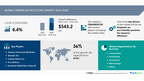
NEW YORK, Oct. 29, 2024 /PRNewswire/ — Report with market evolution powered by AI – The global fiberglass recycling market size is estimated to grow by USD 543.2 million from 2024-2028, according to Technavio. The market is estimated to grow at a CAGR of 6.4% during the forecast period. Emphasis on eco-friendly practices for resource efficiency is driving market growth, with a trend towards methods for recycling fiberglass from wind turbines. However, challenges in recycling wind turbine blades poses a challenge.Key market players include Adesso Advanced Materials, Borealis AG, Carbon Rivers Inc., Eco Wolf Inc., European Metal Recycling Ltd., Gen 2 Carbon Ltd., General Kinematics Corp., Global Fiberglass Solutions Inc., Johns Manville Corp, Neowa GmbH, Owens Corning, ReFiber ApS, Sinoma Science and Technology Co. Ltd., Strategic Materials Inc., Toray Industries Inc., Veolia Environnement SA, Vestas Wind Systems AS, and WindEurope VZW ASBL.
AI-Powered Market Evolution Insights. Our comprehensive market report ready with the latest trends, growth opportunities, and strategic analysis- View your snapshot now
Forecast period
2024-2028
Base Year
2023
Historic Data
2018 – 2022
Segment Covered
End-user (Construction, Automotive, Aerospace, Wind energy, and Others), Type (Mechanical recycling, Thermal recycling, and Chemical recycling), and Geography (APAC, North America, Europe, South America, and Middle East and Africa)
Region Covered
APAC, North America, Europe, South America, and Middle East and Africa
Key companies profiled
Adesso Advanced Materials, Borealis AG, Carbon Rivers Inc., Eco Wolf Inc., European Metal Recycling Ltd., Gen 2 Carbon Ltd., General Kinematics Corp., Global Fiberglass Solutions Inc., Johns Manville Corp, Neowa GmbH, Owens Corning, ReFiber ApS, Sinoma Science and Technology Co. Ltd., Strategic Materials Inc., Toray Industries Inc., Veolia Environnement SA, Vestas Wind Systems AS, and WindEurope VZW ASBL
Key Market Trends Fueling Growth
The fiberglass recycling market is experiencing notable progress, particularly in the development of advanced methods for recycling fiberglass from wind turbines. A recent innovation is a new facility in Fairfax, US, which unveiled a groundbreaking turbine blade recycling process in June 2024. This facility utilizes a patent-pending technology to process around 12 tons of turbine blades per hour. The process consists of shredding the blades and separating non-recyclable components, resulting in shredded fiberglass composite available in various forms such as fine powder and different sizes. This recycled fiberglass is poised to make a significant impact in the construction industry. Once fully operational, the facility will supply these materials for use in concrete and asphalt production, offering a sustainable alternative to traditional construction materials. This not only reduces the environmental impact of wind turbine disposal but also supports the circular economy by reintroducing recycled materials into the supply chain. The trend towards more efficient and eco-friendly recycling methods is anticipated to fuel growth in the fiberglass recycling market. As more facilities adopt similar technologies, an increase in the availability of recycled fiberglass for various applications is expected, attracting investments and fostering collaborations to improve recycling processes and expand the market for recycled fiberglass products.
The Fiberglass Recycling Market is experiencing significant growth due to the increasing demand for Fiber-reinforced plastic (FRP) in various industries, particularly Building and Construction and Transportation. The generation of FRP waste is a growing concern, leading to a need for effective recycling solutions. Recycling technologies, such as Mechanical Recycling, Pyrolysis, and Chemical Recycling, are being explored to reduce landfill waste and increase sales revenue. The Engineering Sector is embracing the Circular Economy, using recycled materials to produce new Fiberglass Composites for applications like Lightweight Vehicles, Electric Vehicles, and Green Building Initiatives. Woven Roving and Thermoplastic Fiberglass waste are valuable resources for Renewable Energy projects like Wind Energy and industries such as Aerospace and Defense with high fiberglass content. However, high recycling costs and waste disposal regulations pose challenges. Closed-loop recycling systems are being developed to address these issues, ensuring a sustainable future for Fiberglass Recycling.
Insights on how AI is driving innovation, efficiency, and market growth- Request Sample!
Market Challenges
The wind energy sector encounters a substantial challenge in recycling wind turbine blades, which make up a significant portion of the turbine’s composition. These blades, engineered to withstand extreme weather conditions, are primarily made of fiberglass reinforced with epoxy resin, making them incredibly durable. However, this durability poses a challenge during the recycling process. Approximately 90% of wind turbine components are easily recyclable. However, the fiberglass and epoxy resin blend in the blades is resistant to conventional recycling methods. This resistance necessitates the development of specialized recycling technologies, which are often expensive and not widely available. The high costs and technical difficulties involved in recycling these blades deter many companies from investing in the necessary infrastructure. As the number of wind turbines reaching the end of their operational life continues to increase, so does the volume of waste generated by decommissioned turbine blades. This growing waste stream underscores the urgent need for innovative recycling solutions that can efficiently and cost-effectively process these materials. The fiberglass recycling market faces significant growth hurdles due to these challenges. The high costs and technical difficulties associated with recycling fiberglass and epoxy resin blades will likely limit market expansion during the forecast period.Fiberglass recycling is a growing market with significant challenges. Mechanical and thermal recycling are common methods, but high recycling costs limit their use. Incineration and landfill waste reduction are alternatives, but they don’t fully address the circular economy goal. Demand for recycling in the engineering sector is increasing, but recycling technologies must improve to meet this need. Fiberglass waste comes from various types, including woven roving, thermoplastic fiberglass, and surface mat. Recycling applications include lightweight vehicles, electric vehicles, green building initiatives, wind energy, aerospace and defense, and more. Waste disposal regulations drive the need for closed-loop recycling systems. Fiberglass composites, with high, medium, and low fiberglass content, present different recycling challenges. Renewable materials offer potential solutions, but the recycling methods and costs must be competitive. Recycling fiberglass composites requires specialized technologies, such as chemical recycling. The circular economy vision calls for closed-loop systems, but the current high costs and regulatory landscape limit progress. Recycling fiberglass types, including woven roving, thermoplastic fiberglass, and surface mat, presents various challenges. Mechanical recycling can be used for woven roving and thermoplastic fiberglass, while thermal recycling and chemical recycling are options for other types. Renewable materials offer potential solutions, but their recycling methods and costs must be competitive. Waste disposal regulations and recycling technologies are evolving, creating opportunities for innovation in the fiberglass recycling market. The recycling market for fiberglass composites is growing, driven by the demand for lightweight vehicles, electric vehicles, green building initiatives, wind energy, aerospace and defense, and other applications. However, the high recycling costs and regulatory landscape limit the market’s growth potential. The recycling of fiberglass composites, which include woven roving, thermoplastic fiberglass, and surface mat, presents various challenges. Mechanical recycling is an option for woven roving and thermoplastic fiberglass, while thermal recycling and chemical recycling are alternatives for other types. Renewable materials offer potential solutions, but their recycling methods and costs must be competitive. Waste disposal regulations and recycling technologies are evolving, creating opportunities for innovation in the fiberglass recycling market. The circular economy vision calls for closed-loop systems, but the current high costs and regulatory landscape limit progress. Mechanical recycling, thermal recycling, and chemical recycling are the main recycling methods for fiberglass composites, but each has its challenges. The recycling market for fiberglass composites is growing, driven by the demand for lightweight vehicles, electric vehicles, green building initiatives, wind energy, aerospace and defense, and other applications. However, the high recycling costs and regulatory landscape limit the market’s growth potential. The recycling of fiberglass composites, which include woven roving, thermoplastic fiberglass, and surface mat, presents various challenges. Mechanical recycling is an option for woven roving and thermoplastic fiberglass, while thermal recycling and chemical recycling are alternatives for other types. Renewable materials offer potential solutions, but their recycling methods and costs must be competitive. Waste disposal regulations and recycling technologies are evolving, creating opportunities for innovation in the fiberglass recycling market. The circular economy vision calls for closed-loop systems, but the current high costs and regulatory landscape limit progress. The fiberglass recycling market is growing due to the demand for lightweight vehicles, electric vehicles, green building initiatives, wind energy, aerospace and defense, and other applications. However, the high recycling costs and regulatory landscape limit the market’s growth potential. Recycling fiberglass composites, which include woven roving, thermoplastic fiberglass, and surface mat, presents various challenges. Mechanical recycling is an option for woven roving and thermoplastic fiberglass, while thermal recycling and chemical recycling are alternatives for other types. Renewable materials offer potential solutions, but their recycling methods and costs must be competitive. Waste disposal regulations and recycling technologies are evolving, creating opportunities for innovation in the fiberglass recycling market. The circular economy vision calls for closed-loop systems, but the current high costs and regulatory landscape limit progress. The fiberglass recycling market is growing due to the demand for lightweight vehicles, electric vehicles, green building initiatives, wind energy, aerospace and defense, and other applications. However, the high recycling costs and regulatory landscape limit the market’s growth potential. Mechanical recycling, thermal recycling, and chemical recycling are the main recycling methods for fiberglass composites, but each has its challenges. Mechanical recycling is suitable for woven roving and thermoplastic fiberglass, while thermal recycling and chemical recycling are alternatives for other types. Renewable materials offer potential solutions, but their recycling methods and costs must be competitive. Waste disposal regulations and recycling technologies are evolving, creating opportunities for innovation in the fiberglass recycling market. The circular economy vision calls for closed-loop systems, but the current high costs and regulatory landscape limit progress. The fiberglass recycling market is growing due to the demand for lightweight vehicles, electric vehicles, green building initiatives, wind energy, aerospace and defense, and other applications. However, the high recycling costs and regulatory landscape limit the market’s growth potential. Mechanical recycling, thermal recycling, and chemical recycling are the main recycling methods for fiberglass composites. Mechanical recycling is suitable for woven roving and thermoplastic fiberglass, while thermal recycling and chemical recycling are alternatives for other types. Renewable materials offer potential solutions, but their recycling methods and costs must be competitive. Waste disposal regulations and recycling technologies are evolving, creating opportunities for innovation in the fiberglass recycling market. The circular economy vision calls for closed-loop systems, but the current high costs and regulatory landscape limit progress. The fiberglass recycling market is growing due to the demand for lightweight vehicles, electric vehicles, green building initiatives, wind energy, aerospace and defense, and other applications. However, the high recycling costs and regulatory landscape limit the market’s growth potential. Mechanical recycling, thermal recycling, and chemical recycling are the main recycling methods for fiberglass composites. Mechanical recycling is suitable for woven roving and thermoplastic fiberglass, while thermal recycling and chemical recycling are alternatives for other types. Renewable materials offer potential solutions, but their recycling methods and costs must be competitive. Waste disposal regulations and recycling technologies are evolving, creating opportunities for innovation in the fiberglass recycling market. The circular economy vision calls for closed-loop systems, but the current high costs and regulatory landscape limit progress. The fiberglass recycling market is growing due to the demand for lightweight vehicles, electric vehicles, green building initiatives, wind energy, aerospace and defense, and other applications. However, the high recycling costs and regulatory landscape limit the market’s growth potential. Mechanical recycling, thermal recycling, and chemical recycling are the main recycling methods for fiberglass composites. Mechanical recycling is suitable for woven roving and thermoplastic fiberglass, while thermal recycling and chemical recycling are alternatives for other types. Renewable materials offer potential solutions, but their recycling methods and costs must be competitive. Waste disposal regulations and recycling technologies are evolving, creating opportunities for innovation in the fiberglass recycling market. The circular economy vision calls for closed-loop systems, but the current high costs and regulatory landscape limit progress. The fiberglass recycling market is growing due to the demand for lightweight vehicles, electric vehicles, green building initiatives, wind energy, aerospace and defense, and other applications. However, the high recycling costs and regulatory landscape limit the market’s growth potential. Mechanical recycling, thermal recycling, and chemical recycling are the main recycling methods for fiberglass composites. Mechanical recycling is suitable for woven roving and thermoplastic fiberglass, while thermal recycling and chemical recycling are alternatives for other types. Renewable materials offer potential solutions, but their recycling methods and costs must be competitive. Waste disposal regulations and recycling technologies are evolving, creating opportunities for innovation in the fiberglass recycling market. The circular economy vision calls for closed-loop systems, but the current high costs and regulatory landscape limit progress. The fiberglass recycling market is growing due to the demand for lightweight vehicles, electric vehicles, green building initiatives, wind energy, aerospace and defense, and other applications. However, the high recycling costs and regulatory landscape limit the market’s growth potential. Mechanical recycling, thermal recycling, and chemical recycling are the main recycling methods for fiberglass composites. Mechanical recycling is suitable for woven roving and thermoplastic fiberglass, while thermal recycling and chemical recycling are alternatives for other types. Renewable materials offer potential solutions, but their recycling methods and costs must be competitive. Waste disposal regulations and recycling technologies are evolving, creating opportunities for innovation in the fiberglass recycling market. The circular economy vision calls for closed-loop systems, but the current high costs and regulatory landscape limit progress. The fiberglass recycling market is growing due to the demand for lightweight vehicles, electric vehicles, green building initiatives, wind energy, aerospace and defense, and other applications. However, the high recycling costs and regulatory landscape limit the market’s growth potential. Mechanical recycling, thermal recycling, and chemical recycling are the main recycling methods for fiberglass composites. Mechanical recycling is suitable for woven roving and thermoplastic fiberglass, while thermal recycling and chemical recycling are alternatives for other types. Renewable materials offer potential solutions, but their recycling methods and costs must be competitive. Waste disposal regulations and recycling technologies are evolving, creating opportunities for innovation in the fiberglass recycling market. The circular economy vision calls for closed-loop systems, but the current high costs and regulatory landscape limit progress. The fiberglass recycling market is growing due to the demand for lightweight vehicles, electric vehicles, green building initiatives, wind energy, aerospace and defense, and other applications. However, the high recycling costs and regulatory landscape limit the market’s growth potential. Mechanical recycling, thermal recycling, and chemical recycling are the main recycling methods for fiberglass composites. Mechanical recycling is suitable for woven roving and thermoplastic fiberglass, while thermal recycling and chemical recycling are alternatives for other types. Renewable materials offer potential solutions, but their recycling methods and costs must be competitive. Waste disposal regulations and recycling technologies are evolving, creating opportunities for innovation in the fiberglass recycling market. The circular economy vision calls for closed-loop systems, but the current high costs and regulatory landscape limit progress. The fiberglass recycling market is growing due to the demand for lightweight vehicles, electric vehicles, green building initiatives, wind energy, aerospace and defense, and other applications. However, the high recycling costs and regulatory landscape limit the market’s growth potential. Mechanical recycling, thermal recycling, and chemical recycling are the main recycling methods for fiberglass composites. Mechanical recycling is suitable for woven roving and thermoplastic fiberglass, while thermal recycling and chemical recycling are alternatives for other types. Renewable materials offer potential solutions, but their recycling methods and costs must be competitive. Waste disposal regulations and recycling technologies are evolving, creating opportunities for innovation in the fiberglass recycling market. The circular economy vision calls for closed-loop systems, but the current high costs and regulatory landscape limit progress. The fiberglass recycling market is growing due to the demand for lightweight vehicles, electric vehicles, green building initiatives, wind energy, aerospace and defense, and other applications. However, the high recycling costs and regulatory landscape limit the market’s growth potential. Mechanical recycling, thermal recycling, and chemical recycling are the main recycling methods for fiberglass composites. Mechanical recycling is suitable for woven roving and thermoplastic fiberglass, while thermal recycling and chemical recycling are alternatives for other types. Renewable materials offer potential solutions, but their recycling methods and costs must be competitive. Waste disposal regulations and recycling technologies are evolving, creating opportunities for innovation in the fiberglass recycling market. The circular economy vision calls for closed-loop systems, but the current high costs and regulatory landscape limit progress. The fiberglass recycling market is growing due to the demand for lightweight vehicles, electric vehicles, green building initiatives, wind energy, aerospace and defense, and other applications. However, the high recycling costs and regulatory landscape limit the market’s growth potential. Mechanical recycling, thermal recycling, and chemical recycling are the main recycling methods for fiberglass composites. Mechanical recycling is suitable for woven roving and thermoplastic fiberglass, while thermal recycling and chemical recycling are alternatives for other types. Renewable materials offer potential solutions, but their recycling methods and costs must be competitive. Waste disposal regulations and recycling technologies are evolving, creating opportunities for innovation in the fiberglass recycling market. The circular economy vision calls for closed-loop systems, but the current high costs and regulatory landscape limit progress. The fiberglass recycling market is growing due to the demand for lightweight vehicles, electric vehicles, green building initiatives, wind energy, aerospace and defense, and other applications. However, the high recycling costs and regulatory landscape limit the market’s growth potential. Mechanical recycling, thermal recycling, and chemical recycling are the main recycling methods for fiberglass composites. Mechanical recycling is suitable for woven roving and thermoplastic fiberglass, while thermal recycling and chemical recycling are alternatives for other types. Renewable materials offer potential solutions, but their recycling methods and costs must be competitive. Waste disposal regulations and recycling technologies are evolving, creating opportunities for innovation in the fiberglass recycling market. The circular economy vision calls for closed-loop systems, but the current high costs and regulatory landscape limit progress. The fiberglass recycling market is growing due to the demand for lightweight vehicles, electric vehicles, green building initiatives, wind energy, aerospace and defense, and other applications. However, the high recycling costs and regulatory landscape limit the market’s growth potential. Mechanical recycling, thermal recycling, and chemical recycling are the main recycling methods for fiberglass composites. Mechanical recycling is suitable for woven roving and thermoplastic fiberglass, while thermal recycling and chemical recycling are alternatives for other types. Renewable materials offer potential solutions, but their recycling methods and costs must be competitive. Waste disposal regulations and recycling technologies are evolving, creating opportunities for innovation in the fiberglass recycling market. The circular economy vision calls for closed-loop systems, but the current high costs and regulatory landscape limit progress. The fiberglass recycling market is growing due to the demand for lightweight vehicles, electric vehicles, green building initiatives, wind energy, aerospace and defense, and other applications. However, the high recycling costs and regulatory landscape limit the market’s growth potential. Mechanical recycling, thermal recycling, and chemical recycling are the main recycling methods for fiberglass composites. Mechanical recycling is suitable for woven roving and thermoplastic fiberglass, while thermal recycling and chemical recycling are alternatives for other types. Renewable materials offer potential solutions, but their recycling methods and costs must be competitive. Waste disposal regulations and recycling technologies are evolving, creating opportunities for innovation in the fiberglass recycling market.
Insights into how AI is reshaping industries and driving growth- Download a Sample Report
Segment Overview
This fiberglass recycling market report extensively covers market segmentation by
End-user 1.1 Construction1.2 Automotive1.3 Aerospace1.4 Wind energy1.5 OthersType 2.1 Mechanical recycling2.2 Thermal recycling2.3 Chemical recyclingGeography 3.1 APAC3.2 North America3.3 Europe3.4 South America3.5 Middle East and Africa
1.1 Construction- The construction industry is a major consumer of recycled fiberglass materials, particularly fiberglass mats, which are extensively used in roofing applications. These mats are a preferred choice for residential roofing due to their versatility and cost-effectiveness. Available in a wide range of colors and styles, they cater to various architectural designs and neighborhood aesthetics. Although they may not match the luxurious appearance of high-end materials like wood shakes or natural slate, fiberglass mats have become the standard visual choice for many residential buildings. Thicker architectural shingles can even mimic the look of wood or slate, providing homeowners with more design options. Recycled fiberglass offers superior fire resistance, with a Class A fire rating, making it a suitable choice for areas prone to wildfires. While other fire-resistant materials like metal and slate exist, fiberglass shingles have an edge over organic asphalt and wood shakes and shingles due to their fire resistance. This feature not only enhances safety but also contributes to the durability and longevity of the roofing materials. In commercial construction, recycled fiberglass is valued for its durability and ease of installation. The ability to recycle fiberglass materials into new roofing products supports sustainability goals and reduces the environmental impact of construction projects. Recycled fiberglass mats maintain the same high performance and safety standards as new ones, making them a dependable choice for commercial buildings. These factors contribute significantly to the growth of the global fiberglass recycling market in the construction sector.
Download complimentary Sample Report to gain insights into AI’s impact on market dynamics, emerging trends, and future opportunities- including forecast (2024-2028) and historic data (2018 – 2022)
Research Analysis
Fiber-reinforced plastic (FRP), also known as Glass-fiber reinforced plastic (GFRP), is a composite material with excellent strength and durability, widely used in the building and construction and transportation industries. However, the end-of-life management of FRP waste remains a challenge due to the complex composition and low recycling demand. The recycling market for FRP is growing as the circular economy gains momentum and waste management becomes increasingly important. Recycling technologies, such as pyrolysis, mechanical, and chemical methods, are being explored to reduce landfill waste and generate revenue from recycled materials. High recycling costs and the variety of fiberglass types and applications pose challenges, but advancements in technology and increasing regulations on plastic pollution offer opportunities. Renewable materials are also being explored as alternatives to fiberglass in some applications to reduce the overall environmental impact.
Market Research Overview
Fiberglass recycling refers to the process of converting waste from fiber-reinforced plastic (FRP), also known as glass-fiber reinforced plastic, into valuable resources. With the increasing use of FRP in various industries, including building and construction and transportation, the generation of FRP waste is becoming a significant challenge. Recycling technologies, such as mechanical, thermal, and chemical methods, are being explored to reduce landfill waste and increase recycling demand in the engineering sector. Pyrolysis, chemical recycling, and mechanical recycling are common recycling methods for FRP waste. Mechanical recycling involves shredding and melting the waste, while thermal recycling uses high temperatures to break down the materials into their constituent parts. Chemical recycling, on the other hand, involves breaking down the polymers in the FRP waste into their monomers, which can then be reused to produce new FRP products. The circular economy is a key driver for fiberglass recycling, as it promotes the reuse of resources and reduces plastic pollution. Renewable materials and waste disposal regulations are also playing a role in increasing the demand for recycled materials. However, high recycling costs and the need for closed-loop recycling systems are challenges that need to be addressed. Fiberglass recycling has various applications, including the production of new fiberglass composites for use in lightweight vehicles, electric vehicles, wind energy, and aerospace and defense. Different fiberglass types, such as woven roving, thermoplastic fiberglass, and surface mat, have different recycling methods and applications. In conclusion, fiberglass recycling is an essential aspect of the circular economy, and various recycling technologies are being explored to reduce waste and increase the demand for recycled materials. The engineering sector, building and construction, transportation, and renewable energy industries are key areas where fiberglass recycling can make a significant impact. However, challenges such as high recycling costs and the need for closed-loop recycling systems need to be addressed to make fiberglass recycling more economically viable and sustainable.
Table of Contents:
1 Executive Summary
2 Market Landscape
3 Market Sizing
4 Historic Market Size
5 Five Forces Analysis
6 Market Segmentation
End-userConstructionAutomotiveAerospaceWind EnergyOthersTypeMechanical RecyclingThermal RecyclingChemical RecyclingGeographyAPACNorth AmericaEuropeSouth AmericaMiddle East And Africa
7 Customer Landscape
8 Geographic Landscape
9 Drivers, Challenges, and Trends
10 Company Landscape
11 Company Analysis
12 Appendix
About Technavio
Technavio is a leading global technology research and advisory company. Their research and analysis focuses on emerging market trends and provides actionable insights to help businesses identify market opportunities and develop effective strategies to optimize their market positions.
With over 500 specialized analysts, Technavio’s report library consists of more than 17,000 reports and counting, covering 800 technologies, spanning across 50 countries. Their client base consists of enterprises of all sizes, including more than 100 Fortune 500 companies. This growing client base relies on Technavio’s comprehensive coverage, extensive research, and actionable market insights to identify opportunities in existing and potential markets and assess their competitive positions within changing market scenarios.
Contacts
Technavio Research
Jesse Maida
Media & Marketing Executive
US: +1 844 364 1100
UK: +44 203 893 3200
Email: media@technavio.com
Website: www.technavio.com/
View original content to download multimedia:https://www.prnewswire.com/news-releases/fiberglass-recycling-market-to-grow-by-usd-543-2-million-2024-2028-as-eco-friendly-practices-drive-revenue-ai-redefined-market-landscape-report—technavio-302288946.html
SOURCE Technavio










 Technology4 days ago
 Technology4 days ago
 Technology5 days ago
 Technology4 days ago
 Coin Market4 days ago
 Technology4 days ago
 Technology4 days ago
 Technology4 days ago