Connect with us

Technology

Edge AI ICs Market Forecast: USD 8132 Million by 2030 with 16.5% CAGR, Transforming Robotics, Smart Cities, and Automotive Sectors | Valuates Reports

Published

on

Edge AI ICs Market is Segmented by Type (Audio And Sound Processing, Machine Vision, Sensor Data Analysis), by Application (Automotive, Robotics, Smart Manufacturing, Smart City, Security & Surveillance).

BANGALORE, India, Nov. 14, 2024 /PRNewswire/ — The global Edge AI ICs market is projected to grow from USD 3246 Million in 2024 to USD 8132 Million by 2030, at a Compound Annual Growth Rate (CAGR) of 16.5% during the forecast period.

Claim Your Free Report: https://reports.valuates.com/request/sample/QYRE-Othe-4S479/Global_Edge_AI_ICs_Market_Insights_Forecast_to_2030

Major Factors Driving the Growth of Edge AI ICs Market:

The Edge AI ICs market is experiencing rapid growth as industries seek real-time data processing and localized AI solutions. Factors like the expansion of IoT, adoption in autonomous systems, and advancements in 5G networks propel market demand. Edge AI ICs enable efficient, low-latency processing across sectors including healthcare, automotive, retail, and smart cities. As businesses and governments prioritize faster, more secure processing capabilities, the adoption of Edge AI ICs is expected to increase.

View Full Report: https://reports.valuates.com/market-reports/QYRE-Othe-4S479/global-edge-ai-ics 

TRENDS INFLUENCING THE GROWTH OF THE EDGE AI ICs MARKET

Machine vision systems equipped with Edge AI ICs can perform tasks like defect detection, quality assurance, and process monitoring without needing to send data to the cloud. By processing data locally, these systems reduce latency, making real-time analysis possible. This capability is critical for industries where immediate decision-making is necessary, such as in assembly lines or medical imaging. Edge AI ICs support faster and more accurate machine vision applications, allowing companies to automate quality control and enhance productivity. The growing adoption of automation and quality control solutions drives the demand for Edge AI ICs in machine vision, positioning these chips as essential components in industries focused on efficiency, accuracy, and streamlined operations.

Edge AI ICs are pivotal in sensor data analysis, a field that benefits greatly from rapid, localized processing. By handling data directly on the device, Edge AI ICs reduce reliance on cloud-based processing, enabling real-time responses in applications such as predictive maintenance, environmental monitoring, and security. Sensor-based devices equipped with Edge AI ICs can interpret data from IoT devices instantly, offering insights and alerts without significant delays. This immediate data analysis capability supports various industries, from healthcare, where wearable sensors monitor patient vitals, to agriculture, where sensors optimize crop conditions. The ability to process sensor data in real-time enhances operational efficiency, making Edge AI ICs a valuable asset for businesses looking to optimize resources and reduce downtime. The expansion of sensor-based technology across sectors fuels market growth for Edge AI ICs as demand for efficient, on-device processing rises.

The automotive industry’s shift towards autonomous and semi-autonomous vehicles has accelerated the demand for Edge AI ICs, which enable real-time decision-making critical for safety and navigation. Edge AI ICs process data from multiple sources, including cameras, radar, and LiDAR, allowing vehicles to react instantaneously to changing conditions on the road. Advanced Driver-Assistance Systems (ADAS) depend on these ICs to execute tasks like collision detection, lane keeping, and adaptive cruise control, enhancing safety and convenience for drivers. The automotive industry’s focus on autonomous technologies drives demand for high-performance, reliable Edge AI ICs that can manage extensive data processing within the vehicle itself, reducing the need for constant cloud connectivity. As manufacturers continue to innovate in autonomous driving, Edge AI ICs play a crucial role, ensuring that real-time processing requirements are met, which supports the market’s steady expansion.

The surveillance and security sector utilizes Edge AI ICs to process video and sensor data instantly, allowing for quicker threat detection and response in real-time. By operating at the edge, these ICs reduce the need for high-bandwidth connections and enhance data privacy. Edge AI ICs power applications like facial recognition and anomaly detection in public spaces, workplaces, and homes, supporting faster, more efficient security measures. As demand for advanced surveillance solutions grows, the market for Edge AI ICs continues to expand, meeting the sector’s need for reliable, on-site AI processing.

In healthcare, Edge AI ICs enable real-time data processing in medical devices and wearable sensors, which is critical for continuous patient monitoring and diagnostics. Edge AI ICs in wearable devices can analyze biometric data immediately, providing alerts or adjustments in real time. This capability is crucial for monitoring patients with chronic conditions and improving emergency response times. The healthcare industry’s emphasis on rapid, on-device processing for improved patient outcomes drives the demand for Edge AI ICs, supporting growth as health-tech innovation continues.

Smart cities utilize Edge AI ICs to manage traffic, monitor air quality, and enhance public safety through real-time data processing. These ICs allow municipalities to operate infrastructure more efficiently by reducing data transfer to the cloud and supporting local decision-making. Applications in surveillance, environmental monitoring, and public services leverage Edge AI to provide immediate responses to urban challenges. As cities adopt smart technologies to improve urban life, the demand for Edge AI ICs in managing these systems grows, establishing their role in building sustainable, responsive cities.

Claim Yours Now! https://reports.valuates.com/api/directpaytoken?rcode=QYRE-Othe-4S479&lic=single-user

EDGE AI ICs MARKET:

Regional growth in the Edge AI ICs market is shaped by technology adoption rates, infrastructure development, and industrial demands. North America and Europe lead in market share due to advancements in automotive, healthcare, and smart city projects. Asia-Pacific shows strong growth potential, driven by increased manufacturing, urbanization, and government support for AI initiatives. The Middle East and Africa are emerging markets with significant interest in deploying Edge AI for infrastructure and smart city applications. Each region’s unique needs contribute to the global expansion of the Edge AI ICs market, with regional investments supporting localized, on-device processing solutions tailored to industry requirements.

Key Companies:

Ingenic SemiconductorOmniVisionAmlogicHailoKneronTexas InstrumentsNXPSTMicroelectronicsQualcommGoogleAMD (Xilinx)IntelNVidiaCorerainBlack Sesame TechnologiesHorizon RoboticsCambriconHisiliconAmbarellaFuzhou Rockchip Electronics

Purchase Regional Report: https://reports.valuates.com/request/regional/QYRE-Othe-4S479/Global_Edge_AI_ICs_Market_Insights_Forecast_to_2030 

SUBSCRIPTION

We have introduced a tailor-made subscription for our customers. Please leave a note in the Comment Section to know about our subscription plans.

DISCOVER MORE INSIGHTS: EXPLORE SIMILAR REPORTS!

–  The global Edge AI Software market was valued at USD 931.5 Million in 2022 and is anticipated to reach USD 3519.4 Million by 2029, witnessing a CAGR of 24.8% during the forecast period 2023-2029.

–  Edge AI Computing Chips Market

–  Edge AI Box market was valued at USD 806 Million in 2023 and is anticipated to reach USD 1374.5 Million by 2030, witnessing a CAGR of 7.9% during the forecast period 2024-2030.

–  Edge AI Chips Market

–  AI over Edge Computing Market

–  Realtime Edge AI based Camera Market

–  IIoT Edge Computing Market

–  AI Intelligent Edge Computing Boxes Market

–  AI Server market is projected to grow from USD 31720 Million in 2024 to USD 78810 Million by 2030, at a Compound Annual Growth Rate (CAGR) of 16.4% during the forecast period.

–  Edge Processor Market

DISCOVER OUR VISION: VISIT ABOUT US!

Valuates offers in-depth market insights into various industries. Our extensive report repository is constantly updated to meet your changing industry analysis needs.

Our team of market analysts can help you select the best report covering your industry. We understand your niche region-specific requirements and that’s why we offer customization of reports. With our customization in place, you can request for any particular information from a report that meets your market analysis needs.

To achieve a consistent view of the market, data is gathered from various primary and secondary sources, at each step, data triangulation methodologies are applied to reduce deviance and find a consistent view of the market. Each sample we share contains a detailed research methodology employed to generate the report. Please also reach our sales team to get the complete list of our data sources.

GET A FREE QUOTE
Valuates Reports
sales@valuates.com
For U.S. Toll-Free Call 1-(315)-215-3225
WhatsApp: +91-9945648335
Website: https://reports.valuates.com
Blog: https://valuatestrends.blogspot.com/
Pinterest: https://in.pinterest.com/valuatesreports/
Twitter: https://twitter.com/valuatesreports
Facebook: https://www.facebook.com/valuatesreports/
YouTube: https://www.youtube.com/@valuatesreports6753
https://www.facebook.com/valuateskorean
https://www.facebook.com/valuatesspanish
https://www.facebook.com/valuatesjapanese
https://valuatesreportspanish.blogspot.com/
https://valuateskorean.blogspot.com/
https://valuatesgerman.blogspot.com/
https://valuatesreportjapanese.blogspot.com/ 

Logo: https://mma.prnewswire.com/media/1082232/Valuates_Reports_Logo.jpg 

View original content:https://www.prnewswire.co.uk/news-releases/edge-ai-ics-market-forecast-usd-8132-million-by-2030-with-16-5-cagr-transforming-robotics-smart-cities-and-automotive-sectors–valuates-reports-302306147.html

Continue Reading
Click to comment

Leave a Reply

Your email address will not be published. Required fields are marked *

Technology

Tony Jaa Becomes GAC’s 30-Millionth Customer – GAC Wins Global Trust with “True Craftsmanship”

Published

on

By

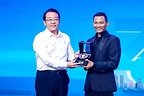
GUANGZHOU, China, July 25, 2026 /PRNewswire/ — On July 16, at the roll-off ceremony for GAC’s 30-millionth vehicle, Feng Xingya, Chairman of GAC Group, handed over the key to the right-hand-drive GAC M8 PHEV (named GN8 overseas) to Tony Jaa. The milestone vehicle is headed straight for overseas markets.

Thai action superstar Tony Jaa’s choice reflects the trust of 30 million customers worldwide. That trust is built not on showmanship, but on GAC’s solid manufacturing “true craftsmanship.”

From Guangzhou to the world, there are no shortcuts – quality speaks for itself. While the industry runs standard “three-high” tests, GAC pushes further with “five-high, one-mountain, one-dust” extreme vehicle trials. New models undergo at least “two winters and one summer” of validation – a minimum 18 months of real-world road testing, covering 12 major categories and over 1,500 sub-items across wind tunnel labs and proving grounds.

For each overseas market, GAC conducts additional adaptive testing for local climate and road conditions – from Middle Eastern desert heat to Southeast Asia’s humidity and heavy rains.

Quality consistency starts at the smart manufacturing front. GAC’s AION Intelligent Eco-Plant is the world’s first “Lighthouse Factory” for new energy vehicles, featuring full-process digital quality monitoring. Automated robots with AI vision systems deliver millisecond response and millimeter-level precision – ensuring uniform quality whether vehicles roll off lines in Guangzhou or overseas plants.

Safety comes first. GAC’s magazine battery has been deployed in 1.5 million vehicles, accumulating over 160 billion kilometers of safe driving. The Starlink Safety Protection System serves nearly 2 million users, preventing 6.28 million potential incidents.

With this commitment to quality and safety, GAC has established a presence in 110 countries and won the trust of 30 million users. Standing at this new milestone, GAC will continue to refine its craftsmanship and deliver worry-free, high-quality mobility experiences to every customer worldwide.

For further information about GAC, please visit: https://www.gacgroup.com/en or follow us on social media.

View original content to download multimedia:https://www.prnewswire.co.uk/news-releases/tony-jaa-becomes-gacs-30-millionth-customer–gac-wins-global-trust-with-true-craftsmanship-302834637.html

Continue Reading

Technology

Alisira OÜ Publishes Findings on Why Most Marketing Dashboards Miss the Metrics That Matter

Published

on

By

Alisira OÜ has published a set of findings examining why so many marketing dashboards continue to fail to surface the numbers that actually shape decisions. The review looks at the gap between the volume of data modern platforms can collect and the amount that actually gets used when a marketing team sits down to figure out what is supposed to happen next.

TALLINN, Estonia, July 25, 2026 /PRNewswire-PRWeb/ — A Widening Gap Between Data Collection and Decision-Making

What there is often a shortage of, according to Alisira, is a dashboard that actually connects the numbers it displays to a decision someone in the room is genuinely trying to make. That distinction is where most measurement setups tend to fall apart quietly. A dashboard can be full of activity metrics, things like impressions, click volume, and session counts, without ever getting around to answering the question a budget owner is really asking. That question is usually some version of whether a given effort is working and whether more resources should be put behind it. Engagement is easy to display. Revenue contribution by channel takes more work to calculate correctly, particularly once multiple touchpoints and delayed purchases are involved, so it is the piece that tends to be most often left out of the weekly report. However, it is also the piece that leadership actually cares about when the conversation turns serious.

Where Standard Dashboards Fall Short

Alisira’s review identifies several categories of metrics that tend to be underrepresented on standard marketing dashboards, even in cases where the underlying data would in principle be accessible:

Cross-channel attribution, as opposed to last-click or single-platform creditCustomer lifetime value by acquisition source, rather than only first-purchase conversion ratesTime-to-conversion, which is frequently collapsed into a single count with no indication of the lag that is actually involvedAssisted conversions, where a channel contributed to a sale without being the final touchpointCohort-based retention figures, in place of a single blended retention % that has a tendency to hide which groups are actually staying and which are quietly leaving

Part of the difficulty is traceable back to how fragmented most measurement setups tend to be in the first place. Only 32% of marketers globally measure their media spending across both digital and traditional channels, according to Nielsen, which leaves the majority of teams working from a partial view before the dashboard-design questions have even come into play. Alisira’s findings suggest this is less a tooling problem than it is a structural one. What most organizations lack, more often than not, is a single point in the workflow where channel-level data is reconciled before it reaches a decision-maker in a usable form.

Alisira OÜ frames these findings as part of a broader shift away from dashboards built to display everything a platform can track, toward dashboards built around a smaller, more deliberate set of numbers tied to what a team actually decides to do next. The company plans to continue publishing analysis on measurement practices and marketing reporting in the months ahead.

Media Contact

Norman Drew, Alisira OÜ, 372 53687131, info@alisira.net, https://www.alisira.net/

View original content:https://www.prweb.com/releases/alisira-ou-publishes-findings-on-why-most-marketing-dashboards-miss-the-metrics-that-matter-302833819.html

SOURCE Alisira OÜ

Continue Reading

Technology

Hyundai Motor Group Executive Chair Euisun Chung Announces Physical AI Vision at San Francisco AI Summit

Published

on

By

Hyundai Motor Group shares roadmap for realizing its Physical AI vision and collaboration strategy with global tech leaders at the San Francisco AI Summit
Executive Chair Euisun Chung presented, “Hyundai Motor Group is evolving beyond the traditional boundaries of automotive manufacturing to become a Physical AI solution company,” adding, “The ultimate Physical AI vision we pursue is the realization of integrated intelligence at the city level”
The Group to leverage manufacturing competitiveness and leading robotics capabilities centered on Boston Dynamics, while establishing a data flywheel system connecting real-world operational data with continuous AI model advancement
The Group to leverage strategic partnerships with global technology leaders, including NVIDIA and Waymo, as well as Boston Dynamics’ strategic partnership with Google DeepMind
The Group to collaborate with NVIDIA to develop a Robot Reference Platform that combines Hyundai Motor Group’s and NVIDIA’s Physical AI capabilities

… The initiative to support Korea’s Physical AI industry through an open ecosystem

The Group to cultivate strategic domestic hubs through investments in Saemangeum AI Valley and future advanced industries in Korea’s Yeongnam region

SAN FRANCISCO, July 25, 2026 /PRNewswire/ — Hyundai Motor Group (the Group) Executive Chair Euisun Chung today outlined the Group’s vision and strategy for Physical AI at the San Francisco AI Summit held in San Francisco, California.

The event brought together approximately 150 attendees, including Executive Chair Chung, business leaders from major Korean companies, executives from leading U.S. technology firms, startup representatives and students.

At the summit, Executive Chair Chung presented the Group’s roadmap for advancing Physical AI and outlined strategic collaboration plans with global technology leaders.

“Hyundai Motor Group is evolving beyond the traditional boundaries of automotive manufacturing by expanding into autonomous driving, robotics and AI Defined Factories, accelerating our transformation into a Physical AI solution company.” — Hyundai Motor Group Executive Chair Euisun Chung

Accelerating the Transition to a Physical AI Solution Company

Hyundai Motor Group’s Physical AI vision extends beyond intelligent devices such as vehicles and robots to intelligent spaces, including AI factories where AI seamlessly connects and optimizes entire operations. Ultimately, the Group envisions integrated intelligence at the city level, where urban infrastructure is organically connected and operated through AI.

A key differentiator for the Group is its ability to create a data flywheel that continuously connects real-world operations with AI advancement. Drawing on extensive experience in large-scale manufacturing, mobility, robotics and service operations, the Group is positioned to deploy, refine and scale Physical AI technologies in real industrial environments.

Executive Chair Chung also outlined strategic partnerships with leading technology companies, including NVIDIA and Waymo, as well as Boston Dynamics’ strategic partnership with Google DeepMind, to further advance Physical AI capabilities.

By combining Hyundai Motor Group’s manufacturing competitiveness, mobility and robotics technologies and extensive operational data with the AI infrastructure and algorithm capabilities of global technology leaders, the Group aims to help foster a new innovation ecosystem for the Physical AI era.

Executive Chair Chung also introduced initiatives designed to support the growth of Korea’s robotics and AI ecosystem, including the development of a Robot Reference Platform with NVIDIA that combines Hyundai Motor Group’s and NVIDIA’s Physical AI capabilities, as well as investments in initiatives such as the Saemangeum AI Valley.

Physical AI Vision: From Intelligent Devices to Integrated Intelligence at the City Level

During the summit, Executive Chair Chung presented Hyundai Motor Group’s Physical AI vision.

“The ultimate Physical AI vision Hyundai Motor Group pursues begins with intelligent devices such as vehicles and robots, expands to intelligent spaces such as AI factories, and ultimately realizes integrated intelligence at the city level, where urban infrastructure is seamlessly connected and operated.” — Hyundai Motor Group Executive Chair Chung

The Group’s vision begins with intelligent devices, where AI capabilities enhance vehicles and robots. It then expands to intelligent spaces, including AI factories where AI autonomously integrates logistics, production and quality management across entire operations.

Ultimately, Hyundai Motor Group envisions city-level intelligence, where critical infrastructure and assets — including energy, mobility and robotics systems — are connected and optimized in real time.

Executive Chair Chung also highlighted the Group’s key strengths in realizing its Physical AI vision:

World-class manufacturing competitiveness: Hyundai Motor Group has built extensive expertise through decades of operating global manufacturing facilities, managing quality systems and optimizing supply chains. This foundation enables the Group to apply AI technologies to products, processes and services while rapidly validating and scaling innovations in real-world environments.
Leading robotics capabilities: Hyundai Motor Group has established robotics as a key pillar of its future business portfolio. Boston Dynamics’ quadruped robot Spot®, logistics robot Stretch®, and Hyundai Motor Group Robotics LAB’s next-generation mobile robot platform MobED are recognized for combining technological competitiveness with real-world applicability.

In particular, the humanoid robot Atlas® is emerging as a representative example of Physical AI, supporting and collaborating with people across manufacturing, logistics and mobility environments.

Establishing a data flywheel system: Hyundai Motor Group is establishing a data flywheel system that leverages data generated across manufacturing operations, vehicles, logistics systems and robotics demonstrations to continuously advance AI models. Enhanced algorithms are then reapplied to real-world operations, creating a virtuous cycle that improves performance and strengthens Physical AI capabilities.

Accelerating the Future of Physical AI Through Partnerships with Global Tech Leaders

Executive Chair Chung also outlined concrete initiatives to position Hyundai Motor Group as a leader in human-centered Physical AI through strategic collaborations with NVIDIA and Waymo, as well as Boston Dynamics’ strategic partnership with Google DeepMind.

“By combining Hyundai Motor Group’s strengths in manufacturing, robotics and data with the capabilities of global technology leaders, we can help create a new innovation ecosystem for the Physical AI era.” — Hyundai Motor Group Executive Chair Euisun Chung

NVIDIA – Advancing Physical AI infrastructure and talent development

Hyundai Motor Group is expanding collaboration with NVIDIA to strengthen Physical AI infrastructure and cultivate AI talent. Building on a supply agreement for 50,000 NVIDIA Blackwell GPUs and a memorandum of understanding signed last year to advance Korea’s Physical AI capabilities, the Group is pursuing a range of initiatives, including the establishment of Hyundai Motor Group Robot Application Center, as well as various collaborations aimed at strengthening Korea’s Physical AI infrastructure and AI talent ecosystem, including the NVIDIA’s AI Technology Center.

In manufacturing, the Group is leveraging NVIDIA’s platform to create more sophisticated digital twins of production facilities, enhancing process design, operational optimization and validation efficiency. The collaboration also includes the integration of NVIDIA’s autonomous driving solutions, including automotive semiconductors, sensors and architecture, with Hyundai Motor Group vehicle platforms.

Waymo – Strengthening autonomous driving collaboration

Hyundai Motor Group continues to strengthen its strategic partnership with Waymo in the autonomous driving sector to support the development of a safe and innovative autonomous driving ecosystem. Autonomous driving vehicles require a wide range of specialized capabilities, including redundant systems for steering, braking, power and communications, dedicated features such as power-operated doors, as well as enhanced functional safety and cybersecurity technologies.

Hyundai Motor Group plans to produce IONIQ 5 vehicles with specific autonomous-ready modifications at Hyundai Motor Group Metaplant America (HMGMA) in Georgia.

Google DeepMind – Accelerating next-generation humanoid robotics

Boston Dynamics has established a strategic partnership with Google DeepMind to accelerate the development of next-generation humanoid robots. Advanced AI models and training systems are essential for robots to perform complex tasks in real-world environments and collaborate effectively with people. Through this partnership, Boston Dynamics robots are expected to achieve greater autonomy and adapt more effectively to complex operating environments.

Hyundai Motor Group plans to establish a robot production facility in the U.S. with an annual capacity of up to 30,000 units by 2028. The Atlas humanoid robot will first be deployed at production facilities including HMGMA before broader deployment is expanded through phased validation.

Building an Open Ecosystem Through the Robot Reference Platform and Continued Investment in Korea’s Physical AI Future

Executive Chair Chung also outlined initiatives aimed at supporting the growth of Korea’s Physical AI ecosystem through open collaboration and continued investment.

“The outcomes of collaboration with global technology leaders should contribute to the growth of Korea’s Physical AI industry. To that end, Hyundai Motor Group plans to foster an open ecosystem that supports innovation in robotics and AI technologies.” — Hyundai Motor Group Executive Chair Euisun Chung

Key initiatives to build an open ecosystem for robotics and AI innovation include:

Robot Reference Platform: Hyundai Motor Group and NVIDIA are collaborating to develop a Robot Reference Platform that combines Hyundai Motor Group’s and NVIDIA’s Physical AI capabilities.

The platform will provide research robot models to universities, research institutes and startups, helping foster an open ecosystem that supports technological innovation and the development of Physical AI talent while contributing to the broader growth of Korea’s robotics and AI industries. 

Supporting universities, research institutes and startups: The Robot Reference Platform is expected to provide universities, research institutes and startups with a standardized hardware and software environment, enabling them to more easily develop and validate Physical AI technologies. The initiative aims to help address challenges faced by organizations with innovative ideas but limited access to commercialization opportunities and validation infrastructure.

Hyundai Motor Group is also continuing large-scale investments aimed at driving the next leap forward in Korea’s industrial and technology ecosystem. Continued investments in Korea’s industrial and technology ecosystem include:

Saemangeum AI Valley: In the Saemangeum region of Jeonbuk State, the Group is developing Saemangeum AI Valley, which includes an approximate KRW 9 trillion investment in AI data centers, robotics manufacturing clusters, electrolyzer plants and AI hydrogen city infrastructure. 

In particular, the robotics manufacturing cluster will serve not only as a production base for the Group’s own robotics products, but also as a robotics foundry that provides manufacturing services for small and medium-sized enterprises that lack manufacturing expertise.

Advanced industrial hubs in the Yeongnam region: Hyundai Motor Group plans to invest a total of KRW 42 trillion over the next decade to foster advanced industrial hubs focused on AI-driven manufacturing, future aerospace industries and sustainable energy infrastructure.

Through these initiatives, Hyundai Motor Group aims to strengthen key foundations for the Physical AI era, including data and energy infrastructure, robotics production capabilities and real-world validation capabilities. The Group also expects these investments to contribute to enhanced industrial competitiveness, balanced regional development, job creation and broader economic vitality in Korea.

About Hyundai Motor Group

Hyundai Motor Group is a global enterprise that has created a value chain based on mobility, steel, and construction, as well as logistics, finance, IT, and service. With about 250,000 employees worldwide, the Group’s mobility brands include Hyundai, Kia, and Genesis. Armed with creative thinking, cooperative communication, and the will to take on any challenges, we strive to create a better future for all.

More information about Hyundai Motor Group can be found at: http://www.hyundaimotorgroup.com or Newsroom: Media Hub by Hyundai, Kia Global Newsroom, Genesis Newsroom

View original content to download multimedia:https://www.prnewswire.com/news-releases/hyundai-motor-group-executive-chair-euisun-chung-announces-physical-ai-vision-at-san-francisco-ai-summit-302834557.html

SOURCE Hyundai Motor Company

Continue Reading

Trending