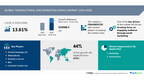
NEW YORK, Nov. 18, 2024 /PRNewswire/ — Report on how AI is redefining market landscape – The global transactional anding emails market size is estimated to grow by USD 16.59 billion from 2024-2028, according to Technavio. The market is estimated to grow at a CAGR of 13.61% during the forecast period. Growing focus on engaging audience through email marketing is driving market growth, with a trend towards growing use of interactive elements in marketing emails. However, presence of stringent user data protection regulations poses a challenge.Key market players include ActiveCampaign LLC, AlternativeTo, Amazon.com Inc., Bird, Constant Contact Inc., DMi Partners Inc., Elastic Email Inc., Ignite Visibility LLC, Inbox Army LLC, Intuit Inc., Klaviyo Inc., Mailchimp, MailerSend Inc., MH Digital Consulting Group LLC, Netcore Cloud Pvt. Ltd., Oracle Corp., Salesforce Inc., SAP SE, Sendinblue SAS, Sinch AB, and Twilio Inc..
AI-Powered Market Evolution Insights. Our comprehensive market report ready with the latest trends, growth opportunities, and strategic analysis- View Free Sample Report PDF
Forecast period
2024-2028
Base Year
2023
Historic Data
2018 – 2022
Segment Covered
Application (Marketing and Transactions), End-user (SMEs, Large enterprises, and Government), and Geography (APAC, North America, Europe, South America, and Middle East and Africa)
Region Covered
APAC, North America, Europe, South America, and Middle East and Africa
Key companies profiled
ActiveCampaign LLC, AlternativeTo, Amazon.com Inc., Bird, Constant Contact Inc., DMi Partners Inc., Elastic Email Inc., Ignite Visibility LLC, Inbox Army LLC, Intuit Inc., Klaviyo Inc., Mailchimp, MailerSend Inc., MH Digital Consulting Group LLC, Netcore Cloud Pvt. Ltd., Oracle Corp., Salesforce Inc., SAP SE, Sendinblue SAS, Sinch AB, and Twilio Inc.
Key Market Trends Fueling Growth
Transactional Anding Emails are a key part of business communications, particularly in the hospitality industry. These emails focus on promoting brand awareness, building customer relationships, and driving sales through personalized messaging and loyalty programs. Trends in this market include ideal customer targeting, blog content, product demos, and promotion via email, phone, and website links. Organisations use transactional emails to connect with customers during various stages of their journey, from booking to post-stay interactions. Transactional emails can be part of a short-term promotion strategy or a long-term customer retention plan. They offer an opportunity for emotional connection and repeat business, leading to positive reviews and increased customer lifetime value. Effective transactional emails include personalized messaging, courtesies calls from customer service teams, and offers like discounts and special deals. Hoteliers and traders use transactional emails to manage reservations, exchange information, and provide updates on occupancy periods. These emails can also include added services like room upgrades, spa treatments, and special dinners, enhancing the guest experience and satisfaction. The cost of marketing through transactional emails is often lower than traditional marketing methods, making it a budget-friendly option for businesses. Ultyimately, transactional emails play a crucial role in building and maintaining consumer relationships, driving sales, and increasing customer loyalty. By focusing on the needs, expectations, and preferences of their audience, businesses can create effective transactional email campaigns that foster emotional bonds and encourage repeat business.
Interactive emails have become a popular trend among businesses to enhance customer engagement. These emails, designed using HTML and CSS, offer an engaging experience through animations, images, and interactive elements. They include mailable microsites and links, enabling users to explore various email components using icons and tabs. By presenting marketing and transactional information creatively, businesses aim to boost email open rates and foster stronger customer relationships.
Insights on how AI is driving innovation, efficiency, and market growth- Request Sample!
Market Challenges
In today’s business landscape, transactional anding emails play a crucial role in building and maintaining consumer relationships for hotels and hoteliers. However, creating effective transactional emails poses several challenges. Brand awareness: Standing out in a crowded inbox requires eye-catching schemes and personalized messaging. Transactional marketing vs. Relationship marketing: Balancing the need for short-term sales with long-term customer loyalty. Identifying the Ideal Customer: Understanding consumer needs, expectations, and preferences to deliver a complete experience. Promotion vs. Product Demos: Deciding between promotional tactics and product demos to engage the audience. Connection at the Point of Sale: Building emotional connections through personalized communication and offers. Customer Retention and Loyalty Programs: Implementing initiatives to encourage repeat business and positive reviews. Budget and Business Model: Weighing the costs of marketing against the customer lifetime value. Customer Service and Satisfaction Level: Ensuring a positive guest experience through courtesy calls and a competent customer service team. Source of Interactions: Choosing the right distribution channels for reaching the target audience, such as cold-calling, phone calls, or website links. Traditional marketing vs. Digital Marketing: Adapting to the shift from pull marketing to push marketing and understanding the utility of each approach. Product Lines and Services: Offering added services like room upgrades, spa treatments, and special dinners to enhance the guest journey. Single Transactions vs. Long-term Strategy: Balancing short-term sales with long-term relationships and exchanging information for occupancy periods. Switching Hotels: Encouraging guests to return by offering special deals, discounts, and loyalty programs. Skift Research: Staying informed about industry trends and best practices to optimize marketing efforts. Direct Bookings: Maximizing customer lifetime value through direct bookings and personalized guest journey initiatives.Compliance with regulatory standards is essential for vendors providing transactional and marketing email services, as customer data is a valuable asset for both parties. Strict regulations govern the use of this data, and non-compliance can result in data leaks and unauthorized use. Regulatory authorities frequently update these standards, requiring continuous adaptation. Vendors and businesses must ensure data security and privacy to maintain trust and avoid potential legal issues.
Insights into how AI is reshaping industries and driving growth- Download a Sample Report
Segment Overview
This transactional anding emails market report extensively covers market segmentation by
Application 1.1 Marketing1.2 TransactionsEnd-user 2.1 SMEs2.2 Large enterprises2.3 GovernmentGeography 3.1 APAC3.2 North America3.3 Europe3.4 South America3.5 Middle East and Africa
1.1 Marketing- Marketing emails are a programmatic method for businesses to engage with customers and promote products or services. These emails aim to incentivize customer loyalty and build relationships. Businesses use marketing emails to increase brand awareness, advertise new offerings, and distribute discounts or campaign information. Vendors offer various services, including email template design, optimization, consultation, and tool customization. Marketing emails are a cost-effective strategy, eliminating expenses for events, print materials, and distribution. Personalization through data analytics and AI enhances the customer experience. The market’s growth is driven by competition, product innovation, technology updates, and the high ROI from client conversion and web traffic.
Download complimentary Sample Report to gain insights into AI’s impact on market dynamics, emerging trends, and future opportunities- including forecast (2024-2028) and historic data (2018 – 2022)
Research Analysis
Transactional Anding Emails are a crucial part of marketing strategies for businesses in various industries, including the hotel industry. These emails are triggered by a specific action, such as a booking or a purchase, and are designed to enhance consumer relationships and promote repeat business. They offer an opportunity for brands to maintain a connection with their guests even after a transaction has been completed. Transactional emails can be used for brand awareness, promotion, and relationship marketing. They can include product demos, special offers, and deals, making them an effective tool for both short-term and long-term strategies. The source of these emails can be various, from email marketing platforms to CRM systems. Organisations use transactional emails to build emotional connections with their audience, providing a personalised experience that goes beyond the point of sale. Hotels, for instance, can use these emails to thank guests for their booking, offer loyalty rewards, or even upsell additional services. Transactional emails can be considered a form of pull marketing, as they are initiated by the consumer’s action. However, they can also be used in push marketing strategies, such as sending promotional emails to potential guests based on their browsing or search history. Overall, transactional emails are an essential component of any marketing strategy, allowing businesses to engage with their audience, build long-term relationships, and drive repeat business.
Market Research Overview
Transactional Anding Emails: Building Meaningful Connections with Customers in the Hospitality Industry Transactional anding emails are a crucial component of a successful marketing strategy in the hospitality industry. These emails are triggered by a specific action, such as a hotel reservation or a guest’s birthday, and are designed to enhance the customer experience and foster long-term relationships. Transactional emails offer an opportunity for brand awareness and promotion, allowing businesses to showcase their product lines and services while providing valuable information to the customer. They can also serve as a platform for personalized messaging, customer service, and satisfaction level assessments. The ideal customer for transactional anding emails is one who has already engaged with the business, making it an effective tool for customer retention and loyalty programs. These emails can help build emotional connections with guests, encouraging repeat business and positive reviews. Effective transactional anding emails incorporate a marketing mix of promotional tactics, such as special deals, offers, and discounts, while also focusing on the controllable variables of the business model, including distribution channels and customer service. Personalized messaging and a guest-centric approach are key to creating successful transactional emails. By tailoring the content to the individual customer’s needs, expectations, and preferences, businesses can create a complete experience that goes beyond the transaction and fosters a long-term relationship. Hoteliers can also leverage transactional emails to offer added services, such as room upgrades, spa treatments, and special dinners, to enhance the guest journey and increase customer satisfaction. By focusing on the guest experience and building emotional bonds, hotels can turn short-term associations into long-term relationships and drive direct bookings. In conclusion, transactional anding emails are an essential tool for hoteliers looking to build meaningful connections with their customers and drive repeat business. By incorporating personalized messaging, customer service, and promotional tactics, businesses can create a complete experience that goes beyond the transaction and fosters long-term relationships.
Table of Contents:
1 Executive Summary
2 Market Landscape
3 Market Sizing
4 Historic Market Size
5 Five Forces Analysis
6 Market Segmentation
ApplicationMarketingTransactionsEnd-userSMEsLarge EnterprisesGovernmentGeographyAPACNorth AmericaEuropeSouth AmericaMiddle East And Africa
7 Customer Landscape
8 Geographic Landscape
9 Drivers, Challenges, and Trends
10 Company Landscape
11 Company Analysis
12 Appendix
About Technavio
Technavio is a leading global technology research and advisory company. Their research and analysis focuses on emerging market trends and provides actionable insights to help businesses identify market opportunities and develop effective strategies to optimize their market positions.
With over 500 specialized analysts, Technavio’s report library consists of more than 17,000 reports and counting, covering 800 technologies, spanning across 50 countries. Their client base consists of enterprises of all sizes, including more than 100 Fortune 500 companies. This growing client base relies on Technavio’s comprehensive coverage, extensive research, and actionable market insights to identify opportunities in existing and potential markets and assess their competitive positions within changing market scenarios.
Contacts
Technavio Research
Jesse Maida
Media & Marketing Executive
US: +1 844 364 1100
UK: +44 203 893 3200
Email: media@technavio.com
Website: www.technavio.com/
View original content to download multimedia:https://www.prnewswire.com/news-releases/transactional-landing-emails-market-to-grow-by-usd-16-59-billion-2024-2028-driven-by-email-marketing-engagement-with-ai-shaping-market-trends—technavio-302308040.html
SOURCE Technavio










 Technology5 days ago
 Technology5 days ago

 Technology5 days ago
 Technology5 days ago
 Technology5 days ago

 Technology5 days ago