Connect with us

Technology

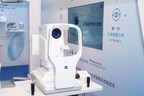
ZEISS Debuts MYO 200 Biometer for Myopia Management in Hong Kong, Built on ZEISS “Gold Standard” Technology to Safeguard the Visual Health of Children and Adolescents

Published

on

HONG KONG, Dec. 3, 2024 /PRNewswire/ — Global optical technology leader ZEISS debuted the ZEISS MYO 200 Biometer for Myopia Management in Hong Kong on November 28th, to provide more precise myopia control and improved visual health for children and adolescents. Specifically tailored for children and adolescents, MYO 200 features enhanced accuracy and convenience using ZEISS’s key optical technologies, supporting eye care professionals in providing more effective myopia management. Playing an essential role in ZEISS’s myopia management and vision care workflow, ZEISS MYO 200 seamlessly integrates with the ZEISS myopia management software, providing accurate biometric measurements and analysis to monitor the visual development trends of children and adolescents, enabling eye care professionals to develop personalized intervention plans that achieve better results.

Myopia remains a serious concern for young people in Hong Kong today, exacerbated by the increasing popularity of online learning and increased use of electronic products. According to the Hong Kong Children Eye Study conducted by the Chinese University of Hong Kong, over 40% of eight-year-old children in Hong Kong are already affected by myopia.[1] To combat this issue, Hong Kong has actively promoted numerous eye care education campaigns and initiatives, with an emphasis on early screening and regular eye exams. This situation has made the demand for precise optical measurement devices increasingly urgent. However, existing measurement devices are primarily designed for traditional hospitals and large medical institutions, leaving them unable to meet the surging demand for eye health management from communities, schools, eye clinics, and retail optical stores. The ZEISS MYO 200 Biometer for Myopia Management has been launched to meet this need.

“As a pioneer in the medical field, especially in eye healthcare, ZEISS is committed to addressing medical and health needs through product development and technological innovation, with a particular focus on children and adolescents,” said Dr. Werner Schaefer, Head of Business Development ZEISS MED China. “Amid the growing prevalence of myopia, we seek to harness revolutionary technologies to promote precise myopia management, helping children and adolescents slow down the progression of myopia and reduce related risks. To achieve this we have launched MYO 200, which we hope will play a major role in enhancing healthy vision and lay a solid foundation for full-lifecycle eye health.”

“In recent years, the high prevalence of myopia in Hong Kong has been accompanied by a trend of earlier onset and faster progression, which has raised widespread concern among parents,” said Jerome Chan, Head of ZEISS Vision Sales & Service, HK & Macau. “However, myopia can be prevented and controlled. Early detection and assessment of myopia risk combined with timely intervention can slow its progression. The launch of ZEISS MYO 200 is a significant initiative from ZEISS in delivering accurate biometric measurement for myopia control. We look forward to seeing it play a crucial role in early myopia management across various scenarios, promoting myopia assessment and benefiting more children and adolescents.”

Monitoring Axial Length Changes to Detect Myopia Risk Early

Many parents feel perplexed when confronted with their children’s vision problems, as myopia progression is usually gradual with no obvious symptoms in the early stages. By the time vision issues are noticed, the optimal window for intervention has often already passed. However, severe myopia is not merely a matter of blurred vision – once it progresses to high myopia, the risks of complications, including early-onset cataracts, glaucoma, retinal detachment, and macular degeneration significantly increase, posing severe threats to vision health. Research from the American Academy of Ophthalmology indicates that early intervention strategies for myopia management can significantly slow its progression, lowering the risk of future vision damage.[2]

The mechanism of myopia development is complex, with axial length being a key factor affecting its progression. While the eye’s axial length naturally grows as part of physical development, children with myopia experience significantly faster growth in axial length compared to those with normal vision. This abnormal growth alters ocular geometry, exacerbating vision problems. For instance, children who begin developing myopia at age 10 may show accelerated growth in axial length by age 9. Therefore, regular and precise monitoring of axial length is essential to allow professionals to implement timely interventions, adjust management plans, and identify high-risk cases early, ultimately minimizing the likelihood of developing into high myopia in the future.

Flexibly Applying “Gold Standard” Biometry to Facilitate Early Intervention

The newly launched ZEISS MYO 200 builds on ZEISS’s core technology in optical biometry, which has been clinically proven by billions of measurements globally. Recognized as the “gold standard” in optical biometry for its exceptional accuracy and reliability, ZEISS MYO 200 delivers unmatched precision thanks to its advanced technology and rigorous quality controls. The ZEISS MYO 200 features a user-friendly design, meeting the demand for faster and easier measurement while accommodating the special needs of children and adolescents who find it difficult to maintain focus for extended periods to guarantee accuracy in measurement.

The ZEISS MYO 200 is designed to be used in settings far beyond traditional hospitals and large medical institutions, making precise optical measurements available at eye clinics and optical retail stores. Its auto alignment and quick scan technology effectively shorten examination time, while its telecentric keratometry technology improves the success rate of corneal curvature measurements, making it user-friendly even for beginners. The all-in-one design with touch screen and joystick ensures easy operation of the device, while its flexible measurement modes enable professionals to conduct myopia evaluations efficiently and accurately in different scenarios. These advantages greatly enhance the accessibility of precise eye examinations, enabling children and adolescents to receive accurate myopia risk assessments and long-term monitoring close to home.

Efficient Full Process Management with Diverse Solutions for Myopia Management

The ZEISS MYO 200 is more than just a high-precision optical biometry device – it plays a vital role in ZEISS’s myopia management workflow. This comprehensive solution monitors changes in axial length and refractive power and covers multiple services such as precise eye exams and glasses fitting, personalized lens and frame options, daily care routines, and eye development monitoring. The ZEISS MYO 200 supports eye development monitoring by providing critical data, reinforcing the synergy between different stages and promoting efficiency in the entire myopia management process, building a robust defense for the eye health of children and adolescents.

Addressing children’s visual health requires a concerted effort from the entire society. To this end, ZEISS actively collaborates with medical and research institutions as well as industry peers to continuously bring innovative solutions to the field of eye health. The ZEISS MyoCare Lenses are among the collaborative outcomes of these endeavors. The ZEISS MyoCare Lenses are among the collaborative outcomes of these endeavors.

The lenses utilize Hong Kong Polytechnic University’s patented Defocus Incorporated Soft Contact (DISC) technology, contributing to global myopia management and development in children. This collaboration enables ZEISS to apply PolyU’s patented myopia control technology in professional optical products, combining authoritative academic research with cutting-edge optical technology to provide parents and children with more professional and effective myopia management solutions. The lenses also integrate ZEISS’s patented C.A.R.E. technology, offering comprehensive protection for children’s visual health. A 12-month clinical study has shown that 90% of children using ZEISS MyoCare Lenses demonstrate effectively slowed myopia progression. Notably, clinical evidence shows that even for children with myopic parents, who are especially at risk of developing myopia themselves, the lenses likewise effectively controlled myopia progression, making myopia inheritance no longer a foregone conclusion. This product underscores ZEISS’s ongoing efforts and unwavering commitment to myopia control and vision care.

The launch of the ZEISS MYO 200 introduces a more advanced measurement tool for precise myopia management for children and adolescents, further strengthening the technological foundation for myopia prevention. In the future, ZEISS will continue to lead the industry, collaborate with a wide range of partners to explore applications of innovative technologies in myopia management, and provide superior, comprehensive solutions to safeguard children’s vision health, creating a brighter future together.

About ZEISS

ZEISS is an internationally leading technology enterprise operating in the fields of optics and optoelectronics. In the previous fiscal year, the ZEISS Group generated annual revenue totaling 10.1 billion euros in its four segments Semiconductor Manufacturing Technology, Industrial Quality & Research, Medical Technology and Consumer Markets (status: 30 September 2023).

For its customers, ZEISS develops, produces and distributes highly innovative solutions for industrial metrology and quality assurance, microscopy solutions for the life sciences and materials research, and medical technology solutions for diagnostics and treatment in ophthalmology and microsurgery. The name ZEISS is also synonymous with the world’s leading lithography optics, which are used by the chip industry to manufacture semiconductor components. There is global demand for trendsetting ZEISS brand products such as eyeglass lenses, camera lenses and binoculars.

With a portfolio aligned with future growth areas like digitalization, healthcare and Smart Production and a strong brand, ZEISS is shaping the future of technology and constantly advancing the world of optics and related fields with its solutions. The company’s significant, sustainable investments in research and development lay the foundation for the success and continued expansion of ZEISS’ technology and market leadership. At 15 percent of revenue, ZEISS spent a record 1.5 billion euros on research and development in the past fiscal year.

The ZEISS Group is represented in around 50 countries. Over 43,000 employees work at more than 30 production sites, more than 60 sales and service locations, and 30 research and development facilities worldwide. The company is headquartered in Oberkochen (Germany). The Carl Zeiss Foundation, one of the largest foundations in Germany committed to the promotion of science, is the sole owner of the holding company, Carl Zeiss AG.

Further information at www.zeiss.com


View original content to download multimedia:https://www.prnewswire.com/apac/news-releases/zeiss-debuts-myo-200-biometer-for-myopia-management-in-hong-kong-built-on-zeiss-gold-standard-technology-to-safeguard-the-visual-health-of-children-and-adolescents-302320562.html

SOURCE ZEISS

Continue Reading
Click to comment

Leave a Reply

Your email address will not be published. Required fields are marked *

Technology

Wearable Technology Market Expected to Reach $183.2 Billion by 2031, Growing at a CAGR of 12.75% — Allied Market Research

Published

on

By

Surge in AI & IoT-enabled smart wearables, rising healthcare monitoring demand, and expanding enterprise deployments are reshaping the global wearable technology market.

WILMINGTON, Del., April 21, 2026 /PRNewswire/ — Allied Market Research has published a comprehensive new report titled, “Wearable Technology Market by Device, Product Type, and Application: Global Opportunity Analysis and Industry Forecast, 2024–2033.” According to the report, the global wearable technology market size was valued at USD 54.8 billion in 2020 and is projected to reach USD 183.2 billion by 2031, registering a CAGR of 12.75% from 2022 to 2031. Rising global rates of chronic disease, post-pandemic behavioral shifts toward preventive health, and the accelerating integration of artificial intelligence and IoT connectivity into wearable devices are the primary forces fueling robust wearable technology market growth across consumer, clinical, and enterprise segments.

Download Sample Pages of Research Overview: 
https://www.alliedmarketresearch.com/request-sample/355

Key Market Snapshot

Report Title

Wearable Technology Market — Global Opportunity Analysis & Industry Forecast, 2024–2033

Market Size (2020)

USD 54.8 Billion

Market Forecast (2031)

USD 183.2 Billion

CAGR (2022–2031)

12.75 %

Leading Segment by Product

Smartwatches & Fitness Bands

Leading Application

Healthcare & Medical Monitoring

Leading End User

Consumer Electronics Segment

Dominant Region

North America

Fastest Growing Region

Asia-Pacific

Top Growth Driver

AI & IoT-Enabled Wearable Devices

Report Coverage

2017–2033 | Multi-segmented, Multi-regional

Buy This Research Report (196 Pages PDF with Insights, Charts, Tables, and Figures): https://www.alliedmarketresearch.com/checkout-final/7dbb6a5d788644207905e99b6b05cfe6

Key Market Insights

Market Size: The global wearable technology market was valued at USD 54.8 billion in 2020 and is projected to reach USD 183.2 billion by 2031 growing at a CAGR of12.75% making it one of the fastest-growing consumer electronics and digital health segments worldwide.The Smartwatches and fitness bands, who are not only growing the presence in the field of heart rate tracking or sleep tracking but also new product advances such contactless payments along with smartphone features basically serving needs for both a proliferation of wellness consumers and burgeoning population of more clinically oriented users.The Highest Growing Application Vertical: Healthcare and medical monitoring is the fastest-growing segment of application vertical, due to increasing clinical validation for ECG monitoring, blood glucose estimation, SpO2 tracking & fall detection in wearable devices — allowing continuous remote patient management.Hearables as a New Subsector: A growing sector of wearables, hearables — smart earbuds and AI-driven hearing aids are one of the most dynamic wearable categories now, propelled further by relaxation of US regulations on over-the-counter (OTC) hearing aids.Regional Leaders: North America led the market for global wearable technology in 2020 due to high consumer technology adoption, advanced healthcare infrastructure and a strong ecosystem for employer-subsidized wellness programs.Largest Growth Frontier: Equipped with increasing smartphone penetration, expanding urban middle class incomes, and large young rural populations across India, China, South Korea & Southeast Asia; AsiaPacific is undoubtedly the fastest growing region.Artificial intelligence (AI) as an Enabler: The addition of AI built directly into wearables — delivering personalized fitness coaching, real-time alerts to changes in health conditions, anomaly detection and predictive analytics — will finally be transforming the nature of smart watches from mere data collectors to actual intelligent health companions.

Technology Drivers

Introduction There are several converging technologies that will redefine usage wearables. On-device AI and machine learning provide personal fitness recommendations, real-time health alerts, and behavioral coaching to individual users which will drive stickiness on the platform The widespread emergence of 5G infrastructure worldwide is enabling low-latency biosignal streaming to cloud health platforms, paving the way for new use cases in remote patient monitoring and augmented reality wearables along with industrial safety applications.

Flexible batteries, which can keep power-hungry chip designs thinner and allow energy harvesting from body heat and motion, combined with increasingly compact chip design are helping create tinier devices that provide better fulfillment of consumer expectations surrounding comfort and aesthetics. With the birth of smart ring category — small, low-power and unobtrusive devices —shows that appetite is growing for wearable form factors beyond the wrist.

Enquiry Before Buying: https://www.alliedmarketresearch.com/purchase-enquiry/355

Market Segmentation

Based on Product Type: Smartwatches: & amp; Fitness bands, hearables, medical wearables smart glasses and smart clothing.

By Application: Sports and fitness is still the largest segment by volume, while healthcare and medical monitoring is fastest-growing as biosensors receive clinical validation (for arrhythmia detection), continuous glucose monitoring and chronic disease management.

Global Shipments of Device by End User: Individual consumers are the leader in global shipments of devices. But healthcare providers and enterprise clients are scaling too quickly as wearables move past consumer toys to actual clinical and operational tools with credible ROI. Through comprehensive employee wellness programs, enterprises throughout North America and Europe are integrating wearables into their health initiatives that form another valuable institutional procurement channel, next to where most consumer wearables are sold today retail.

Regional Insights

North America will occupy the largest revenue share as a growing middle class translates to overall health, with high levels of consumer technology adoption and a healthcare system that has embraced remote monitoring. Consumer health wearables are accelerating clinical validation with FDA clearances, and sustained demand is being created by employer subsidized wellness programs, over above direct retail

Technological advances coupled with significant smartphone penetration and an increasing middle-class income are propelling growth of the Asia-Pacific market, which is also home to some of the youngest populations in world (in India, China, South Korea and Southeast Asia). China has the combined characteristics of being the largest manufacturer in the world as well as a large domestic consumer market: many new brands compete fiercely on feature set and price. India is forecast to also experience one of the highest regional growth rates until 2033 from e-commerce expansion and rising urban health awareness.

Europe has a large presence, spinning off notably to the medical and sports performance space. Representing a different landscape of data governance that wearable health platforms face today, consumer privacy awareness is affecting the market and EU digital health regulations actively are shaping product development for manufacturers worldwide. Its the UK and Germany, France and the Nordic nations that are at the fore.

LAMEA (Latin America, Middle East, and Africa) is an emerging high-growth opportunity. In Saudi Arabia, the UAE and Qatar this institutional push for wearables is being supported by government-led incentives for Smart City and digital health initiatives. For Latin American adoption, Brazil leads and South Africa anchors the African wearables ecosystem.

Competitive Landscape

The market is defined by intense competition among technology giants, specialized medical device makers, and consumer electronics challengers:

Apple leads the smartwatch segment with its Apple Watch ecosystem, integrating consumer wellness with clinical-grade health monitoring.Samsung competes through its Galaxy Watch and Galaxy Buds portfolio, backed by the Samsung Health platform.Fitbit (Google) pioneered consumer fitness tracking and is now targeting clinical-grade health monitoring within Google’s broader digital health ecosystem.Garmin commands premium loyalty among athletes and outdoor professionals through precision GPS and biometric analytics.Huawei and Xiaomi dominate volume in Asia-Pacific — Huawei through advanced health sensing and Xiaomi through ultra-competitive pricing in emerging markets.Abbott, Dexcom, and Medtronic lead in medical wearables, particularly continuous glucose monitors and implantable cardiac devices.Meta and Snap are pursuing next-generation augmented reality smart glasses.

Recent Developments

There are a few major trends that will influence the direction of the market in the near term. Non-invasive Blood Glucose monitoring is one of the most awaited features in future smartwatches and for good reason too; it could unlock the world’s biggest diabetic care market. So far, large language model-based AI coaching assistants have been dispersed in wearable platforms and are producing tailored fitness, sleep and stress management advice. For Consumer Domestics: The FDA and CE Clearances for ECG, Atrial Fibrillation Detection, And Blood Oxygen Monitoring Have Notably Broadened the Clinical Legitimacy of Smartwatches from Consumers Ruggedized wearables for workplace safety and augmented reality-assisted operations will deliver a high-value B2B channel targeting enterprise and industrial deployments. With technology conglomerates, healthcare systems, and insurers all vying to consolidate platforms and intellectual property across connected health, strategic M&A and investment activity is accelerating.

Analyst Perspective

Structural Inflection Point for Wearable Tech Market With the largest-aged population globally, they require continuous non-invasive monitoring of heart, lung and brain health by detecting early symptoms. At the same time, healthcare systems pressed financially are transitioning to preventive care models — a switch in which clinically validated consumer wearables form a critical enabling play.

The synthesis of AI-enabled edge computing, 5G, next-generation biosensor arrays, and flexible electronics is creating a new class of devices that will serve not only as data collectors but also as smart health companions with capabilities for personalization, anomaly detection and integration across larger digital health systems.

For market stakeholders, the key success factors all remain constant; device accuracy and clinical validation (with effective engagement that engenders habitual use), platform ecosystem stickiness (entrenchment to create a barrier to competition), data privacy & regulatory compliance, and the demonstrated ability to deliver measurable health outcomes that warrant a premium price point for consumers or institutional uptake. Those companies getting all four of these dimensions right are best positioned to capture outsized value as the market scales through 2033

Explore AMR’s Extensive ongoing Coverage on Consumer and Goods Domain:

Smart Home Appliances Market: Global Opportunity Analysis and Industry Forecast, 2024 – 2034
https://www.alliedmarketresearch.com/smart-home-appliances-market

Digital Accessories Market: Global Opportunity Analysis and Industry Forecast, 2023-2032
https://www.alliedmarketresearch.com/digital-accessories-market

Home Entertainment Devices Market: Global Opportunity Analysis and Industry Forecast, 2022–2031
https://www.alliedmarketresearch.com/home-entertainment-devices-market

Hand Dryer Market: Global Opportunity Analysis and Industry Forecast, 2022–2031
https://www.alliedmarketresearch.com/hand-dryer-market

Electronic Cigarette Market: Global Opportunity Analysis and Industry Forecast, 2022–2031
https://www.alliedmarketresearch.com/electronic-cigarette-market

Air Humidifier Market: Global Opportunity Analysis and Industry Forecast, 2024 – 2033
https://www.alliedmarketresearch.com/air-humidifier-market

Smart Toys Market: Global Opportunity Analysis and Industry Forecast, 2023 – 2033
https://www.alliedmarketresearch.com/smart-toys-market

Dehumidifier Market: Global Opportunity Analysis and Industry Forecast, 2022 – 2032
https://www.alliedmarketresearch.com/dehumidifier-market

Action camera Market: Global Opportunity Analysis and Industry Forecast 2021–2027
https://www.alliedmarketresearch.com/action-camera-market

Residential Washing Machine Market: Global Opportunity Analysis and Industry Forecast, 2020-2031
https://www.alliedmarketresearch.com/residential-washing-machine-market 

About Us

Allied Market Research (AMR) is a full-service market research and business consulting wing of Allied Analytics LLP based in Wilmington, Delaware. Allied Market Research provides end-to-end solutions along with information, education, advocacy, and networking resources to SMEs and early-stage start-ups to bring excellence to their processes. In addition, we offer a nurturing environment required to develop and grow businesses, including business planning; virtual support; market intelligence; acquiring resources; and getting direct access to finance, suppliers, and other experts to boost the growth of businesses and entrepreneurs.

Our bundled and hassle-free business support systems are customized to meet the needs of SME consultants and industry leaders. Moreover, our large network of skilled consultants and experts help start-ups get the business on a roll.

Contact:
David Correa
1209 Orange Street,
Corporation Trust Center,
Wilmington, New Castle,
Delaware 19801 USA.
Int’l: +1-503-894-6022
Toll Free: +1-800-792-5285
Fax: +1-800-792-5285
help@alliedmarketresearch.com
Web: www.alliedmarketresearch.com
Allied Market Research Blog: https://blog.alliedmarketresearch.com
Follow Us on | Facebook | LinkedIn | YouTube |

Logo: https://mma.prnewswire.com/media/636519/5918347/Allied_Market_Research_Logo.jpg 


View original content:https://www.prnewswire.com/news-releases/wearable-technology-market-expected-to-reach-183-2-billion-by-2031–growing-at-a-cagr-of-12-75—-allied-market-research-302748411.html

SOURCE Allied Market Research

Continue Reading

Technology

AI Innovation Surges as Security Fundamentals Lag, Kroll Research Finds

Published

on

By

Key Takeaways

76% of organizations have experienced a security incident involving AI applications or models in the past two years. 27% of organizations report costs exceeding $1 million from AI-related security incidents.As organizational cyber maturity increases, the likelihood of experiencing an incident involving AI reduces significantly, from 89% (very low maturity) to 54% (very high maturity).

NEW YORK, April 21, 2026 /PRNewswire/ — Kroll, the leading independent provider of global financial and risk advisory solutions, has released global cyber resilience research which reveals that rapid artificial intelligence (AI) adoption is dramatically outpacing governance, security controls and incident preparedness.

It has become clear that AI, and in particular agentic AI, has changed the threat model permanently. The research results indicate that while AI is becoming embedded across enterprise operations, 76% of businesses have experienced a security incident involving AI applications or models in the past two years. The research reveals organizations lack the foundational security practices and governance frameworks necessary to deploy AI safely and effectively, costing almost one-third of organizations (27%) over one million dollars related to AI-related security incidents.

While there is appetite to incorporate the promise of AI into security infrastructure, 90% of respondents surveyed identified barriers preventing greater investment in AI security. Lack of clear ROI, insufficient executive understanding of AI risks and the belief that current measures are sufficient account for 40% of those barriers.

The Innovation-Security Trade-Off

The research shows that most organizations are inadequately prepared for AI threats, despite the rapid increase in attacks.

Organizations spend an average of 13% of their AI initiative budget on using AI to test security controls or to test the models themselves, leaving critical gaps in AI security posture and illuminating a disconnect between AI adoption and AI security investment.Companies with highly mature security practices are six times more likely to spend over 20% of their AI budget on testing security controls.Almost half (48%) of respondents stated they have little to no organizational governance on AI tool and service adoption, creating an expanded attack surface that extends far beyond the organization’s traditional perimeter.

Dave Burg, Global Group Head of Cyber and Data Resilience at Kroll, says, “Organizations are under pressure to embrace AI to respond faster and with greater precision to increasingly complex threats. However, this cannot come at the expense of the basics for prevention, detection and responding to attacks. We’re seeing businesses enthusiastically integrate AI into their operations without getting the fundamentals right first, and that’s creating a dangerous security debt.

The real story isn’t that AI is risky; it’s that without the right foundational security in place, AI amplifies existing security weaknesses. Fortunately, there are opportunities for organizations to remediate this. Kroll was recently among industry leaders joining CrowdStrike’s Charlotte AI AgentWorks Ecosystem which helps operationalize AI within managed detection and response, building tailored agents that accelerate investigations and response.”

Maturity Matters: Organizations with Strong Foundations Experience Significantly Fewer AI Incidents

As organizational cyber maturity increases, the likelihood of experiencing an AI-related security incident drops significantly:

89% of organizations with very low cyber maturity experience AI-related security incidents.In contrast, 54% of organizations with very high cyber maturity experience AI-related security incidents.Even further, 46% of organizations with very high cyber maturity reported zero AI-related cyber incidents in the past two years, demonstrating that robust security foundations directly translate to AI security resilience.This is understandable as 69% of organizations with very high cyber maturity have a centralized AI platform strategy with security controls, compared to just 39% of those with very low cyber maturity.

Quiessence Philips, Head of Security Architecture and Engineering at Kroll, says, “AI’s ability to accelerate productivity and innovation is undeniable, and the goal is not to slow it down. However, adoption without concurrent investment in security foundations is not bold, it’s reckless. The agentic AI ecosystem is now the fastest-growing enterprise attack surface, and the organizations most at risk are the ones chasing the opportunity without building security alongside it. Secure architecture, identity management, incident response, security culture – these aren’t limitations on innovation, but what make innovation sustainable.”

You can access the full report on the Kroll website.

You can also register for the webinar discussing these results in-depth here.

About the Research

Kroll commissioned independent research firm Sapio Research to conduct a comprehensive study into cybersecurity resilience and risk alignment in enterprise organizations. The research surveyed 1,000 cybersecurity decision-makers at companies with annual revenues from $50 million to more than $5 billion across 10 countries: the United Kingdom, Ireland, Germany, Switzerland, the United States, Japan, Singapore, Australia, the United Arab Emirates and Saudi Arabia. The survey was conducted in November and December 2025.

About Kroll

As the leading independent provider of financial and risk advisory solutions, Kroll leverages our unique insights, data and technology to help clients stay ahead of complex valuation demands. Kroll’s team of more than 6,500 professionals worldwide continues the firm’s nearly 100-year history of trusted expertise spanning risk, governance, transactions and valuation. Our advanced solutions and intelligence provide clients the foresight they need to create an enduring competitive advantage. At Kroll, our values define who we are and how we partner with clients and communities. Learn more at kroll.com.

View original content to download multimedia:https://www.prnewswire.com/news-releases/ai-innovation-surges-as-security-fundamentals-lag-kroll-research-finds-302747672.html

SOURCE Kroll

Continue Reading

Technology

Premialab Partners with BBVA CIB

Published

on

By

LONDON, April 21, 2026 /PRNewswire/ — Premialab, the leading independent platform for quantitative analytics and systematic investment strategies, today announced that BBVA Global Markets QIS has joined its global contributor network. BBVA GM QIS will add its suite of rule-based strategies to the Premialab platform and leverage Premialab’s advanced analytics, including its Pure Factors framework, to independently benchmark and analyze performance and risk characteristics. This collaboration underscores Premialab’s commitment to deepening its quantitative solutions ecosystem and offering institutional investors a broader toolkit of data-driven strategies.

BBVA GM QIS offers a diverse suite of systematic strategies spanning equities including thematic and smart beta and systematic asset allocation, both aligned with its well-established Structured Products platform, as well as Alternative Risk Premia indices designed to capture systematic risk premiums available in the market. These solutions can also serve as overlays to traditional portfolios, providing additional income or hedging features.

Together, these investable systematic strategies enable investors to achieve their risk-return objectives by calibrating factor exposures and risk budgets in a flexible, transparent, and cost-efficient manner.

“Joining the Premialab platform is an exciting step for BBVA GM QIS,” said Pablo Suárez, Head of QIS at BBVA Global Markets. “We see Premialab as a natural partner, given the strong alignment between its independent analytics capabilities and our systematic investment framework. Its data infrastructure provides an ideal environment to showcase our strategies to a global institutional audience. This collaboration reflects our commitment to working closely together, enabling investors to better understand the risk and return drivers of our systematic solutions and how they can complement their broader portfolio objectives.”

We are delighted to partner with BBVA GM QIS,” said Adrien Geliot, CEO of Premialab. “Their quantitative expertise and strong track record in developing innovative, rule-based investment solutions align with our mission to bring greater transparency, consistency, and insight to the systematic investing landscape. This partnership expands our coverage and strengthens the value we deliver to institutional investors.

Premialab’s multi-asset, multi-region platform handles over 15 million data points daily across more than 7,000 investible systematic strategies, representing client assets under management of approximately USD 20 trillion. Its proprietary dataset and analytics provide detailed risk decomposition, factor attribution, and scenario-based analysis – enabling investors to make better allocation decisions.

Notes to Editors

About Premialab
Premialab is the leading independent platform that collaborates with leading investment banks and institutional investors globally, providing data, analytics, and risk solutions for systematic, factor, and multi-asset strategies. With offices in London, Paris, New York, Hong Kong, Dubai and Sydney, the company partners with the top 18 investment banks, leading asset managers, pension funds, sovereign wealth funds and insurance companies globally. For more information, please visit: www.premialab.com.

About BBVA CIB

BBVA is a global financial services group founded in 1857. The bank is present in more than 25 countries, has a strong leadership position in the Spanish market, is the largest financial institution in Mexico and it has leading franchises in South America and Turkey. In the United States, BBVA also has a significant investment, transactional, and capital markets banking business.

Its division BBVA Corporate & Investment Banking (BBVA CIB) brings together the activities of investment banking, markets, financing and transactional services for institutional investors and corporate clients. It has a strong global presence, providing services in 25 countries through an extensive team of experts, including investment banking specialists and advisors in specific industries and sectors. BBVA CIB offers a wide range of value-added products and financial solutions, for the simplest needs and for the most complex ones. Its mission is to help clients to carry out their projects and achieve their business, transformation and sustainability objectives, whether they are local or international.

Logo: https://mma.prnewswire.com/media/2752715/5584590/Premialab_Logo.jpg

View original content:https://www.prnewswire.co.uk/news-releases/premialab-partners-with-bbva-cib-302747587.html

Continue Reading

Trending