Lexus NX Will Now Be 100% Electrified With a Choice of Hybrid Electric Vehicle (HEV) or Plug-in Hybrid Electric Vehicle (PHEV) PowertrainsThe NX Lineup is Planned to Include Four Grade Choices in Either Powertrain: Premium, Premium+, F SPORT and LuxuryNX PHEV Features a Newly Developed Lithium-ion Battery with a Manufacturer Estimated Over 40 Miles of EV Range on Select Grades*DC Fast Charging Capability and Power Charge Port Door are Standard on NX PHEV GradesImproved Driving Dynamics Due to Updates Throughout Including: Suspension, Steering System, Accelerator, Braking System and Chassis RigidityLexus Interface With 14-inch Touchscreen Display Is Now Standard on All GradesAvailable Sensory Concierge on Luxury and F SPORT Grades Personalizes the Cabin Experience Through a Combination of Lighting, Sound, and FragranceLexus Safety System+ 4.0 Delivers Peace of Mind With Enhanced Detection Capabilities, Broader Situational Awareness, and Expanded Driver Assistance Technologies
*Official EPA ratings available closer to on-sale date
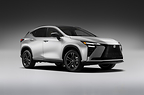
PLANO, Texas, Sept. 1, 2026 /PRNewswire/ — Lexus debuts the new and greatly enhanced Lexus NX compact crossover for the 2027 model year, a model which has continued to enjoy popularity with legions of luxury customers globally. Since its debut in 2014, the Lexus NX has earned acclaim from customers around the world for its agile urban driving performance, stylish design, and other distinctive qualities. For the 2027 model year, Lexus NX will move to a 100% electrified lineup with a choice of Hybrid or Plug-in Hybrid grades.
Some of the highlights of the new NX include interior and exterior design elements, improved structural rigidity and driving dynamics, next-generation hybrid technology, and the inclusion of Sensory Concierge on select grades. In addition to this, the Lexus Interface 14-inch screen is now standard across all grades and acts as the central hub for navigation, entertainment, vehicle information, and connected technologies. This extensively updated new model is expected to be made available across global markets by the end of 2026.
Next-Generation Hybrid Drivetrain Technology
The new Lexus NX aims to elevate the compact crossover experience by deploying the latest, most advanced Lexus hybrid drivetrain technology. Since 2005, when Lexus introduced hybrid-electric technology into the luxury space in the U.S., generation over generation advances in the drivetrain systems have yielded power improvements and efficiency enhancements that have been applied to this latest iteration of the NX Hybrid system.
Key System Enhancements for Hybrid and Plug-In Hybrid NX
The new system uses an e-Axle assembly integrating the transaxle, motor, and PCU (Power Control Unit). The result is a more compact, lightweight package, helping lower the vehicle’s center-of-gravity. Further efficiency gains are achieved through improved drivetrain electronics and the adoption of SiC (silicon carbide) power semiconductors in the inverter.
The NX 450h+ is equipped with a newly developed Lithium-ion battery that delivers an 8% increase in output and a 30% increase in capacity. PHEV grades also now come standard with DC fast charging and the addition of a Power Charge Port Door.
By changing the battery cell layout from the conventional longitudinal arrangement to a transverse one, lateral rigidity across the entire body has been increased, while the lower battery mounting position achieves a lower center of gravity.
The redesigned hybrid system also features enhanced battery power management. Greater use of battery power during acceleration suppresses excessive engine speed, allowing engine rpm to rise more in sync with vehicle speed for a more linear acceleration feel.
Along with this, the redesigned engine block casting includes reinforced areas that increase rigidity between the engine and transaxle. The improved block rigidity helps shift resonance away from engine combustion frequencies, reducing unpleasant noise and vibration.
Updated Electronic Control Unit (ECU) programming improves the coordination between the motor and engine when transitioning from EV to HEV driving. The NX PHEV retains essential driving feedback to provide a driving experience that fosters intuitive, confident communication between driver and vehicle.
The new NX offers an E-Four electronic all-wheel-drive system featuring revised rear motor control that enables continuous AWD operation not only during launch, wheel slip and cornering, but also in straight-line driving. This always-on AWD system delivers more stable, confidence-inspiring handling with an enhanced sense of road contact, while also improving stability on low-traction surfaces such as snow.
Evolving the “Lexus Driving Signature” Through Enhanced Performance and Extensive Refinement
To further evolve the Lexus Driving Signature, the uniquely Lexus driving character defined by its clear, responsive, and linear feeling of the vehicle control surfaces, Lexus engineers continuously enhance the fundamental performance of every model through uncompromising and relentless vehicle refinement. The new NX improves on the vehicle’s core fundamentals through measures such as increased body rigidity and the placement of major mass components help enhance the NX’s sporty dynamic nature and ride comfort.
The new model’s performance was then rigorously honed and tuned on the demanding test courses at Toyota Technical Center Shimoyama (TTC-S), Lexus’ vehicle development center. Development also continued at Germany’s Nürburgring, the inspiration behind TTC-S and home to even more demanding road conditions. Through exhaustive testing and repeated tuning, the new NX was refined to deliver Lexus’ hallmark comfort and refinement while pursuing a driving experience that enables intuitive communication between driver and vehicle.
For the new NX, aspects of the chassis and vehicle control systems have been carefully tuned to deliver an even more linear and refined driving feel.
Body rigidity, which forms the foundation of a vehicle’s core structure, is continuously enhanced across all NX grades. For the new NX, in addition to reinforcing the front and rear of the unibody, a new floor cross member and additional reinforcement along the tunnel ridge have been adopted, increasing floor rigidity. The suspension towers have also been redesigned with integrated structural components, improving their rigidity. These enhancements contribute not only to sharper handling, and reduced road noise but also to greater ride comfort due to improved suspension performance.
On NX grades that don’t include an Adaptive Variable Suspension System, the newly adopted shock absorbers with ultra-low-speed valves generate damping force with high responsiveness even to minute suspension movements, achieving a ride that is both responsive and refined. The system helps keep the vehicle body flatter over road undulations, contributing to both sporty handling and ride comfort. Suspension tuning was carried out not only on the various test courses at TTC-S, but also repeatedly at the Nürburgring. The suspension was refined across a wide range of road surfaces and conditions to deliver handling and ride comfort that feel natural and inspire confidence.
The steering wheel diameter has been reduced by 0.4 inches to 14.2 inches, and a Variable Rack Gear with a more responsive variable steering ratio has been adopted across all grades, further improving maneuverability. The electric power steering system was also thoroughly re-tuned to complement these changes. By delivering light, linear steering feedback, the new NX achieves a more natural and confidence-inspiring steering feel, even with its quick handling characteristics.
Advancements in accelerator control deliver lighter, more linear acceleration response. Improvements to the accelerator pedal assembly also reduce friction throughout the pedal stroke, allowing more linear pedal movement and more precise control of vehicle speed.
A new brake control system applies subtle braking during cornering to help stabilize yaw and roll motions during abrupt maneuvers, such as sudden lane changes. This delivers greater vehicle stability and enhanced ease of control.
The driving position was optimized using big data analysis to determine seat and steering wheel positions. Based on the results, the steering wheel’s telescopic adjustment range has been expanded to provide a more optimal driving position. The pedals and steering wheel have also been redesigned to deliver precise, intuitive control across a wide range of driving situations, from sporty driving to everyday urban driving.
Aerodynamic performance has also been enhanced through increased rigidity of the side grille ducts, which helps stabilize airflow around the tires for improved handling stability. Fins integrated into the wheel housings further improve airflow management by efficiently evacuating air and reducing pressure build-up. The result is a greater sense of road contact and enhanced straight-line stability.
A Sportier Exterior with a Refined and Comfortable Interior
The new NX further refines and evolves the “Vital Tech” design theme inherited from previous generations. While retaining its sporty form and side silhouette, the exterior has evolved to express a more dynamic and active character. The seamless integration of function and form embodies the functional beauty unique to Lexus. Inside, the cabin offers a spacious sense of openness and a relaxing atmosphere, providing comfort for occupants in every seat.
Proportions That Signal Performance
A wide, low stance creates simple, clean proportions, while the seamless integration of the headlamps, cornering lamps, and other functional elements into the grille reinforces the vehicle’s sporty character. The design has been updated with a more modern look by seamlessly integrating functional elements, while a mesh grille enhances aerodynamic and cooling performance expressing Lexus’ signature fusion of form and function.
The outer mirrors and moldings have been updated from chrome finishes to predominantly black accents. The more cohesive appearance accentuates the NX’s distinctive sense of solid, sculpted sportiness and creates a powerful stance.
The headlamps integrate the turn signals and daytime running lights (DRLs) into a distinctive dual-line lighting signature that gives the NX a sharp, unmistakable look while balancing design with functionality.
The rear combination lamps feature Lexus’ first Double L Signature. The illuminated double L-shaped elements at each end, together with the illuminated Lexus logo, reinforce the vehicle’s wide, low stance.
Nine exterior colors are available for body color, including two new additions. Shaded Ivy, an ash tone, conveys a modern character while harmonizing with nature, while the sharp and cool Incognito is newly available for F SPORT grades.
An Interior that Inspires
The instrument panel horizontally aligns the 12.3-inch digital meter and 14-inch touchscreen navigation/multimedia display to help support driver attention on the roadway. The layout combines excellent visibility with intuitive operability, creating a driving environment that feels both open and relaxing.
A redesigned steering wheel and Responsive Hidden Switches with translucent surface panels further enhance functionality while strengthening the consistency of the Lexus brand identity.
Linear and ambient illumination create a tranquil, refined atmosphere. A continuous line of light extending from the instrument panel to the door trim reinforces the horizontal theme, creating a simple, clean aesthetic and enhancing the cabin’s sense of width and openness.
On NX grades with the available Mark Levinson® audio system, perforated metal speaker grilles create a sophisticated, high-tech appearance. A circular illuminated ring surrounding the door speakers shines through the grilles, creating an elegant lighting signature.
The interior is available in five color options, including two new colors: Abalos and the F SPORT-exclusive Radiant Red. Inspired by the sand dunes of Mars’ northern hemisphere, Abalos is a vibrant yet composed color that evokes the energy of the landscape. The F SPORT-only Radiant Red is even more vivid, further accentuating the model’s sporty and active character.
The Sporty Side
F SPORT grades receive exclusive front under spoilers, side pontoons, and rear corner devices that heighten the sense of dynamic performance. Piano Black finishes on the roof side rails, roof spoiler, and rocker panels create a more cohesive, sporty appearance.
Exclusive lightweight, high-rigidity 20-inch aluminum wheels and red brake calipers further distinguish the F SPORT model. The interior features an all-black instrument panel to create a more driver-focused cockpit, while contrast stitching provides a distinctive accent.
Sensory Concierge: A Multisensory Cabin Experience
Available on Luxury and F SPORT grades, Sensory Concierge is designed to provide all occupants with a space as relaxing as their own living room, delivering an experience based on Lexus’ “Performing Arts” concept, and immersing occupants through the interplay of space and sensory effects. By coordinating illumination, music, climate control, seat temperature, and fragrance across three modes, the system tailors the cabin environment to occupants’ moods, helping them feel relaxed or energized depending on the moment.
INSPIRE is designed to energize and uplift through coordinated illumination, engaging audio, refreshing airflow, and tailored comfort settings.RADIANCE is designed to promote focus and clarity through a balanced coordination of lighting, fragrance, sound, and comfort settings that foster a more engaged and comfortable daily travel experience.REVITALIZE is designed to encourage relaxation and renewal through calming ambient sounds, soothing illumination, and comfort-focused settings.
The new NX offers multiple fragrance experiences, each representing the Lexus design philosophy of “Time.” In addition to the three Sensory Concierge modes, occupants can select each fragrance independently, allowing them to personalize the cabin atmosphere based on their preference. Fragrances can also be experienced together with visuals, music, and illumination coordinated specifically with the scent.
Shinmei — A pure citrus fragrance inspired by the sense of new beginnings at dawn, expressing clarity, optimism and the promise of a new day.Seiyo — A gentle white floral fragrance inspired by abundant spring sunlight, evoking warmth, comfort and natural openness.Hanya — A soft, mysterious musk inspired by the quiet stillness of night, creating a calming atmosphere intended to encourage relaxation and reflection.
Updated Safety and Convenience Features with Lexus Safety System+ 4.0
Lexus is committed to advancing safety and convenience technologies to assist in the reduction of certain traffic accidents The new NX features Lexus Safety System+ 4.0, delivering enhanced detection capabilities, broader situational awareness, and expanded driver-assistance technologies to help provide greater confidence and peace of mind behind the wheel. Expanded operating capabilities and sensor coverage provide additional driver support in certain scenarios, while helping to enhance confidence and convenience. In addition, clearer visualization of the vehicle’s surroundings on the meter display helps support confident driving.
All 2027 Lexus NX grades come standard with LSS+ 4.0. This system includes:
Pre-Collision System (PCS) with Pedestrian Detection
Pre-Collision System (PCS) with Pedestrian Detection is designed to help detect a vehicle, pedestrian, bicyclist or motorcyclist and provide an audio/visual forward collision warning under certain circumstances. If the driver does not react, the system is designed to provide automatic emergency braking. PCS uses a camera and millimeter-wave radar for enhanced performance and reliability. Features for LSS+ 4.0 include:
Risk Avoidance Emergency Steer Assist
Designed to provide additional steering torque during an emergency maneuver initiated by the driver, enhancing vehicle stability and helping prevent lane departure. This steering support function is designed to operate when the Pre-Collision System is turned ON, the turn signal is not being operated, the speed of the vehicle is between 25-50 mph and the relative speed to the detected object is between 25-50 mph.
Intersection Turn Assist
Designed to detect vehicles, motorcycles, bicycles, and pedestrians crossing at certain intersections, supporting the driver with audible and visible warnings along with automatic braking when turning left for an oncoming vehicle or turning right for when a pedestrian is detected.
Full-Speed Range Dynamic Radar Cruise Control (DRCC)
Full-Speed Dynamic Radar Cruise Control helps maintain a preset distance from the vehicle ahead of you at various speeds.
Lane Tracing Assist (LTA)
When Full-Speed Range Dynamic Radar Cruise Control (DRCC) is enabled and lane markers are detected, Lane Tracing Assist (LTA) uses the lines on the road and/or preceding vehicles to provide active driving assistance and help keep the vehicle centered within its lane.
Lane Departure Alert with Steering Assist (LDA w/SA)
When lane markings or certain road edge boundary lines are detected at speeds above 30 mph, LDA w/SA is designed to issue an audio/visual lane departure warning if an inadvertent lane departure is detected. If the driver does not take corrective action, the system is also designed to provide gentle corrective steering for lane keeping assistance.
Road Sign Assist (RSA)
Using an intelligent camera, RSA is designed to detect speed limit signs, stop signs, and certain warning signs, and display an icon of the sign on the Multi-Information Display.
Automatic High Beams
Automatic High Beams can automatically toggle between high and low beams based on the vehicle’s surroundings.
Proactive Driving Assist (PDA)
Uses the vehicle’s camera and radar, when operating conditions are met, to provide gentle braking and/or steering to support driving tasks such as distance control between your vehicle and a preceding vehicle.
Additional safety and convenience features available on the Lexus NX include:
Lexus Interface with 14-inch touchscreen display
The latest generation of the Lexus Interface multimedia system offers faster operation, deeper levels of personalization, and new technologies that include a standard drive recorder, split-screen viewing capabilities, and so much more. Its intuitive, smartphone-like design brings navigation, entertainment, vehicle information, connected technologies, and available services together through an experience designed around convenience and personalization.
Drive Recorder
The standard Drive Recorder provides integrated dashcam functionality without noticeable in-cabin camera placement. Using the vehicle’s exterior cameras, the system is designed to record and save video clips associated with manual or triggered events, adding practical convenience without requiring a separate aftermarket device.
Digital Key
Available Digital Key allows compatible smart devices to function as a vehicle key, supporting vehicle access, start, and operation while also allowing owners to share access with other drivers through compatible digital wallets. Digital Key requires an active Remote Connect trial or subscription. A 5-year Remote Connect trial is included for MY27. 5G network dependent.
Safety Connect
Find more peace of mind at the touch of a button with an active Safety Connect trial or subscription. For help in emergency or urgent situations, simply press the in-vehicle SOS button to connect with our 24/7 response center. 5G network dependent. 5-year trial included.
Service Connect
An active Service Connect trial or subscription allows you to access Vehicle Health/Alerts, schedule maintenance services at your preferred Lexus dealer and more—all from your preferred connected device. 5G network dependent. 5-year trial included.
Remote Connect
Optimized for even quicker access, an active Remote Connect trial or subscription allows you to remotely start your Lexus, lock and unlock doors, check vehicle status and more—all through the Lexus app on your compatible smartphone. 5G network dependent. 5-year trial included.
Wi-Fi Connect
Now everyone can stay connected. An active Wi-Fi Connect trial or subscription allows you to connect up to five Wi-Fi—enabled devices to your vehicle’s onboard 5G hotspot. And, depending on your existing mobile provider, you can add the Wi-Fi Connect trial or subscription to your current mobile plan. A 30-day trial with unlimited hotspot data is included. 5G network dependent.
Intelligent Assistant
You speak. And the enhanced Intelligent Assistant quickly responds. Just say “Hey Lexus” to adjust temperature, navigation, audio and more. Requires an active Drive Connect trial or subscription. 5G network dependent. 3-month trial included.
Destination Assist
Get 24-hour access to a live agent who can help direct you to addresses, restaurants, hotels and more—and send directions to your Cloud Navigation. Requires an active Drive Connect trial or subscription. 5G network dependent. 3-month trial included.
Cloud Navigation
Optimized to provide faster, more intuitive results, Cloud Navigation real-time data to provide you with more precise turn-by-turn directions. Requires an active Drive Connect trial or subscription. 5G network dependent. 3-month trial included.
Traffic Jam Assist
Traffic Jam Assist technology (requires Drive Connect subscription; 3-month trial included, and 5G network dependent) is designed to monitor surrounding traffic in condensed, low-speed driving situations on limited access roadways and to keep a set following distance behind the preceding vehicle. In addition to providing temporary hands-free steering assistance (provided the driver remains alert and ready to resume immediate control), this system can automatically bring the vehicle to a complete stop then resume its path of travel as forward traffic begins to move.
Lane Change Assist (LCA)
An extension of Lane Tracing Assist (LTA), Lane Change Assist (LCA) can automatically perform a lane change under certain conditions while using the camera and millimeter-wave radar to monitor the surrounding environment and determine a smooth trajectory.
Rear Pedestrian Detection
Designed to alert the driver if a pedestrian is detected at the rear of the vehicle and apply the brakes if needed.
Front Cross-Traffic Alert (FCTA)
FCTA is designed to detect the approach of crossing vehicles when the vehicle enters an intersection at low speed and alerts the driver via an audible alert and, on trims so equipped, the Head-Up Display (HUD).
NX Grade Lineup
For 2027, the Lexus NX is planned to include four grades: Premium, Premium+, F SPORT, and Luxury. With the Hybrid Electric Vehicle (HEV) powertrain, Premium and Premium+ grades are available with the choice of either all-wheel drive or front-wheel drive, while F SPORT and Luxury grades will exclusively be offered in all-wheel drive. The Plug-in Hybrid Electric Vehicle (PHEV) powertrain is available on all grades but is paired exclusively with all-wheel drive.
Model Code
Model Name
9849
NX 350h Premium FWD
9845
NX 350h Premium
9856
NX 350h Premium+ FWD
9857
NX 350h Premium+
9847
NX 350h F SPORT
9846
NX 350h Luxury
9855
NX 450h+ Premium
9858
NX 450h+ Premium+
9854
NX 450h+ F SPORT
9852
NX 450h+ Luxury
Additional grade details and pricing info for the 2027 Lexus NX will be available closer to the on-sale date.
Lexus and the DISCOVER Ethos
Since its founding in 1989, LEXUS has remained committed to a spirit of innovation. At the 2025 Japan Mobility Show, LEXUS introduced its brand message, “DISCOVER — Imitate No One,” declaring its commitment to further transforming the brand to deliver unique experiences for every customer. Guided by the theme “DISCOVER YOUR EDGE,” the new NX was developed to bring fresh inspiration to customers’ everyday lives, broaden their horizons, and unlock new possibilities. While staying true to the balance of sportiness and utility that has defined generations of NX, the model has been transformed utilizing a new hybrid system that elevates driving performance, complemented by refreshed exterior and interior designs. The dynamic exterior heightens anticipation and excitement for the drive even before stepping inside, while the simple, horizontal themed interior creates an open, relaxed atmosphere for all occupants.
About Lexus
Lexus’ passion for brave design, imaginative technology, and exhilarating performance enables the luxury lifestyle brand to create amazing experiences for its customers. Lexus began its journey in 1989 with two luxury sedans and a commitment to pursue perfection. Since then, Lexus has developed its lineup to meet the needs of global luxury customers in more than 90 countries. In the United States, Lexus vehicles are sold through 244 dealers offering a full lineup of luxury vehicles. Lexus is committed to being a visionary brand that anticipates the future for luxury customers.
Media Contacts
Brett Miles
brett.p.miles@lexus.com
View original content to download multimedia:https://www.prnewswire.com/news-releases/the-new-2027-lexus-nx-advancing-hybrid–plug-in-performance-refined-design-and-elevated-in-cabin-experience-302865665.html
SOURCE Lexus










 Technology5 days ago

 Technology5 days ago
 Technology4 days ago
 Technology4 days ago

 Technology5 days ago