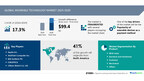
NEW YORK, Feb. 5, 2025 /PRNewswire/ — Report with the AI impact on market trends – The global wearable technology market size is estimated to grow by USD 99.4 billion from 2025-2029, according to Technavio. The market is estimated to grow at a CAGR of over 17.3% during the forecast period. Popularity of wearable devices as a payment method is driving market growth, with a trend towards development of low-power electronics. However, rising penetration of counterfeit products poses a challenge. Key market players include Apple Inc., ASUSTeK Computer Inc., BAE Systems Plc, CINOPTICS, Citizen Watch Co. Ltd., Elbit Systems Ltd., Garmin Ltd., Google LLC, Huawei Technologies Co. Ltd., Kopin Corp., Lenovo Group Ltd., LG Corp., Magic Leap Inc., Misfit Inc., Polar Electro Oy, Samsung Electronics Co. Ltd., Sony Semiconductor Israel Ltd., Tex Ray Industrial Co. Ltd., Vuzix Corp., and Xiaomi Inc..
Key insights into market evolution with AI-powered analysis. Explore trends, segmentation, and growth drivers- View Free Sample PDF
Wearable Technology Market Scope
Report Coverage
Details
Base year
2024
Historic period
2019 – 2023
Forecast period
2025-2029
Growth momentum & CAGR
Accelerate at a CAGR of 17.3%
Market growth 2025-2029
USD 99.4 billion
Market structure
Fragmented
YoY growth 2022-2023 (%)
15.0
Regional analysis
North America, APAC, Europe, South America, and Middle East and Africa
Performing market contribution
North America at 41%
Key countries
US, Canada, China, Germany, Japan, UK, France, Italy, India, and South Korea
Key companies profiled
Apple Inc., ASUSTeK Computer Inc., BAE Systems Plc, CINOPTICS, Citizen Watch Co. Ltd., Elbit Systems Ltd., Garmin Ltd., Google LLC, Huawei Technologies Co. Ltd., Kopin Corp., Lenovo Group Ltd., LG Corp., Magic Leap Inc., Misfit Inc., Polar Electro Oy, Samsung Electronics Co. Ltd., Sony Semiconductor Israel Ltd., Tex Ray Industrial Co. Ltd., Vuzix Corp., and Xiaomi Inc.
Market Driver
The wearable technology market is experiencing significant growth, with smartwatches, swimmers, cyclists, runners, gym-goers, and athletes among the key consumer groups. Smart clothing and IoT-based apparel are also gaining popularity. Healthcare is a major sector, with smart wearables offering real-time health monitoring for patients and healthcare providers. Counterfeit products pose a challenge, but consumer electronics companies are innovating with electronic displays, connectivity, and mobile phone integration. Wearable technologies include fitness bands, AR/VR headsets, and pharma solutions. Older populations benefit from fall detection and gesture controls, while younger consumers drive demand for virtual and augmented reality devices. Wearables offer benefits for chronic diseases like cardiovascular disease and obesity, and fitness enthusiasts and the tech-savvy younger population are key consumers. Data security is a concern, but the benefits of wearable healthcare devices, including health self-efficacy and autonomy, outweigh the risks. The market is expected to grow further with the integration of MEMS sensors, GPS, IMU, and fitness-tracking wearables. The consumer electronics segment is driving technological innovativeness, with digital health technology becoming increasingly important.
The global wearable technology market is experiencing significant growth due to the increasing demand for advanced wearable devices such as smartwatches, smart bands, smart rings, and Head-Mounted Displays (HMDs). To meet this demand, vendors are focusing on developing high-performance and low-power-consumption electronic components. These components, including sensors, processors, and batteries, are essential for enhancing the functionality and efficiency of wearable electronics. By adopting low-power-consumption semiconductors, vendors can create devices that offer extended battery life and improved performance. This trend is expected to continue as the market for wearable technology continues to expand.
Request Sample of our comprehensive report now to stay ahead in the AI-driven market evolution!
Market Challenges
The wearable technology market is experiencing significant growth with various segments like smartwatches, swimmers, cyclists, runners, gym-goers, smart clothing, IoT-based apparel, and more, catering to athletes, adventure lovers, and sports enthusiasts. Challenges include counterfeit products, wristwear, eyewear and headwear, footwear, neckwear, body wear, and health monitoring solutions. The market comprises consumer electronics, fitness bands, AR/VR headsets, and pharma, telehealth solutions, medical practice, surgical training, and health monitoring devices. Benefits include real-time health monitoring, IoT-enabled garments, and technological innovativeness. Consumers, patients, healthcare providers, and doctors use these smart wearables for disease management, health event detection, and fitness tracking. Wearable technologies include small sensors, MEMS sensors, GPS, IMU, and fitness-tracking wearables. Data security issues are a concern, but the benefits of improved health self-efficacy, health and autonomy, and technological literacy outweigh the challenges. The market is driven by the younger population’s purchasing power and the benefits of connected devices in clinical and non-clinical data collection. The consumer electronics segment, digital health technology, and MEMS sensors are key players in this market.The global wearable technology market faces a challenge from the rising prevalence of counterfeit devices. Major brands like Apple, Samsung, Fitbit, and Xiaomi have counterfeits of their popular products, such as smartwatches and smart bands, flooding the market. These counterfeits are predominantly manufactured in APAC regions due to the availability of low-cost labor and established counterfeit markets. Consumers, both knowingly and unknowingly, are purchasing these cheaper alternatives, negatively impacting the market growth for authentic wearable technology products.
Discover how AI is revolutionizing market trends- Get your access now!
Segment Overview
This wearable technology market report extensively covers market segmentation by
ProductWrist-wearEyewear And HeadwearFootwearNeckwearOthersApplicationConsumer ElectronicsHealthcareEnterprise And IndustrialEntertainmentOthersGeographyNorth AmericaAPACEuropeSouth AmericaMiddle East And AfricaConnectivityWi-FiBluetoothCellularNFCTechnologyComputingDisplayNetworkPositioning
1.1 Wrist-wear- Wrist-wear devices, including smartwatches and smart bands, have gained significant traction in the market due to their functionality and convenience. Smartwatches, such as those from Apple, Samsung, Garmin, and Fitbit (a subsidiary of Alphabet Inc.), offer features like call and messaging capabilities, health monitoring, and quick access to smartphone apps. Following the success of the Apple Watch, numerous Original Equipment Manufacturers (OEMs) have entered the market with competitive pricing and similar fitness and health-related functionalities. Strategic collaborations and partnerships enable vendors to enhance product offerings with innovative features and advanced technologies. For instance, Xiaomi’s Poco brand launched its first smartwatch, the Poco Watch, with heart rate and blood oxygen level monitoring, a 225mAh battery, and a 5 ATM water resistance rating. Smart bands, which monitor real-time fitness, heart rate, sleep statistics, and calorie control, have gained popularity due to increasing health and fitness awareness. These devices, containing microchips and sensors, deliver health insights in real-time, making it easier for consumers to maintain a healthy lifestyle. The market for smartwatches and smart bands is expected to grow due to these applications and partnerships during the forecast period.
Download a Sample of our comprehensive report today to discover how AI-driven innovations are reshaping competitive dynamics
Research Analysis
Wearable technology is revolutionizing the way we monitor and manage our health and fitness. From smartwatches and fitness trackers for runners, cyclists, and swimmers, to IoT-based apparel for gym-goers, this market caters to various consumer needs. Healthcare professionals use wearables for remote patient monitoring, while consumers seek health self-efficacy through real-time data. Counterfeit products pose a challenge, but authentic wearables offer advanced features like electronic displays, connectivity to mobile phones, and health monitoring solutions using MEMS sensors, GPS, IMU, and clinical data. Wristwear includes fitness-tracking devices and head-mounted displays, expanding the realm of possibilities for this burgeoning industry. IoT-enabled garments and smart clothing further enhance the user experience, integrating electronic devices and electronic displays seamlessly into everyday life.
Market Research Overview
Wearable technology is revolutionizing the way we monitor and improve our health, with various types of devices catering to different consumer groups. Smartwatches, fitness bands, and IoT-based apparel are popular among athletes, adventurers, and fitness enthusiasts. Smart clothing and IoT-enabled garments are transforming the fashion industry, offering benefits like real-time health monitoring, connectivity, and even payment services. The healthcare sector is leveraging wearables for disease management, telehealth solutions, and medical practice, including pharma, surgical training, and health monitoring solutions. Consumers, from the younger population to older adults, are embracing wearable technologies as they offer benefits like health self-efficacy, health and autonomy, and technological innovativeness. However, concerns around data security and counterfeit products persist. The market for wearable technologies includes various electronic devices, from small sensors to smart hats, eyewear and headwear, footwear, neckwear, body wear, and more. The consumer electronics segment is a significant contributor, with companies exploring opportunities in multimedia industry, virtual reality, and augmented reality. Wearables are expected to become increasingly integrated with mobile phones, GPS, IMU, MEMS sensors, and mobile applications, offering clinical and non-clinical data to doctors and patients alike. The benefits of wearable technologies extend beyond fitness tracking, with applications in chronic diseases like cardiovascular disease and obesity. As technological literacy grows, the purchasing power of consumers is driving the market forward, with companies continuously innovating to meet the diverse needs of their customers.
Table of Contents:
1 Executive Summary
2 Market Landscape
3 Market Sizing
4 Historic Market Size
5 Five Forces Analysis
6 Market Segmentation
ProductWrist-wearEyewear And HeadwearFootwearNeckwearOthersApplicationConsumer ElectronicsHealthcareEnterprise And IndustrialEntertainmentOthersGeographyNorth AmericaAPACEuropeSouth AmericaMiddle East And AfricaConnectivityWi-FiBluetoothCellularNFCTechnologyComputingDisplayNetworkPositioning
7 Customer Landscape
8 Geographic Landscape
9 Drivers, Challenges, and Trends
10 Company Landscape
11 Company Analysis
12 Appendix
About Technavio
Technavio is a leading global technology research and advisory company. Their research and analysis focuses on emerging market trends and provides actionable insights to help businesses identify market opportunities and develop effective strategies to optimize their market positions.
With over 500 specialized analysts, Technavio’s report library consists of more than 17,000 reports and counting, covering 800 technologies, spanning across 50 countries. Their client base consists of enterprises of all sizes, including more than 100 Fortune 500 companies. This growing client base relies on Technavio’s comprehensive coverage, extensive research, and actionable market insights to identify opportunities in existing and potential markets and assess their competitive positions within changing market scenarios.
Contacts
Technavio Research
Jesse Maida
Media & Marketing Executive
US: +1 844 364 1100
UK: +44 203 893 3200
Email: media@technavio.com
Website: www.technavio.com/
View original content to download multimedia:https://www.prnewswire.com/news-releases/wearable-technology-market-to-grow-by-usd-99-4-billion-2025-2029-with-popularity-of-wearable-devices-as-payment-method-boosting-the-market-report-on-how-ai-is-driving-market-transformation—technavio-302368261.html
SOURCE Technavio










 Coin Market5 days ago
 Coin Market5 days ago
 Technology5 days ago
 Near Videos5 days ago
 Coin Market5 days ago
 Technology5 days ago
 Technology5 days ago