
Coin Market
‘Huge Shift’ in crypto firms’ compliance mindset, says Elliptic co-founder







Technology1 hour ago
Canada to advance global nature conservation and climate action at upcoming United Nations conferences
Technology2 hours ago
DGEN TECHNOLOGIES (FORMERLY CHINA KELI ELECTRIC COMPANY) COMPLETES ACQUISITION AND NAME CHANGE AND FILES CSE LISTING STATEMENT

Technology2 hours ago
ASSA ABLOY sells PKI business unit to Vista Equity Partners

Technology2 years ago
Send Rakhi to UK swiftly with UK Gifts Portal

Near Videos5 years ago
Whiteboard Series with NEAR | Ep: 45 Joel Thorstensson from ceramic.network

Technology2 years ago
Nullmax and Renesas Forge Strategic Partnership to Deliver Competitive ADAS Solutions for the Global Market

Near Videos5 years ago
Why You Should Build on #NEAR – Co-founder Illia Polosukhin at CV Labs
Near Videos5 years ago
Whiteboard Series with NEAR | Ep: 45 Joel Thorstensson from ceramic.network

Near Videos5 years ago
NEAR End of Year Town Hall 2021: The Open Web World, MetaBUILD 2 Hackathon and 2021 recap
-

 Technology4 days ago
Mesa School of Business raises ₹110 crore to expand its portfolio of programmes for the AI era
-

 Technology3 days ago
Cresta Launches Deputy Agent: an AI Agent That Keeps Working Long After the Customer Hangs Up
-

 Technology4 days ago
PayJoy to Acquire Strategic Assets of Finia AI, Advancing AI Underwriting and Financial Product Innovation
-

 Technology5 days ago
JK Tech Names Mahesh Ramakrishnan as New Chief Technology Officer
-

 Technology4 days ago
Intellistake Highlights NanoAi’s Collaboration With Global Defense Helmet Leader Gentex Corporation
-

 Technology4 days ago
Fraikin announces exclusive agreement with Asterion Industrial Partners to support its next phase of growth
-
 Technology4 days ago
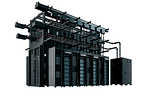
Flex Expands Prefabricated Modular Data Center Portfolio to Accelerate AI Factory Deployment
-
 Technology5 days ago
ASE Technology Holding Co., Ltd. Announces Monthly Net Revenues*