
Coin Market
Tokenization makes investing more accessible — Robinhood exec





Technology27 minutes ago
Super Famicom Style Comes to PS5 and PC with Killscreen’s SFC-1 Controller

Technology27 minutes ago
AKA Foods Launches AKA Label Studio, a Free Food Labelling Tool for FDA and EU/UK Markets

Technology27 minutes ago
In HelloNation, Plumbing Expert Manny Valdez Explains What a Plumbing Estimate Should Include

Technology2 years ago
Send Rakhi to UK swiftly with UK Gifts Portal

Near Videos4 years ago
Whiteboard Series with NEAR | Ep: 45 Joel Thorstensson from ceramic.network

Technology2 years ago
New Gooseneck Omni Antennas Offer Enhanced Signals in a Durable Package

Near Videos4 years ago
Why You Should Build on #NEAR – Co-founder Illia Polosukhin at CV Labs
Near Videos4 years ago
Whiteboard Series with NEAR | Ep: 45 Joel Thorstensson from ceramic.network

Near Videos4 years ago
NEAR End of Year Town Hall 2021: The Open Web World, MetaBUILD 2 Hackathon and 2021 recap
-

 Coin Market5 days ago
StanChart looks for 3 signs of BTC bottom, including Strategy’s Monday news
-
 Technology4 days ago
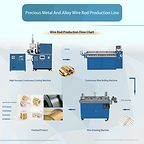
Hasung Expands Global Reach with Advanced Precious Metal Processing Solutions
-

 Coin Market5 days ago
Ethereum can quantum-proof accounts for just 7 cents, says Ethereum’s Kohaku lead
-
 Technology4 days ago
INTAMSYS Named Exclusive FFF 3D Printing Sponsor of WorldSkills Shanghai 2026
-

 Near Videos4 days ago
Legion Barcelona IronClaw Workshop – “Setting up your IronClaw Agent”
-

 Technology4 days ago
SINTRONES Advances Battlefield Intelligence with Tactical Edge AI at EUROSATORY 2026
-

 Technology4 days ago
Agoda Spotlights Six Scenic Road Trip Destinations in Asia
-

 Technology4 days ago
DATABANK CLOSES $1.45 BILLION IN NEW FINANCING ACROSS TWO TRANSACTIONS