Connect with us

Technology

84 New State AI Laws Signal Growing Momentum for Child Safety and Accountability

Published

on

Transparency Coalition mid-year report finds 27 states actively advancing artificial intelligence protections for citizens

SEATTLE, July 21, 2026 /PRNewswire-PRWeb/ — State lawmakers passed or enacted 84 new AI-related laws across 27 states during the first half of 2026, according to a new report released today by the Transparency Coalition (TCAI).

“State lawmakers from both parties are recognizing that we cannot repeat the mistakes made with social media and allow companies to test powerful, potentially harmful products on children without meaningful safeguards,” said Rob Eleveld, co-founder and CEO of the Transparency Coalition.

The 2026 Mid-Year State AI Legislation Report examines measures passed or enacted between Jan. 1 and June 30, 2026. The report finds that concern about the effects of AI chatbots, particularly on children and teens, has become one of the most urgent AI policy issues facing state legislators of all political parties.

Several states enacted chatbot safety laws requiring self-harm protocols, protections for minors, parental access tools and restrictions on features designed to encourage emotional dependence or prolonged engagement. Legislators also advanced measures addressing addictive algorithms, AI-generated deepfakes, the use of AI in healthcare decisions and the growing role of AI in schools.

“State lawmakers from both parties are recognizing that we cannot repeat the mistakes made with social media and allow companies to test powerful, potentially harmful products on children without meaningful safeguards,” said Rob Eleveld, co-founder and CEO of the Transparency Coalition. “The breadth of action we are seeing demonstrates that protecting kids and holding AI companies accountable are not partisan issues.”

The report identifies several significant highlights in state AI policy:

Child and chatbot safety: States enacted new requirements for chatbot disclosures, self-harm response protocols, parental controls and protections against sexually explicit content, emotional dependence and addictive engagement features.Education and children’s digital lives: States adopted measures directing education officials to develop AI use and procurement frameworks, limiting student access to digital devices during the school day and affirming that public school teachers must be human.Healthcare and mental health: Multiple states restricted the use of AI in health insurance authorization decisions, required review by licensed healthcare professionals or prohibited AI therapy chatbots.Consumer rights and privacy: Colorado and Maryland prohibited algorithmic or surveillance pricing, while Vermont established protections for neural data.Frontier model oversight: Illinois joined California and New York in adopting a safety framework for the largest and most powerful AI models. Illinois became the first state to require independent third-party safety audits of frontier models.Comprehensive AI regulation: Connecticut enacted a 74-page AI and online safety law covering chatbot safeguards, protections for minors, parental controls, AI subscriptions, whistleblower protections, employment decisions and content provenance.

During the first half of this year, Transparency Coalition experts advised bill authors and provided expert testimony in more than 25 states, working with Republican and Democratic lawmakers alike. TCAI is also collaborating with more than 20 partner organizations across the country, including a growing number focused on children and families.

The 2026 Mid-Year State AI Legislation Report includes an overview of the year’s major legislative trends and a state-by-state guide to all 84 measures. The full report is available on the Transparency Coalition website.

State lawmakers, legislative staff, advocates and other attendees of the National Conference of State Legislatures Legislative Summit, July 27-29, in Chicago are invited to discuss the report and emerging AI policy priorities with the Transparency Coalition team at Booth #4243.

About the Transparency Coalition

The Transparency Coalition, based in Seattle, is a nonpartisan 501(c)3 nonprofit organization focused on protecting children, consumers, and democracy from the harms of artificial intelligence. The Coalition tracks emerging AI policy and provides education to lawmakers, parents, and the public. Through its advocacy arm, the 501(c)4 Transparency Coalition Action Fund, it works with lawmakers from both parties to support legislation in the public interest. Learn more at transparencycoalition.ai.

Media Contact:

Laura Morarity

laura@transparencycoalition.ai

Media Contact

Laura Morarity, Transparency Coalition, 1 (206) 584-2079, laura@transparencycoalition.ai, transparencycoalition.ai

View original content:https://www.prweb.com/releases/84-new-state-ai-laws-signal-growing-momentum-for-child-safety-and-accountability-302830374.html

SOURCE Transparency Coalition

Continue Reading
Click to comment

Leave a Reply

Your email address will not be published. Required fields are marked *

Technology

HelloNation Article Highlights Sterile Compounding and Medication Safety With Insights From Compounding Pharmacist Expert Laura Temple

Published

on

By

The article explains how sterile compounded medications are prepared to reduce the risk of contamination and support safe, customized treatments.

AZLE, Texas, July 21, 2026 /PRNewswire/ — What does sterile compounding mean for medication safety? HelloNation has published an article explaining how sterile compounding helps pharmacies prepare highly specialized medications while adhering to strict contamination-prevention procedures.

The article features insights from Laura Temple, Compounding Pharmacist Expert and Owner of Laura’s Pharmacy in Azle, Texas. It explains that sterile compounding is a specialized process for preparing medications in carefully controlled environments designed to reduce the risk of contamination. Sterile compounded medications are often used for injections, eye drops, IV medications, and other therapies that require the highest levels of cleanliness and precision.

The HelloNation article explains that sterile compounded medications differ from commercially manufactured drugs because they are prepared individually for a patient’s unique medical needs. Physicians may prescribe compounded prescriptions when a patient requires a customized dosage, a combination medication, or a treatment not commercially available. Because these medications often bypass the body’s natural defenses, medication safety depends on strict preparation standards throughout the compounding process.

The article describes how pharmacies that provide sterile compounding rely on cleanroom environments equipped with filtered-air systems, specialized equipment, and contamination-prevention protocols. Pharmacists and technicians follow detailed gowning, sterilization, and handwashing procedures before handling medication ingredients. These measures are designed to support medication safety by limiting exposure to bacteria, particles, and other contaminants.

According to the article, environmental monitoring also plays a critical role in sterile compounding. Temperature control, air quality testing, and routine equipment inspections help maintain consistent preparation standards. The article notes that sterile compounded medications may undergo additional quality assurance checks before being dispensed to patients. These procedures help support both treatment effectiveness and patient safety.

The HelloNation article also explains that pharmacies performing sterile compounding are expected to follow USP guidelines established for sterile preparation. These USP guidelines outline requirements for cleanroom pharmacy operations, environmental testing, employee training, and quality assurance practices. The article emphasizes that maintaining compliance with USP guidelines helps reinforce contamination prevention and consistent preparation standards for compounded prescriptions.

Patients seeking sterile compounded medications may also look for pharmacies that participate in accreditation programs or are overseen by state boards. The article explains that these programs review safety procedures, documentation practices, and facility standards to help maintain medication safety. Regular environmental monitoring and staff competency evaluations are also identified as important safeguards in sterile compounding operations.

The article further explains that communication between pharmacists, healthcare providers, and patients remains an important part of safe compounded prescriptions. Compounding pharmacists review prescriptions carefully, confirm dosing instructions, and evaluate ingredient compatibility before preparation begins. This collaborative approach supports medication safety by reducing the risk of errors and ensuring treatments meet individual patient needs.

The article concludes that sterile compounding continues to play an important role in healthcare, particularly for patients requiring customized therapies that are unavailable through traditional manufacturing channels. Whether preparing IV medications, injectable therapies, or other sterile compounded medications, pharmacies rely on contamination prevention procedures and strict preparation standards to support patient care. The article notes that understanding how sterile compounding works can help patients feel more informed about the safety measures involved in preparing specialized medications.

What Sterile Compounding Means for Medication Safety features insights from Laura Temple, a compounding pharmacist expert at Laura’s Pharmacy in Azle, Texas, on HelloNation.

About HelloNation

HelloNation is America’s Good News Network, a premier media platform built on the idea that good news travels faster when real people tell real stories. Through its community-focused publications and innovative “edvertising” approach, HelloNation delivers content that informs, inspires, and spotlights the leaders making a meaningful impact in their communities.

View original content to download multimedia:https://www.prnewswire.com/news-releases/hellonation-article-highlights-sterile-compounding-and-medication-safety-with-insights-from-compounding-pharmacist-expert-laura-temple-302831275.html

SOURCE HelloNation

Continue Reading

Technology

CIOs Forced to Rethink Manual Compliance Processes as Regulatory Complexity Rises, Says Info-Tech Research Group
Published

on

By

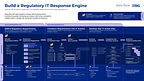
Regulatory demands are increasing in volume, complexity, and speed, leaving many organizations reliant on fragmented, manual approaches that slow response times and increase risk. New insights from Info-Tech Research Group show that organizations need to adopt more structured and scalable approaches to keep pace with regulatory change. The firm’s recently published blueprint, Build a Regulatory IT Response Engine, provides frameworks, tools, and step-by-step guidance to help organizations translate regulatory requirements into actionable IT controls and prioritized initiatives.

ARLINGTON, Va., July 21, 2026 /PRNewswire/ — Growing regulatory pressure across jurisdictions is forcing organizations to rethink how they interpret, prioritize, and execute compliance requirements. Many IT teams continue to operate with inconsistent processes and limited coordination, resulting in delayed initiatives and increased exposure to financial and reputational risk. Info-Tech’s blueprint, Build a Regulatory IT Response Engine, introduces a coordinated and repeatable approach to help IT leaders operationalize compliance and improve execution outcomes.

Info-Tech’s findings indicate that while organizations recognize the need for faster and more consistent regulatory response, they continue to face barriers such as fragmented interpretation of requirements, weak prioritization, and limited scalability. AI-enabled tools can help streamline analysis and accelerate response planning, but without a coordinated approach grounded in governance and human oversight, those benefits are difficult to realize.

“Regulatory response is becoming too complex to manage through disconnected, manual processes,” says Ahmad Jowhar, senior research analyst at Info-Tech Research Group. “IT leaders need a repeatable way to interpret requirements, prioritize action, and use AI to accelerate planning without losing the governance and oversight needed to execute effectively.”

Key Challenges IT Leaders Face in Regulatory Response

Despite ongoing investments in compliance, organizations continue to face systemic challenges that hinder effective execution. Info-Tech’s blueprint highlights several areas where IT and compliance leaders struggle most:

Fragmented and manual processes that slow regulatory interpretation and response.Inconsistent application of regulatory requirements across teams and jurisdictions.Poor prioritization of IT initiatives, leading to missed deadlines and duplicated effort.Limited scalability to manage increasing regulatory volume and complexity.Misalignment between compliance activities and broader business priorities.

Info-Tech’s Framework for Building a Regulatory IT Response Engine

To address these challenges, Info-Tech recommends a structured, AI-enabled approach that improves consistency, speed, and scalability. The firm’s Build a Regulatory IT Response Engine blueprint outlines the following key priorities for IT leaders:

Define the regulatory landscape: Establish organizational context, governance structures, and a centralized inventory of applicable regulations.Translate requirements into IT controls: Use AI-enabled analysis and structured assessments to convert regulatory obligations into actionable controls.Prioritize IT initiatives: Align initiatives based on cost, effort, impact, and regulatory timelines to reduce execution risk.Build and communicate a roadmap: Develop a clear, resource-aligned roadmap to guide execution and stakeholder alignment.Establish a repeatable process: Continuously monitor, adapt, and refine regulatory response capabilities to maintain compliance over time.

Organizations that adopt this structured approach can move from reactive compliance efforts to a more proactive and scalable model that shortens response timelines, reduces manual effort, and strengthens execution.

The firm’s Build a Regulatory IT Response Engine blueprint includes practical tools such as a Regulation Inventory Tool, a Regulatory Response IT Action Plan Tool, a Communication Deck Template, and a Compliance Program Framework. By applying these resources, IT leaders can standardize regulatory responses, improve prioritization, and help ensure compliance initiatives are executed on time and in alignment with business priorities.

For exclusive and timely commentary from Info-Tech’s experts, including Ahmad Jowhar, and access to the complete Build a Regulatory IT Response Engine blueprint, please contact pr@infotech.com.

About Info-Tech Research Group

Info-Tech Research Group is the “get things done” partner for over 30,000 IT, HR, and marketing leaders worldwide. The fastest growing research and advisory firm, Info-Tech enables leaders to make well-informed decisions and transform their organizations through AI, strategic foresight, step-by-step methodologies, practical tools, industry-leading advisory, and training programs. For nearly 30 years, tens of thousands of private and public organizations have trusted Info-Tech to lead their most important initiatives through periods of change and deliver outcomes that truly matter.

To learn more about Info-Tech’s HR research and advisory services, visit McLean & Company, and for data-driven software buying insights and vendor evaluations, visit the firm’s SoftwareReviews platform.

Media professionals can register for unrestricted access to research across IT, HR, and software and hundreds of industry analysts through the firm’s Media Insiders program. To gain access, contact pr@infotech.com.

For information about Info-Tech Research Group or to access the latest research, visit infotech.com and connect via LinkedIn and X.

View original content to download multimedia:https://www.prnewswire.com/news-releases/cios-forced-to-rethink-manual-compliance-processes-as-regulatory-complexity-rises-says-info-tech-research-group-302831286.html

SOURCE Info-Tech Research Group

Continue Reading

Technology

Atomera to Announce Second Quarter 2026 Financial Results and Host Webinar on Tuesday, August 4, 2026


Published

on

By

LOS GATOS, Calif., July 21, 2026 /PRNewswire/ — Atomera Incorporated (NASDAQ: ATOM), a semiconductor materials and technology licensing company, announced today that it plans to release its second quarter 2026 financial results after the market closes on Tuesday, Aug. 4, 2026.

The company will host a live video Zoom webinar at 2:00 p.m. Pacific Time (5:00 p.m. Eastern Time) on Tuesday, Aug. 4, 2026, to discuss the results. The live webinar can be accessed through Atomera’s investor relations website at https://ir.atomera.com. A replay of the webcast will be available for 12 months. To pre-register for the webinar, use the following link.

https://atomera.zoom.us/webinar/register/WN_OJFbTWe1SIyV69LLdDadCw

About Atomera

Atomera Incorporated is a semiconductor materials and technology licensing company focused on deploying its proprietary, silicon-proven technology into the semiconductor industry. Atomera has developed Mears Silicon Technology™ (MST®), which increases performance and power efficiency in semiconductor transistors. MST can be implemented using equipment already deployed in semiconductor manufacturing facilities and is complementary to other nano-scaling technologies already in the semiconductor industry roadmap.  More information can be found at www.atomera.com 


View original content to download multimedia:https://www.prnewswire.com/news-releases/atomera-to-announce-second-quarter-2026-financial-results-and-host-webinar-on-tuesday-august-4-2026-302830602.html

SOURCE Atomera Incorporated

Continue Reading

Trending