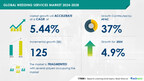
NEW YORK, Oct. 23, 2024 /PRNewswire/ — Report on how AI is redefining market landscape – The Global Wedding Services Market size is estimated to grow by USD 125 billion from 2024-2028, according to Technavio. The market is estimated to grow at a CAGR of 5.44% during the forecast period. Increased spending on weddings is driving market growth, with a trend towards increase in smartphone momentum. However, threat from open-source event wedding management software poses a challenge – Key market players include 7x Weddings Pvt. Ltd., A Charming Fete, Augusta Wedding Planning, Bridal Bliss Inc., Colin Cowie Lifestyle, David Stark Design, Deer Creek Valley Ranch Management LLC, EVENTURES, Fallon carter, Joy Inc., JZ Events, Lindsay Landman Events, Marry Me Wedding Planners Private Ltd., Nordic Adventure, Panache Events Pvt Ltd., Shaadi Squad, SK Jaipur Decoration, Tamarind, VIP Hosting, WeddingSutra.com India Pvt. Ltd, Zola Inc., and Zzeeh Events and Weddings.
Key insights into market evolution with AI-powered analysis. Explore trends, segmentation, and growth drivers- View the snapshot of this report
Wedding Services Market Scope
Report Coverage
Details
Base year
2023
Historic period
2018 – 2022
Forecast period
2024-2028
Growth momentum & CAGR
Accelerate at a CAGR of 5.44%
Market growth 2024-2028
USD 125 billion
Market structure
Fragmented
YoY growth 2022-2023 (%)
4.9
Regional analysis
APAC, North America, Europe, South America, and Middle East and Africa
Performing market contribution
APAC at 37%
Key countries
US, China, India, Canada, and UK
Key companies profiled
7x Weddings Pvt. Ltd., A Charming Fete, Augusta Wedding Planning, Bridal Bliss Inc., Colin Cowie Lifestyle, David Stark Design, Deer Creek Valley Ranch Management LLC, EVENTURES, Fallon carter, Joy Inc., JZ Events, Lindsay Landman Events, Marry Me Wedding Planners Private Ltd., Nordic Adventure, Panache Events Pvt Ltd., Shaadi Squad, SK Jaipur Decoration, Tamarind Global , VIP Hosting, WeddingSutra.com India Pvt. Ltd, Zola Inc., and Zzeeh Events and Weddings
Market Driver
The proliferation of smartphones and faster Internet speeds, facilitated by technologies like 4G, has significantly influenced how wedding services companies engage with their clients and employees. Social networking sites such as Twitter, LinkedIn, and Facebook have become essential tools for communication and networking in the industry. Wedding vendors develop mobile applications for iOS and Android devices to expand their market reach and remain competitive. Innovative smartphone features, like push notifications and emails, enable wedding service providers to promote new services and discounts to consumers, thereby increasing market awareness. These trends are expected to positively impact the global wedding services market throughout the forecast period.
The Wedding Services Market is thriving with trends that prioritize personalized celebrations and specialized services. Event planning companies offer customized experiences, from high-end venues and curated entertainment to sustainable options. Marriage rates continue to rise, with an increase in same-sex marriages and millennials seeking unique experiences. Wedding planners use digital platforms for offline bookings and social media influence for Instagram-worthy moments. Specialized services include customized catering, wedding stationery, and floral arrangements. Vendor management, budget tracking, and culinary experiences are essential planning duties. Economic stability and cultural traditions are key factors in brand differentiation. Wedding ambassadors help create memorable experiences, while wedding planning tools simplify the process. Trends include personalized experiences, sustainable options, and destination weddings. Staffing challenges and quality control are ongoing concerns. Customization and wedding trends continue to shape the industry, with an emphasis on creating unforgettable moments for couples.
Request Sample of our comprehensive report now to stay ahead in the AI-driven market evolution!
Market Challenges
The global wedding services market faces significant competition from open-source wedding management software vendors, such as eventplanner.net, WeddingWire, and Loverly. For instance, Loverly is a DIY event planning platform offering a free wedding planning checklist and guest list manager. These open-source solutions provide innovative technologies, which can serve as alternatives to commercial wedding services. Their availability on various platforms and zero purchasing cost makes them attractive to individuals planning high-ticket events. Consequently, open-source wedding management software is reducing the market share of proprietary wedding service vendors, posing a threat to the industry during the forecast period.The Wedding Services Market faces several challenges in today’s dynamic business environment. Customized weddings and unique experiences are in high demand among millennial couples, requiring wedding planners to offer flexible planning duties. Destination weddings and local weddings present logistical challenges, especially with economic stability and budget constraints. Social media influence drives the need for customization and quality control, while wedding trends and cultural traditions require brand differentiation. Staffing challenges arise from the need for skilled professionals in photography, catering, event decoration, transportation services, and wedding planning. Economic downturns and marriageable age variations impact booking patterns, with online and offline booking options essential for reaching a wider audience. Virtual weddings and wedding postponements add complexity to the planning process. Investment opportunities exist in full planning services, partial planning services, day of coordination, videography, and photography services. Developing strategies to address these challenges and capitalize on trends, such as second marriages and cultural shifts, can help businesses thrive in the competitive wedding services market.
Discover how AI is revolutionizing market trends- Get your access now!
Segment Overview
This wedding services market report extensively covers market segmentation by
Service 1.1 Catering service1.2 Gift service1.3 Decoration1.4 Event planning1.5 OthersType 2.1 Local wedding2.2 Destination weddingGeography 3.1 APAC3.2 North America3.3 Europe3.4 South America3.5 Middle East and Africa
1.1 Catering service- Catering services play a significant role in weddings, extending beyond meal preparation and service. Comprehensive caterers manage decoration and ambiance, table settings, and food presentation. They also consider dietary restrictions and food allergies among guests, as well as wedding themes. Alcoholic and non-alcoholic beverages are standard inclusions. The increasing popularity of catering services for weddings fuels market growth. Contract catering agreements, such as cost-plus, cost-plus guarantee, and fixed cost per head, offer accountability, convenience, and regulatory compliance. Therefore, catering services are a crucial wedding component, ensuring a successful event.
Download a Sample of our comprehensive report today to discover how AI-driven innovations are reshaping competitive dynamics
Research Analysis
The wedding services market is experiencing a demand due to the increasing number of millennial couples seeking customised and unique experiences for their big day. With economic stability on the rise, more couples are opting for destination weddings, both local and international, to create unforgettable memories. Customization is key, from personalised planning duties to bespoke catering services and photography. Social media influence plays a significant role in shaping wedding trends, with couples seeking inspiration and ideas from various platforms. However, staffing challenges and quality control can pose challenges for wedding planners. Brand differentiation is crucial in a competitive market, with cultural traditions and local weddings offering unique selling points. The average wedding cost continues to rise, leading to the popularity of partial planning services and virtual weddings. Wedding planning postponements due to unforeseen circumstances have become common, leading to increased booking and planning flexibility. Despite these challenges, the wedding services market remains a thriving industry, offering endless opportunities for creativity and innovation.
Market Research Overview
The wedding services market is experiencing a demand as millennial couples seek customised and unique experiences for their special day. From destination weddings to local weddings, the trend towards personalised celebrations continues to shape the industry. Economic stability and social media influence are key factors driving growth, with couples looking for high-quality services and brand differentiation. Wedding planning duties have become increasingly complex, with couples requiring full planning services, partial planning services, day of coordination, and vendor management. Quality control, staffing challenges, and budget constraints are major concerns for wedding service providers. Cultural traditions and same-sex marriages are also influencing the market, with specialized services and personalized celebrations becoming increasingly popular. Developmental strategies and investment opportunities abound, with economic downturns and marriage rate trends impacting the industry. Wedding planning tools, such as online booking platforms and digital platforms, are transforming the way couples plan their weddings. Virtual weddings and wedding postponements have also become common due to the pandemic. Catering services, photography, videography, event decoration, transportation services, and wedding planning services are all essential components of a successful wedding. Custom menus, floral arrangements, wedding stationery, curated entertainment, and sustainable options are some of the trends shaping the market. High-end venues and culinary experiences continue to be popular, with an emphasis on creating Instagram-worthy moments and personalised experiences for couples and their guests.
Table of Contents:
1 Executive Summary
2 Market Landscape
3 Market Sizing
4 Historic Market Size
5 Five Forces Analysis
6 Market Segmentation
ServiceCatering ServiceGift ServiceDecorationEvent PlanningOthersTypeLocal WeddingDestination WeddingGeographyAPACNorth AmericaEuropeSouth AmericaMiddle East And Africa
7 Customer Landscape
8 Geographic Landscape
9 Drivers, Challenges, and Trends
10 Company Landscape
11 Company Analysis
12 Appendix
About Technavio
Technavio is a leading global technology research and advisory company. Their research and analysis focuses on emerging market trends and provides actionable insights to help businesses identify market opportunities and develop effective strategies to optimize their market positions.
With over 500 specialized analysts, Technavio’s report library consists of more than 17,000 reports and counting, covering 800 technologies, spanning across 50 countries. Their client base consists of enterprises of all sizes, including more than 100 Fortune 500 companies. This growing client base relies on Technavio’s comprehensive coverage, extensive research, and actionable market insights to identify opportunities in existing and potential markets and assess their competitive positions within changing market scenarios.
Contacts
Technavio Research
Jesse Maida
Media & Marketing Executive
US: +1 844 364 1100
UK: +44 203 893 3200
Email: media@technavio.com
Website: www.technavio.com/
View original content to download multimedia:https://www.prnewswire.com/news-releases/the-wedding-services-market-is-projected-to-grow-by-usd-125-billion-from-2024-2028-driven-by-increased-wedding-spending-and-ais-impact-on-market-trends—technavio-302284192.html
SOURCE Technavio









 Technology4 days ago
 Coin Market5 days ago
 Coin Market4 days ago
 Technology4 days ago
 Technology4 days ago
 Technology4 days ago