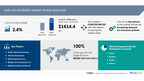
NEW YORK, Nov. 6, 2024 /PRNewswire/ — Report with market evolution powered by AI – The non life insurance market in iran size is estimated to grow by USD 1.61 billion from 2024-2028, according to Technavio. The market is estimated to grow at a CAGR of 2.4% during the forecast period. Increasing demand for insurance policies is driving market growth, with a trend towards emergence of digital marketing platforms. However, data privacy and security concerns in insurance technology poses a challenge.Key market players include Arab Insurance Group, Arman Insurance, Asia Insurance Co., Bimeh Iran Insurance Co., Hekmat Saba Insurance, Mellat Insurance Co., Omid Insurance Co., Parsian Insurance, Pasargad Insurance Co., Razi Insurance Co., Saman Insurance, Sarmad Insurance Co., Taavon Insurance Co., and Tejarat Insurance Co..
AI-Powered Market Evolution Insights. Our comprehensive market report ready with the latest trends, growth opportunities, and strategic analysis- View Free Sample Report PDF
Forecast period
2024-2028
Base Year
2023
Historic Data
2018 – 2022
Segment Covered
Distribution Channel (Direct, Brokers, Banks, and Others), Product (Health insurance, Motor insurance, Fire insurance, Marine insurance, and Others), and Geography (Middle East and Africa)
Region Covered
Iran
Key companies profiled
Arab Insurance Group, Arman Insurance, Asia Insurance Co., Bimeh Iran Insurance Co., Hekmat Saba Insurance, Mellat Insurance Co., Omid Insurance Co., Parsian Insurance, Pasargad Insurance Co., Razi Insurance Co., Saman Insurance, Sarmad Insurance Co., Taavon Insurance Co., and Tejarat Insurance Co.
Key Market Trends Fueling Growth
The non-life insurance market is experiencing significant growth due to the increasing use of digital marketing platforms, particularly social media. With over 56% of the global population having Internet access and the number expected to rise, insurance firms are leveraging social media to expand their market reach and increase awareness of their product offerings. Social media provides several benefits, including easy access to product information, quick customer response, high competitive advantage, easy interaction with customers, and enhanced relationships with social media users. However, in markets with government-sponsored Internet censorship, such as Iran, local ad platforms can serve as alternatives for insurance brokerage firms to engage with customers and address insurance queries, collect feedback, and provide policy updates. These factors are expected to drive the growth of the non-life insurance market during the forecast period.
The Non-Life Insurance market is experiencing significant trends shaping its future. Mobile apps and online platforms are transforming how customers buy and manage their insurance policies. The aging population demands retirement products and solutions for longevity risk. Cybersecurity is crucial in the digital age, with cyber insurance gaining popularity. Natural disasters necessitate parametric insurance for swift payouts. Financial inclusion through digital banking and insurance literacy campaigns expand market reach. Medical emergencies, property damage, and casualty incidents require comprehensive coverage. Legal responsibilities dictate policy length, with permanent and term life policies catering to various needs. Motor insurance addresses cyber risk, and insurance technology enhances damage coverage for theft and burglary. Co-passengers’ safety, financial security, and customer satisfaction are key. Insurance penetration and premium growth depend on financial literacy and personalized services. Trust-based relationships and educational campaigns foster transparency and combat insurance fraud.
Insights on how AI is driving innovation, efficiency, and market growth- Request Sample!
Market Challenges
Financial organizations face significant barriers in adopting insurance technology solutions due to data privacy and security risks. Big Data and Artificial Intelligence (AI) offer advanced capabilities to track, retrieve, and analyze data from connected servers. However, these technologies also bring potential vulnerabilities. IT infrastructure, often built on open-source codes, can contain glitches and flaws. Cloud-based data storage systems, which are multi-tenant and based on open architecture, pose additional risks. Hackers can easily access these systems and exploit vulnerabilities, raising concerns among organizations. As a result, the adoption of insurance technology may be limited during the forecast period. Organizations must prioritize data security measures to mitigate these risks and unlock the full potential of insurance technology.Non-life insurance, also known as general insurance, covers financial loss due to various risks such as motor, burglary, or theft. Unlike life insurance, it doesn’t provide coverage for death but rather for damages and financial losses. Legal responsibilities, like motor insurance, have mandatory policy lengths. Permanent policies offer long-term coverage, while term life policies are for specific periods. Coverage includes damage, theft, and co-passengers. Financial security is crucial, but insurance penetration remains low due to legal complexities, premium growth, and financial literacy. Challenges include insurance fraud, cyber risk, and consumer protection. Technology, like insurance tech, cybersecurity, data analytics, machine learning, and blockchain, is transforming the industry. Personalized services, trust-based relationships, and educational campaigns are essential for customer satisfaction. Health and travel insurance are popular customer-centric products. Underwriting processes must balance risk and reward, and digital transformation continues to shape the industry.
Insights into how AI is reshaping industries and driving growth- Download a Sample Report
Segment Overview
This non life insurance market in iran report extensively covers market segmentation by
Distribution Channel1.1 Direct1.2 Brokers1.3 Banks1.4 OthersProduct2.1 Health insurance2.2 Motor insurance2.3 Fire insurance2.4 Marine insurance2.5 OthersGeography3.1 Middle East and Africa
1.1 Direct- Insurance firms historically relied on middlemen, such as agents and brokers, to sell their non-life insurance products. These intermediaries helped educate the public about insurance and operated on commission. However, with the rise of digital transformation and increasing internet usage, insurance companies have shifted their marketing strategies. According to The World Bank Group, internet usage increased from 45.33% in 2015 to 84.1% in 2020. Insurance companies now sell their products online through websites, social media, and digital platforms. This shift from a push product to a pull product is primarily due to the focus on digital channels. The COVID-19 pandemic further accelerated this trend, with lockdowns forcing insurers to sell directly to consumers, increasing sales and ensuring survival. These factors are expected to fuel the growth of the non-life insurance market during the forecast period.
Download complimentary Sample Report to gain insights into AI’s impact on market dynamics, emerging trends, and future opportunities- including forecast (2024-2028) and historic data (2018 – 2022)
Research Analysis
Non-life insurance, also known as general insurance, provides coverage for financial loss due to various risks such as property damage, medical emergencies, and liability claims. With increasing life expectancy, financial planning has become crucial, and non-life insurance plays a vital role in securing financial security. Underwriting processes ensure the assessment of risks before issuing policies, which may vary in length from permanent to term. Coverage for customer-centric products includes property insurance, casualty insurance, and travel insurance. Cybersecurity threats pose new challenges, necessitating specialized policies. Life expectancy influences the design of insurance policies, with pensioners requiring long-term coverage. Legal responsibilities and financial literacy are essential for consumers, who must understand policy terms and insurance penetration rates. Premium growth in the non-life insurance sector is influenced by factors like inflation, economic conditions, and demographic changes. Insurance fraud is a significant concern, and consumer protection measures are essential. Digital transformation is revolutionizing the industry, enabling easier access to insurance products and improved customer experience.
Market Research Overview
Non-life insurance, also known as general insurance, provides coverage for financial loss due to various risks excluding the risk of death. With an aging population and increasing life expectancy, non-life insurance becomes essential for financial planning. Underwriting processes ensure the risk assessment and pricing of policies. Customer-centric products include health, travel, and retirement plans. Cybersecurity threats, natural disasters, and parametric insurance are significant concerns. Data analytics, artificial intelligence, and blockchain technologies are transforming the industry. Health insurance covers medical emergencies, while travel insurance protects against trip cancellations and baggage loss. Consumer protection, digital transformation, and financial inclusion are crucial. Cyber insurance shields against cyber risks, and insurance technology streamlines claims processing. Policy length, coverage, and financial loss vary between permanent and term life policies, motor insurance, and casualty insurance. Legal responsibilities and policy length impact customer satisfaction, trust-based relationships, and financial literacy. Insurance penetration and premium growth depend on educational campaigns and personalized services. Digital banking and online platforms offer convenience, while financial literacy combats insurance fraud.
Table of Contents:
1 Executive Summary
2 Market Landscape
3 Market Sizing
4 Historic Market Size
5 Five Forces Analysis
6 Market Segmentation
Distribution ChannelDirectBrokersBanksOthersProductHealth InsuranceMotor InsuranceFire InsuranceMarine InsuranceOthersGeographyMiddle East And Africa
7 Customer Landscape
8 Geographic Landscape
9 Drivers, Challenges, and Trends
10 Company Landscape
11 Company Analysis
12 Appendix
About Technavio
Technavio is a leading global technology research and advisory company. Their research and analysis focuses on emerging market trends and provides actionable insights to help businesses identify market opportunities and develop effective strategies to optimize their market positions.
With over 500 specialized analysts, Technavio’s report library consists of more than 17,000 reports and counting, covering 800 technologies, spanning across 50 countries. Their client base consists of enterprises of all sizes, including more than 100 Fortune 500 companies. This growing client base relies on Technavio’s comprehensive coverage, extensive research, and actionable market insights to identify opportunities in existing and potential markets and assess their competitive positions within changing market scenarios.
Contacts
Technavio Research
Jesse Maida
Media & Marketing Executive
US: +1 844 364 1100
UK: +44 203 893 3200
Email: media@technavio.com
Website: www.technavio.com/
View original content to download multimedia:https://www.prnewswire.com/news-releases/non-life-insurance-market-in-iran-to-grow-by-usd-1-61-billion-from-2024-2028–driven-by-rising-insurance-demand-and-ai-redefined-market-landscape—technavio-302296544.html
SOURCE Technavio









 Technology4 days ago
 Technology4 days ago
 Technology5 days ago
 Coin Market4 days ago
 Technology1 day ago
 Technology4 days ago
 Technology5 days ago