
Technology
Bright Scholar Announces Unaudited Financial Results for the Fourth Quarter and Fiscal Year 2024

Published
2 years agoon
By

Gross Profit from continuing operations increased 7.7% YoY and gross margin from continuing operations grew 2.3 ppts for fiscal year 2024
Management to hold a conference call today at 7:00 a.m. Eastern Time
CAMBRIDGE, England and FOSHAN, China, Nov. 25, 2024 /PRNewswire/ — Bright Scholar Education Holdings Limited (“Bright Scholar,” the “Company,” “we” or “our”) (NYSE: BEDU), a global premier education service company, today announced its unaudited financial results for its fourth quarter and fiscal year 2024 ended August 31, 2024.
FOURTH QUARTER OF FISCAL 2024 FINANCIAL HIGHLIGHTS
Revenue from continuing operations was RMB358.3 million, compared to RMB442.2 million for the same quarter last fiscal year.Revenue from Overseas Schools was RMB185.1 million, representing a 0.2% increase from RMB184.8 million for the same quarter last fiscal year.Loss from continuing operations was RMB954.8 million, compared to RMB285.1 million for the same quarter last fiscal year. Adjusted net loss[1] narrowed by 24.3% to RMB92.0 million from RMB121.4 million for the same quarter last fiscal year.
Revenue from continuing operations by Segment
(RMB in millions except for
percentage)
For the fourth quarter ended
August 31,
YoY
% Change
% of total
revenue in
F4Q2024
2024
2023
Overseas Schools
185.1
184.8
0.2 %
51.7 %
Complementary Education
Services[2]
129.8
161.7
-19.7 %
36.2 %
Domestic Kindergartens & K-
12 Operation Services[3]
43.4
95.7
-54.7 %
12.1 %
Total
358.3
442.2
-19.0 %
100.0 %
[1]. Adjusted net income/(loss) is defined as net income/(loss) excluding share-based compensation expenses, amortization of intangible assets, tax effect of amortization of intangible assets, impairment loss on goodwill, impairment loss on intangible assets, impairment loss on property and equipment, impairment loss on the long-term investments, and income/(loss) from discontinued operations, net of tax.
[2]. The Complementary Education Services business comprises, overseas study counselling, art training, camps and others.
[3]. The Domestic Kindergartens & K-12 Operation Services business comprises operation services for students of domestic K-12 schools, including catering and procurement services.
For more information on these adjusted financial measures, please see the section captioned “Non-GAAP Financial Measures” and the tables captioned “Reconciliations of GAAP and Non-GAAP Results” set forth at the end of this release.
FISCAL YEAR 2024 FINANCIAL HIGHLIGHTS
Revenue from continuing operations was RMB1,755.2 million, compared to RMB1,772.1 million for the last fiscal year.Revenue from Overseas Schools was RMB951.2 million, representing an increase of 17.5% from the last fiscal year.Gross profit from continuing operations was RMB503.6 million, representing an increase of 7.7% from RMB467.4 million for the last fiscal year. Gross margin from continuing operations increased to 28.7% from 26.4% for the last fiscal year.Loss from continuing operations was RMB869.1 million, compared to RMB358.9 million for the last fiscal year. Adjusted net income was RMB1.1 million, compared to adjusted net loss of RMB192.6 for the last fiscal year.
Revenue from continuing operations by Segment
(RMB in millions except for
percentage)
For the fiscal year
ended
August 31,
YoY
% Change
% of total
revenue in FY24
2024
2023
Overseas Schools
951.2
809.5
17.5 %
54.2 %
Complementary Education
Services
495.1
519.2
-4.7 %
28.2 %
Domestic Kindergartens & K-
12 Operation Services
308.9
443.4
-30.3 %
17.6 %
Total
1,755.2
1,772.1
-1.0 %
100.0 %
MANAGEMENT COMMENTARY
Mr. Robert Niu, Chief Executive Officer of Bright Scholar, commented, “Throughout the year, we bolstered our global business and operations, strengthening our foundation for future advancement. Despite macro challenges, we achieved rapid progress in our overseas business while further enhancing our senior leadership team to help advance our near-term expansion goals in overseas markets. Our Overseas Schools business maintained its double-digit year-over-year revenue growth for the fiscal year. As we focused our resources on strengthening our high-growth core business, we have completed divesting non-core business from our Complementary Education Services segment by the end of the fiscal quarter. Moving into fiscal year 2025, we plan to reinforce our “dual-engine” growth strategy by focusing on the continued expansion of our overseas school business while propelling our global recruitment initiatives for prospective international students. We are well-positioned to drive further expansion and capture more of the sizeable market opportunities that will support our sustainable development over the long term.”
Ms. Cindy Zhang, Chief Financial Officer of Bright Scholar, added, “Ongoing development across our core businesses drove our healthy financial results for the fiscal year. Our total revenues for fiscal year 2024 remained stable year over year, with Overseas Schools revenue increasing by 18%. We continued to streamline our operations and improve operational efficiency. Notably, our gross profit increased by 7.7% and gross margin by 2.3 percentage points year-over-year. Meanwhile, we significantly enhanced our cash position, increasing our cash and cash equivalents and restricted cash by 20% for the fiscal year. Looking ahead, supported by our healthy balance sheet and the effective implementation of our “dual-engine” growth strategy, we are confident we can solidify our competitive edge while also driving long-term growth and profitability.”
UNAUDITED FINANCIAL RESULTS FOR THE FOURTH FISCAL QUARTER ENDED AUGUST 31, 2024
Revenue from Continuing Operations
Revenue was RMB358.3 million, compared to RMB442.2 million for the same quarter last fiscal year.
Overseas Schools: Revenue contribution was RMB185.1 million, representing a 0.2% increase from RMB184.8 million for the same quarter last fiscal year.
Complementary Education Services: Revenue contribution was RMB129.8 million, compared to RMB161.7 million for the same quarter last fiscal year. The decrease was mainly attributable to a reduction in extracurricular programs and study tours.
Domestic Kindergartens & K-12 Operation Services: Revenue contribution was RMB43.4 million, compared to RMB95.7 million for the same quarter last fiscal year.
Cost of Revenue from Continuing Operations
Cost of revenue was RMB322.4 million, or 90.0% of revenue, compared to RMB362.4 million, or 81.9%, for the same quarter last fiscal year.
Gross Profit, Gross Margin and Adjusted Gross Profit from Continuing Operations
Gross profit was RMB35.9 million, compared to RMB79.8 million for the same quarter last fiscal year. Gross margin was 10.0%, compared to 18.1% for the same quarter last fiscal year.
Adjusted gross profit[4] was RMB36.9 million, compared to RMB80.9 million for the same quarter last fiscal year.
Selling, General and Administrative (SG&A) Expenses from Continuing Operations
Total SG&A expenses were RMB119.3 million, representing an 18.3% decrease from RMB146.0 million for the same quarter last fiscal year. This improvement was mainly due to our continuous efforts to streamline our operations and improve operational efficiency in our headquarters.
Operating Loss/Income, Operating Margin and Adjusted Operating Income from Continuing Operations
Operating loss was RMB941.8 million, compared to RMB227.6 million for the same quarter last fiscal year. Operating loss margin was 262.9%, compared to 51.5% for the same quarter last fiscal year.
Adjusted operating loss[5] was RMB78.8 million, compared to RMB64.0 million for the same quarter last fiscal year.
Net Loss and Adjusted Net Income/Loss
Net loss was RMB1,004.7 million, compared to RMB340.3 million for the same quarter last fiscal year.
Adjusted net loss was RMB92.0 million, compared to RMB121.4 million for the same quarter last fiscal year.
Adjusted EBITDA[6]
Adjusted EBITDA loss was RMB81.8 million, compared to RMB55.0 million for the same quarter last fiscal year.
Net Loss per Ordinary Share/ADS and Adjusted Net Earnings/Loss per Ordinary Share/ADS
Basic and diluted net loss per ordinary share attributable to ordinary shareholders from continuing operations were RMB7.90 each, compared to RMB2.41 each for the same quarter last fiscal year.
Basic and diluted net loss per ordinary share attributable to ordinary shareholders from discontinued operations were RMB0.42 each, compared to RMB0.50 each for the same quarter last fiscal year.
Adjusted basic and diluted net loss per ordinary share[7] attributable to ordinary shareholders were RMB0.75 each, compared to RMB1.03 each for the same quarter last fiscal year.
Basic and diluted net loss per ADS attributable to ADS holders from continuing operations were RMB31.60 each, compared to RMB9.64 each for the same quarter last fiscal year.
Basic and diluted net loss per ADS attributable to ADS holders from discontinued operations were RMB1.68 each, compared to RMB2.00 each for the same quarter last fiscal year.
Adjusted basic and diluted net loss per ADS[8] attributable to ADS holders were RMB3.00 each, compared to RMB4.12 each for the same quarter last fiscal year.
UNAUDITED FINANCIAL RESULTS FOR THE FISCAL YEAR ENDED AUGUST 31, 2024
Revenue from Continuing Operations
Revenue was RMB1,755.2 million, compared to RMB1,772.1 million for the last fiscal year.
Overseas Schools: Revenue contribution was RMB951.2 million, representing a 17.5% increase from RMB809.5 million for the last fiscal year. The increase was mainly attributable to increases in both the number of students enrolled and the average tuition fees of overseas schools.
Complementary Education Services: Revenue contribution was RMB495.1 million, compared to RMB519.2 million for the last fiscal year. The decrease was mainly attributable to a reduction in extracurricular programs and study tours.
Domestic Kindergartens & K-12 Operation Services: Revenue contribution was RMB308.9 million, compared to RMB443.4 million for the last fiscal year.
Cost of Revenue from Continuing Operations
Cost of revenue was RMB1,251.6 million, or 71.3% of revenue, compared to RMB1,304.7 million, or 73.6%, for the last fiscal year. The improvement was mainly attributable to cost-saving measures.
Gross Profit, Gross Margin and Adjusted Gross Profit from Continuing Operations
Gross profit was RMB503.6 million, representing a 7.7% increase from RMB467.4 million for the last fiscal year. The increase was mainly attributable to the revenue growth in Overseas Schools. Gross margin increased to 28.7% from 26.4% for the last fiscal year.
Adjusted gross profit was RMB507.8 million, representing a 7.6% increase from RMB471.8 million for the last fiscal year.
Selling, General and Administrative (SG&A) Expenses from Continuing Operations
Total SG&A expenses were RMB469.0 million, representing an 8.1% decrease from RMB510.3 million for the last fiscal year. This improvement was mainly due to our continuous efforts to streamline our global operations and improve operational efficiency in our headquarters.
Operating Loss/Income, Operating Margin and Adjusted Operating Income from Continuing Operations
Operating loss was RMB820.4 million, compared to RMB161.7 million for the last fiscal year. Operating loss margin was 46.7%, compared to 9.1% for the last fiscal year.
Adjusted operating income increased by 856.3% to RMB50.5 million, from RMB5.3 million for the last fiscal year.
Net Loss and Adjusted Net Income/Loss
Net loss was RMB1,032.9 million, compared to RMB386.8 million for the last fiscal year.
Adjusted net income was RMB1.1 million, compared to adjusted net loss of RMB192.6 million for the last fiscal year.
Adjusted EBITDA
Adjusted EBITDA increased by 44.1% to RMB80.7 million, from RMB56.0 million for the last fiscal year.
Net Loss per Ordinary Share/ADS and Adjusted Net Earnings/Loss per Ordinary Share/ADS
Basic and diluted net loss per ordinary share from continuing operations attributable to ordinary shareholders were RMB7.18 each, compared to RMB3.03 each for the last fiscal year.
Basic and diluted net loss per ordinary share from discontinued operations attributable to ordinary shareholders were RMB1.22 each, compared to RMB0.30 each for the last fiscal year.
Adjusted basic and diluted net income per ordinary share attributable to ordinary shareholders were RMB0.04 each, compared to net loss per ordinary share attributable to ordinary shareholders of RMB1.63 each for the last fiscal year.
Basic and diluted net loss per ADS from continuing operations attributable to ADS holders were RMB28.72 each, compared to RMB12.12 each for the last fiscal year.
Basic and diluted net loss per ADS from discontinued operations attributable to ADS holders were RMB4.88 each, compared to RMB1.20 each for the last fiscal year.
Adjusted basic and diluted net income per ADS attributable to ADS holders were RMB0.16 each, compared to net loss per ADS attributable to ADS holders were RMB6.52 each for the last fiscal year.
Cash and Working Capital
As of August 31, 2024, the Company had cash and cash equivalents and restricted cash of RMB505.8 million (US$71.3 million), compared to RMB419.9 million as of August 31, 2023.
[4] Adjusted gross profit from continuing operations is defined as gross profit from continuing operations excluding amortization of intangible assets.
[5]. Adjusted operating income/(loss) from continuing operations is defined as operating income/(loss) from continuing operations excluding share-based compensation expenses, amortization of intangible assets, impairment loss on property and equipment, impairment loss on goodwill, impairment loss on intangible assets, and impairment loss on the long-term investments.
[6]. Adjusted EBITDA is defined as net income/(loss) excluding interest income/(expense), net, income tax expense/benefit, depreciation and amortization, share-based compensation expenses, impairment loss on property and equipment, impairment loss on goodwill, impairment loss on intangible assets, impairment loss on the long-term investments and income/(loss) from discontinued operations, net of tax.
[7] Adjusted basic and diluted earnings/(loss) per share is defined as adjusted net income/(loss) attributable to ordinary shareholders (net income/(loss) attributable to ordinary shareholders excluding share-based compensation expenses, amortization of intangible assets, tax effect of amortization of intangible assets, impairment loss on property and equipment, impairment loss on goodwill, impairment loss on intangible assets, impairment loss on the long-term investments and income/(loss) from discontinued operations, net of tax) divided by the weighted average number of basic and diluted ordinary shares.
[8]. Adjusted basic and diluted earnings/(loss) per American Depositary Share (“ADS”) is defined as adjusted net income/(loss) attributable to ADS shareholders (net income/(loss) attributable to ADS shareholders excluding share-based compensation expenses, amortization of intangible assets, tax effect of amortization of intangible assets, impairment loss on property and equipment, impairment loss on goodwill, impairment loss on intangible assets, impairment loss on the long-term investments and income/(loss) from discontinued operations, net of tax) divided by the weighted average number of basic and diluted ADSs.
CONFERENCE CALL
The Company’s management will host an earnings conference call at 7:00 a.m. U.S. Eastern Time (8:00 p.m. Beijing/Hong Kong Time) on November 25, 2024.
Dial-in details for the earnings conference call are as follows:
Mainland China: 4001-201203
Hong Kong: 800-905945
United States: 1-888-346-8982
International: 1-412-902-4272
Participants should dial in at least 5 minutes before the scheduled start time and ask to be connected to the call for “Bright Scholar Education Holdings Limited.”
Additionally, a live and archived webcast of the conference call will be available on the Company’s investor relations website at http://ir.brightscholar.com/.
A replay of the conference call will be accessible after the conclusion of the live call until December 2, 2024, by dialing the following telephone numbers:
United States Toll Free: 1-877-344-7529
International: 1-412-317-0088
Replay Passcode: 7352870
CONVENIENCE TRANSLATION
The Company’s reporting currency is Renminbi (“RMB”). However, periodic reports made to shareholders will include current period amounts translated into U.S. dollars using the prevailing exchange rates at the balance sheet date for the convenience of readers. Translations of balances in the condensed consolidated balance sheets, and the related condensed consolidated statements of operations, and cash flows from RMB into U.S. dollars as of and for the quarter ended August 30, 2024 are solely for the convenience of the readers and were calculated at the rate of US$1.00=RMB7.0900, representing the noon buying rate set forth in the H.10 statistical release of the U.S. Federal Reserve Board on August 30, 2024. No representation is made that the RMB amounts could have been, or could be, converted, realized or settled into US$ at that rate on August 30, 2024, or at any other rate.
NON-GAAP FINANCIAL MEASURES
In evaluating our business, we consider and use certain non-GAAP measures, including primarily adjusted EBITDA, adjusted net income/(loss), adjusted gross profit/(loss), adjusted operating income/(loss), adjusted net earnings/(loss) per share attributable to ordinary shareholders/ADS holders basic and diluted as supplemental measures to review and assess our operating performance. The presentation of these non-GAAP financial measures is not intended to be considered in isolation or as a substitute for the financial information prepared and presented in accordance with U.S. GAAP. We define adjusted gross profit/(loss) from continuing operations as gross profit/(loss) from continuing operations excluding amortization of intangible assets. We define adjusted EBITDA as net income/(loss) excluding interest income/(expense), net, income tax expense/benefit, depreciation and amortization, share-based compensation expenses, impairment loss on property and equipment, impairment loss on goodwill, impairment loss on intangible assets, impairment loss on the long-term investments and income/(loss) from discontinued operations, net of tax. We define adjusted net income/(loss) as net income/(loss) excluding share-based compensation expenses, amortization of intangible assets, tax effect of amortization of intangible assets, impairment loss on goodwill, impairment loss on intangible assets, impairment loss on property and equipment, impairment loss on the long-term investments, and income/(loss) from discontinued operations, net of tax. We define adjusted operating income/(loss) from continuing operations as operating income/(loss) from continuing operations excluding share-based compensation expenses, amortization of intangible assets, impairment loss on property and equipment, impairment loss on goodwill, impairment loss on intangible assets and impairment loss on the long-term investments. Additionally, we define adjusted net earnings/(loss) per share attributable to ordinary shareholders/ADS holders, basic and diluted, as adjusted net income/(loss) attributable to ordinary shareholders/ADS holders (net income/(loss) to ordinary shareholders/ADS holders excluding share-based compensation expenses, amortization of intangible assets, tax effect of amortization of intangible assets, impairment loss on goodwill, impairment loss on intangible assets,, impairment loss on property and equipment, impairment loss on the long-term investments, and income/(loss) from discontinued operations, net of tax) divided by the weighted average number of basic and diluted ordinary shares or ADSs.
We incur amortization expense of intangible assets related to various acquisitions that have been made in recent years. These intangible assets are valued at the time of acquisition and are then amortized over a period of several years after the acquisition. We believe that exclusion of these expenses allows greater comparability of operating results that are consistent over time for the Company’s newly-acquired and long-held business as the related intangibles do not have significant connection to the growth of the business. Therefore, we provide exclusion of amortization of intangible assets to define adjusted gross profit from continuing operations, adjusted operating income/(loss) from continuing operations, adjusted net income/(loss), and adjusted net earnings/(loss) per share attributable to ordinary shareholders/ADS holders, basic and diluted. In addition, the strategic move to dispose of the non-core businesses is viewed as discontinued operations, which is a non-recurring item. The exclusion facilitates comparisons of our operating performance on a period-to-period basis. Therefore, we provide exclusion of income/(loss) from discontinued operations, net of tax, to define adjusted net income/(loss), adjusted EBITDA, adjusted net earnings/(loss) per share attributable to ordinary shareholders/ADS holders, basic and diluted.
We present the non-GAAP financial measures because they are used by our management to evaluate our operating performance and formulate business plans. Such non-GAAP measures include adjusted EBITDA, adjusted net income/(loss), adjusted gross profit/(loss) from continuing operations, adjusted operating income/(loss) from continuing operations, adjusted net earnings/(loss) per share attributable to ordinary shareholders/ADS holders basic and diluted. Non-GAAP financial measures enable our management to assess our operating results without considering the impact of non-cash charges, including depreciation and amortization and share-based compensation expenses, and without considering the impact of non-operating items such as interest income/(expense), net; income tax expense/benefit; share-based compensation expenses; amortization of intangible assets, tax effect of amortization of intangible assets, and without considering the impact of non-recurring item, i.e. income/(loss) from discontinued operations. We also believe that the use of these non-GAAP measures facilitates investors’ assessment of our operating performance.
The non-GAAP financial measures are not defined under U.S. GAAP and are not presented in accordance with U.S. GAAP. The non-GAAP financial measures have limitations as analytical tools. One of the key limitations of using these non-GAAP financial measures is that they do not reflect all items of income and expense that affect our operations. Interest income/(expense), net; income tax expense/benefit; depreciation and amortization; share-based compensation expense; tax effect of amortization of intangible assets have been and may continue to be incurred in our business and are not reflected in the presentation of these non-GAAP measures, including adjusted EBITDA or adjusted net income/(loss). Further, these non-GAAP measures may differ from the non-GAAP information used by other companies, including peer companies, and therefore their comparability may be limited.
About Bright Scholar Education Holdings Limited
Bright Scholar is a premier global education service Group. The Company primarily provides quality international education to global students and equips them with the critical academic foundation and skillsets necessary to succeed in the pursuit of higher education.
For more information, please visit: https://ir.brightscholar.com/.
Safe Harbor Statement
This announcement contains forward-looking statements within the meaning of Section 21E of the Securities Exchange Act of 1934, as amended, and as defined in the U.S. Private Securities Litigation Reform Act of 1995. These forward-looking statements include, without limitation, the Company’s business plans and development, which can be identified by terminology such as “may,” “will,” “expect,” “anticipate,” “aim,” “estimate,” “intend,” “plan,” “believe,” “potential,” “continue,” “is/are likely to” or other similar expressions. Such statements are based upon management’s current expectations and current market and operating conditions and relate to events that involve known or unknown risks, uncertainties and other factors, all of which are difficult to predict and many of which are beyond the Company’s control, which may cause the Company’s actual results, performance or achievements to differ materially from those in the forward-looking statements. Further information regarding these and other risks, uncertainties or factors is included in the Company’s filings with the U.S. Securities and Exchange Commission. The Company does not undertake any obligation to update any forward-looking statement as a result of new information, future events or otherwise, except as required under law.
IR Contact:
Email: BEDU@thepiacentegroup.com
Phone: +86 (10) 6508-0677/ +1-212-481-2050
Media Contact:
Email: media@brightscholar.com
BRIGHT SCHOLAR EDUCATION HOLDINGS LIMITED
UNAUDITED CONDENSED CONSOLIDATED BALANCE SHEETS
(Amounts in thousands)
As of
August 31,
August 31,
2023
2024
RMB
RMB
USD
ASSETS
Current assets
Cash and cash equivalents
410,086
493,377
69,588
Restricted cash
9,521
12,167
1,716
Accounts receivable, net
13,800
18,793
2,651
Amounts due from related
parties, net
183,468
14,417
2,033
Other receivables, deposits
and other assets, net
116,807
123,860
17,470
Inventories
1,183
1,160
165
Current assets belong to
discontinued operations
192,534
–
–
Total current assets
927,399
663,774
93,622
Restricted cash – non-current
250
250
35
Property and equipment, net
390,006
349,349
49,273
Intangible assets, net
310,022
49,598
6,995
Goodwill, net
1,110,802
527,297
74,372
Long-term investments, net
32,732
24,421
3,444
Prepayments for construction
contracts
1,712
328
46
Deferred tax assets, net
1,644
1,920
271
Other non-current assets, net
9,424
9,106
1,284
Operating lease right-of-use
assets – non current
1,490,009
1,419,406
200,198
Non-current assets belong to
discontinued operations
345,510
–
–
Total non-current assets
3,692,111
2,381,675
335,918
TOTAL ASSETS
4,619,510
3,045,449
429,540
BRIGHT SCHOLAR EDUCATION HOLDINGS LIMITED
UNAUDITED CONDENSED CONSOLIDATED BALANCE SHEETS-CONTINUED
(Amounts in thousands)
As of
August 31,
August 31,
2023
2024
RMB
RMB
USD
LIABILITIES AND EQUITY
Current liabilities
Accounts payable
94,481
91,843
12,954
Amounts due to related parties
244,259
78,365
11,053
Accrued expenses and other
current liabilities
233,053
191,222
26,971
Income tax payable
88,460
78,986
11,140
Contract liabilities – current
428,617
445,715
62,865
Refund liabilities – current
10,129
9,872
1,392
Operating lease liabilities –
current
104,905
106,325
14,996
Current liabilities belong to
discontinued operations
276,499
–
–
Total current liabilities
1,480,403
1,002,328
141,371
Non-current contract liabilities
971
866
122
Deferred tax liabilities, net
34,755
31,174
4,397
Operating lease liabilities –
non current
1,461,255
1,404,973
198,163
Non-current liabilities belong to
discontinued operations
70,470
–
–
Total non-current liabilities
1,567,451
1,437,013
202,682
TOTAL LIABILITIES
3,047,854
2,439,341
344,053
EQUITY
Share capital
8
8
1
Additional paid-in capital
1,697,370
1,783,490
251,550
Statutory reserves
20,155
16,535
2,332
Accumulated other
comprehensive income
172,230
191,397
26,995
Accumulated deficit
(473,154)
(1,474,619)
(207,986)
Shareholders’ equity
1,416,609
516,811
72,892
Non-controlling interests
155,047
89,297
12,595
TOTAL EQUITY
1,571,656
606,108
85,487
TOTAL LIABILITIES AND EQUITY
4,619,510
3,045,449
429,540
BRIGHT SCHOLAR EDUCATION HOLDINGS LIMITED
UNAUDITED CONDENSED CONSOLIDATED STATEMENTS OF OPERATIONS
(Amounts in thousands, except for shares and per share data)
Three Months Ended August 31
Year Ended August 31
2023
2024
2023
2024
RMB
RMB
USD
RMB
RMB
USD
Continuing operations
Revenue
442,187
358,271
50,532
1,772,127
1,755,206
247,561
Cost of revenue
(362,354)
(322,407)
(45,473)
(1,304,699)
(1,251,620)
(176,533)
Gross profit
79,833
35,864
5,059
467,428
503,586
71,028
Selling, general and administrative expenses
(145,996)
(119,253)
(16,820)
(510,269)
(469,047)
(66,156)
Impairment loss on goodwill
(147,116)
(593,748)
(83,744)
(147,116)
(593,748)
(83,744)
Impairment loss on intangible assets
–
(258,326)
(36,435)
–
(258,326)
(36,435)
Impairment loss on property and equipment
(12,891)
(6,607)
(932)
(12,891)
(6,607)
(932)
Impairment loss on the long-term investments
(2,613)
–
–
(2,613)
–
–
Other operating income
1,162
316
45
43,783
3,699
522
Operating loss
(227,621)
(941,754)
(132,827)
(161,678)
(820,443)
(115,717)
Interest income/(expense), net
2,124
392
55
(5,452)
(1,315)
(185)
Investment loss
(25)
(182)
(26)
(807)
(2,516)
(355)
Other expenses
(4,316)
(5,591)
(790)
(7,380)
(4,012)
(567)
Loss before income taxes and share of equity in
profit/(loss) of unconsolidated affiliates
(229,838)
(947,135)
(133,588)
(175,317)
(828,286)
(116,824)
Income tax (expense)/ benefit
(55,301)
337
48
(183,208)
(32,908)
(4,641)
Share of equity in profit/(loss) of unconsolidated
affiliates
61
(7,957)
(1,122)
(339)
(7,876)
(1,111)
Net loss from continuing operations
(285,078)
(954,755)
(134,662)
(358,864)
(869,070)
(122,576)
Loss from discontinued operations, net of tax
(55,240)
(49,929)
(7,042)
(27,959)
(163,791)
(23,102)
Net loss
(340,318)
(1,004,684)
(141,704)
(386,823)
(1,032,861)
(145,678)
Net income/(loss) attributable to non-controlling
interests
Continuing operations
334
(16,761)
(2,364)
823
(17,296)
(2,439)
Discontinued operations
3,957
(60)
(8)
7,488
(19,286)
(2,720)
Net loss attributable to ordinary shareholders
Continuing operations
(285,412)
(937,994)
(132,298)
(359,687)
(851,774)
(120,137)
Discontinued operations
(59,197)
(49,869)
(7,034)
(35,447)
(144,505)
(20,382)
Net loss per share attributable to
ordinary shareholders
—Basic and diluted
Continuing operations
(2.41)
(7.90)
(1.11)
(3.03)
(7.18)
(1.01)
Discontinued operations
(0.50)
(0.42)
(0.06)
(0.30)
(1.22)
(0.17)
Weighted average shares used in
calculating net loss per ordinary share:
—Basic and diluted
Continuing operations
118,669,795
118,669,795
118,669,795
118,669,795
118,669,795
118,669,795
Discontinued operations
118,669,795
118,669,795
118,669,795
118,669,795
118,669,795
118,669,795
Net loss per ADS
—Basic and diluted
Continuing operations
(9.64)
(31.60)
(4.44)
(12.12)
(28.72)
(4.04)
Discontinued operations
(2.00)
(1.68)
(0.24)
(1.20)
(4.88)
(0.68)
BRIGHT SCHOLAR EDUCATION HOLDINGS LIMITED
UNAUDITED CONDENSED CONSOLIDATED STATEMENTS OF CASH FLOWS
(Amounts in thousands)
Three Months Ended August 31
Twelve Months Ended August 31
2023
2024
2023
2024
RMB
RMB
USD
RMB
RMB
USD
Net cash generated from operating activities
6,923
104,041
14,674
22,261
126,394
17,827
Net cash used in investing activities
(20,003)
(128,015)
(18,056)
(52,949)
(98,004)
(13,823)
Net cash used in financing activities
(208,397)
(1,201)
(169)
(298,794)
(85,459)
(12,053)
Effect of exchange rate changes on cash and cash
equivalents, and restricted cash
23,319
(6,270)
(884)
38,934
(4,373)
(617)
Net change in cash and cash equivalents,
and restricted cash
(198,158)
(31,445)
(4,435)
(290,548)
(61,442)
(8,666)
Cash and cash equivalents, and restricted cash
at beginning of the period
765,394
537,239
75,774
857,784
567,236
80,005
Cash and cash equivalents, and restricted cash
at end of the period
567,236
505,794
71,339
567,236
505,794
71,339
BRIGHT SCHOLAR EDUCATION HOLDINGS LIMITED
Reconciliations of GAAP and Non-GAAP Results
(Amounts in thousands, except for shares and per share data)
Three Months Ended August 31
Year Ended August 31
2023
2024
2023
2024
RMB
RMB
USD
RMB
RMB
USD
Gross profit from continuing operations
79,833
35,864
5,059
467,428
503,586
71,028
Add: Amortization of intangible assets
1,050
1,050
148
4,341
4,184
590
Adjusted gross profit from continuing
operations
80,883
36,914
5,207
471,769
507,770
71,618
Operating loss from continuing operations
(227,621)
(941,754)
(132,827)
(161,678)
(820,443)
(115,717)
Add: Share-based compensation expenses
–
3,240
457
–
8,101
1,143
Add: Amortization of intangible assets
1,050
1,050
148
4,341
4,184
590
Add: Impairment loss on goodwill
147,116
593,748
83,744
147,116
593,748
83,744
Add: Impairment loss on intangible assets
–
258,326
36,435
–
258,326
36,435
Add: Impairment loss on property and equipment
12,891
6,607
932
12,891
6,607
932
Add: Impairment loss on the long-term investments
2,613
–
–
2,613
–
–
Adjusted operating (loss)/income from continuing
operations
(63,951)
(78,783)
(11,111)
5,283
50,523
7,127
Net loss
(340,318)
(1,004,684)
(141,704)
(386,823)
(1,032,861)
(145,678)
Add: Share-based compensation expenses
–
3,240
457
–
8,101
1,143
Add: Amortization of intangible assets
1,050
1,050
148
4,341
4,184
590
Add: Tax effect of amortization of intangible assets
(41)
(209)
(29)
(670)
(833)
(117)
Add: Impairment loss on goodwill
147,116
593,748
83,744
147,116
593,748
83,744
Add: Impairment loss on intangible assets
–
258,326
36,435
–
258,326
36,435
Add: Impairment loss on property and equipment
12,891
6,607
932
12,891
6,607
932
Add: Impairment loss on the long-term investments
2,613
–
–
2,613
–
–
Less: Loss from discontinued operations, net of tax
(55,240)
(49,929)
(7,042)
(27,959)
(163,791)
(23,102)
Adjusted net (loss)/income
(121,449)
(91,993)
(12,975)
(192,573)
1,063
151
Net loss attributable to ordinary shareholders
(344,608)
(987,863)
(139,332)
(395,134)
(996,279)
(140,519)
Add: Share-based compensation expenses
–
3,240
457
–
8,101
1,143
Add: Amortization of intangible assets
1,050
1,050
148
4,341
4,184
590
Add: Tax effect of amortization of intangible assets
(41)
(209)
(29)
(670)
(833)
(117)
Add: Impairment loss on goodwill
147,116
579,827
81,781
147,116
579,827
81,781
Add: Impairment loss on intangible assets
–
258,326
36,435
–
258,326
36,435
Add: Impairment loss on property and equipment
12,891
6,607
932
12,891
6,607
932
Add: Impairment loss on the long-term investments
2,613
–
–
2,613
–
–
Less: Loss from discontinued operations, net of tax
(59,197)
(49,869)
(7,034)
(35,447)
(144,505)
(20,382)
Adjusted net (loss)/income attributable to
ordinary shareholders
(121,782)
(89,153)
(12,574)
(193,396)
4,438
627
Net loss
(340,318)
(1,004,684)
(141,704)
(386,823)
(1,032,861)
(145,678)
Add: Interest expense, net
(2,124)
(392)
(55)
5,452
1,315
185
Add: Income tax expense
55,301
(337)
(48)
183,208
32,908
4,641
Add: Depreciation and amortization
14,293
11,808
1,665
63,598
48,796
6,882
Add: Share-based compensation expenses
–
3,240
457
–
8,101
1,143
Add: Impairment loss on goodwill
147,116
593,748
83,744
147,116
593,748
83,744
Add: Impairment loss on intangible assets
–
258,326
36,435
–
258,326
36,435
Add: Impairment loss on property and equipment
12,891
6,607
932
12,891
6,607
932
Add: Impairment loss on the long-term investments
2,613
–
–
2,613
–
–
Less: Loss from discontinued operations, net of tax
(55,240)
(49,929)
(7,042)
(27,959)
(163,791)
(23,102)
Adjusted EBITDA
(54,988)
(81,755)
(11,532)
56,014
80,731
11,386
Weighted average shares used
in calculating adjusted net (loss)/income per
ordinary share:
—Basic and Diluted
Continuing operations
118,669,795
118,669,795
118,669,795
118,669,795
118,669,795
118,669,795
Discontinued operations
118,669,795
118,669,795
118,669,795
118,669,795
118,669,795
118,669,795
Adjusted net (loss)/income per share
attributable
to ordinary shareholders
—Basic
(1.03)
(0.75)
(0.11)
(1.63)
0.04
0.01
—Diluted
(1.03)
(0.75)
(0.11)
(1.63)
0.04
0.01
Adjusted net (loss)/income per ADS
—Basic
(4.12)
(3.00)
(0.44)
(6.52)
0.16
0.04
—Diluted
(4.12)
(3.00)
(0.44)
(6.52)
0.16
0.04
View original content:https://www.prnewswire.com/news-releases/bright-scholar-announces-unaudited-financial-results-for-the-fourth-quarter-and-fiscal-year-2024-302315296.html
SOURCE Bright Scholar Education Holdings Ltd.

You may like
Technology
Axon Announces Body 5: Next-Generation Camera Built for the AI Era
Published
4 hours agoon
October 24, 2026By
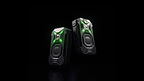
Axon Body 5 delivers 25x the AI processing power of earlier-generation cameras, with upgraded connectivity, audio and battery life to support real-time situational awareness in the field
SCOTTSDALE, Ariz., Oct. 24, 2026 /PRNewswire/ — Axon (Nasdaq: AXON), the global leader in public safety technology, today announced Axon Body 5, its newest body-worn camera designed to bring more powerful intelligence, connectivity and real-time support directly to officers in the field.
For years, Axon body cameras have helped agencies capture critical evidence and create greater transparency. Body 5 is built to help officers during the call, with information, assistance and backup on the spot.
“Officers shouldn’t have to choose between getting information and watching the scene. With Axon Body 5, they don’t,” said Rick Smith, Axon Founder and CEO. “They capture a license or document with the camera, keep their hands free and eyes up, and get information faster than writing it down and calling it in by radio. An officer fully engaged with the person in front of them, not down at a notepad, is a safer officer and a better-served community.”
Axon Body 5: Built for the AI Era
Built from the ground up for the AI era, Axon Body 5 delivers 25x the AI processing power than earlier generation Axon body cameras, alongside advancements in connectivity, audio, video and battery life. Together, these upgrades give the camera the physical power to run smarter AI features — both today and as new AI tools are developed in the future — while also making it more dependable for officers to use every day.
For the first time, Axon is also introducing two versions of its latest flagship camera: Axon Body 5 and Axon Body 5 Pro.
Both models feature several key advancements, including:
25x more processing power for AI: A powerful new computing architecture creates the capacity to support current and future AI features directly on the body camera.Enhanced video: Improved video captures clearer evidence across challenging environments, including better low-light performance.Improved connectivity: Seamless connectivity in urban and remote environments – and more precise location capability – helps officers, cameras and remote support teams stay connected when timely information matters most.Longer battery life: 20% more battery life than the previous generation helps keep the camera ready and connected throughout an officer’s shift.
The Axon Body 5 Pro will continue to gain new AI capabilities as they become available, growing along with the AI Era Plan. Additionally, new hardware features include:
A near-focus camera: An additional dedicated camera lens lets officers scan driver’s licenses to check status and search for wants or warrants in seconds, without returning to the patrol vehicle, with relevant information sent to Axon Fusus to support real-time operations.Front-facing speakers: Four additional speakers project even more powerful audio toward the person an officer is speaking with, helping real-time translations from Axon Assistant carry more clearly over heavy traffic or crowd noise. Additional memory: Extra space lets the camera run several AI tools at once, helping officers stay better informed and work faster.
Bringing More of Axon’s AI Era Into the Field
Axon Body 5 helps officers get more out of the Axon AI Era Plan by bringing smart tools right to the scene. Axon’s portfolio already supports public safety professionals across a growing range of tasks. For example, Draft One helps officers turn body-camera audio into high-quality report drafts and Axon Assistant provides voice-based information access and real-time translation.
Increasingly, Axon is also bringing AI into real-time operations.
Axon Guardian is a new category of AI features within the AI Era Plan that was specifically created to work with an officer’s field-based devices – starting with body cameras and in-car cameras – to improve safety. Guardian is designed to flag potential risks as situations unfold and create alerts when additional attention may be needed. Two of the first features include:
Escalation Detection: When an Axon Body 4 or Axon Body 5 camera is activated and recording, Guardian has the ability to detect potential conflicts in real time and create an alert in Axon Fusus. A human reviews the livestream and decides if additional support or action is needed.Approach Alert: When active on Axon Fleet 3, Guardian can detect if the door of a stopped vehicle opens and alert the officer through the in-car display and their body-worn camera.
Combined, Axon Body 5 and the expanding AI Era portfolio demonstrate the importance of AI as a critical resource to assist public safety professionals before, during and after an incident — reducing administrative burden, improving situational awareness and helping protect more lives.
Innovating Responsibly
Axon’s Responsible Innovation framework guides the development of all of its products. Designed with this in mind, Axon Body 5 and Guardian prioritize human oversight and maintain agency control over data. As a key part of the responsible innovation process, Axon’s independent Ethics and Equity Advisory Council was created to help responsibly develop and deploy new technologies with transparency, while aligning with community expectations.
General availability dates for Axon Body 5 and Axon Guardian will be announced soon. Product features and capabilities vary by configuration. For more information on Axon’s current products and services: Axon Product Catalog – Axon.com.
About Axon
Axon (Nasdaq: AXON) is the global leader in public safety technology supporting state, local, federal and international public safety agencies with technology designed to Protect Life. Complementing its mission, Axon’s growing Enterprise market focuses on protecting critical infrastructure and frontline workers across multiple industries including corporate security, hospitality, retail and healthcare. Founder-led since 1993, Axon builds products with transparency and responsibility. From TASER energy devices to today’s connected network of hardware – including cameras, drones, and robotics – cloud software, sensors, and AI-tools, the Axon ecosystem helps seamlessly protect people and places when it matters most. To ensure these technologies align with community expectations, Axon’s independent Ethics & Equity Advisory Council guides the ethical, inclusive, and accountable design of its products and services. Learn more about the EEAC and Axon’s Responsible Innovation framework at Axon Responsibility.
Non-Axon trademarks are the property of their respective owners. Axon, TASER and the Delta Logo are trademarks of Axon Enterprise, Inc., some of which are registered in the US and other countries. For more information, visit www.axon.com/legal. All rights reserved.
Please visit https://investor.axon.com and https://www.axon.com/newsroom for more information.
Media Contact:
Kate MacKinnon
Vice President, Communications
press@axon.com
View original content to download multimedia:https://www.prnewswire.com/news-releases/axon-announces-body-5-next-generation-camera-built-for-the-ai-era-302918553.html
SOURCE Axon
Technology
In HelloNation, Custom Fabrication Expert Mark Coyle Explains a Common Mistake in Custom Aluminum Design
Published
5 hours agoon
October 24, 2026By

The article explains why smart geometry, not thicker walls, creates stronger, more efficient aluminum components.
ROCHESTER, N.Y., Oct. 24, 2026 /PRNewswire/ — What early design choice causes many custom aluminum projects to become heavier, costlier, or harder to manufacture? That question is addressed in a HelloNation article featuring insights from Custom Fabrication Expert Mark Coyle of American Custom Metals, Inc. in Rochester, New York, that outlines how misunderstanding aluminum behavior leads designers to rely on thick walls instead of stronger geometry.
The article begins by explaining that many people assume thicker walls automatically make aluminum parts stronger. It notes that aluminum does not respond to wall thickness the way steel does. Instead, its performance is shaped by how the metal flows through the extrusion die. The article states that custom aluminum design is more effective when profiles use ribs, chambers, and flanges to create stiffness without adding unnecessary weight. This guidance helps readers understand why adding material often increases cost without improving strength.
The article also highlights that thicker walls change how aluminum moves during extrusion. When heavy areas fill more slowly, the metal cools unevenly and can develop stress that only appears later. The HelloNation piece explains that well-balanced geometry keeps extrusion smooth and predictable. This consistency makes it easier to maintain dimensional accuracy across long production runs. By focusing on geometry, custom aluminum design avoids the problems that come with slow extrusion speeds and uneven cooling.
Another insight in the article centers on how ribs and internal supports influence stability. It describes how a thin wall supported by a properly placed rib often performs better than a thick wall with no reinforcement. This happens because the rib helps distribute load, improve stiffness, and guide the aluminum as it cools. The article explains that this structural approach makes custom aluminum design more efficient and gives designers more control over how the final part behaves under pressure.
The article also shows why early collaboration between designer and fabricator prevents costly changes. It states that a fabricator familiar with extrusion can catch potential issues before a die is built. Small adjustments to corners or transitions can remove weak points or improve metal flow. The article notes that this teamwork keeps the design aligned with real-world production. By working together early, both sides reduce the risk of redesigning the die after the first test run.
Machining is another area where the article explains how wall thickness affects performance. Features such as deep pockets or sharp internal angles may require slow feed rates or special tooling. When walls are thicker than needed, those areas can become difficult to machine cleanly. The article states that thoughtful custom aluminum design makes machining more predictable. Small changes, such as adding radiused edges or sizing features to match standard tools, help shorten cycle times and prevent tool wear.
Thermal behavior receives detailed attention as well. The article explains that aluminum retains heat differently depending on the mass of each section. Thicker walls hold heat longer, which increases the chance of distortion during extrusion, machining, or finishing. When a design uses geometry to create strength, the material cools more evenly. This reduces warping and helps long profiles stay aligned. The article notes that stable cooling is important for components that require a precise fit and consistent shape throughout an entire production run.
Cost is also a key topic in the article. It states that heavier profiles increase material use, extrusion time, and tooling needs. A custom aluminum design that relies on geometry instead of mass lowers material consumption and keeps the fabrication process efficient. The article explains that lighter parts are easier to handle, ship, and assemble. This saves money across multiple stages of production and supports long-term manufacturing efficiency.
The article also notes that smart custom aluminum design creates profiles that behave predictably during extrusion and machining. Smooth transitions, balanced wall dimensions, and structural features help reduce the chance of distortion or dimensional drift. These elements also lower scrap rates and support reliable performance. By using geometry instead of excess material, designers build parts that maintain strength without compromising manufacturability.
As the article concludes, it emphasizes that avoiding thick walls is one of the best ways to improve performance and lower cost. It states that the most dependable custom aluminum components come from designs that use structural features to strengthen the profile. When designers understand how aluminum behaves at each stage of extrusion and machining, they create parts that are strong, efficient, and consistent from batch to batch. This approach turns custom aluminum design into a predictable process rather than a series of uncertain adjustments.
A Common Mistake in Custom Aluminum Design features insights from Mark Coyle, Custom Fabrication Expert of Rochester, NY, in HelloNation.
About HelloNation
HelloNation is America’s Good News Network, a premier media platform built on the idea that good news travels faster when real people tell real stories. Through its community-focused publications and innovative “edvertising” approach, HelloNation delivers content that informs, inspires, and spotlights the leaders making a meaningful impact in their communities.
View original content to download multimedia:https://www.prnewswire.com/news-releases/in-hellonation-custom-fabrication-expert-mark-coyle-explains-a-common-mistake-in-custom-aluminum-design-302918282.html
SOURCE HelloNation
Technology
World Young Scientist Summit 2026 Opens in Wenzhou, Zhejiang
Published
6 hours agoon
October 24, 2026By
WENZHOU, China, Oct. 24, 2026 /PRNewswire/ — This is a report by China Daily:
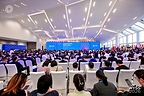
On October 24, the World Young Scientist Summit 2026 opened in Wenzhou, Zhejiang. The event is hosted by the China Association for Science and Technology (CAST), the Zhejiang Provincial People’s Government, and the World Association of Young Scientists. Nearly 800 representatives, including scientists, educators, and entrepreneurs from more than 60 countries and regions, are attending the summit.
He Junke, Vice President of CAST in charge of daily work and First Secretary of its Secretariat; Lian Yimin, Chairman and Party Group Secretary of the Zhejiang Provincial Committee of the Chinese People’s Political Consultative Conference; Marcelo Knobel, Executive Director of The World Academy of Sciences; and Zhang Zhenfeng, Member of the Standing Committee of the CPC Zhejiang Provincial Committee and Secretary of the CPC Wenzhou Municipal Committee, attended the summit and delivered remarks. Yao Gaoyuan, Vice Governor of the Zhejiang Provincial People’s Government, presided over the first segment of the plenary session.
With the theme “Gathering Talents Worldwide to Create a Better Future,” the summit’s annual agenda is “Global Youth Action in the AI Era: Building a Sustainable Future.” It aims to draw on the insights of young people around the world, deepen international sci-tech cooperation, and jointly address questions about young people, science, the world and the future.
Efim Zelmanov, Fields Medalist and Foreign Member of the Chinese Academy of Sciences; Chen Yunji, Deputy Director of the Institute of Computing Technology, CAS, and Director of the National Key Laboratory of Processor Chips; Mary Garson, President of the International Union of Pure and Applied Chemistry; and Lu Chaoyang, Member of the Standing Committee of CAST, Executive Dean of the Shanghai Institute of Advanced Study, University of Science and Technology of China, and Chairman of the Council of the World Association of Young Scientists, delivered keynote speeches respectively on education reform in the AI era, AI and processor chips, young women scientists’ participation in science, and quantum computing. They explored new opportunities for scientific research, talent cultivation, and international cooperation in the AI era.
This year’s summit placed greater emphasis on the growth needs of young scientists, with young talents under the age of 45 accounting for 88 percent of participants. It aimed to build a cluster of international journals, bring together young scientific talent, facilitate a batch of international collaborative projects and advance the application and commercialization of scientific and technological achievements. The summit released the Report on the Distribution and Mobility of Young Scientists in the Field of Embodied Intelligence, launched the World Young Scientist Summit Partner Journal Program and the 2026 World Young Scientist Innovation and Entrepreneurship Growth Support Program. It also published the “Young Scientist Pioneers 2035” list and announced the 2026 Sustainable Development Young Scientist Award. The awards were presented to four Chinese and foreign scientists.
Chen Tianrun, Founder of Hangzhou Moxin Technology Co., Ltd.; Yuan Yang, Assistant to the Dean of the Institute for Interdisciplinary Information Sciences at Tsinghua University; and two of the 2026 Sustainable Development Young Scientist Award winners, César de la Fuente and Nicola Segata, among other Chinese and foreign young scientist representatives, spoke at the flash-talk session to share their research practices and reflections.
In addition, the conference focused on fields such as future manufacturing, quantum information, embodied intelligence, brain-computer intelligence, environmental science, deep-sea resources, and life and health, and held 12 parallel forums. It also included the “Gravitation π” Future Technology and Concept Products Exhibition and Exchange, local thematic side events, and sci-tech and humanities study visits, further building an interdisciplinary, cross-regional and cross-sector platform for youth sci-tech exchange and cooperation.
View original content to download multimedia:https://www.prnewswire.com/news-releases/world-young-scientist-summit-2026-opens-in-wenzhou-zhejiang-302918664.html
SOURCE China Daily


Axon Announces Body 5: Next-Generation Camera Built for the AI Era

In HelloNation, Custom Fabrication Expert Mark Coyle Explains a Common Mistake in Custom Aluminum Design

World Young Scientist Summit 2026 Opens in Wenzhou, Zhejiang

Send Rakhi to UK swiftly with UK Gifts Portal

Whiteboard Series with NEAR | Ep: 45 Joel Thorstensson from ceramic.network

Nullmax and Renesas Forge Strategic Partnership to Deliver Competitive ADAS Solutions for the Global Market

Why You Should Build on #NEAR – Co-founder Illia Polosukhin at CV Labs
Whiteboard Series with NEAR | Ep: 45 Joel Thorstensson from ceramic.network

NEAR End of Year Town Hall 2021: The Open Web World, MetaBUILD 2 Hackathon and 2021 recap
Trending
-
 Technology4 days ago
NC AI Officially Releases VARCO Sound, the Generative AI Sound Production Service
-

 Technology4 days ago
Sophont Launches Holon-S1 to Reveal Tumor Biology from Routine Pathology Slides
-

 Technology5 days ago
OppFi Announces its Third Quarter 2026 Earnings Conference Call
-

 Technology4 days ago
Trinity Acquires Verix, Adding AI-Powered Next-Best-Action and Omnichannel Orchestration to the TrinityEDGE Platform
-

 Coin Market4 days ago
Stablecoin transfers quadruple to $891B as US banks expand adoption: Report
-

 Technology4 days ago
Workato Launches Self-Serve Platform in Singapore, Opening Enterprise AI to a Broader Community of Builders
-

 Technology1 day ago
Miami Startup BOB Raises $5.5M To Build An AI-Powered Banking Platform
-

 Technology4 days ago
Delta Development Team and The Good Drone Company Awarded U.S. Army Contract for Aerial Blood Delivery