Connect with us

Technology

3D Printing Materials Market Analysis: Unlock USD 5962.2 Million Opportunity by 2030 – Get Your Free Report Today! Valuates Reports

Published

on

3D Printing Materials Market is Segmented by Type (Engineering Plastics, Photosensitive Resin, Metallic Material, Ceramic Material), by Application (Aerospace Field, Military Field, Medicine Field)

BANGALORE, India, Dec. 11, 2024 /PRNewswire/ — The Global 3D Printing Materials Market was valued at USD 1842.5 Million in 2023 and is anticipated to reach USD 5962.2 Million by 2030, witnessing a CAGR of 17.9% during the forecast period 2024-2030.

Claim Your Free Report: https://reports.valuates.com/request/sample/QYRE-Auto-34R6918/Global_3D_Printing_Materials_Market 

Major Factors Driving the Growth of 3D Printing Materials Market:

The 3D printing materials market is expanding rapidly, driven by rising adoption across industries such as healthcare, aerospace, and automotive. Key materials, including photosensitive resins, engineering plastics, and metal powders, support diverse applications, from prototyping to end-use production.

Regional markets, led by North America and Asia-Pacific, reflect strong growth trends, supported by technological advancements and increased investment in additive manufacturing. As industries prioritize customization, sustainability, and cost-efficiency, the demand for 3D printing materials continues to rise, ensuring the market’s sustained global expansion.

Unlock Insights: View Full Report Now! https://reports.valuates.com/market-reports/QYRE-Auto-34R6918/global-3d-printing-materials

TRENDS INFLUENCING THE GROWTH OF THE 3D PRINTING MATERIALS MARKET:

Photosensitive resins are a significant driver of the 3D printing materials market, widely used in applications requiring high precision and fine detailing. These resins, utilized in stereolithography (SLA) and digital light processing (DLP) 3D printing technologies, deliver exceptional surface finish and accuracy. Industries such as healthcare, automotive, and jewelry benefit from photosensitive resins for creating intricate models, prototypes, and production parts. The medical sector leverages these materials to manufacture dental aligners, surgical guides, and anatomical models. Additionally, photosensitive resins are valued for their customizability, offering options like biocompatible, flexible, and tough variants tailored to specific needs. The rising adoption of additive manufacturing in small-scale and high-value production has further propelled the demand for photosensitive resins. As businesses prioritize precision and efficiency, the role of photosensitive resins in driving the growth of the 3D printing materials market is set to expand.

Engineering plastics are crucial to the growth of the 3D printing materials market due to their exceptional mechanical properties, durability, and versatility. Materials like polyamide (nylon), polycarbonate (PC), and ABS dominate industrial 3D printing for functional prototypes, tooling, and end-use parts. These plastics withstand high temperatures, mechanical stress, and wear, making them suitable for industries such as automotive, aerospace, and electronics. The affordability of engineering plastics compared to metal-based alternatives also encourages their adoption in small-scale production. Furthermore, advancements in polymer formulations, including fiber-reinforced and flame-retardant variants, have broadened their application scope. The growing trend of lightweighting in automotive and aerospace sectors further drives the demand for engineering plastics, as these materials reduce weight without compromising strength. With manufacturers seeking cost-effective and reliable materials for complex designs, engineering plastics remain a driving force in the 3D printing materials market.

 The aerospace industry is a major contributor to the growth of the 3D printing materials market, leveraging additive manufacturing to produce lightweight and complex components. Materials like titanium alloys, high-performance thermoplastics, and carbon fiber composites are widely used to fabricate critical aerospace parts, such as engine components, structural brackets, and interior fixtures. The ability of 3D printing to reduce material waste and lead times aligns with the aerospace sector’s focus on efficiency and sustainability. Additionally, the customization capabilities of 3D printing enable the production of parts tailored to specific aircraft requirements. Regulatory bodies have increasingly approved 3D-printed components for use in commercial and defense aircraft, boosting adoption. As the demand for advanced materials and cost-effective production methods grows in the aerospace field, the role of 3D printing materials in achieving these goals continues to strengthen, driving market expansion.

The healthcare sector’s adoption of 3D printing has driven demand for specialized materials, including biocompatible polymers, ceramics, and photosensitive resins. These materials enable the production of patient-specific implants, prosthetics, and medical devices, improving treatment outcomes and efficiency.

Furthermore, in the automotive sector, automotive manufacturers use 3D printing materials to create lightweight components, rapid prototypes, and custom tooling. Engineering plastics and metal powders are particularly popular for their strength and durability, supporting innovation and cost reduction in vehicle production.

The consumer goods industry leverages 3D printing materials to produce customized products, such as eyewear, footwear, and jewelry. Materials like flexible filaments and resin-based compounds enhance product quality and aesthetic appeal, driving market growth. Moreover, the growing environmental awareness has spurred the development of sustainable 3D printing materials, such as biodegradable polymers and recycled filaments. These eco-friendly options align with corporate sustainability goals, boosting adoption across industries.

On-demand manufacturing enabled by 3D printing has driven demand for versatile materials capable of meeting diverse production needs. This shift supports cost reduction and efficiency, particularly in small-scale and customized production.

Government initiatives promoting additive manufacturing have increased investments in 3D printing technologies and materials. Subsidies and grants encourage industries to adopt 3D printing, driving market growth.

Claim Yours Now! https://reports.valuates.com/api/directpaytoken?rcode=QYRE-Auto-34R6918&lic=single-user

3D PRINTING MATERIALS MARKET SHARE:

The 3D printing materials market shows robust growth across regions. North America leads due to advanced industrial adoption and strong R&D investments. Europe follows, driven by its emphasis on sustainability and the aerospace sector’s growth. Asia-Pacific is the fastest-growing region, fueled by the expansion of manufacturing industries, increasing adoption in healthcare, and supportive government policies.

Key Companies:

Stratasys LtdExoneDSMArevoDuPontTLC Korea3D SystemsLG ChemTaulman3DOrbi-TechMatterHackersMaterialiseRahn3D HubsExceltec

Purchase Chapters: https://reports.valuates.com/market-reports/QYRE-Auto-34R6918/global-3d-printing-materials/1

SUBSCRIPTION

We have introduced a tailor-made subscription for our customers. Please leave a note in the Comment Section to know about our subscription plans.

DISCOVER MORE INSIGHTS: EXPLORE SIMILAR REPORTS!

–          3D Printing Polymer Materials market is projected to grow from USD 344.6 Million in 2024 to USD 399.6 Million by 2030, at a Compound Annual Growth Rate (CAGR) of 2.5% during the forecast period.

–          SLS 3D Printer Market was estimated to be worth USD 1353 Million in 2023 and is forecast to a readjusted size of USD 2388.5 Million by 2030 with a CAGR of 8.5% during the forecast period 2024-2030.

–          3D Printing Alloy Material Market

–          Medical 3D Printing Materials Market

–          3D Printing Non-Metallic Materials Market

–          Micro-nano Level 3D Printing market was valued at USD 106 Million in 2023 and is anticipated to reach USD 152.7 Million by 2030, witnessing a CAGR of 5.3% during the forecast period 2024-2030.

–          3D Printing Resin Market

–          Medical Grade 3D Printing Filament Market

–          3 Dimensional Printed Metal Material Market was estimated to be worth USD 1967 Million in 2023 and is forecast to a readjusted size of USD 3097.4 Million by 2030 with a CAGR of 6.7% during the forecast period 2024-2030.

–          Dental 3D Printing Materials Market

–          Stainless Steel 3D Printing Market was estimated to be worth USD 584 Million in 2023 and is forecast to a readjusted size of USD 854.5 Million by 2030 with a CAGR of 6.1% during the forecast period 2024-2030

DISCOVER OUR VISION: VISIT ABOUT US!

Valuates offers in-depth market insights into various industries. Our extensive report repository is constantly updated to meet your changing industry analysis needs.

Our team of market analysts can help you select the best report covering your industry. We understand your niche region-specific requirements and that’s why we offer customization of reports. With our customization in place, you can request for any particular information from a report that meets your market analysis needs.

To achieve a consistent view of the market, data is gathered from various primary and secondary sources, at each step, data triangulation methodologies are applied to reduce deviance and find a consistent view of the market. Each sample we share contains a detailed research methodology employed to generate the report. Please also reach our sales team to get the complete list of our data sources.

GET A FREE QUOTE
Valuates Reports
sales@valuates.com
For U.S. Toll-Free Call 1-(315)-215-3225
WhatsApp: +91-9945648335
Website: https://reports.valuates.com
Blog: https://valuatestrends.blogspot.com/
Pinterest: https://in.pinterest.com/valuatesreports/
Twitter: https://twitter.com/valuatesreports
Facebook: https://www.facebook.com/valuatesreports/
YouTube: https://www.youtube.com/@valuatesreports6753
https://www.facebook.com/valuateskorean
https://www.facebook.com/valuatesspanish 
https://www.facebook.com/valuatesjapanese
https://valuatesreportspanish.blogspot.com/ 
https://valuateskorean.blogspot.com/
https://valuatesgerman.blogspot.com/
https://valuatesreportjapanese.blogspot.com/ 

Logo: https://mma.prnewswire.com/media/1082232/Valuates_Reports_Logo.jpg

View original content:https://www.prnewswire.com/news-releases/3d-printing-materials-market-analysis-unlock-usd-5962-2-million-opportunity-by-2030–get-your-free-report-today-valuates-reports-302329175.html

SOURCE Valuates Reports

Continue Reading
Click to comment

Leave a Reply

Your email address will not be published. Required fields are marked *

Technology

As ADA Anniversary Approaches, University of Phoenix Survey Highlights AI’s Potential to Advance Accessibility in Work and Learning

Published

on

By

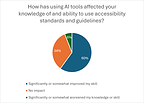
Survey conducted by The Harris Poll on behalf of University of Phoenix finds among those already using AI in the workplace, 60% say AI has improved their knowledge of and ability to use accessibility standards and guidelines.

PHOENIX, July 24, 2026 /PRNewswire/ — As artificial intelligence becomes part of how people work, learn and solve problems, a new University of Phoenix survey conducted by The Harris Poll finds that recent working learners see meaningful opportunities for AI to support accessibility. The survey was designed to understand the impact of AI in the workplace and learning environments on accessibility, defined as ensuring digital content, tools and resources, including AI tools and output, are usable by people with different abilities through inclusive design, use of assistive technology or conformance with accessibility standards, such as the Web Content Accessibility Guidelines (WCAG). The findings are being released ahead of the 36th anniversary of the Americans with Disabilities Act (ADA) on July 26.

The survey, conducted among 1,019 U.S. employed adults who completed a professionally presented training or school course in the past 12 months (“recent working learners”), found that, among workers already using AI in the workplace, 3 in 5 (60%) say AI has improved their knowledge of and ability to use accessibility standards and guidelines, including nearly 1 in 5 (19%) who report significant improvement. 

While the findings point to optimism about AI’s accessibility potential, they also reveal an opportunity for clearer organizational guidance: 45% of respondents say accessibility is absent from, unclear in, or they are uncertain whether it is covered by their workplace AI policies.

“The reality is that accessibility benefits everyone,” shares Kelly Hermann, Vice President of Accessibility and Student Affairs at University of Phoenix. “If accessibility is built in from the beginning, organizations are more likely to create AI-enabled environments that are universally usable. Clearer content, better summaries, accurate captions, and multiple formats can help workers and learners with disabilities, but they also help busy adults, multilingual learners, mobile users, and anyone trying to absorb information quickly.”

Key findings from the survey include:

Workers see AI’s accessibility potential: 89% of recent working learners identify workflows that could benefit from AI and accessibility tools, especially creating accessible documents, presentations, websites or learning materials (38%), presenting information in different formats such as plain language, audio, summaries or translations (33%), and training employees or learners on accessibility practices (30%).AI may help build accessibility awareness: Among those already using AI in the workplace, 60% say AI has improved their knowledge of and ability to use accessibility standards and guidelines.Accessibility is not always clear in workplace AI policies: 45% of recent working learners say accessibility is absent from, unclear in, or they are uncertain whether it is covered by their workplace AI policies.AI tools may not yet fully support different access needs: Among those who use workplace AI tools, only about a quarter of survey respondents (27%) say AI tools available through their workplace or professional learning environment support people with disabilities very well.Human oversight remains important: 36% of recent working learners say human review for important decisions or high-impact work should be part of responsible AI use at work or school.Workers also recognize how AI and accessibility can have an impact on their own career journey: 90% of recent working learners identify AI and accessibility skills that would be valuable in their current or desired career field, including 45% who see value in understanding when AI-generated content needs human review.

Why accessibility is essential to responsible AI adoption

As AI tools are used to draft documents, summarize information, generate captions and transcripts, create image descriptions, support learning and assist with workplace tasks, accessibility becomes central to responsible use. Poorly implemented AI can also create or amplify barriers, including inaccessible content, inaccurate summaries, biased outputs and tools that do not work effectively with assistive technologies.

“Responsible AI is not only about productivity,” Hermann said. “It is about whether the technology works for the people who need to use it. AI can help create more accessible materials and more flexible ways to engage with information, but it still requires clear policies, practical training and human judgment to make sure the outputs are accurate, applicable and usable.”

What the findings mean for employers and educators

The survey suggests that organizations have an opportunity to align AI adoption with supportive design, accessibility practices and workforce training. Employers and educators can take immediate steps by:

Naming accessibility directly in AI policies and guidance.Choosing AI tools with accessibility and assistive technology compatibility in mind.Training workers and learners to create, check and improve accessible AI-generated content.Making support pathways clear for people who experience barriers using AI tools.Keeping human review in place for important decisions, high-impact work and accessibility-sensitive outputs.

The survey also found workers want practical AI training. The most helpful resources identified by recent working learners include real-world examples from their field or industry (36%), hands-on practice using realistic workplace scenarios (34%) and step-by-step demonstrations of common tasks (33%).

Accessibility insights from University of Phoenix

Hermann shared the survey findings ahead of the ADA anniversary in recent media interviews. Hermann oversees the University’s accessibility initiative, including evaluation and remediation of curricular resources, the Center for Access, Resources, Engagement and Support Services (CARES), and the Office of Collaborative Learning and Educational Engagement. Her work focuses on fostering accessible and welcoming educational environments for students, faculty and staff.

Hermann’s office at University of Phoenix also convenes accessibility conversations through initiatives such as Access Amplified™, a free, annual virtual event focused on advancing digital accessibility in web development. The event brings together engineers, developers, designers, content authors and digital strategists for practical strategies and human-centered conversations that address the gap between coding practices and how users with assistive technology experience the web.

About the survey

The survey was conducted online within the United States by The Harris Poll on behalf of University of Phoenix from June 22–29, 2026, among 1,019 employed adults ages 18 and older who have taken a professionally presented training or a school course in the past 12 months, referred to as “recent working learners.” Data were weighted where necessary by age, gender, race/ethnicity, region, education, employment, marital status, household size, household income and smoking status to bring them in line with their actual proportions in the population.

Respondents for this survey were selected from among those who have agreed to participate in surveys. The sampling precision of Harris online polls is measured by using a Bayesian credible interval. For this study, the sample data is accurate to within +/- 3.8 percentage points using a 95% confidence level. This credible interval will be wider among subsets of the surveyed population of interest.

Review the complete survey at phoenix.edu/aiaccessibility.

About University of Phoenix

University of Phoenix is Built for Real Life. 50 Years Strong. The University innovates to help working adults enhance their careers and develop skills in a rapidly changing world through flexible online learning, relevant courses, academic AI pillars, and skills-mapped curriculum for associate, bachelor’s and master’s degree programs. Active students and alumni have access to Career Services for Life® resources including career guidance and tools. For more information, visit phoenix.edu. 

View original content to download multimedia:https://www.prnewswire.com/news-releases/as-ada-anniversary-approaches-university-of-phoenix-survey-highlights-ais-potential-to-advance-accessibility-in-work-and-learning-302834448.html

SOURCE University of Phoenix

Continue Reading

Technology

Mastech Digital to Announce Second Quarter 2026 Financial Results; Participate in Upcoming Investor Conference

Published

on

By

PITTSBURGH, July 24, 2026 /PRNewswire/ — Mastech Digital, Inc. (NYSE American: MHH) (“Mastech Digital”), a leading provider of Digital Transformation IT Services, today announced the date for the release of its financial results for the second quarter ended June 30, 2026, and its participation in an upcoming investor conference.

Second Quarter 2026 Earnings:

Mastech Digital will report its financial results for the second quarter 2026 before the market opens on Thursday, August 6, 2026. Management will host a live conference call and webcast at 9:00 a.m. Eastern Time on that day to discuss the Company’s financial performance and operating results.  The conference call will be hosted by Nirav Patel, President and CEO, and Kannan Sugantharaman, Chief Financial and Operations Officer.

Those wishing to participate via webcast should access the call through Mastech Digital’s Investor Relations website at https://investors.mastechdigital.com. Those wishing to participate via telephone may dial in at 1-800-715-9871 (USA) or 1-646-307-1963 (International) with the passcode 7506988. The replay will be available via webcast through Mastech Digital’s Investor Relations website.

Upcoming Investor Conference:

Mr. Sugantharaman will host a fireside chat at the Sidoti Micro-Cap Investor Conference on Wednesday, August 19, 2026, at 9:15 a.m. Eastern Time.

Mastech Digital management is scheduled to host virtual one-on-one and small group meetings with investors during the conference on August 19-20, 2026. Investors interested in arranging a meeting should contact their Sidoti representative or reach out to the Mastech Digital investor relations team at investors@mastechdigital.com.

About Mastech Digital, Inc.

Mastech Digital (NYSE American: MHH) is a leading provider of Digital Transformation IT Services. The Company offers Data Management, Analytics & AI Solutions, and IT Staffing Services with a digital-first approach. A minority-owned enterprise, Mastech Digital is headquartered in Pittsburgh, PA, with offices across the U.S., Canada, Europe, and India. Visit us at www.mastechdigital.com.

Investor Relations Contact:
investors@mastechdigital.com 


View original content to download multimedia:https://www.prnewswire.com/news-releases/mastech-digital-to-announce-second-quarter-2026-financial-results-participate-in-upcoming-investor-conference-302834421.html

SOURCE Mastech Digital, Inc.

Continue Reading

Technology

SOLAI Limited Announces Extraordinary General Meeting

Published

on

By

AKRON, Ohio, July 24, 2026 /PRNewswire/ — SOLAI Limited (NYSE: SLAI) (“SOLAI” or the “Company”) (previously known as “BIT Mining Limited”), a technology-driven personal AI and digital infrastructure provider, today announced that it will hold its extraordinary general meeting of shareholders at 428 South Seiberling Street, Akron, Ohio, US on August 14, 2026 at 10:00 a.m., New York time.

Holders of record of ordinary shares and preference shares of the Company at the close of business on July 20, 2026, New York time (the “Record Date”) are entitled to receive notice of, and to attend and vote at, the extraordinary general meeting or any adjournment thereof. Holders of the Company’s American Depositary Shares (“ADSs”) who wish to exercise their voting rights for the underlying ordinary shares must act through the depositary of the Company’s ADS program, Deutsche Bank Trust Company Americas.

The notice of the extraordinary general meeting, which sets forth the resolutions to be submitted to shareholder approval at the extraordinary general meeting is available on the Investor Relations section of the Company’s website at https://ir.solai.com

About SOLAI Limited

SOLAI Limited (previously known as “BIT Mining Limited”) (NYSE: SLAI) (previously traded under “BTCM”) is a technology-driven personal AI and digital infrastructure provider. Building upon its historical legacy in digital asset mining and blockchain network operations, the Company is leveraging extensive experience in large-scale hardware deployment, data center operations, and high-performance computing to build the foundational infrastructure for personal AI computing and digital asset ecosystems globally.

For more information:

SOLAI Limited
ir@solai.com
ir.solai.com
www.solai.com 

Christensen Advisory
Jason Ng
Tel: +852-2117-0861
Email: solai@christensencomms.com 


View original content:https://www.prnewswire.com/news-releases/solai-limited-announces-extraordinary-general-meeting-302834034.html

SOURCE SOLAI Limited

Continue Reading

Trending