Technology
3D-Printed Footwear Market size is set to grow by USD 3.32 billion from 2024-2028, Increasing number of new product launches boost the market, Technavio
Published
2 years agoon
By
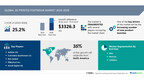
NEW YORK, June 27, 2024 /PRNewswire/ — The global 3D-printed footwear market size is estimated to grow by USD 3.32 billion from 2024-2028, according to Technavio. The market is estimated to grow at a CAGR of 25.2% during the forecast period. Increasing number of new product launches is driving market growth, with a trend towards innovations in 3D printing. However, lack of in-house expertise poses a challenge. Key market players include Adidas AG, Columbia Sportswear Co., EOS GmbH, FitMyFoot Inc., Kornit Digital Ltd., LuxCreo Inc., MATERIALISE NV, New Balance Athletics Inc., Nike Inc., OESH Shoes, Peak Sport Products Co. Ltd., Prodways Group, Scientifeet, Sculpteo Inc., SHAPEWAYS HOLDINGS INC., Sintratec AG, Stratasys Ltd., Superfeet Worldwide LLC, Under Armour Inc., and Zellerfeld.
Get a detailed analysis on regions, market segments, customer landscape, and companies- View the snapshot of this report
3D-Printed Footwear Market Scope
Report Coverage
Details
Base year
2023
Historic period
2018 – 2022
Forecast period
2024-2028
Growth momentum & CAGR
Accelerate at a CAGR of 25.2%
Market growth 2024-2028
USD 3326.3 million
Market structure
Fragmented
YoY growth 2022-2023 (%)
19.78
Regional analysis
North America, Europe, APAC, South America, and Middle East and Africa
Performing market contribution
North America at 35%
Key countries
US, China, UK, Canada, and Germany
Key companies profiled
Adidas AG, Columbia Sportswear Co., EOS GmbH, FitMyFoot Inc., Kornit Digital Ltd., LuxCreo Inc., MATERIALISE NV, New Balance Athletics Inc., Nike Inc., OESH Shoes, Peak Sport Products Co. Ltd., Prodways Group, Scientifeet, Sculpteo Inc., SHAPEWAYS HOLDINGS INC., Sintratec AG, Stratasys Ltd., Superfeet Worldwide LLC, Under Armour Inc., and Zellerfeld
Market Driver
The 3D-printed footwear market is experiencing notable growth due to advancements in 3D printing technology. Manufacturers are leveraging these innovations to create customized, perfectly fitting shoes, catering to individual consumer preferences. Patented technologies are being used to gain a competitive edge, such as Adidas’ Futurecraft 3D, which offers tailored midsole cushioning. The production of custom-made insoles for better support and foot pain relief, particularly for diabetic patients, is driving adoption. The market’s expansion is further fueled by the increasing demand for eco-friendly products. Zellerfeld, a technology leader, showcases its groundbreaking solutions at events like the Hitex Exhibition Centre. These 3D printing advancements are expected to encourage vendors to integrate the technology, leading to market growth.
The 3D-printed footwear market is experiencing significant growth, with companies utilizing this technology to create customized and innovative designs. Consumers are drawn to the comfort and personalization offered by 3D-printed shoes. The use of materials like TPU and nylon allows for flexibility and durability. The footwear industry is embracing this technology, with brands focusing on performance and aesthetics. Consumers are also attracted to the cost savings and reduced production time associated with 3D printing. The trend towards sustainable manufacturing practices is also driving interest in this technology, as it allows for minimal waste in the production process. Overall, the 3D-printed footwear market is poised for continued growth and innovation.
Research report provides comprehensive data on impact of trend. For more details- Download a Sample Report
Market Challenges
The 3D-printed footwear market faces challenges due to the necessity for in-house expertise in data management, equipment design, and technology. Companies must invest in training their staff to handle complex procedures and ensure seamless operation. The absence of this expertise may hinder market growth, as it necessitates the hiring of external experts for large installations. This additional expense could impact potential profitability.The 3D-printed footwear market is experiencing significant growth, with numerous advantages such as customization and production efficiency. However, challenges persist. One major challenge is the high cost of 3D printing technology and materials, limiting mass production. Another challenge is ensuring the durability and quality of 3D-printed footwear, which may not meet industry standards. Additionally, regulatory compliance and intellectual property issues can hinder market expansion. Despite these challenges, innovations in technology and materials continue to drive progress in the 3D-printed footwear industry.
For more insights on driver and challenges – Request a sample report!
Segment Overview
This 3d-printed footwear market report extensively covers market segmentation by
End-user 1.1 Men1.2 Women1.3 ChildrenType 2.1 Insoles2.2 Midsoles2.3 Upper solesGeography 3.1 North America3.2 Europe3.3 APAC3.4 South America3.5 Middle East and Africa
1.1 Men- The 3D-printed footwear market experiences growth due to innovative offerings from vendors like Adidas and Carbon, utilizing Digital Light Synthesis for faster production and superior material. Adidas’ Futurecraft 4D delivers a more flexible, durable final product. US-based Under Armour also contributes with ArchiTech Futurist and UA ArchiTech in the men’s segment. The variety and quality of these 3D-printed shoes are expected to attract buyers, driving market expansion.
For more information on market segmentation with geographical analysis including forecast (2024-2028) and historic data (2017-2021) – Download a Sample Report
Research Analysis
The 3D-printed footwear market is experiencing significant growth due to the adoption of additive manufacturing technology in the production of footwear. Consumers are increasingly drawn to the innovative design possibilities and personalized fit offered by 3D-printed footwear. This technology allows for the creation of athletic footwear, casual footwear, formal footwear, and specialized footwear with unique fashion aesthetics. The use of digital shopping platforms and customized insoles further enhances the consumer experience. The lifespan of 3D-printed footwear is also a key advantage, as it can be produced to last longer than traditionally manufactured footwear. Digital designs enable designers to experiment with new shapes, structures, and textures, leading to a continuous flow of new and exciting footwear offerings. The market for leisure footwear is also expected to benefit from these advancements.
Market Research Overview
The 3D-printed footwear market is experiencing significant growth due to advancements in technology and increasing consumer demand for customized and innovative products. This manufacturing process offers numerous benefits, including reduced production time, lower material waste, and the ability to create complex designs. 3D-printed footwear comes in various forms, such as sneakers, sandals, and athletic shoes, catering to diverse consumer preferences. Materials used in 3D-printed footwear range from thermoplastics and elastomers to biodegradable and recycled materials, contributing to the industry’s sustainability efforts. The market is expected to continue expanding as technology improves and more brands explore this manufacturing method to differentiate themselves in the competitive footwear industry.
Table of Contents:
1 Executive Summary
2 Market Landscape
3 Market Sizing
4 Historic Market Size
5 Five Forces Analysis
6 Market Segmentation
End-userMenWomenChildrenTypeInsolesMidsolesUpper SolesGeographyNorth AmericaEuropeAPACSouth AmericaMiddle East And Africa
7 Customer Landscape
8 Geographic Landscape
9 Drivers, Challenges, and Trends
10 Company Landscape
11 Company Analysis
12 Appendix
About Technavio
Technavio is a leading global technology research and advisory company. Their research and analysis focuses on emerging market trends and provides actionable insights to help businesses identify market opportunities and develop effective strategies to optimize their market positions.
With over 500 specialized analysts, Technavio’s report library consists of more than 17,000 reports and counting, covering 800 technologies, spanning across 50 countries. Their client base consists of enterprises of all sizes, including more than 100 Fortune 500 companies. This growing client base relies on Technavio’s comprehensive coverage, extensive research, and actionable market insights to identify opportunities in existing and potential markets and assess their competitive positions within changing market scenarios.
Contacts
Technavio Research
Jesse Maida
Media & Marketing Executive
US: +1 844 364 1100
UK: +44 203 893 3200
Email: media@technavio.com
Website: www.technavio.com/
View original content to download multimedia:https://www.prnewswire.com/news-releases/3d-printed-footwear-market-size-is-set-to-grow-by-usd-3-32-billion-from-2024-2028–increasing-number-of-new-product-launches-boost-the-market-technavio-302183498.html
SOURCE Technavio
You may like
Technology
Another Nine Opens First Franchise Location in North Carolina Signaling New Era of Growth
Published
46 minutes agoon
June 16, 2026By
Franchise Owner Matt Hess Debuts First of Five Greater Charlotte Locations as 24/7 Indoor Golf Concept Surpasses 75 Territories Sold
CINCINNATI, June 16, 2026 /PRNewswire/ — Another Nine, the 24/7 self-service indoor golf concept powered by proprietary A9OS technology and Trackman gameplay, is celebrating the opening of its first franchise location in Cornelius, North Carolina, as the brand moves from a breakout first year of franchise sales into a new phase of unit growth.
Located in the Lake Norman area, the new Cornelius facility is owned and operated by Matt Hess, Another Nine’s first franchise owner. It is the first of five locations Hess will open across the greater Charlotte area. The brand has 12 locations planned throughout the Charlotte metro, making the market the first fully sold-out region in Another Nine’s franchise network.
First Franchise Opening Anchors Charlotte Expansion
The Cornelius opening marks Another Nine’s first franchise location and gives the brand an early foothold in one of North Carolina’s most active suburban markets. With Charlotte sold out, the brand has laid the foundation for a multi-unit growth strategy built around local operators, streamlined operations, and demand for flexible, private indoor golf access.
“Cornelius was the right place to begin because Lake Norman is home for me, and the community has been supportive from the start,” said Hess. “Another Nine makes it easy for people to play on their own schedule, whether they want to practice after the kids go to bed, get in a round before work, or step into a private suite between calls. The founders have built a smart model with strong technology and real support behind it. I am proud to open the first of my five locations here and help introduce Another Nine to the Charlotte market.”
A New Era of Growth for Another Nine
The first franchise opening follows a year of momentum for Another Nine, which has surpassed 75 franchise territories sold in its inaugural year of franchising. The company currently operates two corporate locations in Cincinnati, Columbia-Tusculum, and Montgomery, and is now focused on converting its early franchise traction into open facilities across targeted growth regions.
As Another Nine continues expansion, the brand is placing a particular priority on the Midwest and Northeast, where dense suburban markets, year-round golf demand, and access to multi-unit operators align with its membership-free, technology-driven model.
“The Cornelius opening is a defining moment for Another Nine because it shows what this model can become with the right franchise partner in the right market,” said Ethan Grob, Co-Founder of Another Nine. “Matt understands the guest experience, the Charlotte community and the growth opportunity ahead. As we enter this next stage, our priority is to support owners like Matt while expanding thoughtfully in markets where golfers are looking for premium, flexible access to the game.”
A 24/7 Indoor Golf Model Built for Guests and Operators
Each Another Nine facility features all-private Sim Suites available around the clock through the brand’s A9OS booking platform. Guests can reserve a suite by the hour, any time of day or night, and play Trackman-powered golf across more than 350 world-class courses without a membership requirement.
The model is also designed to give franchise owners a streamlined operating structure. Without a bar or restaurant component and with technology supporting booking, access, and guest support, Another Nine locations are built to operate with a leaner footprint than many entertainment concepts.
Guests can expect:
Private Sim Suites available 24/7Hourly reservations with no membership requiredTrackman gameplay across more than 350 coursesProprietary A9OS technology for booking, access and supportA flexible setting for practice, casual rounds, small groups and late-night play
For more information about franchising with Another Nine, visit anothernine.com/pages/franchise.
About Another Nine
Another Nine is a franchisor of 24/7 self-service indoor golf simulator facilities featuring all-private Sim Suites and Trackman gameplay, powered by proprietary A9OS technology. With a membership-free model and a streamlined operating structure, Another Nine offers guests premium access to the game on their schedule and offers entrepreneurs a modern path to business ownership.
View original content to download multimedia:https://www.prnewswire.com/news-releases/another-nine-opens-first-franchise-location-in-north-carolina-signaling-new-era-of-growth-302801851.html
SOURCE Another Nine, LLC
Technology
Personal Protective Equipment Market to Reach USD 34.22 Billion by 2031 | 3M, DuPont, Ansell, MSA, and 37 Key Players Profiled | Arizton
Published
46 minutes agoon
June 16, 2026By
Arizton report highlights smart PPE adoption, industrial safety trends, regional growth opportunities, competitive benchmarking, and market forecasts through 2031.
CHICAGO, June 16, 2026 /PRNewswire/ — According to recent research by Arizton, the global personal protective equipment (PPE) market is expected to reach USD 34.22 billion by 2031, growing at a CAGR of 6.54% during the forecast period.
The market continues to gain growth as workplace safety regulations become more stringent across industries such as manufacturing, healthcare, construction, oil & gas, chemicals, and logistics. Increasing awareness of employee protection, expanding industrial activity, and stronger compliance standards are expected to continue supporting PPE demand globally.
Get detailed market forecasts, competitive benchmarking, and pricing trends: https://www.arizton.com/market-reports/personal-protective-equipment-market
Browse in-depth TOC on the Global Personal Protective Equipment Market
Pages- 163
Region- 5
Company- 37
Segment-5
Global Personal Protective Equipment Market Snapshot
Market Size (2031)
USD 34.22 Billion
Market Size (2025)
USD 23.40 Billion
CAGR (2025-2031)
6.54 %
Historic Year
2022-2024
Base Year
2025
Forecast Year
2026-2031
Segments Covered
Product, Protection, Application, End-User, and Geography
Smart PPE is Transforming Workplace Safety Across Industrial Environments
The growing emphasis on proactive workplace safety and real-time hazard prevention is increasing the adoption of smart PPE solutions across industrial environments.
Unlike conventional protective equipment, smart PPE integrates IoT sensors, AI-enabled analytics, and connectivity technologies such as Bluetooth, Wi-Fi, and 5G to support real-time worker monitoring, predictive alerts, and enhanced hazard detection.
According to research published by IRE Journals in February 2025, integrating smart PPE solutions can reduce workplace accidents by up to 40% and improve safety compliance by nearly 30%. Supported by increasing industrial digitalization and connected workplace initiatives, demand for smart PPE is expected to rise significantly over the forecast period.
North America Holds the Largest PPE Market Share Supported by Expanding Industrial Activity
North America accounted for over 36% of the global PPE market share, supported by strict workplace safety regulations, expanding industrial activity, and manufacturing reshoring efforts.
The region continues to witness strong demand across healthcare, construction, oil & gas, and industrial manufacturing sectors. Healthcare systems in North America have also transitioned from emergency pandemic procurement toward maintaining stable PPE inventories, creating a more consistent long-term demand base.
The U.S. remains the largest and fastest-growing regional market, supported by infrastructure investments, increasing smart PPE adoption, and domestic manufacturing expansion.
To Know More, Click: https://www.arizton.com/request-sample/5137
Hand Protection Segment Leads as Regional PPE Demand Evolves
North America: Growth is centered heavily around oil, gas, and regulatory compliance.Asia-Pacific (APAC): Demand is driven by infrastructure and commercial construction projects.Middle East & Africa (MEA): Procurement is dominated by the upstream energy and utility sectors.Global Logistics: The rising trade of temperature-sensitive biologics (like vaccines) has expanded cold-storage infrastructure, driving the demand for specialized thermal protective garments.
Recent Developments Shaping the Personal Protective Equipment Market
In March 2026, DuPont introduced a specialized disposable garment engineered for designed for cleanrooms, containment, and other high-hazard environments.In January 2026, Ansell Ltd introduced the TouchNTuff 93-800. This innovative single-use glove is engineered to provide a minimum of 15 minutes of protection against acetone exposure.In October 2025, 3M introduced the 3M PELTOR WS ALERT XPV Headset MRX21A1WS7. These solar-powered headsets provide robust communication solutions with Bluetooth® MultiPoint technology and noise-cancelling microphones.In September 2025, MSA Safety Incorporated launched the V-Gard H2 Full Brim Safety Type 2 Helmet. It provides enhanced lateral impact protection. It is designed for workers needing extra debris and sun protection.
Personal Protective Equipment Market Segmentation Highlights
Product: The disposable segment accounted for the largest market share of around 64%.Protection: The hand protection segment dominated and held the largest market share in 2025Application: The chemical protection segment shows significant growth, with the fastest-growing CAGR of 6.78%End-User: The manufacturing segment accounted for the largest market share in 2025.Geography: North America dominates the global PPE market, accounting for over 36% of the market share.
Download a FREE PDF Sample of the Report: https://www.arizton.com/request-sample/5137
List Of Key Personal Protective Equipment (PPE) Market Companies Profiles
Key Vendors
3MProtective Industrial Products, IncAnsell LimitedDuPont de Nemours, Inc.MSA Worldwide, LLC
Other Prominent Vendors
Lakeland Industries Inc.Delta Plus GroupUvex Safety GroupDragerwerk AG & Co. KGaAAlpha Pro Tech Ltd.Radians Inc.Showa GroupMoldex-MetricMallcom India Ltd.MCR SafetyAlexandraASATEX AGAvon Technologies plcBennett SafetywearCardinal HealthCOFRA S.r.l.Dynarex CorporationGateway Safety, Inc.Globus Global SafetyGore-TexJSP LtdSanctum Work Wear Pvt LtdSioenStanley Black & Decker, Inc.Superior Glove Works Ltd.WenassWurth GroupSioen IndustriesPortwestShaanxi Dursafety Materials Co.,Ltd (Dursafety)BullardSupermax Corporation Berhad (Malaysia)Brazil Safety Brands
What Key Findings Will Our Research Analysis Reveal?
How big is the global personal protective equipment market?What is the growth rate of the global personal protective equipment market?What are the key trends in the global personal protective equipment market?Which region dominates the global personal protective equipment market?Which protection segment provides more business opportunities in the global personal protective equipment market?Who are the key vendors in the global personal protective equipment market?
About Us:
Arizton Advisory & Intelligence delivers data-driven market research and strategic consulting that empowers clients to make informed decisions and drive growth. Combining quantitative and qualitative insights, we provide in-depth analysis across industries including Agriculture, Consumer Goods, Technology, Automotive, Healthcare, Data Centers, and Logistics. Recognized by top-tier media, our expert team transforms complex market data into actionable strategies, helping clients anticipate trends, seize opportunities, and stay ahead of the competition.
Why Arizton?
100% Customer Satisfaction
24×7 availability – we are always there when you need us
200+ Fortune 500 Companies trust Arizton’s report
80% of our reports are exclusive and first in the industry
100% more data and analysis
1500+ reports published till date
Post-Purchase Benefit
1hr of free analyst discussion 10% off on customization
Contact Us
Mail: enquiry@arizton.com
Contact Us: https://www.arizton.com/contact-us
Website: https://www.arizton.com/
Call: +1 312-680-2940
View original content to download multimedia:https://www.prnewswire.co.uk/news-releases/personal-protective-equipment-market-to-reach-usd-34-22-billion-by-2031–3m-dupont-ansell-msa-and-37-key-players-profiled–arizton-302801501.html
Technology
QC Healthcare Launches as a Healthcare Innovation Holding Company Focused on Telehealth, Clinical Research, Pharmacy Services, Artificial Intelligence, Healthcare Analytics, and Population Health
Published
46 minutes agoon
June 16, 2026By
New Organization Establishes a Strategic Platform for a Growing Portfolio of Healthcare
Companies Designed to Improve Access, Outcomes, Innovation, and Healthcare Connectivity Across the United States and Globally
CHARLOTTE, N.C. and ATLANTA, June 16, 2026 /PRNewswire/ — QC Healthcare today announced its official launch as a healthcare innovation holding company focused on building, funding, acquiring, and scaling digital health businesses that improve access to care, advance healthcare delivery, and create measurable improvements in patient outcomes.
Headquartered in Charlotte, North Carolina, with executive leadership and operations spanning Atlanta, Georgia, QC Healthcare has been established as the parent organization for a growing portfolio of healthtech companies operating across telehealth, specialty care, clinical research, pharmacy services, healthcare technology, health AI, healthcare analytics, population health, and healthcare innovation.
The company is led by healthcare executive, entrepreneur, and commercialization leader Eric Doherty, who serves as Founder and Chief Executive Officer of QC Healthcare. Doherty is widely recognized for his work in healthcare commercialization, business transformation, healthcare access initiatives, artificial intelligence in healthcare, population health, specialty pharmacy, and digital health innovation.
“Healthcare is entering one of the most transformational periods in its history,” said Doherty. “The convergence of telehealth, artificial intelligence, clinical research, healthcare analytics, pharmacy services, remote diagnostics, and population health is creating opportunities to fundamentally improve how care is delivered. QC Healthcare was established to bring these capabilities together under one strategic platform capable of creating meaningful improvements in access, outcomes, efficiency, and innovation.”
Building an Integrated Healthcare Ecosystem
Unlike traditional healthcare organizations focused on a single service line, QC Healthcare is a diversified holding company designed to support multiple sectors across the healthcare ecosystem.
The organization’s first operating company is My Pediatric Doctor, a national pediatric telehealth company dedicated to providing families with convenient access to board-certified pediatric healthcare services.
Building on that foundation, QC Healthcare is developing a family of interconnected healthcare brands designed to address patient care needs across multiple populations and clinical specialties. Planned and future healthcare platforms include:
My Adult DoctorMy VA DoctorMy Vet DoctorMy Oncology DoctorAdditional specialty-focused healthcare brands
The company’s vision is to create a unified healthcare ecosystem where patients can access specialized clinical care through technology-enabled care delivery models while benefiting from shared infrastructure, care coordination, healthcare analytics, and AI-driven support tools.
Supporting Veterans and Military Families
Among QC Healthcare’s planned initiatives is a dedicated healthcare platform focused on serving veterans, military families, reservists, National Guard members, active-duty personnel, and retired service members.
The company recognizes the unique healthcare challenges faced by veterans and military families, including continuity of care, chronic disease management, behavioral health support, specialty care access, and healthcare navigation.
QC Healthcare also intends to explore opportunities to support retired military personnel and veterans living internationally. Many veterans choose to reside abroad following military service, often creating challenges related to healthcare access and care coordination. Through telehealth, digital health technologies, and strategic partnerships, the organization hopes to create solutions that improve healthcare accessibility regardless of where veterans and their families reside.
Expanding Specialty-Based Healthcare Access
Beyond primary care and pediatric services, QC Healthcare plans to develop specialty-focused healthcare platforms addressing areas such as oncology, cardiology, chronic disease management, preventive care, women’s health, men’s health, and other high-demand clinical specialties. Technology-enabled specialty care can help reduce barriers to healthcare access while improving patient engagement, continuity of care, and long-term outcomes.
Advancing Animal Health Innovation
QC Healthcare also sees significant opportunities within animal health. Planned initiatives will explore innovative approaches to veterinary telehealth, preventive care, wellness programs, specialist access, rural veterinary support, livestock health initiatives, and technology-enabled animal healthcare services — applying the same innovation principles transforming human healthcare to improve access, efficiency, and outcomes across animal health markets.
Clinical Research, Pharmacy, and Healthcare Innovation
QC Healthcare is evaluating opportunities to establish businesses focused on clinical research, decentralized clinical trials, patient recruitment, healthcare outcomes analysis, and real-world evidence generation. Technology-enabled research models can improve patient participation, accelerate innovation, and create more representative research populations.
QC Healthcare is also exploring future pharmacy ventures that may include specialty pharmacy services, medication adherence programs, patient support services, care coordination, and innovative medication management solutions designed to improve patient outcomes and treatment compliance. These initiatives complement the company’s broader mission of connecting care delivery, research, technology, and patient engagement across the healthcare continuum.
Artificial Intelligence, Data Analytics, and Population Health
A core pillar of QC Healthcare’s strategy involves leveraging health AI and healthcare data to improve decision-making and patient outcomes. Areas of strategic interest include:
Predictive healthcare analyticsPopulation health managementHealthcare intelligence platformsClinical decision supportRemote patient monitoringOutcomes measurementDisease management analyticsCare gap identificationAI-enabled workflow optimizationHealthcare interoperability solutions
“Artificial intelligence should empower healthcare professionals, not replace them,” Doherty said. “The goal is to provide better insights, improve clinical decision-making, strengthen patient engagement, and help health systems operate more effectively.”
Commitment to Rural Health and Underserved Communities
A cornerstone of QC Healthcare’s mission is improving healthcare access for underserved populations. The company intends to pursue partnerships and programs focused on supporting:
Rural communitiesMedically underserved populationsNative American and Tribal communitiesVeterans and military familiesInternational populations with limited healthcare accessCommunities experiencing provider shortages
Potential initiatives may include telehealth expansion, remote diagnostics, healthcare workforce support, school-based healthcare programs, community partnerships, and advanced connectivity solutions designed to bring healthcare services to regions where access remains limited. QC Healthcare also recognizes the growing role of emerging technologies — including satellite-based connectivity and remote healthcare infrastructure — in addressing healthcare disparities in rural and underserved regions.
National and International Vision
While initially focused on the United States, QC Healthcare has been established with a global vision. The organization plans to explore international opportunities involving telehealth, healthcare technology deployment, clinical research collaborations, healthcare workforce development, healthcare analytics, population health programs, and innovative healthcare delivery models.
The company expects to collaborate with healthcare systems, hospitals, physician groups, employers, life sciences organizations, academic institutions, technology companies, and public-private partnerships that share a commitment to improving healthcare access and outcomes. QC Healthcare also plans to engage with stakeholders involved in healthcare modernization, workforce development, rural health initiatives, and public health efforts — including potential collaborations with the U.S. Department of Health and Human Services (HHS), the U.S. Chamber of Commerce, and strategic healthcare partners.
“Our vision is significantly larger than telehealth alone,” Doherty concluded. “We are building a healthcare platform that connects patients, providers, researchers, healthcare systems, employers, life sciences organizations, government stakeholders, and innovators through integrated healthcare solutions. Whether through virtual care, clinical research, pharmacy services, artificial intelligence, healthcare analytics, specialty care, population health, or future healthcare technologies, our mission is to improve lives and help shape the future of healthcare.”
As QC Healthcare expands its portfolio, the company expects to announce additional operating companies, strategic partnerships, healthcare technology initiatives, acquisitions, research collaborations, and growth investments throughout the coming year.
About QC Healthcare
QC Healthcare is a healthcare innovation holding company headquartered in Charlotte, North Carolina, with executive leadership and operations spanning Atlanta, Georgia. The company focuses on building, funding, acquiring, and scaling healthtech businesses across telehealth, specialty care, clinical research, pharmacy services, artificial intelligence, healthcare analytics, population health, healthcare technology, and digital health. Through its growing portfolio of healthcare companies, QC Healthcare is committed to improving healthcare access, affordability, outcomes, innovation, and connectivity for patients, providers, health systems, employers, researchers, and communities worldwide.
For more information, visit QC Healthcare and My Pediatric Doctor
For Press Inquiries: Contact@MyPediatricDoctor.com
View original content to download multimedia:https://www.prnewswire.com/news-releases/qc-healthcare-launches-as-a-healthcare-innovation-holding-company-focused-on-telehealth-clinical-research-pharmacy-services-artificial-intelligence-healthcare-analytics-and-population-health-302800863.html
SOURCE QC Healthcare
Another Nine Opens First Franchise Location in North Carolina Signaling New Era of Growth
Personal Protective Equipment Market to Reach USD 34.22 Billion by 2031 | 3M, DuPont, Ansell, MSA, and 37 Key Players Profiled | Arizton
QC Healthcare Launches as a Healthcare Innovation Holding Company Focused on Telehealth, Clinical Research, Pharmacy Services, Artificial Intelligence, Healthcare Analytics, and Population Health
Send Rakhi to UK swiftly with UK Gifts Portal
Whiteboard Series with NEAR | Ep: 45 Joel Thorstensson from ceramic.network
New Gooseneck Omni Antennas Offer Enhanced Signals in a Durable Package
Why You Should Build on #NEAR – Co-founder Illia Polosukhin at CV Labs
Whiteboard Series with NEAR | Ep: 45 Joel Thorstensson from ceramic.network
NEAR End of Year Town Hall 2021: The Open Web World, MetaBUILD 2 Hackathon and 2021 recap
Trending
-
Technology5 days ago
Jennifer Biro Named a 2026 Philadelphia Titan 100 Honoree for Second Consecutive Year
-
Technology5 days agoSmartOrg releases Version 10.x of its Decision Intelligence platform
-
Technology5 days agoVIAVI Wins Best of Show Awards at Interop Tokyo 2026
-
Technology5 days agoGraceland Portable Buildings Acquires ShedSync to Accelerate Digital Transformation for Portable Building Dealers
-
Technology5 days agoCathay Financial Holdings Leverages Open-Source Small Language Models to Identify Customer Intent
-
Coin Market5 days agoMassPay taps Coinbase to expand stablecoin payouts
-
Technology5 days agoGIGABYTE Announces AERO X16 Now Available, Bringing Next-Gen AI Performance to an Ultra-Thin Copilot+ PC
-
Coin Market5 days agoCiti launches blockchain marketplace for private companies shares: Report