Connect with us

Technology

Casino Gaming Equipment Market Thrives with Cutting-Edge Technology and Immersive Experiences, Says Stellar Market Research Analyst

Published

on

PUNE, India, July 18, 2024 /PRNewswire/ — The Casino Gaming Equipment Market size was valued at USD 13.13 Billion in 2023, according to the SMR analyst. The total Casino Gaming Equipment revenue is expected to grow at a CAGR of 5% from 2024 to 2030, reaching nearly USD 18.48 Billion by 2030.

The casino industry is rapidly evolving and flourishing as more people become aware of the enjoyment and thrills it delivers. Evolving customer’s choices and preferences and the integration of advanced technologies to provide thrilling gaming experiences like virtual reality and skill-based games are attracting a substantial consumer base. According to the MMR analysis, there are 5,098 Global Casinos & Online Gambling businesses as of 2024, an increase of 5.2% from 2023. With currently over 2,000 casinos, the United States has the largest number of casinos across 44 states in the world. Thus, growing numbers of casinos are driving the demand for casino gaming equipment, supporting the casino gaming equipment market to grow at a substantial growth rate during the forecast period.

With the advanced technology integration in the equipment, the casino game equipment industry has grown significantly. For example, the integration of Predictive AI And Slot Machines in the casinos is shaping the future of the market. The introduction of predictive AI in slot machines has changed the face of casino gaming by providing insights into customer behavior, preferences, and trends. This technology allows for personalized gaming experience, player satisfaction, customer loyalty, and revenue growth. Predictive AI uses player data to customize game offerings and features, to create unique experiences that encourage more playtime. Also, it helps in responsible gambling by identifying at-risk players and casinos can take necessary measures. So AI-driven innovations are setting new benchmarks and driving continuous technological advancements and investments in casino gaming infrastructure.

The SMR’s Global Casino Gaming Equipment Market Report is a comprehensive and in-depth analysis of the market’s size, share, growth, trends, demand, and forecast, with a focus on the most recent developments and industry trends. Regulations imposed by various governments on the casino industry have been analyzed to give a comprehensive understanding of their impact on operations, profitability, and compliance requirements within the sector. competition in the market is analyzed by using PORTER’s five forces analysis as well as PESTLE analysis was carried out to investigate the various factors impacting the market growth. A detailed competitive landscape is provided in the final report including major key players, their position in the market, product offerings, their major end-users, revenue details, their global presence, etc. In addition, recent developments such as mergers and acquisitions, product launches, and geographical expansion are covered to give the overall intensity of the industry.

Global Casino Gaming Equipment Market 2023-2030: Key Highlights

Market Size in 2023:

USD 13.13 Bn.

Market Size in 2030:

USD 18.48 Bn.

CAGR:

5 %

Forecast Period:

2024-2030

Base Year:

2023

Number of Pages:

229

No. of Tables:

138

No. of Charts and Figures:

193

Regional Scope: 

North America, Europe, Asia Pacific, and Africa, South America

Report Coverage: 

Market Share, Size, and Forecast by Revenue | 2023−2030, Market Dynamics, Growth Drivers, Restraints, Investment Opportunities, and Key Trends, Competitive Landscape, Key Players Benchmarking, Competitive Analysis, SMR Competition Matrix, Competitive Leadership Mapping, Global Key Players’ Market Ranking Analysis.

Get your Sample PDF: https://www.stellarmr.com/report/req_sample/Casino-Gaming-Equipment-Market/205 

Market Overview

Technological advancements and the legalization of gambling throughout some most important countries which include the US, the UK, Canada, Germany, the Netherlands, Australia, and Ireland, brought about high sales growth inside the gaming enterprise. Casinos now utilize a wide variety of gaming gadgets past traditional tables, slots, and dice, along with machines observed in department shops and amusement venues. The increasing international reputation of gaming has driven the need for top-notch casino devices, particularly in North America and Europe where the industry is expected to grow at a CAGR of 5.1% and 5.8%, respectively, through 2030.

A rise in disposable income amongst customers, mainly in developing countries, has created a boom effect on the casino industry. The number of clients visiting casinos has received momentum in the past. Consequently, casino establishments have expanded all around the globe, increasingly demanding high-quality casino types of equipment. Technological traits which include virtual reality (VR), augmented truth (AR), and cellular gaming are enhancing participant engagement and increasing marketplace possibilities.

The shift towards online gambling and the acceptance of cryptocurrencies for transactions further fuel market growth. Additionally, skill-based gaming like poker and e-sports presents opportunities for specialized gaming equipment. Vendors in the market are expanding their product portfolios and launching new products to attract more customers. Advanced display solutions and electronic gaming machines are gaining popularity for their ease of use and upgradeability. Companies like Everi and NOVOMATIC have introduced innovative products with enhanced functionalities, driving market growth.

Competitive Landscape

The casino gaming equipment market is highly competitive due to the rapid pace of innovation driven by increasing demand for diverse gaming options. Digitization has accelerated the release of new game variations, expanding market offerings and attracting different demographics. Traditional casinos have evolved, maintaining their core elements while integrating modern technologies. The market now features a vast array of games, categorized into broad types like Table Games (e.g., blackjack, baccarat, roulette, craps), which simplifies choices for users. Providers and developers have to continuously innovate to stay ahead, leading to a dynamic and competitive environment where new entrants and established leaders vie for market share through technological advancements and varied gaming experiences. Some of the major casino gaming equipment manufacturers are

NovomaticAristocrat LeisureGalaxy EntertainmentAmatic IndustriesAinsworth Game Technology Ltd.APEX Gaming TechnologyEveri Holdings Inc.Universal EntertainmentKonami Gaming, Inc.Scientific Games CorporationInterblockTCSJOHNHUXLEYInternational Game Technology PLCGaming Partners International CorporationCasino TechnologyAruze Gaming America, Inc.

What’s New: Recent Additions and Updates

Technological AdvancementsNew Streaming Partnerships and PlatformsInnovative Marketing StrategiesFinancial Performance and InvestmentConsumer Behaviour and TrendsRegulatory Changes and Challenges

For more details on the information, Request a sample report: https://www.stellarmr.com/report/req_sample/Casino-Gaming-Equipment-Market/205 

Segment Overview: SMR has segmented the market based on     

By Product

Slot MachineVideo Lottery TerminalVideo Poker MachineOthers

By Installation

Installed Inside CasinoInstalled Outside Casino

Detailed segmentation analysis including segment market size, share, growth rates, growth factors, etc. is provided in the final SMR report.

Inquire Before Buying: https://www.stellarmr.com/report/enquire_now/Casino-Gaming-Equipment-Market/205 

Geography Overview

North America dominated the casino gaming equipment market in 2023 with the highest revenue. The American Gaming Association (AGA) published the institution’s annual file on the industry in October 2023, estimating that gaming and casinos had a positive economic impact of USD 328.6 billion, which covered growing 1.8 million jobs; USD 104 billion in wages and salaries; and USD fifty-two.7 billion in tax sales to federal, state, and neighborhood governments. However, the Asia Pacific region is predicted to develop at the fastest CAGR and provide substantial revenue growth potentials for the marketplace players during the forecast period. Macau, China, India, Singapore, Philippines, Malaysia, etc. are some of the predominant countries within the casino gaming enterprise.

The upward push of luxury gaming in India, particularly in Goa, is substantially boosting the tour and tourism sector. With domestic tourism swiftly increasing and a regular influx of foreign vacationers, the casino industry is poised for rapid increase within the country. Goa, a top destination for online casino gaming, draws a various crowd looking for upscale entertainment. This trend is driven by the growing disposable earnings and greater connectivity. India’s tourism quarter is predicted to develop annually by 6.7%, advantages from the economic impact of casinos, which make a contribution to neighborhood economies through taxes and charges. Streamlined regulatory frameworks are predicted to enable India to turn out to be a worldwide gaming hub, notably enhancing the casino gaming device market and boosting the overall tourism enterprise.

In the final report, past and future numbers and explanations are incorporated seamlessly to provide a comprehensive understanding of the Global Casino Gaming Equipment market.

Related Reports:

North America Casino Gaming Equipment Market size was valued at USD 3.75 Billion in 2023. The total revenue of North America Casino Gaming Equipment is estimated to grow at a CAGR of 5% and is expected to reach around USD 5.28 Billion by 2030.

North America Online Gambling Market size was valued at USD 30.71 Billion in 2023. The total North America Online Gambling revenue is expected to grow at a CAGR of 9.45% during 2024-2030 and reach nearly USD 57.78 Billion by 2030.

Games and Puzzles Market size was valued at USD 18.40 Bn. in 2023 and the total Global Games and Puzzles revenue is expected to grow at a CAGR of 8.5% from 2024 to 2030, reaching nearly USD 32.57 Bn. by 2030.

US Esports Market size was valued at USD 510 Million in 2023 and the total US Esports revenue is expected to grow at a CAGR of 21.3% from 2024 to 2030, reaching nearly USD 1970 Million.

Sports Sunglasses Market size was valued at USD 4.30 Billion in 2023 and the total Global Sports Sunglasses revenue is expected to grow at a CAGR of 5.2% from 2024 to 2030, reaching nearly USD 6.13 Billion by 2030.

About Stellar Market Research:

Stellar Market Research is a multifaceted market research and consulting organization with professionals from numerous industries. We provide complete reviews, custom answers, and consulting offerings for our customers. The SMR has published more than 10,000+ reports including sectors such as medical devices, pharmaceutical manufacturers, science and engineering, electronic components, industrial equipment, technology and communication, cars and automobiles, chemical products and substances, general merchandise, beverages, personal care, and automated systems.

Contact Stellar Market Research:
S.no.8, h.no. 4-8 Pl.7/4,
Pinnac Memories Fl. No. 3,
Pune, Maharashtra, 411029
sales@stellarmr.com
+91 9607365656
Follow us:
Linkedin | Twitter | Facebook | Instagram |

Logo: https://mma.prnewswire.com/media/2458342/Stellar_Market_Research_Logo.jpg


View original content:https://www.prnewswire.co.uk/news-releases/casino-gaming-equipment-market-thrives-with-cutting-edge-technology-and-immersive-experiences-says-stellar-market-research-analyst-302200753.html

Continue Reading
Click to comment

Leave a Reply

Your email address will not be published. Required fields are marked *

Technology

As ADA Anniversary Approaches, University of Phoenix Survey Highlights AI’s Potential to Advance Accessibility in Work and Learning

Published

on

By

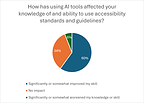
Survey conducted by The Harris Poll on behalf of University of Phoenix finds among those already using AI in the workplace, 60% say AI has improved their knowledge of and ability to use accessibility standards and guidelines.

PHOENIX, July 24, 2026 /PRNewswire/ — As artificial intelligence becomes part of how people work, learn and solve problems, a new University of Phoenix survey conducted by The Harris Poll finds that recent working learners see meaningful opportunities for AI to support accessibility. The survey was designed to understand the impact of AI in the workplace and learning environments on accessibility, defined as ensuring digital content, tools and resources, including AI tools and output, are usable by people with different abilities through inclusive design, use of assistive technology or conformance with accessibility standards, such as the Web Content Accessibility Guidelines (WCAG). The findings are being released ahead of the 36th anniversary of the Americans with Disabilities Act (ADA) on July 26.

The survey, conducted among 1,019 U.S. employed adults who completed a professionally presented training or school course in the past 12 months (“recent working learners”), found that, among workers already using AI in the workplace, 3 in 5 (60%) say AI has improved their knowledge of and ability to use accessibility standards and guidelines, including nearly 1 in 5 (19%) who report significant improvement. 

While the findings point to optimism about AI’s accessibility potential, they also reveal an opportunity for clearer organizational guidance: 45% of respondents say accessibility is absent from, unclear in, or they are uncertain whether it is covered by their workplace AI policies.

“The reality is that accessibility benefits everyone,” shares Kelly Hermann, Vice President of Accessibility and Student Affairs at University of Phoenix. “If accessibility is built in from the beginning, organizations are more likely to create AI-enabled environments that are universally usable. Clearer content, better summaries, accurate captions, and multiple formats can help workers and learners with disabilities, but they also help busy adults, multilingual learners, mobile users, and anyone trying to absorb information quickly.”

Key findings from the survey include:

Workers see AI’s accessibility potential: 89% of recent working learners identify workflows that could benefit from AI and accessibility tools, especially creating accessible documents, presentations, websites or learning materials (38%), presenting information in different formats such as plain language, audio, summaries or translations (33%), and training employees or learners on accessibility practices (30%).AI may help build accessibility awareness: Among those already using AI in the workplace, 60% say AI has improved their knowledge of and ability to use accessibility standards and guidelines.Accessibility is not always clear in workplace AI policies: 45% of recent working learners say accessibility is absent from, unclear in, or they are uncertain whether it is covered by their workplace AI policies.AI tools may not yet fully support different access needs: Among those who use workplace AI tools, only about a quarter of survey respondents (27%) say AI tools available through their workplace or professional learning environment support people with disabilities very well.Human oversight remains important: 36% of recent working learners say human review for important decisions or high-impact work should be part of responsible AI use at work or school.Workers also recognize how AI and accessibility can have an impact on their own career journey: 90% of recent working learners identify AI and accessibility skills that would be valuable in their current or desired career field, including 45% who see value in understanding when AI-generated content needs human review.

Why accessibility is essential to responsible AI adoption

As AI tools are used to draft documents, summarize information, generate captions and transcripts, create image descriptions, support learning and assist with workplace tasks, accessibility becomes central to responsible use. Poorly implemented AI can also create or amplify barriers, including inaccessible content, inaccurate summaries, biased outputs and tools that do not work effectively with assistive technologies.

“Responsible AI is not only about productivity,” Hermann said. “It is about whether the technology works for the people who need to use it. AI can help create more accessible materials and more flexible ways to engage with information, but it still requires clear policies, practical training and human judgment to make sure the outputs are accurate, applicable and usable.”

What the findings mean for employers and educators

The survey suggests that organizations have an opportunity to align AI adoption with supportive design, accessibility practices and workforce training. Employers and educators can take immediate steps by:

Naming accessibility directly in AI policies and guidance.Choosing AI tools with accessibility and assistive technology compatibility in mind.Training workers and learners to create, check and improve accessible AI-generated content.Making support pathways clear for people who experience barriers using AI tools.Keeping human review in place for important decisions, high-impact work and accessibility-sensitive outputs.

The survey also found workers want practical AI training. The most helpful resources identified by recent working learners include real-world examples from their field or industry (36%), hands-on practice using realistic workplace scenarios (34%) and step-by-step demonstrations of common tasks (33%).

Accessibility insights from University of Phoenix

Hermann shared the survey findings ahead of the ADA anniversary in recent media interviews. Hermann oversees the University’s accessibility initiative, including evaluation and remediation of curricular resources, the Center for Access, Resources, Engagement and Support Services (CARES), and the Office of Collaborative Learning and Educational Engagement. Her work focuses on fostering accessible and welcoming educational environments for students, faculty and staff.

Hermann’s office at University of Phoenix also convenes accessibility conversations through initiatives such as Access Amplified™, a free, annual virtual event focused on advancing digital accessibility in web development. The event brings together engineers, developers, designers, content authors and digital strategists for practical strategies and human-centered conversations that address the gap between coding practices and how users with assistive technology experience the web.

About the survey

The survey was conducted online within the United States by The Harris Poll on behalf of University of Phoenix from June 22–29, 2026, among 1,019 employed adults ages 18 and older who have taken a professionally presented training or a school course in the past 12 months, referred to as “recent working learners.” Data were weighted where necessary by age, gender, race/ethnicity, region, education, employment, marital status, household size, household income and smoking status to bring them in line with their actual proportions in the population.

Respondents for this survey were selected from among those who have agreed to participate in surveys. The sampling precision of Harris online polls is measured by using a Bayesian credible interval. For this study, the sample data is accurate to within +/- 3.8 percentage points using a 95% confidence level. This credible interval will be wider among subsets of the surveyed population of interest.

Review the complete survey at phoenix.edu/aiaccessibility.

About University of Phoenix

University of Phoenix is Built for Real Life. 50 Years Strong. The University innovates to help working adults enhance their careers and develop skills in a rapidly changing world through flexible online learning, relevant courses, academic AI pillars, and skills-mapped curriculum for associate, bachelor’s and master’s degree programs. Active students and alumni have access to Career Services for Life® resources including career guidance and tools. For more information, visit phoenix.edu. 

View original content to download multimedia:https://www.prnewswire.com/news-releases/as-ada-anniversary-approaches-university-of-phoenix-survey-highlights-ais-potential-to-advance-accessibility-in-work-and-learning-302834448.html

SOURCE University of Phoenix

Continue Reading

Technology

Mastech Digital to Announce Second Quarter 2026 Financial Results; Participate in Upcoming Investor Conference

Published

on

By

PITTSBURGH, July 24, 2026 /PRNewswire/ — Mastech Digital, Inc. (NYSE American: MHH) (“Mastech Digital”), a leading provider of Digital Transformation IT Services, today announced the date for the release of its financial results for the second quarter ended June 30, 2026, and its participation in an upcoming investor conference.

Second Quarter 2026 Earnings:

Mastech Digital will report its financial results for the second quarter 2026 before the market opens on Thursday, August 6, 2026. Management will host a live conference call and webcast at 9:00 a.m. Eastern Time on that day to discuss the Company’s financial performance and operating results.  The conference call will be hosted by Nirav Patel, President and CEO, and Kannan Sugantharaman, Chief Financial and Operations Officer.

Those wishing to participate via webcast should access the call through Mastech Digital’s Investor Relations website at https://investors.mastechdigital.com. Those wishing to participate via telephone may dial in at 1-800-715-9871 (USA) or 1-646-307-1963 (International) with the passcode 7506988. The replay will be available via webcast through Mastech Digital’s Investor Relations website.

Upcoming Investor Conference:

Mr. Sugantharaman will host a fireside chat at the Sidoti Micro-Cap Investor Conference on Wednesday, August 19, 2026, at 9:15 a.m. Eastern Time.

Mastech Digital management is scheduled to host virtual one-on-one and small group meetings with investors during the conference on August 19-20, 2026. Investors interested in arranging a meeting should contact their Sidoti representative or reach out to the Mastech Digital investor relations team at investors@mastechdigital.com.

About Mastech Digital, Inc.

Mastech Digital (NYSE American: MHH) is a leading provider of Digital Transformation IT Services. The Company offers Data Management, Analytics & AI Solutions, and IT Staffing Services with a digital-first approach. A minority-owned enterprise, Mastech Digital is headquartered in Pittsburgh, PA, with offices across the U.S., Canada, Europe, and India. Visit us at www.mastechdigital.com.

Investor Relations Contact:
investors@mastechdigital.com 


View original content to download multimedia:https://www.prnewswire.com/news-releases/mastech-digital-to-announce-second-quarter-2026-financial-results-participate-in-upcoming-investor-conference-302834421.html

SOURCE Mastech Digital, Inc.

Continue Reading

Technology

SOLAI Limited Announces Extraordinary General Meeting

Published

on

By

AKRON, Ohio, July 24, 2026 /PRNewswire/ — SOLAI Limited (NYSE: SLAI) (“SOLAI” or the “Company”) (previously known as “BIT Mining Limited”), a technology-driven personal AI and digital infrastructure provider, today announced that it will hold its extraordinary general meeting of shareholders at 428 South Seiberling Street, Akron, Ohio, US on August 14, 2026 at 10:00 a.m., New York time.

Holders of record of ordinary shares and preference shares of the Company at the close of business on July 20, 2026, New York time (the “Record Date”) are entitled to receive notice of, and to attend and vote at, the extraordinary general meeting or any adjournment thereof. Holders of the Company’s American Depositary Shares (“ADSs”) who wish to exercise their voting rights for the underlying ordinary shares must act through the depositary of the Company’s ADS program, Deutsche Bank Trust Company Americas.

The notice of the extraordinary general meeting, which sets forth the resolutions to be submitted to shareholder approval at the extraordinary general meeting is available on the Investor Relations section of the Company’s website at https://ir.solai.com

About SOLAI Limited

SOLAI Limited (previously known as “BIT Mining Limited”) (NYSE: SLAI) (previously traded under “BTCM”) is a technology-driven personal AI and digital infrastructure provider. Building upon its historical legacy in digital asset mining and blockchain network operations, the Company is leveraging extensive experience in large-scale hardware deployment, data center operations, and high-performance computing to build the foundational infrastructure for personal AI computing and digital asset ecosystems globally.

For more information:

SOLAI Limited
ir@solai.com
ir.solai.com
www.solai.com 

Christensen Advisory
Jason Ng
Tel: +852-2117-0861
Email: solai@christensencomms.com 


View original content:https://www.prnewswire.com/news-releases/solai-limited-announces-extraordinary-general-meeting-302834034.html

SOURCE SOLAI Limited

Continue Reading

Trending