Technology
Next Generation Lithium Batteries Market to Grow by USD 72 Billion from 2024-2028, Driven by Strategic Partnerships and AI Impact on Trends- Technavio Report
Published
2 years agoon
By
NEW YORK, Sept. 12, 2024 /PRNewswire/ — Report on how AI is redefining market landscape- The global next generation lithium batteries market size is estimated to grow by USD 72 billion from 2024-2028, according to Technavio. The market is estimated to grow at a CAGR of 18.77% during the forecast period. Rise in strategic partnership among market vendors is driving market growth, with a trend towards increase in research and development efforts toward creating more advanced battery chemistries. However, increase in concerns regarding material availability and high cost of next generation lithium batteries poses a challenge. Key market players include Amprius Technologies Inc., Aquion Energy, Bollore SE, BYD Co. Ltd., Contemporary Amperex Technology Co. Ltd., Enevate Corp., Enovix Corp., Farasis Energy GanZhou Co. Ltd, GS Yuasa International Ltd., Ilika, Johnson Controls International Plc., Johnson Matthey Plc, LG Corp., Lohum Cleantech Pvt. Ltd., Lyten Inc., Northvolt AB, Panasonic Holdings Corp., ProLogium Technology Co. Ltd., Rimac Group Ltd., Samsung SDI Co. Ltd., Solid Power Inc., StoreDot., and Sunwoda Electronic Co. Ltd..
Key insights into market evolution with AI-powered analysis. Explore trends, segmentation, and growth drivers- View the snapshot of this report
Next Generation Lithium Batteries Market Scope
Report Coverage
Details
Base year
2023
Historic period
2018 – 2022
Forecast period
2024-2028
Growth momentum & CAGR
Accelerate at a CAGR of 18.77%
Market growth 2024-2028
USD 72 billion
Market structure
Fragmented
YoY growth 2022-2023 (%)
16.48
Regional analysis
APAC, Europe, North America, South America, and Middle East and Africa
Performing market contribution
APAC at 48%
Key countries
China, US, Germany, Japan, and France
Key companies profiled
Amprius Technologies Inc., Aquion Energy, Bollore SE, BYD Co. Ltd., Contemporary Amperex Technology Co. Ltd., Enevate Corp., Enovix Corp., Farasis Energy GanZhou Co. Ltd, GS Yuasa International Ltd., Ilika, Johnson Controls International Plc., Johnson Matthey Plc, LG Corp., Lohum Cleantech Pvt. Ltd., Lyten Inc., Northvolt AB, Panasonic Holdings Corp., ProLogium Technology Co. Ltd., Rimac Group Ltd., Samsung SDI Co. Ltd., Solid Power Inc., StoreDot., and Sunwoda Electronic Co. Ltd.
Market Driver
The next generation lithium batteries market has seen a significant in research and development initiatives to create advanced battery chemistries. This focus on innovation reflects the industry’s commitment to delivering high-performance, sustainable, and cost-effective energy storage solutions for various applications, including electric vehicles (EVs), renewable energy integration, consumer electronics, and grid-scale energy storage. The primary objective is to overcome the limitations of traditional lithium-ion batteries, such as energy density, charging speed, cycle life, and safety. Researchers are investigating alternative materials, advanced electrolytes, and innovative cell designs to achieve breakthroughs in energy storage technology. The global push towards sustainable energy and electrification is fueling the demand for advanced battery chemistries. Governments, industry stakeholders, and research institutions are investing heavily to develop next-generation lithium batteries offering higher energy densities, faster charging capabilities, longer cycle lives, and enhanced safety profiles. Materials science, nanotechnology, and electrochemistry advancements provide opportunities for creating innovative battery chemistries, such as solid-state electrolytes, lithium-sulfur, sodium-ion, and metal-air batteries. Collaboration between academia, industry, and government agencies is also crucial in driving research and development efforts towards advanced battery chemistries. For instance, the Indian Institute of Technology (IIT) Kanpur and LOHUM cleantech Pvt. Ltd partnership aims to improve the sustainability of lithium-ion batteries through academic research and development. Such collaborations are expected to positively impact the growth of the next generation lithium batteries market.
Next-Generation Batteries are making waves in various industries, including electric vehicles (EVs), smart appliances, and electronic gadgets. Traditional batteries like Nickel-metal hydride, Nickel cadmium, and Lithium-ion batteries are being replaced by advanced technologies. Lithium Sulphur (Li-S), Magnesium Ion, and Solid Electrolyte batteries are trending. These new batteries offer longer runtimes, higher power density, and improved safety. The electric vehicle market, consumer electronic appliances, and e-mobility industry are major consumers. Companies like Hyundai Motor and General Motors are investing in Next-Generation advanced batteries for their EVs. The semiconductor industries, aerospace and defense, industrial, oil and gas, and transportation sectors are also adopting these advanced batteries. Ultra-capacitors and Metal Air batteries are also gaining attention for their unique features. Cylinder lithium-ion batteries are popular for their compact size and long life. Next-Generation Flow Batteries and Aluminum-air batteries are promising solutions for clean energy storage. Next-Generation batteries are transforming the battery market, with applications ranging from portable electronics and consumer devices to energy storage systems. The future looks bright for these advanced batteries, with drone flying time and improved performance in electric cars (EVs) being significant benefits.
Request Sample of our comprehensive report now to stay ahead in the AI-driven market evolution!
Market Challenges
The next generation lithium batteries market is experiencing challenges due to material availability issues and high costs. The reliance on critical raw materials like lithium, cobalt, nickel, and rare earth elements in advanced battery chemistries has resulted in supply chain constraints, price volatility, and concerns about resource availability. Geopolitical factors, market disruptions, and ethical sourcing considerations further complicate the material supply chain, creating uncertainties around the stability and sustainability of procuring key battery components. Additionally, the high costs associated with developing next generation lithium batteries with improved energy densities, faster charging capabilities, and enhanced performance necessitate significant investments in research, development, and manufacturing processes, driving up production costs and pricing barriers for end-users. These challenges have influenced investment decisions, technology roadmaps, and strategic planning within the market. Companies are diversifying material sourcing, improving supply chain resilience, and exploring alternative chemistries and materials to mitigate risks associated with material constraints and price fluctuations. Policymakers, industry associations, and stakeholders are addressing supply chain vulnerabilities, supporting domestic sourcing initiatives, incentivizing recycling and circular economy practices, and promoting investments in sustainable material extraction and processing technologies to ensure the long-term viability and competitiveness of next generation lithium batteries. Despite these challenges, the market is expected to grow due to the increasing demand for advanced battery technologies in electric vehicles, renewable energy systems, and consumer electronics.Next-Generation Lithium Batteries: Overcoming Challenges in Consumer Electronics, E-Mobility, and Energy Storage The global market for Next-Generation Lithium Batteries is growing rapidly, driven by the need for higher energy density, longer runtimes, and improved safety in various industries. In consumer electronics, longer battery life is essential for laptops, mobile phones, cameras, and drones. In the electric vehicle market, advancements in battery technology are crucial for extending flying time for drones and improving the range of electric cars (EVs) from companies like Hyundai Motor and General Motors. Semiconductor industries, clean energy, and industrial applications also require Next-Generation advanced batteries for high-performance and renewable energy storage. Challenges include developing batteries with higher power density, such as Magnesium Ion Battery, Next-Generation Flow Battery, Solid Electrolyte Battery, and Metal Air Battery. Aerospace and defense, oil and gas, transportation, and consumer electronics sectors are all investing in these advanced technologies. Gigafactories are being built to mass-produce Li-Ion batteries, replacing older technologies like Ni-Cd batteries and Ni-metal hydride. Companies like Tesla, Panasonic, and LG Chem are leading this charge. The automotive sector, in particular, is undergoing a transformation with the rise of electric vehicles, making the development of next-generation batteries a priority.
Discover how AI is revolutionizing market trends- Get your access now!
Segment Overview
This next generation lithium batteries market report extensively covers market segmentation by
Application1.1 Automotive1.2 Consumer electronics1.3 Energy storage systems1.4 Aerospace and defense1.5 OthersType2.1 Advanced lithium-ion batteries2.2 Lithium-sulfur batteries2.3 Lithium-air batteriesGeography3.1 APAC3.2 Europe3.3 North America3.4 South America3.5 Middle East and Africa
1.1 Automotive- The Next Generation Lithium Batteries market is experiencing significant growth due to increasing demand for electric vehicles and renewable energy storage. Companies are investing heavily in research and development to improve battery efficiency and longevity. Key players include Tesla, LG Chem, and Panasonic. Advancements in technology, such as solid-state batteries and graphene anodes, are expected to drive market growth. The market size is projected to reach USD129.3 billion by 2027.
Download a Sample of our comprehensive report today to discover how AI-driven innovations are reshaping competitive dynamics
Research Analysis
Next Generation Batteries refer to advanced energy storage solutions that offer improved performance, longer life, and greater energy density compared to traditional batteries. These include Nickel-metal hydride, Ultra-capacitors, Lithium Sulphur (Li-S), Magnesium ion, and Lithium ion (Li) batteries. Li-ion batteries are currently dominating the market due to their high energy density and wide usage in Electric Vehicles (EVs) and consumer devices like smartphones and laptops. Other emerging technologies like Lithium sulfur, Solid electrodes, Metal air, and Aluminium-air batteries are expected to revolutionize the industry with their unique features. Next-Generation advanced batteries are crucial for high-performance applications, renewable energy storage, and electric mobility. Companies are investing heavily in research and development and setting up Gigafactories to meet the growing demand for these advanced batteries. The market is expected to grow significantly in the coming years, driven by the increasing adoption of EVs and the need for reliable renewable energy storage solutions.
Market Research Overview
Next Generation Batteries refer to advanced battery technologies that offer improved performance, longer life, and greater energy density compared to traditional batteries. These include Nickel-metal hydride, Ultra-capacitors, Lithium Sulphur (Li-S), Magnesium Ion, Lithium ion (Li), and Nickel cadmium (Ni-Cd. Next-Generation Flow Battery, Solid Electrolyte Battery, Metal Air Battery, and Magnesium Ion Battery are some of the emerging battery technologies. These batteries are finding applications in various sectors such as Electric vehicles, Smart appliances, Consumer electronic appliances, E-mobility industry, Semiconductor industries, and Battery market. Next-Generation advanced batteries are essential for clean energy, enabling longer drone flying time, powering Electric cars (EVs) and Energy storage systems. The market for these batteries is growing rapidly, driven by the demand from the Automotive sector, Aerospace and defense, Industrial, Oil and gas, Consumer electronics, Transportation, and Renewable energy storage. Key applications of Next-Generation batteries include Electric vehicles, Smartphones, Laptops, Mobile phones, Cameras, and Portable electronics. Companies are investing heavily in Gigafactories to produce these high-performance batteries, with Hyundai Motor and General Motors being some of the major players. Other emerging battery technologies include Aluminium-air batteries, which offer high energy density and low cost, and Solid electrodes, which provide improved safety and longer cycle life. The future of battery technology is exciting, with continuous research and development leading to new innovations and applications.
Table of Contents:
1 Executive Summary
2 Market Landscape
3 Market Sizing
4 Historic Market Size
5 Five Forces Analysis
6 Market Segmentation
ApplicationAutomotiveConsumer ElectronicsEnergy Storage SystemsAerospace And DefenseOthersTypeAdvanced Lithium-ion BatteriesLithium-sulfur BatteriesLithium-air BatteriesGeographyAPACEuropeNorth AmericaSouth AmericaMiddle East And Africa
7 Customer Landscape
8 Geographic Landscape
9 Drivers, Challenges, and Trends
10 Company Landscape
11 Company Analysis
12 Appendix
About Technavio
Technavio is a leading global technology research and advisory company. Their research and analysis focuses on emerging market trends and provides actionable insights to help businesses identify market opportunities and develop effective strategies to optimize their market positions.
With over 500 specialized analysts, Technavio’s report library consists of more than 17,000 reports and counting, covering 800 technologies, spanning across 50 countries. Their client base consists of enterprises of all sizes, including more than 100 Fortune 500 companies. This growing client base relies on Technavio’s comprehensive coverage, extensive research, and actionable market insights to identify opportunities in existing and potential markets and assess their competitive positions within changing market scenarios.
Contacts
Technavio Research
Jesse Maida
Media & Marketing Executive
US: +1 844 364 1100
UK: +44 203 893 3200
Email: media@technavio.com
Website: www.technavio.com/
View original content to download multimedia:https://www.prnewswire.com/news-releases/next-generation-lithium-batteries-market-to-grow-by-usd-72-billion-from-2024-2028-driven-by-strategic-partnerships-and-ai-impact-on-trends–technavio-report-302245099.html
SOURCE Technavio
You may like
Technology
Cavli Wireless Launches Cavli360, a Collaborative Industry Magazine Connecting the Global IoT Ecosystem
Published
49 seconds agoon
October 28, 2026By
SAN JOSE, Calif., Oct. 28, 2026 /PRNewswire/ — Cavli Wireless, a global end-to-end IoT solutions provider, has launched the inaugural edition of Cavli360, a new industry publication featuring insights, experiences, and perspectives from across the connected technology landscape.
Officially launched at electronica India 2026 in Bengaluru, Cavli360 is a collaborative platform that brings together insights and perspectives from Cavli Wireless’s leadership team, customers, distributors, technology partners, industry experts, and analysts to spotlight innovations, industry developments, and emerging trends shaping the future of IoT.
Read Cavli360 Edition 1 online: Explore the digital magazine
Reflecting on nearly a decade of innovation and technological advancement, the inaugural edition of Cavli360 features insights from John Mathew, Founder and CEO of Cavli Wireless, on the company’s evolution, technological breakthroughs, and key milestones that have shaped its journey in the cellular IoT industry.
Perspectives from Cavli’s co-founders further shed light on the strategic and operational foundations that have supported the company’s growth over the years, while outlining its vision for the future.
Strategic Growth Highlights
Manufacturing expansion: Plans to triple manufacturing capacity.International growth: Expanding beyond the Indian market to meet growing international demand.Talent development: Shifting from talent acquisition toward nurturing talent and developing capabilities internally.
The magazine also brings together insights from Cavli’s leadership and functional teams, exploring the core capabilities behind its end-to-end IoT ecosystem. Covering hardware architecture, embedded firmware, RF engineering, quality assurance, manufacturing, customer support, and regulatory certifications, the articles highlight the depth of Cavli’s technical expertise and the engineering capabilities that drive its IoT innovations. Contributions from Cavli’s regional sales leaders provide insights into evolving market dynamics, changing customer requirements, and emerging opportunities across international markets.
Additionally, the publication provides a glimpse into Cavli’s end-to-end IoT ecosystem, highlighting its cellular IoT module portfolio, global connectivity powered by MNO/MVNO partnerships, and the Cavli Hubble™ platform that enables seamless connectivity management, remote device management, and lifecycle orchestration across IoT deployments.
Technical and IoT Ecosystem Highlights
Engineering expertise: Hardware architecture, embedded firmware, RF engineering, quality assurance, manufacturing, customer support, and regulatory certifications.Cellular IoT and connectivity: LPWAN, LTE, and 5G cellular IoT modules with integrated eSIM connectivity, powered by global MNO/MVNO partnerships for seamless cellular IoT connectivity.Cavli Hubble™ platform: Connectivity management, remote device management, and lifecycle orchestration across IoT deployments.
Beyond internal perspectives, Cavli360 brings together insights from technology partners, distributors, customers, and industry analysts, offering a broader view of the developments shaping the cellular IoT ecosystem. Expert articles examine key industry trends, including 5G adoption in automotive applications, the convergence of AI and IoT, and the evolution from 5G to 6G. Customer success stories showcase real-world applications of Cavli’s integrated IoT solutions across smart retail, supply chain visibility, smart cities, and other sectors, highlighting their role in simplifying connectivity and enabling connected deployments. Technology partners and distributors also offer additional insights into emerging technologies, regional market dynamics, and growth opportunities across the global IoT landscape.
“IoT growth depends on collaboration across the entire ecosystem, from semiconductor providers and technology partners to device manufacturers and end users. Through Cavli360, we aim to bring these voices together and create meaningful conversations around the future of connectivity. We are excited to share insights into the latest developments and emerging trends shaping the IoT ecosystem through this inaugural edition and future editions of Cavli360,” remarked Alexander Johann Bufalino, CMO & VP of Cloud Services at Cavli Wireless.
Cavli360 Edition 1 is available digitally on the Cavli Wireless website, making it accessible to readers worldwide. Printed copies will also be distributed at various industry events and exhibitions attended by Cavli Wireless and its distribution partners. This includes the upcoming electronica Munich 2026, taking place from November 10–13, at the Trade Fair Center Messe München, Germany, where attendees can collect a copy from the Cavli Wireless Booth C2.628.
Through Cavli360, Cavli Wireless aims to foster a more connected, collaborative, and forward-looking IoT ecosystem, one where ideas spark innovation and shared knowledge drives progress. Cavli360 is more than a magazine; it is a platform for shaping conversations, inspiring innovation, and advancing the future of IoT together.
About Cavli Wireless
Cavli Wireless is a global end-to-end IoT solutions provider enabling organizations to build, deploy, and manage connected products at scale. Cavli’s integrated hardware-to-cloud ecosystem combines cellular IoT modules with built-in eSIM connectivity and Cavli Hubble™, a cloud-based platform for IoT connectivity, device and SIM lifecycle management.
Cavli enables OEMs, ODMs, enterprises, and technology partners to develop and scale connected solutions across automotive, industrial, and smart infrastructure applications through its integrated hardware, connectivity, and cloud capabilities.
Headquartered in the United States with engineering and operational capabilities across key markets, Cavli Wireless works with customers and partners worldwide to simplify connected product development and support scalable IoT deployments.
Mariam Abey George, Junior Associate – Digital Marketing
Cavli Wireless
mariam.george@cavliwireless.com
cavliwireless.com
View original content to download multimedia:https://www.prnewswire.com/news-releases/cavli-wireless-launches-cavli360-a-collaborative-industry-magazine-connecting-the-global-iot-ecosystem-302921780.html
SOURCE Cavli Inc.
Technology
Whoscall, GASA and Mastercard Release the 2026 Asia Scam Report: Hong Kong
Published
51 seconds agoon
October 28, 2026By
More Than 80% of Hong Kong Respondents Encountered Scams; Phone Calls and SMS Remain the Leading Channels and bank account transfers by scammers is significantly above the Asia average at 43%
Impersonation Scams Are the Most Common, While More Than 60% of Victims Have Been Scammed More Than Once
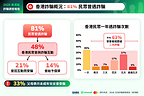
HONG KONG, Oct. 28, 2026 /PRNewswire/ — The Global Anti-Scam Alliance (GASA), Whoscall, the anti-scam app developed by TrustTech company Gogolook, and Mastercard have jointly released the 2026 Asia Scam Report: Hong Kong. The report examines how people in Hong Kong encounter scams, the tactics scammers use, how victims are asked to pay, and the effects of being scammed. It finds that 81% of respondents encountered a scam in the past year, while 48% interacted with a scammer. Phone calls and SMS remain the most common points of contact, and WhatsApp leads among individual digital platforms.
81% Encountered Scams; 27% of Victims Were Scammed Five Times
According to the report, 81% of Hong Kong respondents encountered a scam in the past year. Nearly half (48%) interacted with a scammer; 21% lost money following an interaction, and 14% provided personal information. The risk also extends to younger people: 33% of parents surveyed said their underage children had been scammed.
Among respondents who had been scammed, approximately 63% had been victimized more than once. More than a quarter (27%) said they had been scammed five times, while another 6% reported more than five incidents. These findings point to the need for continued support after an initial scam, including guidance that helps victims recognize and avoid subsequent attempts.
“One of the most striking findings in Hong Kong is the gap between confidence and vulnerability. While 76% of adults believe they can recognize a scam, nearly half of those exposed still interacted with one. Awareness is important, but consumers cannot be expected to carry the burden alone. Stronger prevention and intervention across the scam journey are essential,” said Brian D. Hanley, Chapter Director Asia-Pacific, Global Anti-Scam Alliance (GASA).
Jeff Kuo, Co-founder and CEO of Gogolook, said: “Scams now reach people through everyday channels, from phone calls and texts to messaging apps. More than 60% of scam victims in Hong Kong have been scammed more than once, highlighting the need for continued scam prevention education. Through our work with GASA, we hope to turn these findings into greater awareness and stronger protection. Gogolook will keep improving its technology to help people identify scams.”
Rajat Maheshwari, GASA Inaugural Chapter Chair and Senior Vice President, Strategic Growth (AP), Mastercard shared, “Hong Kong has put in place a strong range of measures to combat scams, offering valuable learnings for markets around the world. As scams continue to evolve, the GASA report highlights the opportunity to build on this progress through deeper collaboration across the wider ecosystem, supported by technology and a greater focus on preventive and behavior-based measures. Continued public-private partnership will be essential to staying ahead of emerging threats and helping protect people from scam-related losses.”
Top Three Scam Channels Revealed; WhatsApp Leads Digital Platforms at Nearly 70%
Phone calls (59%) and SMS (52%) were the channels through which Hong Kong respondents most commonly encountered scams, followed by messaging apps (47%) and email (41%). Compared with 2025, the share reporting scam contact by phone was unchanged, SMS fell by two percentage points, and messaging apps rose by four percentage points. The report also found that around 80% of scam contact occurred on platforms with private messaging capabilities, underscoring the need to scrutinize suspicious requests that move from calls or texts into private conversations.
Among individual digital platforms, WhatsApp ranked first at 68%. Hong Kong Police recently reported receiving around 50 cases of WhatsApp account hijacking in the first week of October, with losses totaling nearly HK$20 million. Many of the cases involved cryptocurrency or investment pretexts. Gmail (32%) and Facebook (28%) followed WhatsApp, while Instagram (22%) and Telegram (17%) also featured prominently. Whoscall advises people to verify a contact through a separate, trusted channel, even when a message arrives on a familiar platform or appears to come from a friend, business or public agency.
Impersonation Encountered by Over 80% of Respondents, Followed by Investment and Shopping Scams
Impersonation was the most widely encountered scam type, reported by 81% of Hong Kong respondents; 17% had interacted with someone carrying out such a scam. Scammers may pose as Hong Kong Police, the Department of Health or mainland law enforcement officials, claim that a person is implicated in a crime, and demand passwords or access to assets for a purported investigation. Others may impersonate banks, major telecommunications providers or online shopping platforms, using claims of account problems or order cancellations to obtain personal information, passwords or remote access to a device.
Investment scams followed at 78%, while shopping scams reached 71%. Respectively, 17% and 16% of respondents had interacted with scammers using these approaches. Other commonly encountered schemes included prize scams (68%), fake invoice scams (64%), identity theft (62%) and romance scams (61%). In addition, 55% had encountered offers claiming to help recover money lost to a scam. Such approaches warrant particular caution from people who have already suffered a loss.
Bank Transfers Are the Most Common Payment Method; Harm Extends Beyond Financial Loss
Among respondents who paid a scammer, 43% did so by bank transfer, above the Asia-wide average of 36%. Mobile payment apps and credit cards each accounted for 25%, followed by e-wallets at 24%. Physical or digital gift cards, cash, and payment tools within websites each accounted for 21%. The trend shows scammers favor immediate and irrevocable payment methods that increase in abuse rates in Hong Kong. This will require more advance interventions to secure these immediate payment rails in Hong Kong.
The report also examined the broader effects of scams on people in Hong Kong. Beyond financial loss, 33% said the experience had damaged their confidence and caused them to question themselves, 28% worried about being scammed again, and 23% had become less trusting of the internet or digital tools. The effects reached into daily life: 23% needed financial help from friends or family, and another 23% reported a greater need to borrow money. Both figures exceeded the Asia-wide averages.
When faced with a suspicious message or request, Whoscall recommends pausing before taking action and checking the sender’s identity using information from an official website. Anti-scam tools can also help assess unfamiliar numbers, links and messages. Anyone who has been scammed should seek help from the relevant authorities or organizations promptly and remain alert to subsequent offers to recover their money, which may be another scam attempt.
To help people navigate changing scam tactics, Whoscall offers more than caller identification. Its Check feature lets users assess suspicious phone numbers, URLs and screenshots in one place. Whether they receive an unfamiliar message or a promotional email, users can upload a screenshot or photograph a physical flyer for an AI-powered assessment of potential risks. They can also share the results with friends and family, helping others recognize suspicious content before they engage with it.
The full 2026 Asia Scam Report – Hong Kong is available on the GASA website:
https://gasa.org/knowledge-base?content_group=318467252980&page=1
For more information about the Global Anti-Scam Summit Asia 2026, visit:
https://events.gasa.org/gass-asia-2026
About Whoscall
The Whoscall app, a digital anti-scam tool, is designed to protect users across various scenarios from scams and spams, including phone calls, text messages, and links. With over 100 million downloads worldwide, it boasts the most comprehensive database in East and Southeast Asia, encompassing over 2.6 billion phone numbers, and collects data from partner ScamAdviser to form a leading digital anti-scam database. The Whoscall team has been dedicated to developing anti-scam technology for over a decade, employing AI to analyze and simulate the patterns of scam groups, proactively preventing the spread of scams. At the same time, Whoscall actively engages in building a community collaboration mechanism with its users, playing a role with societal impact in digital anti-scam services from educational initiatives, cross-sector collaboration to product innovation. Recognized and chosen for partnerships by the Taiwan National Police Agency, Thai Royal Police and NCSA, Royal Malaysia Police and CyberSecurity Malaysia, the Philippines Cybercrime Investigation and Coordinating Center, Financial Supervisory Service of South Korea, and local governments in Japan.
For more information, please refer to: https://whoscall.com/en
View original content to download multimedia:https://www.prnewswire.com/apac/news-releases/whoscall-gasa-and-mastercard-release-the-2026-asia-scam-report-hong-kong-302921783.html
SOURCE Whoscall; Gogolook
Technology
“All Access with Andy Garcia” Explores Data Loss Prevention and Recovery with Secure Data Recovery Services
Published
53 seconds agoon
October 28, 2026By
Educational segment examines how preparation, backup strategies, and specialized recovery services help protect individual and business data amid rising vulnerabilities.
CLEVELAND, Oct. 28, 2026 /PRNewswire/ — “All Access with Andy Garcia” features Secure Data Recovery Services in an educational segment that highlights the critical importance of professional data recovery solutions in an era of growing digital vulnerability. Filmed on May 21, 2026, the segment began commercial and Public Television distribution in September 2026.
Family photos, professional records, and business systems all depend on digital storage that can be affected by hardware failure, human error, or ransomware. The segment examines the importance of planning before an incident occurs, including establishing backup strategies and testing response plans. Viewers learn how preparation can help limit disruption and reduce the risk of permanent loss.
The series takes viewers inside the specialized science of recovering data from damaged or compromised devices, and explains why preparation matters before a crisis occurs. Secure Data Recovery shares insights into cleanroom recovery for storage devices, ransomware recovery techniques, and the research required to understand evolving storage technologies. As devices become more complex, the company’s specialists study how storage technologies are designed and behave, developing recovery methods before customers need them.
The company’s work also reveals how recovery experience can inform prevention. The need to return recovered files securely inspired the development of hardware-encrypted drives, while lessons with ransomware recovery reinforced the importance of user education and disaster recovery planning. From creating and storing information to recovering it, and ultimately securely destroying it, the segment offers a broader look at responsible data management. As the company’s staff emphasize, data loss is not a question of “if,” but “when,” making informed preparation an essential part of protecting valuable digital assets.
“Being featured on All Access is a testament to our entire team’s dedication,” said Sergey Gulyayev, CEO of Secure Data Recovery. “We are committed to providing the highest level of service to our clients when they are most vulnerable, and we are honored that this commitment has been recognized by such a respected outlet.” He added: “We invest in client education and preparedness; the best outcome for everyone is a client who never needs emergency recovery because they had the right strategy in place.”
About All Access
Hosted by actor, director, and producer Andy Garcia, “All Access with Andy Garcia” brings educational stories to Public Television stations nationwide. Through expert perspectives and compelling storytelling, the series explores developments in science, business, healthcare, education, and more, helping audiences better understand the ideas and efforts shaping their communities and the world around them. Learn more at www.allaccessptv.com.
About Secure Data Recovery
Secure Data Recovery is an industry leader in professional data recovery, delivering secure, reliable solutions for organizations and individuals facing complex data loss or ransomware attacks. Backed by advanced technology, state-of-the-art facilities, and a dedicated team of engineers, the company specializes in recovering data from hard drives, RAID arrays, SSDs, mobile devices, and more. By combining specialized expertise, global operations, and industry leadership, Secure Data Recovery delivers high success rates, certified data security practices, and a customer-focused approach that includes free, comprehensive diagnostic analyses, no-obligation price quotes, and 24/7 emergency support — giving customers peace of mind and efficient results during critical data emergencies.
Secure Data Recovery is headquartered in Cleveland, OH, USA.
For additional information, please visit https://www.securedatarecovery.com.
View original content to download multimedia:https://www.prnewswire.com/news-releases/all-access-with-andy-garcia-explores-data-loss-prevention-and-recovery-with-secure-data-recovery-services-302921653.html
SOURCE All Access
Cavli Wireless Launches Cavli360, a Collaborative Industry Magazine Connecting the Global IoT Ecosystem
Whoscall, GASA and Mastercard Release the 2026 Asia Scam Report: Hong Kong
“All Access with Andy Garcia” Explores Data Loss Prevention and Recovery with Secure Data Recovery Services
Send Rakhi to UK swiftly with UK Gifts Portal
Whiteboard Series with NEAR | Ep: 45 Joel Thorstensson from ceramic.network
Nullmax and Renesas Forge Strategic Partnership to Deliver Competitive ADAS Solutions for the Global Market
Why You Should Build on #NEAR – Co-founder Illia Polosukhin at CV Labs
Whiteboard Series with NEAR | Ep: 45 Joel Thorstensson from ceramic.network
NEAR End of Year Town Hall 2021: The Open Web World, MetaBUILD 2 Hackathon and 2021 recap
Trending
-
Technology5 days agoMiami Startup BOB Raises $5.5M To Build An AI-Powered Banking Platform
-
Coin Market5 days agoCysic dangles a 10% bounty, hacker pours loot into Tornado Cash
-
Technology5 days agoKin Becomes First U.S. Home Insurer to Enable WebMCP for AI Shopping
-
Coin Market4 days agoWells Fargo and five others object to OKX-ICE tokenized stock listings: Report
-
Technology5 days agoEnigmata Joins Finovifi Marketplace to Support AI Data Protection and Privacy-Preserving Analytics
-
Coin Market4 days agoIRS plans lower tax disclosure penalties, including for crypto: Forbes
-
Technology4 days agoModern Wealth Law Founder John Wong Recognized for Over 10 Years as a State Bar of California Certified Specialist
-
Technology5 days agoCity of Hope Cancer Center Chicago Unites Industry Leaders for Health Technology Innovation Roundtable