Connect with us

Technology

AI is Redefining the Light Rail Market, Revenue to Grow by USD 3.74 Billion from 2024-2028 Due to Urban Expansion – Technavio Report

Published

on

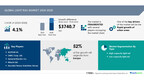
NEW YORK, Sept. 13, 2024 /PRNewswire/ — Report with market evolution powered by AI- The global light rail market  size is estimated to grow by USD 3.74 billion from 2024-2028, according to Technavio. The market is estimated to grow at a CAGR of  4.1%  during the forecast period.  Rapid growth of urban areas is driving market growth, with a trend towards high investment by governments in light rail. However, volatility in prices of raw materials  poses a challenge. Key market players include ALSTOM SA, CRRC Corp. Ltd., General Electric Co., Hitachi Ltd., Hyundai Heavy Industries Group, Kawasaki Heavy Industries Ltd., Kintetsu Group Holdings Co. Ltd., Knorr Bremse AG, Mitsubishi Heavy Industries Ltd., Mott MacDonald, Parsons Corp., Pesa Group, Samvardhana Motherson International Ltd., Schunk GmbH, Siemens AG, Stadler Rail Ag, SYSTRA SA, Thales Group, WESTINGHOUSE AIR BRAKE TECHNOLOGIES CORP., and WSP Global Inc..

AI-Powered Market Evolution Insights. Our comprehensive market report ready with the latest trends, growth opportunities, and strategic analysis- View your snapshot now

Forecast period

2024-2028

Base Year

2023

Historic Data

2018 – 2022

Segment Covered

Type (High capacity light rail and Low capacity light rail), Application (Intra-city transport and Inter-city transport), and Geography (Europe, APAC, North America, Middle East and Africa, and South America)

Region Covered

Europe, APAC, North America, Middle East and Africa, and South America

Key companies profiled

ALSTOM SA, CRRC Corp. Ltd., General Electric Co., Hitachi Ltd., Hyundai Heavy Industries Group, Kawasaki Heavy Industries Ltd., Kintetsu Group Holdings Co. Ltd., Knorr Bremse AG, Mitsubishi Heavy Industries Ltd., Mott MacDonald, Parsons Corp., Pesa Group, Samvardhana Motherson International Ltd., Schunk GmbH, Siemens AG, Stadler Rail Ag, SYSTRA SA, Thales Group, WESTINGHOUSE AIR BRAKE TECHNOLOGIES CORP., and WSP Global Inc.

Key Market Trends Fueling Growth

The light rail market is experiencing significant growth due to increased government investment in this sustainable and efficient public transit solution. With urban populations growing and cities facing congestion and environmental concerns, governments are turning to light rail as an answer. In May 2023, the Biden-Harris administration allocated over USD700 million in grants to modernize six US transit systems’ passenger railcars. This funding not only expands existing networks but also initiates new light rail projects in cities previously relying on buses or personal vehicles. The influx of public funds stimulates demand for rail infrastructure, rolling stock, and related technologies, creating a positive ripple effect. Additionally, these projects are often part of broader urban renewal initiatives, fostering economic development along rail corridors. The commitment to light rail also aligns with global efforts to decrease carbon emissions and enhance urban air quality. As a result, the light rail market is thriving, with manufacturers, construction firms, and technology providers all benefiting from this trend. Government investment is predicted to continue fueling market expansion throughout the forecast period. 

The Light Rail Market is experiencing significant growth due to increasing demand for energy-efficient, sustainable transportation in urban areas. Public transport is becoming a priority as traffic congestion continues to be a challenge. Refurbishment of existing rolling stock, including axles, wheelsets, traction motors, pantographs, and passenger information systems, is driving industrial activity. Mining and freight industries also utilize light rail for transportation. Shared mobility solutions are trending, with higher capacity, low-floor vehicles offering a better passenger experience. Sustainable mobility initiatives, such as electrification and carbon emissions reduction, are key factors. Smart technologies like mobile ticketing, real-time information, IoT sensors, automatic collision avoidance, and video surveillance enhance the passenger experience. Light rail vehicles serve both passenger and freight transportation on dedicated tracks, making them a viable alternative to heavy rail systems and metro systems. 

Insights on how AI is driving innovation, efficiency, and market growth- Request Sample!

Market Challenges

The global light rail market faces challenges due to the volatility in raw material prices, particularly for essential components like steel, aluminum, and cast iron. This price instability can negatively impact market growth as it increases production costs, which may be passed on to consumers. Raw material prices fluctuate based on market demand and supply, currency fluctuations, and geopolitical tensions. For instance, the price of iron ore, a key component, has risen due to high demand and supply shortages, reaching approximately USD120 per dry metric ton unit (dmtu) in May 2024, up from approximately USD104 per dmtu in May 2023. The ongoing conflict between Russia and Ukraine has caused aluminum prices to grow, adding to the market uncertainty. These price fluctuations directly impact the cost of light rails and affect the profit margins of stakeholders in the value chain. Import and export tariffs also vary by region, complicating the pricing structure of raw materials and posing challenges to the growth of the global light rail market.The Light Rail Market is experiencing significant growth in urban transportation, particularly for passenger services. Challenges include supplying both lower and higher capacity vehicles for different demand levels. Dedicated tracks are essential for efficient operation, but infrastructure costs can be high. Sustainable transportation is a priority, with electrification and carbon emissions reduction key considerations. Rapid transit via light rail vehicles offers a more sustainable alternative to heavy rail systems and freight transportation. Urban areas benefit from improved public transportation, with a focus on passenger experience. Mobile ticketing, real-time information, and smart technologies enhance the user experience. IoT sensors, automatic collision avoidance, and video surveillance contribute to safety and reliability. Light rail vehicles come in various configurations, including low-floor and high-floor designs, for easy access and interconnecting cities. The market faces competition from other transportation services, including metro systems and long-distance routes. The market requires continuous innovation, including advancements in passenger capacity, electrification, and smart technologies to meet the evolving needs of urban transportation. Rail supply must adapt to these demands while maintaining cost-effectiveness.

Insights into how AI is reshaping industries and driving growth- Download a Sample Report

Segment Overview 

This light rail market report extensively covers market segmentation by

Type 1.1 High capacity light rail1.2 Low capacity light railApplication 2.1 Intra-city transport2.2 Inter-city transportGeography 3.1 Europe3.2 APAC3.3 North America3.4 Middle East and Africa3.5 South America

1.1 High capacity light rail-  The light rail market is a significant segment of the public transportation industry. It offers an efficient, cost-effective, and eco-friendly alternative to traditional bus and car commuting. Light rail systems connect urban areas, reducing traffic congestion and promoting sustainable urban development. These systems are reliable, frequent, and convenient, making them a popular choice for commuters. The market is expected to grow due to increasing urbanization and government investments in public transportation infrastructure. Companies like Bombardier, Siemens, and Alstom dominate the market with their innovative solutions and strong customer base.

Download complimentary Sample Report to gain insights into AI’s impact on market dynamics, emerging trends, and future opportunities- including forecast (2024-2028) and historic data (2018 – 2022)

Research Analysis

The light rail market is experiencing significant growth as public transport becomes an increasingly important solution to traffic congestion in urban areas. Light rail systems offer energy-efficient transport options, reducing carbon emissions and contributing to sustainable urban transportation. Industrial activity and mining sectors are major consumers of light rail transportation services due to the need for heavy cargo movement. Refurbishment of existing rolling stock is a key trend in the market, extending the life of existing assets and reducing the need for new purchases. Light rail vehicles come in various capacities, including lower and higher floor models, catering to inner city and interconnecting cities’ transportation needs. Components such as pantographs, axles, wheelsets, traction motors, passenger information systems, and air conditioning systems are essential for the efficient operation of light rail vehicles. Dedicated tracks distinguish light rail from other transportation modes, providing a smoother and faster ride. Metro systems and heavy rail systems are different from light rail, with the latter offering more flexibility in route design and lower infrastructure costs. Shared mobility solutions are also integrating with light rail systems, enhancing urban transportation options and promoting sustainable transportation.

Market Research Overview

The Light Rail Market is experiencing significant growth due to the increasing demand for energy-efficient and sustainable transportation solutions in urban areas. Traffic congestion is a major challenge in many cities, making public transport an attractive alternative. Light rail systems, also known as trams or streetcars, offer a viable solution with their dedicated tracks and ability to carry both passengers and freight. Refurbishment of existing rolling stock is a key industrial activity in the light rail market. Components such as pantographs, axles, wheelsets, traction motors, passenger information systems, and air conditioning systems are regularly upgraded to improve efficiency and passenger experience. The light rail market caters to both passenger and freight transportation needs. Rapid transit systems, metro systems, and heavy rail systems are all part of this market. Sustainable transportation is a major focus, with a reduction in carbon emissions being a key goal. Smart technologies such as mobile ticketing, real-time information, IoT sensors, automatic collision avoidance, and video surveillance are increasingly being integrated into light rail vehicles to enhance the passenger experience. The market also offers both lower and higher capacity vehicles, as well as low-floor and high-floor options, to cater to different transportation demands. The light rail market serves both inner city and interconnecting cities, making it an essential part of urban transportation infrastructure. The market is expected to continue growing as the demand for transportation services increases and the need for sustainable mobility solutions becomes more pressing. Rail supply companies are investing heavily in research and development to meet the evolving needs of the market.

Table of Contents:

1 Executive Summary
2 Market Landscape
3 Market Sizing
4 Historic Market Size
5 Five Forces Analysis
6 Market Segmentation

TypeHigh Capacity Light RailLow Capacity Light RailApplicationIntra-city TransportInter-city TransportGeographyEuropeAPACNorth AmericaMiddle East And AfricaSouth America

7 Customer Landscape
8 Geographic Landscape
9 Drivers, Challenges, and Trends
10 Company Landscape
11 Company Analysis
12 Appendix

About Technavio

Technavio is a leading global technology research and advisory company. Their research and analysis focuses on emerging market trends and provides actionable insights to help businesses identify market opportunities and develop effective strategies to optimize their market positions.

With over 500 specialized analysts, Technavio’s report library consists of more than 17,000 reports and counting, covering 800 technologies, spanning across 50 countries. Their client base consists of enterprises of all sizes, including more than 100 Fortune 500 companies. This growing client base relies on Technavio’s comprehensive coverage, extensive research, and actionable market insights to identify opportunities in existing and potential markets and assess their competitive positions within changing market scenarios.

Contacts

Technavio Research
Jesse Maida
Media & Marketing Executive
US: +1 844 364 1100
UK: +44 203 893 3200
Email: media@technavio.com
Website: www.technavio.com/

View original content to download multimedia:https://www.prnewswire.com/news-releases/ai-is-redefining-the-light-rail-market-revenue-to-grow-by-usd-3-74-billion-from-2024-2028-due-to-urban-expansion—technavio-report-302246492.html

SOURCE Technavio

Continue Reading
Click to comment

Leave a Reply

Your email address will not be published. Required fields are marked *

Technology

Weichai’s Five Tech Routes Global Debut: Diverse Paths to a Green, Smart Future

Published

on

By

HANOI, Vietnam, July 25, 2026 /PRNewswire/ — At VEC in Vietnam on July 21, the Shandong Heavy Industry global partners conference & green intelligent products expo opened. Responding to the green transition of global commercial vehicles and heavy equipment, Weichai – with decades of expertise – unveiled five core tech routes: BEV, HEV, PEMFC, alternative-fuel ICE, and ADAS. Through full-chain proprietary control and breakthroughs, it provides efficient, low-carbon, intelligent power solutions to the global market.

Battery electric vehicle powertrain: full-chain deployment and high-efficiency recharging: Weichai masters core battery, motor, and e‑control technologies. Its CT100 battery – for heavy tractors and dump trucks – features integrated design and triple insulation, delivering better reliability, efficiency, safety, and speed. The WMS3200 drive system, tailored for heavy‑truck haulage, boosts efficiency and cuts vehicle power consumption. The WMC‑L/H/B integrated controllers offer stable, efficient control for light trucks, heavy trucks, and buses.

Hybrid electric vehicle powertrain: deep integration and ultra-long range: Weichai covers series, parallel, and series-parallel architectures, deeply integrating engine and e-drive. For urban logistics, the WP2.5T range extender offers quick response and low noise; for long-haul transport, the WP3NNG natural-gas range extender uses a “pure electric for short hauls, range-extended for long hauls” mode, with over 1,000 km combined range, easing range anxiety.

Proton exchange membrane fuel cell: zero-carbon leadership: Weichai has built a full-chain hydrogen energy system covering components, stacks, and systems. The WEF300 fuel cell engine has been deployed in volume in 49-ton heavy-duty trucks, suitable for long-haul and port logistics. The WEFG500 power generation system provides megawatt-class scalable power to support data centers and industrial plants.

Alternative fuel internal combustion engine: diverse clean-energy options and exceptional cost-effectiveness: Modular design enables flexible switching between H₂ and methanol. WP15DI hydrogen ICE peaks at 46.8% thermal efficiency; WP17T methanol ICE targets heavy‑equipment energy use, cuts operating costs, and is mass‑deployed in 130‑ton mining trucks.

Intelligent driving assistance system: vehicle-road-cloud collaboration: Weichai built a vehicle‑road‑cloud full‑stack architecture, with mining autonomous solution for cm‑level docking & obstacle avoidance, and trunk‑line ADAS with intelligent cruise & auto lane‑change, boosting high‑speed safety and economy.

Going forward, Weichai will keep iterating these five tech routes with global partners to advance sustainable manufacturing.

View original content to download multimedia:https://www.prnewswire.com/apac/news-releases/weichais-five-tech-routes-global-debut-diverse-paths-to-a-green-smart-future-302834548.html

SOURCE Weichai Group

Continue Reading

Technology

Portland General Electric declares dividend

Published

on

By

PORTLAND, Ore., July 24, 2026 /PRNewswire/ — The board of directors of Portland General Electric Company (NYSE: POR) declared a quarterly common stock dividend of $0.55125 per share.

The company’s dividend is evaluated based on capital requirements and financial performance. PGE targets a dividend payout ratio of 60 to 70% over the long term.

The quarterly dividend is payable on or before October 15, 2026, to shareholders of record at the close of business on September 25, 2026.

About Portland General Electric Company
Portland General Electric (NYSE: POR) is an integrated energy company that generates, transmits and distributes electricity to nearly 960,000 customers serving an area of approximately 2 million Oregonians. Since 1889, Portland General Electric (PGE) has been powering economies, delivering safe, affordable and reliable electricity while working to transform energy systems to meet evolving customer needs. PGE continues to make progress towards emissions reduction targets, and customers have set the standard for prioritizing clean energy with the No. 1 voluntary renewable energy program in the country. PGE is ranked a top ten utility in the 2025 Forrester U.S. Customer Experience Index. In 2025, PGE employees and retirees volunteered over 18,300 hours to more than 400 nonprofits organizations. Through the PGE Foundation, along with corporate contributions and the employee matching gift program, more than $5 million was directed to charitable organizations supporting economic growth and community resilience across our service area. For information: portlandgeneral.com/news.

Safe Harbor Statement

This press release contains forward-looking statements within the meaning of the Private Securities Litigation Reform Act of 1995. Forward-looking statements are based on assumptions about the future, involve risks and uncertainties, and are not guarantees. Future results may differ materially from those expressed or implied in any forward-looking statement. These forward-looking statements represent our estimates and assumptions only as of the date of this press release. We assume no obligation to update or revise any forward-looking statement as a result of new information, future events or otherwise.

Forward-looking statements include statements, other than statements of historical or current fact, regarding the Company’s amount and timing of dividends payable as well as other statements containing words such as “committed to,” “targets,” or similar expressions.

There can be no assurance that future dividends will be declared. The declaration of future dividends is subject to approval of our board of directors and various risks and uncertainties, including, but not limited to: our cash flow and cash needs; the timing or amount of dividends paid; the timing or outcome of various legal and regulatory actions; changes in the Company’s business strategy; increases in capital expenditures; changes in capital and credit market conditions, including volatility of equity markets as well as changes in PGE’s credit ratings and outlook on such credit ratings restrictions on the payment of dividends under existing or future financing arrangements; changes in tax laws relating to corporate dividends; deterioration in our financial condition or results, and those risks, uncertainties, and other factors identified from time-to-time in our filings with the United States Securities and Exchange Commission (SEC), including our annual report on Form 10-K for the year ended December 31, 2025 and subsequent quarterly reports on Form 10-Q. These reports are available through the EDGAR system free-of-charge on the SEC’s website, www.sec.gov and on the Company’s website, investors.portlandgeneral.com. Investors should not rely unduly on any forward-looking statements. The Company assumes no obligation to update or revise any forward-looking statement as a result of new information, future events or other factors.

Media Contact:
Drew Hanson
Corporate Communications
Phone: 503-464-2067

Investor Contact:
Erin Schwartz
Investor Relations
Phone: 503-464-7751

View original content:https://www.prnewswire.com/news-releases/portland-general-electric-declares-dividend-302834503.html

SOURCE Portland General Company

Continue Reading

Technology

Care Career Announces Acquisition of MAS Medical Staffing, Completing Its First Acquisition Phase and Expanding Annual Revenue Beyond $150 Million, with a Path to Exceed a Quarter Billion by the End of 2026 Through Additional Acquisitions and Organic Growth

Published

on

By

WOODBRIDGE, N.J., July 24, 2026 /PRNewswire/ — Care Career, a rapidly growing healthcare workforce technology organization, today announced the acquisition of MAS Medical Staffing, one of the Northeast’s leading healthcare workforce organizations. Financial terms of the transaction were not disclosed.

The acquisition represents Care Career’s seventh strategic acquisition in the past 24 months, further strengthening the company’s position as one of the largest healthcare workforce organizations in the United States while accelerating its strategy to redefine the future of healthcare workforce management through artificial intelligence, enterprise technology, and workforce innovation.

MAS Medical Staffing has built an outstanding reputation for delivering high-quality workforce solutions through strong client relationships, exceptional clinician engagement, and deep regional expertise throughout the Northeastern United States. The acquisition significantly expands Care Career’s geographic footprint while broadening its access to healthcare professionals, client relationships, workforce data, and regional market intelligence.

Care Career is building a technology-enabled workforce ecosystem powered by its AI-powered workforce platform, where every acquisition contributes not only additional market presence, but also expanded data, enhanced artificial intelligence capabilities, digital innovation, and operational scale that continuously improve the experience for clients and clinicians alike. As the platform grows, every clinician engagement, client interaction, credential, placement, and workforce trend strengthens the intelligence of Career’s technology, creating a continuously improving ecosystem designed to deliver faster, smarter, and more effective workforce solutions.

The acquisition also brings MAS Medical Staffing’s MAESTRA® engagement technology, along with its client relationships and clinician network, directly onto Career’s AI-powered workforce platform. MAESTRA’s scheduling, credentialing, and communication capabilities will be integrated into Care Career’s existing technology stack, further enhancing clinician engagement across onboarding, scheduling, and career management while providing healthcare organizations with greater workforce visibility and operational efficiency.

“Our vision is to build the AI-powered infrastructure that modernizes healthcare workforce management,” said Siva Konatham, Group President and Chief Executive Officer of Care Career. “Under my leadership, Care Career is focused on transforming a fragmented, labor-intensive industry into a data-driven, technology-enabled ecosystem that improves speed, efficiency, and workforce visibility for healthcare providers. Each acquisition strengthens our platform intelligence, expands our scale, and enhances our margin potential. By integrating advanced analytics, AI automation, and digital engagement tools, we are not just growing revenue—we are building a smarter, more scalable model positioned to lead the next era of healthcare workforce solutions.”

The combined organization will leverage expanded recruiting resources, centralized credentialing, advanced workforce analytics, AI-enabled automation, and digital engagement technologies—all powered by Care Career’s AI-powered workforce platform—to deliver broader recruiting capabilities, faster response times, enhanced workforce insights, and expanded national coverage. Clinicians will benefit from a seamless digital experience that simplifies every stage of their careers—from job discovery and credentialing to onboarding, scheduling, communication, and long-term career development.

With seven strategic acquisitions completed in less than two years, representing the first round of acquisitions now totaling more than $150 million in annual revenue, Care Career has rapidly expanded its national presence while executing a disciplined growth strategy focused on technology integration, operational excellence, and workforce innovation. The company has also signed additional Letters of Intent with other entities with expected close dates in the third quarter of 2026. Upon completion of these transactions, coupled with organic growth, Care Career expects consolidated annual revenue to exceed a quarter of a billion dollars by the end of 2026.

The addition of MAS Medical Staffing further strengthens the organization’s ability to serve healthcare systems, hospitals, long-term care providers, outpatient facilities, and other healthcare organizations across an increasingly diverse geographic footprint.

“The healthcare workforce industry is entering a new era where technology, artificial intelligence, and data-driven decision-making will define the market leaders,” Konatham added. “Every acquisition we complete expands the intelligence of our AI-powered workforce platform, enhances the value we deliver to our clients, and creates more opportunities for clinicians. We believe the combination of exceptional people, innovative technology, and strategic scale positions Care Career to lead the next generation of healthcare workforce solutions.”

About Care Career

Care Career is a technology-enabled healthcare workforce solutions company dedicated to transforming how healthcare organizations recruit, engage, credential, deploy, and retain clinical talent. Powered by its proprietary AI-powered workforce platform and supported by advanced artificial intelligence, enterprise technology, and workforce analytics, Care Career is building an intelligent healthcare workforce ecosystem that connects providers and clinicians more efficiently while improving workforce performance, operational effectiveness, and patient care. Following seven strategic acquisitions over the past 24 months the first round of acquisitions totaling more than $150 million in annual revenue and with additional signed LOIs under contract expected to complete shortly, positioning the company to surpass a quarter of a billion dollars in consolidated annual revenue by the end of 2026, Care Career has become one of the nation’s largest and fastest-growing healthcare workforce organizations, serving healthcare providers and clinicians across the United States.

About MAS Medical Staffing

MAS Medical Staffing is a premier healthcare workforce organization recognized for exceptional service, strong client partnerships, and a commitment to connecting healthcare professionals with rewarding career opportunities. With an established presence throughout the Northeastern United States, MAS Medical Staffing has earned a reputation for quality, responsiveness, and delivering workforce solutions that help healthcare providers meet their evolving workforce needs while supporting clinicians throughout every stage of their careers.

View original content to download multimedia:https://www.prnewswire.com/news-releases/care-career-announces-acquisition-of-mas-medical-staffing-completing-its-first-acquisition-phase-and-expanding-annual-revenue-beyond-150-million-with-a-path-to-exceed-a-quarter-billion-by-the-end-of-2026-through-additional-acqu-302834472.html

SOURCE Care Career

Continue Reading

Trending