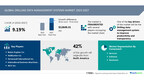
NEW YORK, Sept. 17, 2024 /PRNewswire/ — Report with market evolution powered by AI- The global drilling data management systems market size is estimated to grow by USD 12.6 billion from 2023-2027, according to Technavio. The market is estimated to grow at a CAGR of 9.19% during the forecast period. Drilling data management system to improve productivity and transparency is driving market growth, with a trend towards advent of big data analytics. However, fluctuations in crude oil prices poses a challenge. Key market players include Baker Hughes Co., Halliburton Co., Honeywell International Inc., International Business Machines Corp., NOV Inc., Oracle Corp., Pason Systems Inc., Schlumberger Ltd., Dell Technologies Inc., SAP SE, SAS Institute Inc., Accenture Plc, Capgemini Service SAS, Wipro Ltd., Infosys Ltd., Tata Consultancy Services Ltd., Trackem, and Teradata Corp..
AI-Powered Market Evolution Insights. Our comprehensive market report ready with the latest trends, growth opportunities, and strategic analysis- View your snapshot now
Forecast period
2023-2027
Base Year
2022
Historic Data
2017 – 2021
Segment Covered
Component (Services, Software, and Hardware ), Application (Oil, gas, Energy, and power ), and Geography (North America, Middle East and Africa, Europe, APAC, and South America)
Region Covered
North America, Middle East and Africa, Europe, APAC, and South America
Key companies profiled
Baker Hughes Co., Halliburton Co., Honeywell International Inc., International Business Machines Corp., NOV Inc., Oracle Corp., Pason Systems Inc., Schlumberger Ltd., Dell Technologies Inc., SAP SE, SAS Institute Inc., Accenture Plc, Capgemini Service SAS, Wipro Ltd., Infosys Ltd., Tata Consultancy Services Ltd., Trackem, and Teradata Corp.
Key Market Trends Fueling Growth
The oil and gas industry faces challenges such as the depletion of oil wells, the need for accurate information on new drilling locations, and the requirement to comply with regulations regarding pollution and waste reduction. To address these issues, the industry employs various technologies for efficient drilling operations. Consequently, vast amounts of data are generated, which, when effectively utilized, can revolutionize the sector. Big data analytics, initially popularized by tech giants like Yahoo, Google, and Facebook, is now being adopted in the oil and gas, chemical and petrochemical, and power industries for process analysis. The fusion of SCADA and big data analytics is a burgeoning trend, enabling prompt decision-making, minimizing errors, and identifying problem origins. Big data analytics enables oil and gas companies to analyze historical data and trends to make future predictions. Companies gather data from various processes, including drill tip pressure and oil and energy consumption, to predict optimal drilling locations and minimize expenses. Big data analytics provides actionable insights, enhancing process reliability and improving company efficiency and production. Vendors, such as Emerson Electric Co., are integrating big data analytics into their drilling data management systems and solutions, like the partnership with Microsoft’s Azure platform in September 2019. Though still in its growth phase, the implementation of big data analytics in the oil and gas industry holds the potential to significantly increase productivity, driving the expansion of the global Drilling Data Management Systems market.
In today’s volatile oil and gas industry, effective drilling data management is crucial for optimizing drilling operations and ensuring safety. With states of emergency and lockdowns disrupting traditional data exchange methods, real-time data management systems have gained popularity. Engineering and geoscience systems are essential for drilling engineering parameters, asset team members, and wellbore location tracking. Oil rigs rely on wireless data transfer and software systems for drilling data management. EMC, SAP, Mineral Resource, and Revel Ridge are leading providers. Real-time data exchange formats enable efficient data sharing between rig sites and distribution industry partners. Advanced drilling technologies like horizontal, multilateral wells, and shale oil/gas require data management systems. Cybersecurity concerns are paramount, with conventional reservoir investigation, energy consumption, and asset optimization all depending on secure data exchange. Well control, gas hydrates, and economically viable production are critical drilling management parameters. Drilling data management systems facilitate data exchange between drilling management teams, enabling effective investigation and optimization of drilling operations. In summary, advanced drilling data management systems are vital for the oil and gas industry’s success, providing real-time data exchange, asset optimization, and cybersecurity.
Insights on how AI is driving innovation, efficiency, and market growth- Request Sample!
Market Challenges
The oil and gas industry’s recovery from the 2016 oil price slump continues to influence the Drilling Data Management Systems (DDMS) market. Crude oil production in the US reached an all-time high of 10.07 million barrels per day (b/d) in November 2017. However, various factors, including global supply and demand imbalances, geopolitical tensions, and technological advancements, impact crude oil prices, which in turn affect the DDMS market. A surplus of oil supply or decreased demand can lead to lower crude oil prices, potentially reducing investments in the energy sector and decreasing demand for DDMS. Conversely, higher crude oil prices can increase investments in oil exploration and production, expanding the market for DDMS technologies. Additionally, rising crude oil prices can also boost demand for alternative energy sources, offering opportunities for the DDMS market in the renewable energy sector. Overall, the DDMS market’s growth is closely tied to crude oil price fluctuations during the forecast period.In the Oil and Gas industry, managing drilling data effectively is crucial for asset optimization, well control, and production efficiency. With the rise of advanced drilling techniques like horizontal and multilateral wells, handling data from unconventional resources such as shale oil and shale gas becomes increasingly complex. Cybersecurity concerns are also a major challenge, as drilling data is valuable and sensitive. Drilling management systems must handle data from various sources, including conventional reservoirs and exploration wells. Database administration is essential for real-time analysis and predictive analytics to improve operational efficiency. The requirement for data management extends to coal, crude oil, and gas hydrates. Investments in drilling management systems should focus on economically viable solutions that can handle data from oil rigs in remote areas and account for formation characteristics. Hardware and software solutions must ensure data handling and provide advanced features like rig count monitoring and production rate analysis. The energy demand and tourism industry rely on the Oil and Gas sector’s production, making data management systems a critical component of the financial industry’s internet market. BP Statistical Review of World Energy provides insights into the importance of data management in the industry.
Insights into how AI is reshaping industries and driving growth- Download a Sample Report
Segment Overview
This drilling data management systems market report extensively covers market segmentation by
Component 1.1 Services1.2 Software1.3 HardwareApplication 2.1 Oil2.2 gas2.3 Energy2.4 powerGeography 3.1 North America3.2 Middle East and Africa3.3 Europe3.4 APAC3.5 South America
1.1 Services- Drilling data management systems (DDMS) are essential tools for oil and gas companies to optimize drilling operations. These systems collect, store, and analyze data in real-time, enabling better decision-making and improved drilling performance. DDMS help reduce costs by minimizing non-productive time, enhancing drilling efficiency, and ensuring regulatory compliance. Companies investing in DDMS can gain a competitive edge by gaining valuable insights into drilling operations and predicting potential issues before they become major problems.
Download complimentary Sample Report to gain insights into AI’s impact on market dynamics, emerging trends, and future opportunities- including forecast (2023-2027) and historic data (2017 – 2021)
Research Analysis
Drilling Data Management Systems (DDMS) are essential for optimizing drilling operations in the oil and gas industry. These systems enable real-time data collection, analysis, and management of drilling parameters such as well control, asset optimization, and production rate. DDMS plays a crucial role in horizontal, multilateral well drilling and shale oil and gas exploration and production. Conventional reservoirs and unconventional resources like gas hydrates also benefit from DDMS. Advanced drill engineering systems, geoscience systems, and engineering team members rely on these systems for database administration, wellbore location tracking, and rig site management. Cybersecurity concerns are a growing issue in DDMS, as the systems handle sensitive data. States of emergency, lockdowns, and distribution industry disruptions necessitate data management solutions. Wireless data transmission is increasingly common, enhancing the need for reliable and secure DDMS. DDMS supports various drilling activities, including drilling engineering, asset optimization, well control, and production management. It facilitates collaboration among team members and ensures economically viable drilling operations. DDMS parameters include drilling engineering data, production data, and well control data.
Market Research Overview
The Drilling Data Management Systems market encompasses advanced software and hardware solutions designed to optimize drilling operations in the oil and gas industry. These systems facilitate data handling, real-time analysis, and predictive analytics for asset optimization, well control, and production rate monitoring. They cater to both conventional and unconventional resources, including conventional reservoirs, shale oil, and shale gas. Drilling data management systems are essential for managing drilling parameters, wellbore location, and rig site operations. They enable remote data exchange, wireless data transfer, and data storage in various formats, ensuring compatibility with engineering and geoscience systems. Cybersecurity concerns are a significant consideration in the drilling data management market, as the industry deals with sensitive information. The market also caters to various sectors, such as energy demand, financial industry, tourist industry, distribution industry, and states of emergency, offering solutions for data management during lockdowns and distribution of resources. The market includes various software systems, such as EMC, SAP, Mineral Resource, Revel Ridge, and others, which cater to the requirement of asset team members for investigation, optimization, and energy consumption analysis. The market is driven by the increasing rig count, exploration and production activities, and the need for operational efficiency in drilling engineering. The drilling data management systems market also caters to the exploration and production of coal, crude oil, gas hydrates, and other conventional and unconventional resources. The market offers solutions for managing drilling data from oil rigs, handling data from advanced drills, and monitoring multilateral wells and horizontal wells. The market for drilling data management systems is expected to grow significantly due to the increasing demand for data management solutions in the oil and gas industry, the need for real-time data analysis, and the requirement for optimization of drilling operations to make them economically viable. The market is expected to witness significant investments in the coming years, driven by the increasing number of drilling activities and the need for advanced drilling technologies. In conclusion, the drilling data management systems market plays a crucial role in the oil and gas industry by providing advanced software and hardware solutions for managing drilling data, optimizing drilling operations, and ensuring operational efficiency. The market caters to various sectors and offers solutions for managing data from conventional and unconventional resources, ensuring data security, and facilitating real-time data analysis and predictive analytics. The market is expected to grow significantly in the coming years, driven by the increasing demand for data management solutions in the oil and gas industry and the need for optimization of drilling operations.
Table of Contents:
1 Executive Summary
2 Market Landscape
3 Market Sizing
4 Historic Market Size
5 Five Forces Analysis
6 Market Segmentation
ComponentServicesSoftwareHardwareApplicationOilGasEnergyPowerGeographyNorth AmericaMiddle East And AfricaEuropeAPACSouth America
7 Customer Landscape
8 Geographic Landscape
9 Drivers, Challenges, and Trends
10 Company Landscape
11 Company Analysis
12 Appendix
About Technavio
Technavio is a leading global technology research and advisory company. Their research and analysis focuses on emerging market trends and provides actionable insights to help businesses identify market opportunities and develop effective strategies to optimize their market positions.
With over 500 specialized analysts, Technavio’s report library consists of more than 17,000 reports and counting, covering 800 technologies, spanning across 50 countries. Their client base consists of enterprises of all sizes, including more than 100 Fortune 500 companies. This growing client base relies on Technavio’s comprehensive coverage, extensive research, and actionable market insights to identify opportunities in existing and potential markets and assess their competitive positions within changing market scenarios.
Contacts
Technavio Research
Jesse Maida
Media & Marketing Executive
US: +1 844 364 1100
UK: +44 203 893 3200
Email: media@technavio.com
Website: www.technavio.com/
View original content to download multimedia:https://www.prnewswire.com/news-releases/ai-redefining-drilling-data-management-systems-market-to-grow-by-usd-12-6-billion-2023-2027-with-enhanced-productivity-and-transparency–technavio-report-302250817.html
SOURCE Technavio










 Technology5 days ago
 Technology5 days ago
 Technology5 days ago
 Technology5 days ago
 Technology5 days ago

 Technology5 days ago
 Technology5 days ago