Technology
Lignocellulosic Feedstock-Based Biofuel Market to Grow by USD 33.6 Billion (2024-2028) as Non-Cropland Use Boosts Revenue, AI Powered Report- Technavio
Published
2 years agoon
By
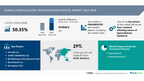
NEW YORK, Sept. 18, 2024 /PRNewswire/ — Report on how AI is driving market transformation- The global lignocellulosic feedstock-based biofuel market size is estimated to grow by USD 33.6 billion from 2024-2028, according to Technavio. The market is estimated to grow at a CAGR of 50.35% during the forecast period. Non-cropland affecting nature of lignocellulosic feedstock is driving market growth, with a trend towards rising ethanol blending rate targets. However, complex and costly conversion process poses a challenge. Key market players include Aemetis Inc., ALTRET GREENFUELS Ltd, BDI BioEnergy International GmbH, Blue Biofuels Inc., Borregaard ASA, China Petrochemical Corp., Clariant International Ltd., COSAN S.A., DuPont de Nemours Inc., ENERKEM Inc., Genera Inc., Gevo Inc., GranBio Investimentos SA, New Energy Blue LLC, Novozymes AS, and VERBIO Vereinigte BioEnergie AG.
AI-Powered Market Evolution Insights. Our comprehensive market report ready with the latest trends, growth opportunities, and strategic analysis- View your snapshot now
Forecast period
2024-2028
Base Year
2023
Historic Data
2018 – 2022
Segment Covered
Conversion Process (Biochemical and Thermochemical), Application (Automotive, Aviation, and Others), and Geography (North America, South America, Europe, APAC, and Middle East and Africa)
Region Covered
North America, South America, Europe, APAC, and Middle East and Africa
Key companies profiled
Aemetis Inc., ALTRET GREENFUELS Ltd, BDI BioEnergy International GmbH, Blue Biofuels Inc., Borregaard ASA, China Petrochemical Corp., Clariant International Ltd., COSAN S.A., DuPont de Nemours Inc., ENERKEM Inc., Genera Inc., Gevo Inc., GranBio Investimentos SA, New Energy Blue LLC, Novozymes AS, and VERBIO Vereinigte BioEnergie AG
The transportation sector’s increasing greenhouse gas (GHG) emissions have prompted governments worldwide to set ambitious emission reduction targets. To address this issue, many countries are mandating the use of biofuels by blending them with gasoline. China, the world’s largest transport fuel market, has recently increased ethanol blending from six to all provinces to reduce air pollution, fossil fuel consumption, and improve energy security. Similarly, several European Union (EU) countries are adopting renewable ethanol to meet renewable and climate targets. These rising ethanol blending rate targets will boost the demand for bioethanol, primarily derived from lignocellulosic feedstocks, and drive the global lignocellulosic feedstock-based biofuel market growth during the forecast period.
The Lignocellulosic Feedstock-Based Biofuel market is on the rise, with trends including the use of Sida hermaphrodita from the Mallow family, halophytes, and feedstocks like Desmostachya bipinnata, Phragmites karka, Panicum turgidum, Brachypodium, and more. Plant Biotechnology is a key driver, focusing on non-cropland sources. The adoption of bioethanol as a transport fuel reduces GHG emissions, with conversion processes using both biochemical and thermochemical methods. Ethanol blending is increasing, making second-generation biofuels a winning imperative. Integrated waste management is essential, and release studies on market synthesis, analyzing multiple parameters like profit, pricing, promotions, and industry influencers. Aviation is a growing sector, with cost and product pricing influenced by political factors, social scenarios, regulations, and spending. Leading and emerging companies expand their company regional and industry footprints, striving for scalability and innovation.
Insights on how AI is driving innovation, efficiency, and market growth- Request Sample!
• Lignocellulosic feedstocks, composed of lignin, hemicellulose, and cellulose, are used to produce biofuels, primarily bioethanol. The production process involves pretreatment, enzymatic hydrolysis, fermentation, and separation. However, the conversion of biomass to sugars is a significant challenge due to the tightly packed cellulose microfibrils and the presence of lignin and hemicelluloses. This limits access of polysaccharides to enzymes during hydrolysis. In fermentation, organisms struggle to efficiently convert pentose sugars, such as arabinose and xylose, and hexoses, including glucose, mannose, and galactose, to ethanol. Other challenges include low microorganism ethanol tolerance, low reaction rates, and incomplete pentose conversion. Commercial production of cellulosic ethanol remains complex and costly due to economies of scale lower than fossil fuels, hindering market growth.
• The Lignocellulosic Feedstock-Based Biofuel Market is experiencing significant growth due to the increasing demand for renewable and sustainable energy sources. However, several challenges persist in this sector. Company benchmarking is crucial to remain competitive, with key players including Mendel Biotechnology, BP Biofuels, Generac Energy, and others. Lignocellulosic feedstocks, derived from cellulose and lignin in biomass, pose unique challenges. These include the complex structure of cellulose and lignin, requiring advanced thermochemical conversion processes like pyrolysis, torrefaction, and gasification. Feedstocks like wood, short rotation coppice, energy grasses, reeds, and various types of miscanthus (Miscanthus giganteus, Miscanthus sinensis) are under exploration. Drop-in biofuels, such as cellulosic ethanol, offer GHG efficiency advantages over traditional diesel. Utilizing marginal lands, including riparian and wetlands, is essential to minimize soil erosion and reduce the competition with food production. Saline soils and water also pose challenges, with feedstocks like reed canary grass (Phalaris arundinacea), giant reedgrass (Arundo donax), and various types of grasses (Giant King Grass, Napier Grass, Elephant Grass, Pennisetum purpureum) showing potential. Plant breeding and biotechnology play a vital role in enhancing feedstock productivity and sustainability. The Poaceae family, which includes switchgrass and willow, is a focus area for research and development. In conclusion, the Lignocellulosic Feedstock-Based Biofuel Market presents numerous opportunities and challenges, requiring continuous innovation and collaboration to overcome hurdles and drive growth.
Insights into how AI is reshaping industries and driving growth- Download a Sample Report
This lignocellulosic feedstock-based biofuel market report extensively covers market segmentation by
Conversion Process1.1 Biochemical1.2 ThermochemicalApplication 2.1 Automotive2.2 Aviation2.3 OthersGeography 3.1 North America3.2 South America3.3 Europe3.4 APAC3.5 Middle East and Africa
1.1 Biochemical- The lignocellulosic feedstock-based biofuel market is experiencing significant growth due to increasing demand for renewable energy sources. This market primarily focuses on converting non-food biomass, such as agricultural waste and wood chips, into biofuels. Key players in this industry include DuPont, Abengoa, and POET, who are investing heavily in research and development to improve production efficiency and reduce costs. Government initiatives and policies supporting renewable energy are further boosting market growth.
Download complimentary Sample Report to gain insights into AI’s impact on market dynamics, emerging trends, and future opportunities- including forecast (2024-2028) and historic data (2018 – 2022)
The lignocellulosic feedstock-based biofuel market refers to the production of biofuels from biomass sources, specifically those rich in cellulose, lignin, and other complex carbohydrates. These feedstocks include wood, short rotation coppice, energy grasses, reeds, and other agricultural residues. The market for these biofuels, which include drop-in biofuels for aviation and diesel, has gained traction due to the adoption of bioethanol as a transport fuel and the potential to reduce greenhouse gas emissions. The cost-effective conversion process involves both biochemical and thermochemical methods, which break down the lignocellulosic material into simpler sugars for fermentation or produce syngas for the production of biofuels through Fischer-Tropsch synthesis. The nature of lignocellulosic feedstocks presents challenges in the conversion process, but ongoing research and technological advancements continue to drive market growth. The biofuel market for lignocellulosic feedstocks is expected to expand significantly as the demand for sustainable and low-carbon transport fuels continues to increase.
The Lignocellulosic Feedstock-Based Biofuel Market is a rapidly growing sector focused on producing biofuels from non-food sources, such as cellulose, lignin, wood, short rotation coppice, energy grasses, reeds, and other plant materials. The market is driven by the need to reduce greenhouse gas (GHG) emissions in the transport sector and the availability of marginal lands for feedstock production. Cost is a significant factor in the market, as the conversion process for lignocellulosic feedstocks is currently more expensive than that of traditional corn-based ethanol. Product pricing and political factors also play a role, with regulations and government spending influencing the industry’s growth. Winning imperatives for companies include scalability, innovation, and leading and emerging technologies such as thermocellulosic conversion, cellulosic ethanol, pyrolysis, torrefaction, gasification, plant breeding, and biotechnology. Companies with a strong regional and industry footprint, such as Mendel Biotechnology, BP Biofuels, Genera Energy, and those focusing on Miscanthus species like Miscanthus giganteus and Miscanthus sinensis, are at the forefront of this market. The market also includes various feedstocks, including halophytes, reed canary grass, and various grasses like Napier Grass, Elephant Grass, Pennisetum purpureum, and Poaceae family members. The use of non-cropland and adoption of bioethanol as a transport fuel is a key trend in the market, with second-generation biofuels and integrated waste management playing essential roles in its future development. This market report, published by a reputable provides in-depth analysis of the market, including company benchmarking, market size, growth trends, and future outlook.
1 Executive Summary
2 Market Landscape
3 Market Sizing
4 Historic Market Size
5 Five Forces Analysis
6 Market Segmentation
Conversion ProcessBiochemicalThermochemicalApplicationAutomotiveAviationOthersGeographyNorth AmericaSouth AmericaEuropeAPACMiddle East And Africa
7 Customer Landscape
8 Geographic Landscape
9 Drivers, Challenges, and Trends
10 Company Landscape
11 Company Analysis
12 Appendix
Technavio is a leading global technology research and advisory company. Their research and analysis focuses on emerging market trends and provides actionable insights to help businesses identify market opportunities and develop effective strategies to optimize their market positions.
With over 500 specialized analysts, Technavio’s report library consists of more than 17,000 reports and counting, covering 800 technologies, spanning across 50 countries. Their client base consists of enterprises of all sizes, including more than 100 Fortune 500 companies. This growing client base relies on Technavio’s comprehensive coverage, extensive research, and actionable market insights to identify opportunities in existing and potential markets and assess their competitive positions within changing market scenarios.
Technavio Research
Jesse Maida
Media & Marketing Executive
US: +1 844 364 1100
UK: +44 203 893 3200
Email: media@technavio.com
Website: www.technavio.com/
View original content to download multimedia:https://www.prnewswire.com/news-releases/lignocellulosic-feedstock-based-biofuel-market-to-grow-by-usd-33-6-billion-2024-2028-as-non-cropland-use-boosts-revenue-ai-powered-report–technavio-302251459.html
SOURCE Technavio
You may like
Technology
Melanie Siewert, Chief Marketing Officer at LHH, Joins the Exceptional Women Alliance (EWA)
Published
25 minutes agoon
May 8, 2026By
LOS ANGELES, May 8, 2026 /PRNewswire/ — The Exceptional Women Alliance (EWA) proudly welcomes Melanie Siewert, Chief Marketing Officer at LHH, into its distinguished community of influential women leaders. A seasoned global marketing executive, Siewert brings more than 20 years of experience transforming brands, building high-performing teams, and driving measurable growth across both B2B and B2C industries.
As Chief Marketing Officer of LHH, Siewert leads global marketing strategy across brand, demand generation, and customer experience. She plays a critical role in aligning marketing with business objectives and fostering strong collaboration with sales to enhance organizational performance and accelerate growth. Her leadership has been instrumental in shaping a modern, customer-centric brand and building a marketing function designed to deliver consistent, high-impact results across a complex global enterprise.
Throughout her career, Siewert has held senior leadership roles at prominent organizations including Truist Financial, Worldpay, Equifax, Whirlpool Corporation, and JPMorgan Chase. She is widely recognized for guiding enterprise brand strategy, leading complex mergers, scaling marketing operations, and delivering measurable gains in pipeline, revenue, and digital adoption.
Siewert’s expertise spans marketing strategy, customer engagement, brand development, sales enablement, and cross-functional leadership. Known for her empowering leadership style and strategic vision, she consistently builds high-performing teams that drive sustainable business growth while fostering collaboration and innovation.
Her accomplishments include:
Leading global marketing strategy for LHH, integrating brand, demand generation, and customer experience to drive business performance.Guiding enterprise brand transformations and go-to-market strategies across multiple global organizations.Driving measurable growth in pipeline, revenue, and digital engagement through data-driven marketing initiatives.Leading marketing efforts through complex mergers and organizational transformations.Serving as a two-time board chair and lifetime member of Strategic & Competitive Intelligence Professionals.Recognized as a Top Woman in Marketing by PRWeek.
“Melanie’s ability to translate complex market dynamics into clear, impactful strategies, combined with her commitment to building strong, collaborative teams, makes her an exceptional addition to EWA,” said Larraine Segil. “Her leadership and results-driven approach align seamlessly with the values of our sisterhood.”
Melanie shared “I’m honored to be part of the Exceptional Women’s Alliance and look forward to learning from the incredible women leaders who are dedicated to lifting other women and impacting the world at large.”
Siewert now joins a powerful and growing community of C-suite and board-level women leaders across disciplines who share a common goal: to support one another through confidential, life-long mentoring relationships and to enrich both their professional and personal lives.
About Exceptional Women Alliance (EWA)
The Exceptional Women Alliance (EWA) is an invitation-only peer mentorship organization where high-level Exceptional Women from across multiple industries are hand-selected and invested in, to grow, learn, share, and succeed. In addition to the achievement of significant success, the criteria for acceptance include character traits that are defining of the EWA Culture – Kindness, the Spirit of Generosity, Transparency, Gratitude, and Willingness to Share their knowledge. The Foundation is a powerhouse of peer-to-peer mentoring that provides guidance, deep connection, and leadership, propelling each woman to sustainable success—one woman at a time. The life-long program enables each participant to be connected as alumnae in the ever-expanding EWA global community, as their fellow women leaders continue to move into positions of significance.
Learn more at www.exceptionalwomenalliance.com
View original content to download multimedia:https://www.prnewswire.com/news-releases/melanie-siewert-chief-marketing-officer-at-lhh-joins-the-exceptional-women-alliance-ewa-302767205.html
SOURCE Exceptional Women Alliance
Technology
Insurance Modernization at Risk as Workforce Strategies Fall Behind, Says Info-Tech Research Group
Published
1 hour agoon
May 8, 2026By
Insurers are under pressure to modernize core systems while competing for scarce cloud, data, AI, and cybersecurity talent. Info-Tech Research Group’s new blueprint, Rebuild Your Talent Engine: Attract and Retain IT Talent in Insurance, outlines a practical framework to help insurance IT and HR leaders assess readiness, strengthen their employee value proposition, and retain the critical roles needed to accelerate transformation.
ARLINGTON, Va., May 8, 2026 /PRNewswire/ – Insurance modernization is increasingly being constrained by the people and capabilities required to deliver it, according to Info-Tech Research Group. The global research and advisory firm’s newly published blueprint, Rebuild Your Talent Engine: Attract and Retain IT Talent in Insurance, provides a structured approach to help insurers attract, retain, and mobilize the IT talent required to support digital transformation.
The firm’s research indicates that many insurers are trying to advance core system modernization while facing shortages in cloud, data, AI, and cybersecurity roles. At the same time, experienced legacy system experts are retiring, creating knowledge gaps that can slow delivery, increase operational risk, and deepen dependence on external partners.
“Insurance modernization cannot succeed if the workforce strategy behind it remains outdated,” says Vidhi Trivedi, senior research analyst at Info-Tech Research Group. “Insurers need an employee value proposition that reflects what both digital and legacy talent value today: flexibility, growth, purpose, and belonging. When organizations connect those expectations to the technology roadmap, they are better positioned to retain institutional knowledge, attract new capabilities, and move transformation forward with confidence.”
Key Workforce Risks Slowing Insurance Modernization
Info-Tech’s blueprint identifies several talent challenges that are limiting insurers’ ability to modernize effectively:
Critical digital skills remain difficult to attract and retain. Cloud engineers, data architects, cybersecurity specialists, and AI-capable technologists are essential to future-state systems, integration, and automation.Legacy expertise is leaving faster than it can be replaced. Core system knowledge remains vital to operations, compliance, and transition planning, yet many long-tenured experts are approaching retirement or feel disconnected from future-state roles.Rigid work models reduce access to high-demand talent. Digital professionals increasingly expect hybrid options, autonomy, modern delivery practices, and environments that support productivity and wellbeing.Growth pathways are not clearly connected to transformation needs. Without structured upskilling, internal mobility, and role progression, insurers risk losing employees to industries perceived as more innovative or career-accelerating.Employer branding often undersells insurance’s purpose and impact. The industry plays a critical role in protecting people, businesses, and communities, but that purpose is not always translated into a compelling technology career story.
Info-Tech’s Three-Phase Framework for Rebuilding the Insurance IT Talent Engine
To help insurers address these challenges, the Rebuild Your Talent Engine: Attract and Retain IT Talent in Insurance blueprint outlines a three-phase methodology:
Assess Talent Readiness for Modernization Success
Insurance IT and HR leaders identify modernization-critical roles, evaluate workforce pressure, assess EVP fit across key roles, and prioritize the roles that pose the greatest risk to transformation timelines.Build and Embed a Modern Employee Value Proposition
Organizations define a clear employer-employee value exchange, establish proof points across the four EVP pillars of flexibility, growth, purpose, and belonging, and activate targeted initiatives for priority roles.Develop and Present the EVP Impact Report
Leaders synthesize workforce insights, visualize progress, and present a measurable view of how EVP activation is improving retention, engagement, internal mobility, and readiness.
The resource also includes supporting tools, such as the EVP Diagnostic Tool, EVP Activation & Implementation Tool, and EVP Impact Report Template, that help insurers move from talent planning to measurable action.
“Too often, insurers view IT talent challenges as a capacity issue, when they are really a transformation risk,” explains Trivedi. ” “The insurers that move fastest will be those that know where critical capabilities are under strain, protect the expertise that increases operational resilience, and create clear pathways for employees to help shape the future of insurance from within.”
By applying Info-Tech’s framework outlined in the Rebuild Your Talent Engine: Attract and Retain IT Talent in Insurance blueprint, insurance leaders can better understand where people-related risks are highest, strengthen retention in critical roles, reduce long-term reliance on external partners, and build a more resilient technology organization. The firm’s research emphasizes that a modern EVP is not only an HR initiative but a strategic enabler of modernization success.
For exclusive and timely commentary from Info-Tech’s experts, including Vidhi Trivedi, and access to the complete Rebuild Your Talent Engine: Attract and Retain IT Talent in Insurance blueprint, please contact pr@infotech.com.
About Info-Tech Research Group
Info-Tech Research Group is the “get things done” partner for over 30,000 IT, HR, and marketing leaders worldwide. The fastest growing research and advisory firm, Info-Tech enables leaders to make well-informed decisions and transform their organizations through AI, strategic foresight, step-by-step methodologies, practical tools, industry-leading advisory, and training programs. For nearly 30 years, tens of thousands of private and public organizations have trusted Info-Tech to lead their most important initiatives through periods of change and deliver outcomes that truly matter.
To learn more about Info-Tech’s HR research and advisory services, visit McLean & Company, and for data-driven software buying insights and vendor evaluations, visit the firm’s SoftwareReviews platform.
Media professionals can register for unrestricted access to research across IT, HR, and software, and hundreds of industry analysts through the firm’s Media Insiders program. To gain access, contact pr@infotech.com.
For information about Info-Tech Research Group or to access the latest research, visit infotech.com and connect via LinkedIn and X.
View original content to download multimedia:https://www.prnewswire.com/news-releases/insurance-modernization-at-risk-as-workforce-strategies-fall-behind-says-info-tech-research-group-302767354.html
SOURCE Info-Tech Research Group
Technology
Caris Life Sciences Submits Application to New York State Department of Health for Caris Assure Blood‑Based Testing Authorization
Published
2 hours agoon
May 8, 2026By
IRVING, Texas, May 8, 2026 /PRNewswire/ — Caris Life Sciences® (NASDAQ: CAI), a leading patient-centric next-generation AI TechBio company and precision medicine pioneer, today announced that it has submitted an application to the New York State Department of Health (NYSDOH) Clinical Laboratory Evaluation Program (CLEP), administered through the Wadsworth Center, seeking authorization to perform Caris Assure®, its blood‑based molecular profiling test, on specimens originating from New York State.
Caris Assure is a blood‑based molecular profiling test designed to support comprehensive biomarker analysis using a minimally invasive blood sample. Caris Assure uses circulating nucleic acids sequencing (cNAS) to analyze the whole exome (DNA) and whole transcriptome (RNA) of 22,000 genes. This comprehensive test identifies tumor alterations, clonal hematopoiesis (CH) and inherited variants, pharmacogenomic alterations, microsatellite instability (MSI) and tumor mutational burden (TMB).
The submission initiates the formal review process required by New York State for clinical laboratories seeking to perform testing on specimens collected from New York patients. Through the Wadsworth Center, CLEP conducts comprehensive reviews of laboratory permits and laboratory-developed tests to evaluate analytical validation, quality systems, personnel qualifications and compliance with applicable state regulations.
“Caris is committed to meeting the highest standards for laboratory quality, validation and regulatory compliance,” said David Spetzler, MS, PhD, MBA, President of Caris Life Sciences. “This submission of Caris Assure for review through the New York State Department of Health’s Wadsworth Center reflects our disciplined approach to expanding access to our technologies in a manner that demonstrates the rigor, responsibility and focus on the patient that define Caris Life Sciences and guide our work in the markets we serve.”
At this time, no determination has been made by NYSDOH, and Caris Assure is not authorized for use on blood-based specimens originating from New York State unless and until CLEP authorization is granted.
Caris operates a CAP-accredited, CLIA‑certified clinical laboratory and performs testing in jurisdictions where it is authorized to do so, in accordance with all applicable federal, state, and local regulations. Any future availability of Caris Assure in New York State will be contingent upon completion of the CLEP review process administered by the Wadsworth Center and receipt of the appropriate authorization.
About Caris Life Sciences
Caris Life Sciences® (Caris) is a leading, patient-centric, next-generation AI TechBio company and precision medicine pioneer actively developing and commercializing innovative solutions to transform healthcare. Through comprehensive molecular profiling (Whole Genome, Whole Exome and Whole Transcriptome Sequencing), advanced AI and machine learning, Caris has created the large-scale, multimodal clinico-genomic database and computing capability needed to analyze and further unravel the molecular complexity of disease. This convergence of next-generation sequencing, AI and machine learning technologies and high-performance computing provides a differentiated platform for developing the latest generation of advanced precision medicine diagnostic solutions for early detection, diagnosis, monitoring, therapy selection and drug development.
Caris was founded with a vision to realize the potential of precision medicine to improve the human condition. Headquartered in Irving, Texas, Caris has offices in Phoenix, New York, Cambridge (MA), Tokyo, Japan and Basel, Switzerland. Caris or its distributor partners provide services in the U.S. and other international markets.
Forward Looking Statements
This press release contains forward-looking statements, within the meaning of the Private Securities Litigation Reform Act of 1995 and other federal securities laws. All statements other than statements of historical facts contained in this press release are forward-looking statements, including statements regarding our business, solutions, plans, objectives, goals, industry trends, financial outlook and guidance. In some cases forward-looking statements can be identified by words such as “may,” “will,” “should,” “would,” “expect,” “plan,” “anticipate,” “could,” “intend,” “target,” “project,” “potential,” “contemplate,” “believe,” “estimate,” “predict,” or “continue” or similar expressions.
You should not rely upon forward-looking statements as predictions of future events. Although we believe that the expectations reflected in these forward-looking statements are reasonable based on information currently available to us, we cannot guarantee that the future results, discoveries, levels of activity, performance or events and circumstances reflected in forward-looking statements will be achieved or occur. Forward-looking statements involve known and unknown risks and uncertainties, some of which are beyond our control. Risks and uncertainties that could cause our actual results to differ materially from those indicated or implied by the forward-looking statements in this press release include, among other things: our future financial performance, results of operations or other operational results or metrics; development, analytical and clinical validation, timing and performance of future solutions by us and our competitors; commercial market acceptance for our solutions, including acceptance of preventive as well as diagnostic testing paradigms, and our ability to meet resulting demand; the rapidly evolving competitive environment in which we operate; third-party payer reimbursement and coverage decisions related to our solutions; risks related to data management, storage, and processing capabilities and our ability to integrate and deploy artificial intelligence and advanced data analytics technologies; our ability to protect and enhance our intellectual property; regulatory requirements, decisions or approvals (including the timing and conditions thereof) related to our solutions, including our application for New York State Department of Health approval for Caris Assure; reliance on third-party suppliers; risks related to data security, patient privacy, and compliance with healthcare data protection regulations as well as potential cybersecurity threats to our data platforms; our compliance with laws and regulations; the outcome of government investigations and litigation; risks related to our indebtedness; and our ability to hire and retain key personnel as well as risks, uncertainties; and other factors described in the section titled “Risk Factors” and elsewhere in our Annual Report on Form 10-K filed on March 3, 2026, and in our other filings we make with the SEC from time to time. We undertake no obligation to update any forward-looking statements to reflect changes in events, circumstances or our beliefs after the date of this press release, except as required by law.
Caris Life Sciences Media:
Corporate Communications
CorpComm@CarisLS.com
214.294.5606
View original content to download multimedia:https://www.prnewswire.com/news-releases/caris-life-sciences-submits-application-to-new-york-state-department-of-health-for-caris-assure-bloodbased-testing-authorization-302767104.html
SOURCE Caris Life Sciences
Melanie Siewert, Chief Marketing Officer at LHH, Joins the Exceptional Women Alliance (EWA)
Crypto exchanges pushed US lawmakers to bar provision on risky tokens: Report
Insurance Modernization at Risk as Workforce Strategies Fall Behind, Says Info-Tech Research Group
Send Rakhi to UK swiftly with UK Gifts Portal
Whiteboard Series with NEAR | Ep: 45 Joel Thorstensson from ceramic.network
New Gooseneck Omni Antennas Offer Enhanced Signals in a Durable Package
Why You Should Build on #NEAR – Co-founder Illia Polosukhin at CV Labs
Whiteboard Series with NEAR | Ep: 45 Joel Thorstensson from ceramic.network
NEAR End of Year Town Hall 2021: The Open Web World, MetaBUILD 2 Hackathon and 2021 recap
Trending
-
Coin Market5 days ago
US law firm attempts to block transfer of frozen ETH from Kelp exploit
-
Coin Market4 days ago
Bitcoin short-term cost basis approaches profitability, but $80K must flip to support first
-
Coin Market3 days ago
Bitcoin ‘supercycle’ or bear-market rally? BTC breaking $81K has traders at odds
-
Technology5 days agoEddid Financial Honored with “Professional Services Award in RWA” by HKCT Highlighting its Leading Edge in Web3 and Digital Assets
-
Technology5 days agoHisense Partners with Phantom Blade Zero to Showcase Next-Gen RGB Gaming Experience
-
Technology5 days agoModine to Participate in Upcoming Oppenheimer Virtual Conference on May 5, 2026
-
Technology4 days agoCorgi Launches AI Insurance Coverage to Protect Businesses When AI Goes Wrong
-
Coin Market3 days agoXRP price copies 2025 chart fractal that last time sparked 66% gains