Connect with us

Technology

BCD Power IC Market to Grow by USD 10.4 Billion (2024-2028) as Smart Home and Grid Technologies Expand, with AI Driving Market Transformation- Technavio

Published

on

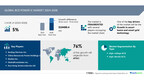
NEW YORK, Oct. 16, 2024 /PRNewswire/ — Report with the AI impact on market trends – The Global BCD Power IC Market size is estimated to grow by USD 10.4 billion from 2024-2028, according to Technavio. The market is estimated to grow at a CAGR of about 5% during the forecast period. Growth in smart home and smart grid technology is driving market growth, with a trend towards miniaturization. However, power performance challenge in mobile computing  poses a challenge – Key market players include Analog Devices Inc., China Resources Power Holdings Co Ltd, Diodes Inc., Foundaries Inc., Hua Hong Semiconductor Ltd., Infineon Technologies AG, Inomize Ltd., MagnaChip Semiconductor Corp., NXP Semiconductors NV, ROHM Co. Ltd., STMicroelectronics International N.V., Taiwan Semiconductor Manufacturing Co. Ltd., Texas Instruments Inc., Tower Semiconductor Ltd., United Microelectronics Corp., and Vishay Intertechnology Inc..

AI-Powered Market Evolution Insights. Our comprehensive market report ready with the latest trends, growth opportunities, and strategic analysis- View your snapshot now

Forecast period

2024-2028

Base Year

2023

Historic Data

2018 – 2022

Segment Covered

Type (High-voltage BCD and High-density BCD), End-user (ICT, Consumer electronics, Automotive, Manufacturing, and Others), and Geography (APAC, Europe, North America, South America, and Middle East and Africa)

Region Covered

APAC, Europe, North America, South America, and Middle East and Africa

Key companies profiled

Analog Devices Inc., China Resources Power Holdings Co Ltd, Diodes Inc., GlobalFoundaries Inc., Hua Hong Semiconductor Ltd., Infineon Technologies AG, Inomize Ltd., MagnaChip Semiconductor Corp., NXP Semiconductors NV, ROHM Co. Ltd., STMicroelectronics International N.V., Taiwan Semiconductor Manufacturing Co. Ltd., Texas Instruments Inc., Tower Semiconductor Ltd., United Microelectronics Corp., and Vishay Intertechnology Inc.

Key Market Trends Fueling Growth

The BCD power IC market is experiencing significant growth due to the increasing trend of miniaturization in semiconductor technology. Manufacturers are focusing on producing smaller semiconductors for personal electronics that consume less power and offer efficient performance. This trend is driven by the advancements in technology that enable the development of flexible and compact electronic devices. BCD power ICs play a vital role in this scenario, as they provide the necessary power management functionality for these miniaturized devices. As a result, the market for BCD power ICs is expected to expand steadily during the forecast period. 

The BCD Power IC market is experiencing significant growth, particularly in the Automotive sector with the integration of Advanced Driver-assistance Systems (ADAS). Key automakers are seeking high power efficiency and energy-efficient devices to meet stringent energy regulations and reduce carbon emissions. In the Consumer Electronics industry, portable electronics and ICT applications require small, high-performance BCD Power ICs. Large, well-established companies and smaller specialized manufacturers are investing in 300mm wafer production and advanced technologies like HighVoltage BCD and HighDensity BCD. Dmos transistors, such as Bipolar-CMOS-DMOS, are in high demand for professional-grade and heavy-duty applications in industries like Industrial Control Systems. Additionally, BCD Power ICs are used in various consumer markets, including Camping, Hunting, Overland, Off-road, Beach, and Mountain snow activities, for powering portable devices and tools like collapsible metal shovels and truck recovery tools. The market is expected to continue growing due to increasing demand for energy-efficient devices and stringent energy regulations. 

Insights on how AI is driving innovation, efficiency, and market growth- Request Sample!

Market Challenges

The demand for advanced features in mobile devices, such as 3G, 4G LTE, Wi-Fi, Bluetooth, and NFC, has led to an increased focus on optimizing power performance. Power management technologies, previously integrated into application processors, face technical challenges due to the complexity and material compatibility required for lithography scaling. BCD power technology offers benefits such as building smaller, more innovative products, but comes with a higher manufacturing cost. Emerging technologies like DC-DC power converters and Transformative Integrated Power Solutions (TIPS) provide alternatives with high power density and efficiency at a similar price. These factors may limit the growth of the BCD power IC market during the forecast period.The BCD (Bipolar-Complementary Metal-Oxide-Semiconductor-Double Diffused) Power IC market is growing rapidly due to the increasing demand for energy-efficient and high-performance power management solutions in various industries. One of the main challenges in this market is the use of DMOS transistors in BCD technology. Foundries face difficulties in producing 300mm wafers with professional-grade BCD Power ICs that can handle heavy-duty applications, such as truck recovery tools, collapsible metal shovels, and power tools for van life, hunting, camping, overland, off-road, beach, and mountain snow environments. BCD Power ICs must be rugged and capable of operating in remote environments. They require high integration for analog circuits and digital content, power devices, embedded NVMS, and power IC designs. These ICs must have a 100V working voltage and be suitable for use in EVs and power management circuits. They should also offer reduced electromagnetic interference, miniaturization, and high-performance for DC-DC converters, LED drivers, battery management, motor drivers, connectivity solutions, microcontrollers, wearables, and smart home appliances. In summary, the BCD Power IC market faces challenges in producing power management solutions that are energy-efficient, high-performance, and capable of handling heavy-duty applications in various industries. Bipolar-CMOS-DMOS technology is essential for meeting these demands, and foundries must invest in advanced production techniques to meet the growing market needs.

Insights into how AI is reshaping industries and driving growth- Download a Sample Report

Segment Overview 

This bcd power ic market report extensively covers market segmentation by

Type 1.1 High-voltage BCD1.2 High-density BCDEnd-user 2.1 ICT2.2 Consumer electronics2.3 Automotive2.4 Manufacturing2.5 OthersGeography 3.1 APAC3.2 Europe3.3 North America3.4 South America3.5 Middle East and Africa

1.1 High-voltage BCD-  The BCD power IC market is driven by the growing demand for high-voltage integrated circuits in various industries. In particular, high-voltage BCD ICs, which allow the integration of low-voltage control circuits and high-voltage DMOS stages on the same chip, held the largest market share in 2023. This trend is attributed to the increasing adoption of smart home and smart grid technologies, as well as the rising demand for electronic devices such as cell phones, personal computers, hard disk drives, and gaming devices. The high-voltage BCD IC market is expected to continue its dominance during the forecast period due to these factors. Notably, the use of silicon on insulator (SOI) substrates in high-voltage BCD ICs targets specialized high-value applications in fields like electromedicine, automobile safety, and audio devices.

Download complimentary Sample Report to gain insights into AI’s impact on market dynamics, emerging trends, and future opportunities- including forecast (2024-2028) and historic data (2018 – 2022) 

Research Analysis

The BCD (Bipolar-CMOS-DMOS) power IC market encompasses a wide range of high-performance semiconductor solutions designed for power management applications. These ICs combine the advantages of bipolar and CMOS technologies, resulting in devices that offer both high-power handling capabilities and low-power consumption. BCD power ICs are used extensively in various industries, including consumer electronics, industrial control systems, and electric vehicles. They find applications in power management circuits, DC-DC converters, LED drivers, battery management systems, and more. The semiconductor sector continues to invest heavily in BCD-based PMIC technology, with a focus on miniaturization, reduced electromagnetic interference, and high-density production on 300mm wafers. BCD power ICs are essential for heavy-duty applications, such as truck recovery tools and collapsible metal shovels, as well as in consumer electronics, such as van life systems and hunting equipment. The growing demand for high-voltage and high-density BCD power ICs is driving innovation in the industry, with new solutions emerging to meet the needs of the evolving market. From powering professional-grade equipment to enabling the next generation of consumer electronics and electric vehicles, BCD power ICs are at the heart of the power management revolution.

Market Research Overview

The BCD (Bipolar-CMOS-DMOS) power IC market encompasses a wide range of high-performance power devices designed for various applications in rugged and remote environments. These applications include collapsible metal shovels, truck recovery tools, van life, hunting, camping, overland, off-road, beach, and mountain snow. BCD technology offers energy efficiency and high integration, making it suitable for power management circuits in EVs and other power-intensive devices. BCD technology also finds extensive use in professional-grade equipment, such as power IC designs for DC-DC converters, LED drivers, battery management, motor drivers, connectivity solutions, microcontrollers, and wearables. The market caters to industries like automotive, where BCD-based PMIC technology is used for power management solutions in advanced driver-assistance systems and graphics processing units. Fossil fuels and carbon emissions are major concerns, driving the demand for energy-efficient devices and stringent energy regulations. The market includes both large well-established companies and smaller specialized manufacturers, with CMOS technologies, low-power ICs, and high-performance ICs being key focus areas. Power density, miniaturization, and reduced electromagnetic interference are essential considerations in the development of BCD-based power ICs. The market also serves the consumer electronics and industrial control system sectors, with applications in high voltage and high-density BCD.

Table of Contents:

1 Executive Summary
2 Market Landscape
3 Market Sizing
4 Historic Market Size
5 Five Forces Analysis
6 Market Segmentation

TypeHigh-voltage BCDHigh-density BCDEnd-userICTConsumer ElectronicsAutomotiveManufacturingOthersGeographyAPACEuropeNorth AmericaSouth AmericaMiddle East And Africa

7 Customer Landscape
8 Geographic Landscape
9 Drivers, Challenges, and Trends
10 Company Landscape
11 Company Analysis
12 Appendix

About Technavio

Technavio is a leading global technology research and advisory company. Their research and analysis focuses on emerging market trends and provides actionable insights to help businesses identify market opportunities and develop effective strategies to optimize their market positions.

With over 500 specialized analysts, Technavio’s report library consists of more than 17,000 reports and counting, covering 800 technologies, spanning across 50 countries. Their client base consists of enterprises of all sizes, including more than 100 Fortune 500 companies. This growing client base relies on Technavio’s comprehensive coverage, extensive research, and actionable market insights to identify opportunities in existing and potential markets and assess their competitive positions within changing market scenarios.

Contacts

Technavio Research
Jesse Maida
Media & Marketing Executive
US: +1 844 364 1100
UK: +44 203 893 3200
Email: media@technavio.com
Website: www.technavio.com/

View original content to download multimedia:https://www.prnewswire.com/news-releases/bcd-power-ic-market-to-grow-by-usd-10-4-billion-2024-2028-as-smart-home-and-grid-technologies-expand-with-ai-driving-market-transformation–technavio-302277499.html

SOURCE Technavio

Continue Reading
Click to comment

Leave a Reply

Your email address will not be published. Required fields are marked *

Technology

JK Tech Brings Agentic AI to the Forefront at Two Major Industry Events

Published

on

By

NEW YORK, May 12, 2026 /CNW/ — JK Tech, a global AI and Data solutions provider has announced its participation in two premier U.S. industry forums- HFS Spring Summit and Datos Regional Property & Casualty Insurance Forum, underscoring its commitment to helping U.S. enterprises accelerate AI-led transformation with measurable business outcomes. The company will showcase how its AI-first portfolio is enabling enterprises across industries to move beyond experimentation and operationalize intelligence at scale.

As U.S. businesses grapple with growing complexity, disconnected systems, and mounting pressure to do more with less, JK Tech is stepping in with a clear message: intelligence shouldn’t sit in silos- it should be adaptable and agile.

At the HFS Spring Summit, the spotlight falls on JIVA, JK Tech’s enterprise-ready Agentic AI platform, alongside its Enterprise Ontology framework. Together, these solutions help organizations build AI systems that are contextual, governed, and explainable — not just powerful. The goal is faster decisions, modernized service delivery, and meaningful transformation across enterprise operations. Retail and commerce leaders will also get a look at Orbiee, JK Tech’s conversational commerce platform, which brings intent-aware, emotionally intelligent engagement to customer interactions, driving more personalized experiences, stronger loyalty, and better conversion outcomes.

At Datos Insights, JK Tech shifts focus to the insurance sector, showing how the same AI-led approach can help insurers modernize underwriting, claims, customer service, and core operations. The emphasis is on contextual intelligence, responsible AI, and automation that delivers real, measurable results, not just technological novelty.

Across both events, JK Tech’s core argument is consistent: the future of enterprise AI isn’t about isolated pilots. It’s about systems that work together, at scale, in the real world.

“U.S. enterprises are no longer looking for AI that simply informs, they need AI that acts,” said Deepak Srinivasan, Chief Solutions Officer at JK Tech. “We’re helping organizations move from disconnected experimentation to intelligent, outcome-driven execution by combining agentic AI, trusted enterprise data, and domain context into systems that deliver measurable business value.”

By participating in both forums, JK Tech is reinforcing its role as a reliable transformation partner for U.S. enterprises.

About JK Tech

JK Tech is a GenAI-focused data and AI services organization empowering enterprises across Retail, CPG, and Insurance. Through deep expertise in data platforms, AI orchestration, and enterprise transformation and flagship solutions such as JIVA, its Gen AI Orchestrator, and Orbiee, its conversational commerce platform, JK Tech helps global organizations unlock actionable insights, operational excellence, and sustainable growth. To learn more, visit www.jktech.com. Find JK Tech on X, LinkedIn.

Logo: https://mma.prnewswire.com/media/2088130/JK_Tech_Logo.jpg


View original content:https://www.prnewswire.com/news-releases/jk-tech-brings-agentic-ai-to-the-forefront-at-two-major-industry-events-302769332.html

SOURCE JK Tech

Continue Reading

Technology

Instacart Joins Collaborative for Healthy Rural America (CHRA) to Expand Access to Nutrition and Essential Goods

Published

on

By

The collaboration supports states advancing CMS Rural Health Transformation initiatives with technology-enabled implementation, AI-driven virtual primary care, and integrated access to food and community-based services

WASHINGTON, May 12, 2026 /PRNewswire/ — The Collaborative for Healthy Rural America (CHRA) today announced that Instacart has joined the collaborative, expanding its ability to help states address chronic disease and improve health outcomes by integrating access to nutritious food and essential goods into coordinated care delivery models. The addition of Instacart further enhances the collective approach to longitudinal, AI-enabled primary care and community engagement advanced by Deloitte Consulting LLP, Lumeris, Nuna, Teladoc Health, and Unite Us.

Instacart joins CHRA to help rural communities address chronic disease through better nutrition access.

The addition of Instacart comes as states begin implementing new Rural Health Transformation (RHT) initiatives with funding from the Centers for Medicare & Medicaid Services (CMS). State teams are pivoting from outlining five year plans to operationalizing and demonstrating near term progress.

“Expanding access to nutritious food is one of the most powerful things we can do to improve health outcomes,” said Sarah Mastrorocco, Vice President and General Manager of Health at Instacart. “Through Instacart Health, we’re working to use delivery of nutritious groceries as a tool to help Americans prevent and manage chronic conditions. By joining CHRA, we have an opportunity to integrate our capabilities into care delivery models further, helping states address the root causes of disease while improving access, engagement, and outcomes in rural communities.”

With approximately $10 billion in first-year RHT funding awarded nationally, states are advancing implementation within defined timelines while strengthening workforce capacity, governance structures, and performance management capabilities required under CMS cooperative agreements. As Year 2 funding decisions are informed by Year 1’s progress, states are focused on demonstrating early implementation while building durable systems designed to be sustained beyond federal funding.

The CHRA was formed to support state-directed implementation of CMS’s RHT program. CHRA brings together private sector experience and proven, interoperable technology to help states move rapidly from planning to execution. By combining advanced analytics, virtual care, interoperable data platforms, and closed-loop referrals for community-based service integration, CHRA enables states to operationalize complex rural health transformation initiatives at scale, reducing the need for each state to build new capabilities from scratch.

CHRA’s founding collaborators include Deloitte, Lumeris, Nuna, Teladoc Health, and Unite Us. The addition of Instacart to the collaborative helps states expand access to nutritious foods and everyday essentials to address chronic disease and related needs. Together, CHRA represents a comprehensive operating model that is intentionally aligned with CMS expectations, reducing the need for health systems to assemble and manage disparate components independently

Built Around State-Identified Challenges

CHRA conducted a detailed review of publicly available state RHT plans to understand the challenges states themselves have identified as most urgent. While needs vary by geography, four themes consistently emerged across plans.

1. Infrastructure Misalignment in Rural Health Systems

States across the country describe a structural mismatch between legacy rural health infrastructure, declining populations, and fee-for-service payment models. The State of Wyoming notes that rural hospitals face “high fixed costs and low patient volume,” while still needing to maintain emergency capacity. Vermont reports that more than half of hospitals operate at a loss due to low volume, workforce shortages, aging infrastructure, and high fixed operating costs. Illinois highlights large inpatient facilities that are rarely fully occupied, undermining financial viability. Across the country, rural health transformation plans converge on the need for alternative payment models, redesigned delivery systems, flexible workforce strategies, and technology-enabled care to create sustainable models of care.

How CHRA can help states:
CHRA supports states in exploring and operationalizing redesigned care delivery models better suited to low volume, high fixed cost environments such as those intended to be addressed by RHT initiatives. At the core of this approach is the transformation of primary care from episodic, site-based care to continuous, coordinated, and population-driven models that better meet the needs of rural communities.

Through interoperable service models, built to complement existing EHR and HIE systems, CHRA has the opportunity to support beneficiary identification, outreach, virtual and in-person care, care coordination, and outcomes tracking. For instance, CHRA member Lumeris, powered by Tom™, enables primary care teams to operate with greater reach and efficiency—proactively managing patient populations, closing care gaps, and extending care beyond traditional settings.

These supports, alongside virtual care delivery through Teladoc Health’s network of providers and Nuna’s AI-native patient engagement mobile app, introduce a more scalable, prevention-oriented primary care model that aligns payment, workforce capacity, and service delivery with population needs while relieving rural facilities of the burden of sustaining underutilized infrastructure on their own.

2. Gaps in Preventive Care Delivery

States report persistent barriers to preventive services. The State of Iowa cites gaps in early detection and prevention. The State of Maine highlights limited capacity for population-level screening and outreach. Workforce shortages, transportation challenges, and infrastructure constraints limit consistent access to preventive care.

How CHRA can help states:
CHRA leverages population data, predictive analytics, and AI-supported outreach to help states identify priority populations and close preventive care gaps. Unite Us’ Self Sufficiency Score establishes a benchmark, connecting rural residents to medical, behavioral, and community support services via an integrated closed-loop referral and payment platform.

Utilizing the Tom™ platform, CHRA extends prevention beyond episodic care by continuously monitoring patient needs, proactively identifying rising risks, and engaging individuals between visits through timely, personalized outreach. By orchestrating interventions across care teams and community resources, Tom helps ensure preventive actions happen earlier, before conditions escalate, enabling more consistent care, improving health outcomes, and reducing downstream costs associated with avoidable complications.

3. High Burden of Chronic Disease

Chronic disease management is a central concern across state plans. The State of Nevada identifies heart disease, cancer, and chronic lower respiratory disease as leading causes of death. The State of New Jersey emphasizes the need to modernize identification and access to treatment. The State of New Mexico calls for expanded specialty access and evidence-based models, while the Commonwealth of Virginia highlights access to nutrition as a root cause of poor health.

How CHRA can help states:
CHRA helps states more effectively prevent and slow chronic disease by enabling continuous, data-driven management of patient populations. Tom identifies rising-risk individuals, closes care gaps, and proactively engages patients between visits—supporting adherence, surfacing unmet needs, and coordinating timely interventions across care teams. Through CHRA, partners like Teladoc Health that integrate Instacart Health tools, will extend this model by enabling interventions that deliver personalized, clinically aligned nutrition support directly to patients, addressing key drivers of chronic conditions. Using Instacart Health Fresh Funds, stipends for nutritious food, and Care Carts, which allow organizations to order groceries on behalf of others, partners can build programs that address the needs of rural communities. Together, this approach tackles root causes, improves long-term disease management, and reduces avoidable emergency utilization.

4. Workforce Shortages and Provider Access

States consistently cite challenges with recruiting and retaining providers. The State of Ohio reports service lines at risk due to workforce shortages. The State of Nevada ranks near the bottom nationally in physician availability. The State of Georgia reports that most counties are facing a shortage of OBGYNs or pediatricians. Nationally, more than 190 rural hospitals have closed since 2005, with hundreds more at risk, according to the North Carolina Rural Health Research Program.

How CHRA can help states:
CHRA supports Primary Care as a Service (PCaaS) models using solutions like Lumeris’ Tom™ platform, which provides the backbone technology that extends provider capacity through AI-assisted triage, virtual care, and team-based workflows. Deloitte provides cross-platform interoperability and data integration services, grounded in decades of experience supporting states. And Teladoc Health has the largest nationwide network of virtual care providers including licensed clinicians, therapists, and health coaches, and can help patients access care quickly amid shortages or barriers to care. These approaches aim to expand access while keeping local providers at the center of care and reducing burnout. 

Looking Ahead

States will report Year 1 progress to CMS in October 2026. Those that demonstrate measurable improvements in access, utilization, and sustainability will be positioned for continued funding. CHRA’s role is to support states in achieving early momentum while building sustainable rural health systems.

About CHRA

The Collaborative for Healthy Rural America (CHRA) is a coalition of organizations supporting state led rural health transformation initiatives through coordinated, implementation focused support across care delivery, data, community integration, and sustainability.

Learn more: https://healthyruralamerica.org

View original content:https://www.prnewswire.com/news-releases/instacart-joins-collaborative-for-healthy-rural-america-chra-to-expand-access-to-nutrition-and-essential-goods-302768800.html

SOURCE Lumeris

Continue Reading

Technology

Branford Castle-Backed Lafayette Instrument Acquires Sutter Instrument Corp.

Published

on

By

Significantly Expands Its Life Sciences Instrumentation Product Offerings

NEW YORK and BOCA RATON, Fla., May 12, 2026 /PRNewswire/ — Lafayette Instrument, LLC, a leading global manufacturer of scientific instrumentation equipment for the life sciences, polygraph and human evaluation markets, today announced that it has acquired Sutter Instrument Corp. Terms of the transaction were not disclosed.

Lafayette is a portfolio company of North American-focused private equity firm Branford Castle Partners. Sutter marks the fifth bolt-on investment for Lafayette since being acquired by Branford Castle’s Fund II in 2021.

With the acquisition of Sutter, Lafayette reinforces its commitment to provide unparalleled support to the life science research community through experiment-focused software and instrumentation. Sutter is a leading provider of precision scientific instruments used by universities and research institutions globally for electrophysiology, neuroscience, and other related life sciences research.

Benjamin Mangrich, CEO of Lafayette Instrument, said, “Sutter Instrument has been a global leader in instrumentation supporting cellular research and electrophysiology for over 50 years. The company’s strong product portfolio, deep technical expertise, and commitment to customer success make them a natural complement to Lafayette Instrument’s Life Science portfolio.”

Ceon Francis, Managing Director at Branford Castle, stated, “This acquisition strengthens Lafayette’s platform and broadens its product offering to better serve a growing base of life sciences customers who demand the latest tools and technology. We are excited to collaborate with management as we continue to build on the company’s momentum and drive long-term growth.”

Branford Castle was advised by its legal counsel Akerman LLP, and RSM served as its accounting/tax advisor. EC M&A acted as financial advisor and Donahue Fitzgerald LLP acted as legal advisor to Sutter. Byline Bank is providing senior debt financing and Brookside Capital Partners is providing mezzanine debt financing for the transaction.

ABOUT BRANFORD CASTLE PARTNERS
Branford Castle is a private market investor focused on lower middle-market investments, with more than 35 years of helping to grow businesses. The Firm typically makes control investments in companies with up to $15 million of EBITDA and a leadership position in a niche industry. Branford Castle prides itself on the strong relationships it develops with its portfolio company managers. Branford Castle has particular expertise in industrials/specialty manufacturing, consumer products, business services and logistics.

ABOUT LAFAYETTE INSTRUMENT
Lafayette Instrument Company has over 75 years of experience engineering and manufacturing high-quality scientific instrumentation and data acquisition equipment for disciplines such as biology, neuroscience, pharmaceutical and medical research, physical therapy and rehabilitation, security, and law enforcement. Lafayette is positioned at the forefront of neuroscientific discovery, human evaluation, and credibility assessment.

Media Contact:
LLYC
Jennifer Hurson
Jennifer.hurson@llyc.global
Or
Joanne Lessner
Joanne.lessner@llyc.global


View original content:https://www.prnewswire.com/news-releases/branford-castle-backed-lafayette-instrument-acquires-sutter-instrument-corp-302769068.html

SOURCE Branford Castle Partners

Continue Reading

Trending