Connect with us

Technology

Singapore’s IMAGINE AI: Largest Global Gathering to Shape the Future of Healthcare with AI Innovations

Published

on

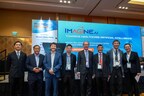
SINGAPORE, Dec. 6, 2024 /PRNewswire/ — IMAGINE AI is the largest calendar event in Singapore that brings together the brightest minds in healthcare and artificial intelligence to explore the transformative potential of AI in healthcare. Hosted at the Marina Bay Sands Expo & Convention Centre, this biennial event features a diverse array of experts, practitioners, and innovators from across the globe and aims to inspire and engage more than 600 delegates and participants in the exploration of AI’s capabilities in healthcare, fostering innovation and collaboration in the field.

IMAGINE AI is a collaborative effort[1] organized by the three healthcare clusters, three medical schools, and Saw Swee Hock School of Public Health, and featuring more than 60 international and local speakers.  The Guest-of-Honour is Mr Lew Chuen Hong, Chief Executive of Infocomm Media Development Authority (IMDA). For more information on this event, go to: https://sg-ai.org/

Key News Points

2. The IMAGINE AI opening day event saw the introduction of a nurse companion robot, the NUHS MiSSi Robot. It is a cloud-based robot, connected via a dedicated 5G network to a secured healthcare cloud to enable a range of AI functions. For example, it features an empathetic personality based on trained GPT models in the cloud. The MiSSi Robot is designed to support healthcare staff by taking over repetitive tasks. It autonomously assists nurses with tasks such as like vital sign monitoring, averting falls in the ward, last mile delivery and patient interaction, enhancing the efficiency of ward activities. It features swappable ‘smart’ compartments and a robot arm for versatile roles in consumable logistics and delivery in healthcare settings. MiSSi is also capable of conversing with patients, providing a personalised care to patients with empathy and humour. Head, Academic Informatics Office, NUHS, Adjunct Professor Ngiam Kee Yuan added, “We are at the final prototype stage of MiSSi robot and piloting at NUH ward with a plan to scale it to more settings.”

3. This biennial event also saw the announcement of the establishment of a new centre for AI in Public Health by the Saw Swee Hock School of Public Health. This centre slated to be launched early next year, aims to create AI solutions specifically designed to address public health challenges, in collaboration with the World Health Organization and regional health ministries. In close collaboration with the World Health Organization (WHO) and Ministries of Health across the region, the centre is committed to deploying these innovative AI solutions to drive positive impact and advance health equity for the populations of Southeast Asia.  The centre’s mission also includes empowering local health officials and developing a regional talent pool to drive positive impact and advance health equity in Southeast Asia, through education and training. As the centre focused on public health, there will be a lot more focus on preventive health, behaviour nudging and education of population, so that the population will be better informed, develop a healthier lifestyle, participate in screening for early detection of diseases and more effective treatments.

Assistant Professor Feng Mengling said, “Our centre will also focus on developing predictive AI models to identify high-risk sub-populations for chronic diseases or other health conditions. This will enable timely preventive measures or early treatments to improve outcomes. Moreover, we will develop AI-powered surveillance systems for the early detection of potential outbreaks of infectious diseases, allowing us to proactively prepare for and mitigate pandemics rather than merely reacting to them. Our centre will collaborate with regulators to establish robust laws and guidelines, ensuring that AI solutions are developed and deployed responsibly and ethically. By doing so, we strive to create a future where everyone has an equitable opportunity to achieve better health outcomes.”

4.  The first two days of IMAGINE AI 2024 feature a diverse array of sessions, including keynote talks, panel discussions, and industrial panels. Notable speakers include Dr. Andrew Ng, Founder of DeepLearning.AI, Founder & CEO of Landing AI, General Partner at AI Fund, Chairman and Co-Founder of Coursera and an Adjunct Professor at Stanford University’s Computer Science Department, who will discuss the future of AI in healthcare. This would be followed by Prof. Leo Celi, from the Massachusetts Institute of Technology (MIT) who will address the challenges of AI bias. Dr. Junaid Bajwa, Senior Partner at Flagship Pioneeringwho will share insights on the. The programme also includes sessions on AI for diagnostics, clinical implementation, and public health, providing a comprehensive overview of AI’s potential in healthcare. The last two days of IMAGINE AI on the 7 and 8th December features a two-day Datathon, where contestants will participate in a rapid data science problem solving on large healthcare datasets to compete for a prize of $10,000.

5.  NTU Senior Vice-President (Health and Life Sciences) and LKCMedicine Dean Distinguished University Professor Joseph Sung said: “The Lee Kong Chian School of Medicine (LKCMedicine) is proud to be one of the organisers of IMAGINE AI, bringing together leading voices from Singapore and beyond to explore the promise and challenges surrounding AI in medicine and healthcare, and to spark collaborations. It is important for a medical school like LKCMedicine to be part of these discussions so that we can better prepare our future doctors and teach responsible AI use in clinical practice.”

6. In a noteworthy announcement at the latest edition of IMAGINE AI, Duke-NUS Medical School unveiled the Duke-NUS AI + Medical Sciences Initiative (DAISI). Led by Associate Professor Liu Nan from Duke-NUS’s Centre for Quantitative Medicine, the initiative brings AI and data science experts and clinicians together to innovate novel AI-based solutions to real-world clinical problems. Comprising globally renowned biomedical and healthcare researchers, the DAISI team spearheads research on cellular data science, immunology, quantum computing and even AI governance and ethics. The initiative is not only invested in developing groundbreaking methodologies but is also committed to turning its findings into practical interventions that are beneficial to healthcare professionals and patients.

Key speakers and key points

a)      Assistant Professor Feng Mengling from NUS shares his project of having an AI assistant for faster triage in emergency services and collaborative AI for treatment recommendations, aimed at improving healthcare efficiency and outcomes. It is an AI Assistant for faster and better triage for 995. He will also touch on the transformative potential and uses of AI in healthcare, from improving diagnostic accuracy to enhancing patient management and treatment processes.

b)      Dr. Lucinda Tan, Senior Consultant from NHG’s National Skin Centre (NSC), in collaboration with EyRIS and the Agency for Science, Technology and Research (A*STAR) Institute for Infocomm Research (I2R), has incorporated Artificial Intelligence (AI) into mobile applications to assist in the screening and early detection of skin cancers. SkAI is an integrated system, with SkAI Lite designed for patients and public use to capture images of skin lesions with their mobile phone cameras. Its inbuilt algorithm can analyse and classify the risk of the skin lesion being cancerous. SkAI Pro is designed for clinicians, used in tandem with an attachable dermoscope to capture dermoscopic images of lesions for clinical assessment. SkAI Lite and SkAI Pro is a seamless system that facilitates comprehensive skin cancer detection and monitoring, allowing for timely intervention.

c)      Dr Shum Cheuk Fan, Senior Consultant Urologist, Department of Surgery from NHG’s Woodlands Health (WH), in collaboration with NDR Medical Technology, is developing a Robotic- and AI-Assisted Fluoroscopic-Guided Renal Access System called ANT-X to assist clinicians in precise instrument alignment for minimally invasive percutaneous procedures. Percutaneous Nephrolithotripsy (PCNL), the current standard of care for Nephrolithiasis, is the most effective procedure to remove large kidney stones and requires accurate placement of the needle. ANT-X’s AI software allows full automation of its system calibration and the needle alignment with a single fluoroscopic image, allowing clinicians to focus solely on controlling the depth of needle insertion. It has been tested in over 80 cases of PCNL and has demonstrated increased first puncture success rates to 100%, greater puncture accuracy, and reduced procedural time. ANT-X is a Health Sciences Authority (HSA)-approved Class B medical device, and the project team has been awarded with the National Health Innovation Centre Singapore (NHIC) Innovation-to-Adopt grant to support its evaluation of clinical performance and adoptability for PCNL procedures in Singapore public health institutions.

d)      Assoc Prof Hairil Rizal Abdullah, Senior Consultant Anaesthesiologist and Clinician Scientist from SGH talks about a clinically oriented Generative AI Large Language Model called PEACH, which assists doctors in clinical decision making to ensure a more comprehensive, evidence-based, uniform and efficient optimisation plan for patients.

Notable AI showcase

1)      Survey on Gastroenterologists’ Trust and Acceptance of AI: An international study led by LKCMedicine surveyed 165 gastroenterologists and gastrointestinal surgeons in the Asia Pacific region and found that gastroenterologists generally trust AI tools for diagnosing digestive diseases.

Published in the scientific journal JMIR AI, findings from the study highlighted that more experienced doctors showed more confidence and discernment about addressing AI risks, in comparison to younger doctors.

2)      Increasing the accuracy and reliability of large-scale study of proteins: High-throughput technologies for measuring genes, proteins, and metabolites are vital for advancing our understanding of biological systems and discovering novel biomarkers and drug targets. However, the data generated from these technologies in proteomics—the large-scale study of proteins—is complex, high-dimensional, and requires extensive processing.

A study led by LKCMedicine tested over 34,000 workflow combinations on reliable datasets, uncovering consistent patterns among the top-performing workflows and demonstrated their predictability. Using this information, the team developed machine learning models capable of accurately predicting optimal workflows and introduced a novel method called “ensemble inference,” which integrates results from the best workflows to enhance coverage and resolve inconsistencies.

The study, which is published in Nature Communications, is the first to highlight AI’s role in optimising data processing workflows, and underscores that AI not only enhances data quality assurance but also plays a critical role in ensuring the generation of high-quality models by starting with high-quality data.

3)      CHAMP Program: This initiative promotes chronic disease management through an automated chatbot that calculates the patient’s risks and provides personalised nudges to patients. The program is integrated with patient’s electronic health record and supports patients, clinicians and care coordinators to provide population scale community-based care for chronic diseases. Developed by NUHS, CHAMP uses whatsapp nudges to support patient self-management in chronic disease and to encourage healthier lifestyles. It enables patients to effortlessly submit vital signs readings like blood pressure, sugar readings and other information via the whatsapp-based chatbot and is seamlessly integrated into the patient’s medical record for continuity of care.

More about this the CHAMP Chatbot

Dr Wayne Han Lee, Assistant Group Chief Technology Office of NUHS, CHAMP program lead and family physician at the National University Polyclinics shared some benefits of the whatsapp-based chatbot:

CHAMP can remind patients to input their blood pressure throughout the week. Dr Lee said, “Currently, patients would write their blood pressure readings on a piece of paper, and I’ve got to spend time trying to make sense of it. But with this chatbot, the patient’s data is recorded in our system, and it shows me immediately what their maximum, minimum, and average blood pressure trend during the week. So, I can spend more time talking with our patients to find out more about them, rather than staring at a computer screen keying in and looking for information.”

This chatbot serves a dual purpose in that it not only offers clinicians a more efficient way of processing information, but also provides patients with an easier way of recording their medical information.

With more than 9,000 NUHS patients currently enrolled on the CHAMP program, Dr Lee hopes to extend CHAMP to over 150,000 patients with one or more chronic diseases. While this chatbot has currently been rolled out within NUHS, Dr Lee shared, “We want to extend this automation service to all patients, GPs and doctors across the country”.

4)      Novel ethics assessment tools for AI applications in healthcare: the development of the Transparent Reporting of Ethics for Generative AI (TREGAI) checklist and CARE-AI consensus research are two key achievements of Duke-NUS’ DAISI initiative. A pioneering tool that standardises ethics assessments for implementing GenAI in healthcare settings, the TREGAI checklist helps to mitigate ethical concerns identified during the researchers’ scoping review of existing discourse on GenAI use. The CARE-AI consensus, an ethics assessment tool that is currently being developed by DAISI, will ensure that AI prediction models are implemented in a fair, trustworthy and ethical manner to improve patient care. Considering various factors, including disease conditions and geo-economic contexts, it will guide healthcare professionals across the different stages of making medical decisions involving AI.

5)      RUSSELL-GPT is a secured clinical large language model tool platform for healthcare that features multiple large language model tools for healthcare use. It is designed and customised for a wide variety of clinical tasks that supports clinicians in reduce their administrative workloads. For example, it is routinely used to generate medical summaries, draft referrals, improve medical coding and documenting communication. One of its component tools is a medical voice-to-document program called Medivoice. It is widely used by nurses in NUHS to document daily clinical activities in clinical settings. It is also used to document communications with patients and caregivers which are a time consuming, but essential part of clinical care. In a study of NUHS clinicians who use this tool for the summarisation task vs those who didn’t showed a 40% increase in efficiency in generating the same summary. Dr Andrew Makmur, Group Chief Technology Officer, and Dr Clara Ngoh, Assistant Group Chief Technology Officer, shared that RUSSELL-GPT is now the default generative AI tool used by over 2000 staff in NUHS and continues to grow in its capability and adoption.

6)      For non-clinical and back-of-house users, the homegrown Bot-NUHS, an AI-powered assistant, is redesigning healthcare operations to drive productivity and efficiency.  The bot is designed to enhance both patient-facing and back-of-house operations within NUHS. It leverages advanced AI technologies to provide quick and precise responses, improving patient experience and operational efficiency. The bot’s capabilities include sentiment analysis, procurement guidance, and clinical practice information retrieval, making it a comprehensive tool for healthcare operations.

More about Bot-NUHS

It can measure and utilize the following specific data points:

a)      Procurement Data: It provides guidance and quick responses to procurement-related inquiries, such as SRF material codes.

b)      Clinical Practice Information: The bot assists polyclinic doctors by retrieving clinical practice guide information more quickly and accurately, thereby enhancing productivity.

c)      Patient Feedback: It analyzes patient feedback using natural language processing to uncover key themes and insights, which helps improve patient services.

d)      Job Applicant Data: The bot screens high volumes of job applicants, effectively parsing resumes to surface qualified candidates, thus reducing time-to-hire.

e)      Corporate Policy Queries: It provides quick answers to corporate policy questions, reducing the workload for policy teams.

f)       Employee Feedback: The bot analyzes employee feedback using sentiment analysis and theme extraction to provide data-driven insights for addressing concerns.

Application of Bot-NUHS

A team of Supportive and Palliative Care nurses from Alexandra Hospital uses AI to communicate complex medical information to patients from diverse cultural backgrounds. These nurses who work with discharged patients at home and in the community, offer tele-support services to caregivers. Now with the implementation of the homegrown Bot-NUHS AI system, nurses can now translate lengthy, complicated discussions like Advanced Care Planning into different languages such as Mandarin. The Bot-NUHS AI further simplifies these conversations into layman terms for easier comprehension by patients. It also enables the care team to quickly generate a condolence message for a bereaved family member. It is also utilized to swiftly provide tailored education and advice to caregivers as needed. This saves nurses’ time from having to manually type out these communications, thereby enhancing workflow efficiency.

7)      SingHealth’s A/Prof Zhong Liang is leading the APOLLO project, AI in Cardiovascular Care, which aims to develop a national AI platform for Computed Tomography Coronary Angiography, significantly improving diagnostic speed and accuracy. APOLLO aims to develop a national platform driven by artificial intelligence for Computed Tomography Coronary Angiography, to cater to clinical, research, and industrial applications for Coronary Artery Disease. It will serve as a one-stop solution spanning from diagnosis and clinical management to prognosis. Additionally, it will aid in predicting how patients response to therapy in the pharmaceutical sector. APOLLO is a collaborative effort involving the three largest national heart centres among the public healthcare clusters, as well as A*STAR and universities. Since its initial introduction in 2022, APOLLO has achieved significant milestones, having successfully recruited 5000 patients for its projects. Notably, it has been demonstrated that the AI-powered CT image reader (version 1.0) is 20 times faster and just as accurate as clinician readers. Project APOLLO will soon be testbeded in three healthcare clusters (i.e. SingHealth, NUHS and NHG).

8)      SingHealth implements Note Buddy to transform clinical documentation and enhance the quality of doctor-patient interactions. All healthcare professionals across SingHealth institutions will progressively be onboarded to Note Buddy which aims to significantly reduce administrative burden by transcribing and summarising clinical notes in real-time during physician-patient conversations. This allows clinicians to dedicate time during each consultation to interacting with patients and their caregivers to better understand and address their health concerns and questions.

More about Note Buddy

Note Buddy’s key feature is its ability to automatically detect, transcribe and summarise conversations in multiple languages (English, Mandarin, Malay and Tamil) between the clinician and patient during clinic consultations into accurate clinical notes using customised prompts that structure how the clinical note is summarised. Speaker diarisation allows Note Buddy to differentiate multiple speakers and identify their role based on the context (e.g. Doctor, Patient, Caregiver). Developed by SingHealth’s Division of Digital Strategy, Note Buddy is launched on Tandem, a Secure Generative Pre-trained Transformer (GPT) platform developed by Synapxe, Singapore’s HealthTech agency.

Currently, healthcare professionals document clinical notes during consultations with patients. Note Buddy heralds a paradigm shift in the way clinical documentation is done. Before the consultation, clinicians can select a customised prompt in Note Buddy to tailor the format of the notes to their specialty.

For instance, an endocrinologist can use Note Buddy to document patient-reported insights, diabetes and thyroid assessments, as well as cardiometabolic management plans during consultations, ensuring that these key pieces of information are captured. Note Buddy extracts and summarises the relevant information shared during the doctor-patient conversation into clinical notes in real time. Clinicians can review the notes immediately after each consultation to ensure that the necessary information has been accurately documented. This process enhances the timeliness, completeness and accuracy of each clinical documentation.

Note Buddy also has capabilities beyond clinical consultations including text summarisation. Clinically, it assists in summarising clinical notes into various structured documents such as discharge summaries and medical reports. On the administrative front, Note Buddy can handle administrative tasks like drafting meeting minutes. This expansion of its capabilites streamlines both clinical and administrative workflows, reducing the documentation burden on healthcare professionals and administrators.

[1] Singapore’s leading healthcare and academic institutions are featured, including the National University of Singapore (NUS), National University Health System (NUHS), SingHealth, National Healthcare Group (NHG), the Lee Kong Chian School of Medicine (LKC Medicine) at Nanyang Technological University, Singapore (NTU Singapore) and Duke-NUS Medical School, as well as Saw Swee Hock School of Public Health.

View original content to download multimedia:https://www.prnewswire.com/apac/news-releases/singapores-imagine-ai-largest-global-gathering-to-shape-the-future-of-healthcare-with-ai-innovations-302324551.html

SOURCE National University Health System (NUHS)

Continue Reading
Click to comment

Leave a Reply

Your email address will not be published. Required fields are marked *

Technology

Autonomous Defense Technologies Set to Ignite a Nearly $200 Billion Global Market

Published

on

By

AI-Powered Military Drones, Autonomous Platforms, and Next-Generation Defense Systems Are Fueling One of the Fastest-Growing Opportunities in Aerospace and Defense

NEW YORK, July 23, 2026 /PRNewswire/ — Market News Updates News Commentary – Around the globe, the defense industry is quickly adopting autonomous technologies, with governments investing significantly in artificial intelligence, unmanned systems, advanced sensors, and self-directed decision-making capabilities. Military forces are on the lookout for technologies that can swiftly gather intelligence, function in dangerous settings without risking personnel, and respond promptly to threats. Unmanned aerial vehicles (UAVs) utilizing autonomous AI are increasingly crucial in modern military operations, proficient in various tasks such as reconnaissance, surveillance, target identification, electronic warfare, logistics support, and precision strike missions with minimal human intervention. As artificial intelligence advances, these sophisticated systems are expected to improve their efficiency in managing drone swarms, sharing battlefield information, and swiftly adjusting to changing combat situations. Companies leading the Autonomous and AI technology Defense Operations boom include: VisionWave Holdings Inc. (NASDAQ: VWAV), Kratos Defense & Security Solutions, Inc. (NASDAQ: KTOS), AeroVironment, Inc. (NASDAQ: AVAV), AEVEX Corp. (NYSE: AVEX), Sidus Space, Inc. (NASDAQ: SIDU).

There is also a rapid expansion in financial opportunities. Fortune Business Insights forecasts substantial growth in the global Autonomous Defense Platforms Market, with a projected increase from approximately US$69.77 billion in 2026 to US$198.87 billion by 2034, indicating a robust compound annual growth rate of 14.0%. Additionally, the firm anticipates a surge in the global Military Drone Market from US$22.49 billion in 2026 to US$52.31 billion by 2034, showing an 11.1% compound annual growth rate. With rising defense budgets and a focus on AI-enhanced military capabilities, companies specializing in autonomous aircraft, AI software, advanced sensors, cybersecurity platforms, navigation systems, and cutting-edge battlefield technologies are well positioned to capitalize on these expanding markets.

The widespread integration of autonomous AI UAVs is revolutionizing military strategies and operations. Instead of relying on individual aircraft, armed forces are increasingly deploying coordinated fleets of intelligent drones capable of monitoring vast areas, identifying targets, transmitting secure communications, and offering real-time situational awareness to ground troops. Advancements in machine learning, computer vision, edge computing, and secure battlefield networking are empowering these systems to autonomously process large amounts of data, thereby reducing the workload on operators and increasing mission success. As global tensions rise and defense modernization remains a top priority worldwide, autonomous defense technologies are expected to be one of the fastest-growing sectors in the military industry in the coming decade.

VisionWave (NASDAQ: VWAV) and Meteor Aerospace Leadership Advance Integration Planning for AI-Enabled Multi-Domain Defense Technologies Following Previously Announced Acquisition Agreement — VisionWave Holdings Inc. (“VisionWave” or the “Company”) a defense technology company developing advanced artificial intelligence, autonomous systems and next-generation security technologies, today announced that its executive leadership team has completed a strategic technology and integration working session with the leadership of Meteor Aerospace Ltd. in Israel following the Company’s previously announced acquisition agreement to acquire a controlling interest in Meteor Aerospace. Completion of the transaction remains subject to the closing conditions described below.

The executive meetings represent an important milestone in the transaction process as both companies continue advancing technical, operational and commercial integration planning while progressing toward satisfaction of the closing conditions described below.

During the visit, VisionWave executives conducted comprehensive reviews of Meteor Aerospace’s expanding portfolio of advanced defense technologies, including tactical and strategic unmanned aerial vehicles (UAVs), unmanned ground vehicles (UGVs), unmanned surface vessels (USVs), electronic warfare (EW) and SIGINT technologies, precision strike systems, C4ISR platforms and integrated sovereign defense architectures.

The working sessions included executive strategy meetings, engineering reviews, technology demonstrations, manufacturing assessments and product roadmap discussions focused on identifying opportunities to accelerate innovation, expand international commercialization and strengthen VisionWave’s multi-domain defense technology platform.

Meteor Aerospace presented video documentation of field tests and demonstrations of its products, including flights of the Impact-700 UAV at the Bar Yehuda airfield near the Dead Sea in Israel, that were done with the regulatory monitoring and approval of the Israeli Aviation Authority.

For operational security reasons, the meetings were conducted at a confidential location, and additional details regarding attendees and facilities are not being disclosed.

Douglas Davis, Executive Chairman and Chief Executive Officer of VisionWave Holdings, stated: “Visiting Meteor Aerospace and working directly alongside its leadership and engineering teams reinforced what we recognized when we entered into the acquisition agreement. Meteor has developed a highly differentiated portfolio of autonomous systems, electronic warfare technologies, and integrated battlefield capabilities supported by a team with decades of aerospace engineering experience. Seeing these technologies firsthand further strengthened our confidence in the strategic opportunity this transaction represents.”

Mr. Davis continued: “Our integration planning, in preparation for a potential closing, is well underway. By bringing together VisionWave’s expertise in artificial intelligence, advanced sensing and computational technologies with Meteor’s capabilities across autonomous platforms, C4ISR, precision defense technologies and sovereign defense architectures, we believe we are building a next-generation defense technology platform positioned to address rapidly growing global demand for integrated battlefield solutions, autonomous systems and national security modernization.”

Throughout the visit, executives from both organizations evaluated opportunities to align technology development, manufacturing capabilities, international business development initiatives and long-term product strategies as part of VisionWave’s integration planning process.

The meetings also provided both leadership teams with the opportunity to establish integration priorities across engineering, operations, commercialization and future product development while preparing for the successful completion of the proposed transaction.

As previously announced, completion of the acquisition remains subject to a number of conditions for VisionWave’s satisfactory completion of legal, financial, operational, technical, aerospace, cybersecurity, export control, intellectual property and commercial due diligence, receipt of any applicable regulatory approvals and satisfaction of other customary closing conditions. There can be no assurance that the closing conditions will be satisfied, or that the transaction will be completed on the anticipated timeline or at all. Continued… Read this full release and additional news for VWAV by visiting: https://www.vwav.inc/newsroom/ 

Why Investors Are Watching the UAV / Autonomous / AI Military Operations Industries:

Autonomous AI-powered UAVs becoming standard assets for ISR and combat support missionsRising global defense spending focused on artificial intelligence and autonomous warfareGrowing adoption of autonomous drone swarms and collaborative mission capabilitiesIncreased demand for real-time intelligence, surveillance, and reconnaissance (ISR)Continued advances in machine learning, computer vision, edge computing, and autonomous navigationExpansion of electronic warfare, cybersecurity, and secure battlefield communicationsDefense modernization programs accelerating across North America, Europe, and the Indo-PacificGrowing opportunities for companies developing next-generation autonomous defense platforms

Other recent developments in the autonomous, defense/military/UAV/drone industries of note include:

Kratos Defense & Security Solutions, Inc. (NASDAQ: KTOS), a technology company in the defense, national security and global markets, recently announced it has been awarded a sole-source, single award Indefinite Delivery/Indefinite Quantity (IDIQ) contract for approximately $156 million, by the U.S. Department of Energy’s National Nuclear Security Administration (NNSA) Office of Secure Transportation (OST), in support of Project Solar Shield.

Under this new contract award, Kratos will provide mobile Counter-Unmanned Aircraft System (C-UAS) platforms designed to support OST’s critical National Security mission. The Office of Secure Transportation is responsible for the safe and secure ground and air transportation of nuclear weapons, weapon components, and special nuclear materials, as well as other missions supporting U.S. national security.

AeroVironment, Inc. (“AV”) (NASDAQ: AVAV), a global leader in intelligent, multi-domain autonomous systems, recently announced it has been awarded a $117.3 million contract by the U.S. Army for its P550™ electric vertical take-off and landing (eVTOL) unmanned aerial system in support of the Army’s Long Range Reconnaissance program, advancing the Army’s push to field scalable, adaptable capabilities for modern warfare.

The award was issued under a Basic Ordering Agreement (BOA) through a competitive Call for Solutions (C4S) under the U.S. Army’s Unmanned Aircraft Systems (UAS) Marketplace initiative, a centralized digital platform designed to accelerate the procurement of vetted drone technologies.

AEVEX Corp. (NYSE: AVEX) recently announced it has been awarded a $17.5 million follow-on contract under its Global Solutions portfolio to continue delivering critical services in support of U.S. national security objectives.

The contract reinforces the company’s role in providing mission focused, data-driven services and solutions that help decision makers act with speed and confidence. AEVEX’s Global Solutions capabilities integrate technology and multi-domain expertise to transform complex data into actionable insight for time sensitive missions.

“Our teams are trusted to support some of the nation’s most important missions,” said Roger Wells, Chief Executive Officer at AEVEX. “This award reflects continued confidence in AEVEX to deliver the specialized expertise required to advance essential national security interests.”

Sidus Space, Inc. (NASDAQ: SIDU) (“Sidus” or the “Company”), an innovative space and defense technology company, recently announced that its next LizzieSat® has successfully completed vibration testing, a key environmental qualification milestone for SpaceX’s Transporter-18 rideshare mission from Vandenberg Space Force Base in California, currently scheduled for launch no earlier than October 2026.

Vibration testing simulates the intense mechanical loads a spacecraft experiences during launch and ascent. The testing was conducted at Element U.S. Space & Defense’s facility in Orlando, Florida, an accredited independent provider of product qualification and environmental testing services. Completing this testing is designed to confirm that the satellite’s structure, components, and integrated payloads can withstand the stresses of liftoff and remain fully operational on orbit, a critical step in clearing the spacecraft for final integration and shipment to the launch site.

DISCLAIMER: MarketNewsUpdates.com (MNU) is a third party publisher and news dissemination service provider, which disseminates electronic information through multiple online media channels. MNU is NOT affiliated in any manner with any company mentioned herein. MNU and its affiliated companies are a news dissemination solutions provider and are NOT a registered broker/dealer/analyst/adviser, holds no investment licenses and may NOT sell, offer to sell or offer to buy any security. MNU’S market updates, news alerts and corporate profiles are NOT a solicitation or recommendation to buy, sell or hold securities. The material in this release is intended to be strictly informational and is NEVER to be construed or interpreted as research material. All readers are strongly urged to perform research and due diligence on their own and consult a licensed financial professional before considering any level of investing in stocks. All material included herein is republished content and details which were previously disseminated by the companies mentioned in this release. MNU is not liable for any investment decisions by its readers or subscribers. Investors are cautioned that they may lose all or a portion of their investment when investing in stocks. This press release was distributed on behalf of VisionWave Holdings, Inc. For current services performed MNU was compensated forty nine hundred dollars for news coverage of the current press releases issued by VisionWave Holdings, Inc. by the Company. MNU HOLDS NO SHARES OF ANY COMPANY NAMED IN THIS RELEASE.

This release contains “forward-looking statements” within the meaning of Section 27A of the Securities Act of 1933, as amended, and Section 21E the Securities Exchange Act of 1934, as amended and such forward-looking statements are made pursuant to the safe harbor provisions of the Private Securities Litigation Reform Act of 1995. “Forward-looking statements” describe future expectations, plans, results, or strategies and are generally preceded by words such as “may”, “future”, “plan” or “planned”, “will” or “should”, “expected,” “anticipates”, “draft”, “eventually” or “projected”. You are cautioned that such statements are subject to a multitude of risks and uncertainties that could cause future circumstances, events, or results to differ materially from those projected in the forward-looking statements, including the risks that actual results may differ materially from those projected in the forward-looking statements as a result of various factors, and other risks identified in a company’s annual report on Form 10-K or 10-KSB and other filings made by such company with the Securities and Exchange Commission. You should consider these factors in evaluating the forward-looking statements included herein, and not place undue reliance on such statements. The forward-looking statements in this release are made as of the date hereof and MNU undertakes no obligation to update such statements.

Contact Information:
Media Contact email: editor@marketnewsupdates.com – +1(561)486-1799


View original content to download multimedia:https://www.prnewswire.com/news-releases/autonomous-defense-technologies-set-to-ignite-a-nearly-200-billion-global-market-302833247.html

SOURCE Market News Updates

Continue Reading

Technology

atQor Earns Microsoft Frontier Partner Status for AI Delivery

Published

on

By

The recognition validates atQor’s ability to unite Cloud & AI Platforms, AI Business Solutions and Security for customers in financial services, manufacturing, retail, healthcare and public sector.

AHMEDABAD, India, MISSISSAUGA, ON and SANTA FE SPRINGS, Calif., July 23, 2026 /PRNewswire/ — atQor, a Microsoft-focused AI and data platform company, today announced it has achieved Microsoft Frontier Partner status, with its nomination led by Microsoft India and recognition extending across Canada, the United States and India.

atQor holds all six Microsoft Solutions Partner designations, the Support Services designation, Azure Expert MSP status, Microsoft Fabric Featured Partner recognition and ten Advanced Specializations.

“Our engineers do not wait for a mandate to use AI, they build with it every day, and that is what Microsoft recognized,” said Pushkaraj Kale, CEO of atQor India. “Earlier this year, our teams built and deployed more than two hundred production AI agents in a single seventy-two-hour engineering event, and twenty-five of those are now live on Microsoft Marketplace. This nomination was led by Microsoft India, and it reflects the discipline our customers see across every industry we serve.”

“The Frontier Partner designation recognizes organizations that are helping customers move beyond AI experimentation and into business transformation. atQor has consistently invested across Microsoft’s AI, data, cloud, and security stack while building the Go-To-Market and delivery capabilities required to create measurable customer outcomes. We are pleased to see atQor join this distinguished group of partners and look forward to their continued contribution to AI adoption across industries,” said Om Batra, Channel Partner Sales Leader, India and South Asia, Microsoft.

“The most successful AI partners are those that can bridge innovation with operational excellence. atQor has built competencies spanning Microsoft Fabric, Azure AI, Security, and Copilot while maintaining a strong focus on delivery quality and governance. Their Frontier Partner recognition reflects the technical maturity and execution capability needed to help customers scale AI with confidence,” said Sanjeev Sharma, Director Tech Sales and Partner CTO, India and South Asia, Microsoft.

For customers, the recognition means fewer handoffs: one firm carrying the work from the first Microsoft Fabric workshop through the AI agent in production, instead of a customer coordinating several vendors to get there. atQor applies this across financial services, manufacturing, retail, healthcare and public sector organizations in Canada, the United States and India, continuing the relationship through managed Azure operations once systems are live.

Pushkaraj and the India team led this global recognition, according to Kartik Shah, Founder of atQor, who said Canada and U.S. teams, led by Co-Founder and Global COO Greg Kachhadiya, already hold themselves to that same standard.

About atQor: atQor is a Microsoft-focused AI and data platform company that helps enterprises move AI from pilot to production. Founded in 2002, the company operates across Canada, the United States and India, and holds CSP Direct authorization including Azure Gov Cloud in US. atQor maintains ISO 9001, ISO 20000, ISO 27001 and ISO 22301 certifications. Learn more at atQor.com.

Media Contact: Ramanuj Zawar, 419311@email4pr.com. United States: +1-844-294-5383. Canada: +1-289-290-4490. India: +91-706-904-3269.

View original content to download multimedia:https://www.prnewswire.com/news-releases/atqor-earns-microsoft-frontier-partner-status-for-ai-delivery-302832916.html

SOURCE atQor

Continue Reading

Technology

Carrier Accelerates Intelligent Building Strategy with Acquisition of 75F

Published

on

By

Cloud-native building automation strengthens Carrier’s digital ecosystem to enable increasingly intelligent and autonomous buildings 

PALM BEACH GARDENS, Fla., July 23, 2026 /PRNewswire/ — Carrier Global Corporation (NYSE: CARR), global leader in intelligent climate and energy solutions, today announced it has acquired 75F, a leading innovator in cloud-native, wireless, AI-enabled building automation systems. The acquisition strengthens Carrier’s intelligent building capabilities across applications — from complex applied systems and high-growth data centers to light commercial and retrofits.

“Buildings are becoming intelligent and autonomous systems that continuously learn, adapt and optimize performance,” said David Gitlin, Chairman & CEO, Carrier. “Through Carrier ClimaVision™, we have already seen firsthand the power of 75F’s cloud-native, AI-enabled platform. This acquisition accelerates our strategy to create increasingly autonomous and self-optimizing buildings by bringing together connected equipment, intelligent controls and digital solutions in a unified platform that simplifies deployment, connects building data and enables agentic AI.”

The combination of Carrier’s WebCTRL® building controls install base, Abound™ predictive analytics capability and the Nlyte® operational intelligence platform with 75F’s unified data layer and AI capabilities will create a differentiated end-to-end offering spanning equipment, controls, analytics and outcomes for buildings globally. Together, these integrated capabilities enable building operators to transition from traditional building management to fully autonomous operations that proactively identify maintenance opportunities, optimize energy consumption, intelligently manage assets and improve occupant comfort.

“75F was founded to fundamentally rethink building automation using cloud-native software, AI and wireless technologies,” said Deepinder Singh, founder and CEO, 75F. “Joining Carrier enables us to accelerate that vision on a global scale. Together, we can help make intelligent buildings simpler to deploy, easier to operate and more accessible to customers everywhere.”

75F’s platform combines wireless sensors, intuitive controls, cloud software and AI-enabled automation designed to reduce installation time and simplify commissioning while optimizing energy efficiency and indoor air quality. Carrier plans to integrate 75F’s generative and agentic AI as well as auto-commissioning capabilities into its large commercial platforms, including its Carrier QuantumLeap™ thermal management suite, improving deployment and real-time thermal performance for the rapidly growing data center market.

Paul, Weiss, Rifkind, Wharton & Garrison LLP acted as external legal counsel to Carrier in connection with the transaction. Avisen Legal, PA acted as external legal counsel to 75F in connection with the transaction.

About Carrier
Carrier Global Corporation, global leader in intelligent climate and energy solutions, is committed to creating innovations that bring comfort, safety and sustainability to life. Through cutting-edge advancements in climate solutions such as temperature control, air quality and transportation, we improve lives, empower critical industries and ensure the safe transport of food, life-saving medicines and more. Since inventing modern air conditioning in 1902, we lead with purpose: enhancing the lives we live and the world we share. We continue to lead because of our world-class, inclusive workforce that puts the customer at the center of everything we do. For more information, visit carrier.com or follow Carrier on social media at @Carrier.

Carrier. For the World We Share.

Cautionary Statement
This communication contains statements which, to the extent they are not statements of historical or present fact, constitute “forward-looking statements” under the securities laws. These forward-looking statements are intended to provide management’s current expectations or plans for Carrier’s future operating and financial performance, based on assumptions currently believed to be valid. Forward-looking statements can be identified by the use of words such as “believe,” “expect,” “expectations,” “plans,” “strategy,” “prospects,” “estimate,” “project,” “target,” “anticipate,” “will,” “should,” “see,” “guidance,” “outlook,” “confident,” “scenario” and other words of similar meaning in connection with a discussion of future operating or financial performance. Forward-looking statements may include, among other things, statements relating to the acquisition of the 75F business, the integration of such business into Carrier’s existing operations, strategies or transactions of Carrier, Carrier’s plans with respect to its indebtedness and other statements that are not historical facts. All forward-looking statements involve risks, uncertainties and other factors that may cause actual results to differ materially from those expressed or implied in the forward-looking statements. For additional information on identifying factors that may cause actual results to vary materially from those stated in forward-looking statements, see Carrier’s reports on Forms 10-K, 10-Q and 8-K filed with or furnished to the U.S. Securities and Exchange Commission from time to time. Any forward-looking statement speaks only as of the date on which it is made, and Carrier assumes no obligation to update or revise such statement, whether as a result of new information, future events or otherwise, except as required by applicable law. 

CARR-IR 

Contact:

Media Inquiries 

Rob Six 

561-281-2362 

Robert.Six@Carrier.com 

Investor Relations 

Michael Rednor 

561-365-2020 

InvestorRelations@Carrier.com 


View original content to download multimedia:https://www.prnewswire.com/news-releases/carrier-accelerates-intelligent-building-strategy-with-acquisition-of-75f-302833332.html

SOURCE Carrier Global Corporation

Continue Reading

Trending