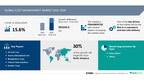
NEW YORK, Jan. 13, 2025 /PRNewswire/ — Report on how AI is driving market transformation – The global fleet management market size is estimated to grow by USD 52.23 billion from 2025-2029, according to Technavio. The market is estimated to grow at a CAGR of 15.6% during the forecast period. Rise in e-commerce and last-mile delivery is driving market growth, with a trend towards increasing adoption of telematics and autonomous vehicles. However, issues in gps connectivity poses a challenge. Key market players include AT and T Inc., Avrios International AG, Bridgestone Corp., Chevin Fleet Solutions, Donlen Corp., Element Fleet Management Corp., Fleetio, Geotab Inc., GPS Insight, GURTAM, Holman Inc., MiX Telematics Ltd., Motive Technologies Inc., NetraDyne Inc., Samsara Inc., Solera Holdings LLC, JSC Teltonika, TomTom NV, Trimble Inc., Verizon Communications Inc., Via Transportation Inc., and Vontier Corp..
AI-Powered Market Evolution Insights. Our comprehensive market report ready with the latest trends, growth opportunities, and strategic analysis- View Free Sample Report PDF
Forecast period
2025-2029
Base Year
2024
Historic Data
2019 – 2023
Segment Covered
Type (Subscription and Others), Vehicle Type (Commercial fleet and Passenger car), and Geography (North America, Europe, APAC, South America, and Middle East and Africa)
Region Covered
North America, Europe, APAC, South America, and Middle East and Africa
Key companies profiled
AT and T Inc., Avrios International AG, Bridgestone Corp., Chevin Fleet Solutions, Donlen Corp., Element Fleet Management Corp., Fleetio, Geotab Inc., GPS Insight, GURTAM, Holman Inc., MiX Telematics Ltd., Motive Technologies Inc., NetraDyne Inc., Samsara Inc., Solera Holdings LLC, JSC Teltonika, TomTom NV, Trimble Inc., Verizon Communications Inc., Via Transportation Inc., and Vontier Corp.
Key Market Trends Fueling Growth
Fleet management is a crucial aspect of transportation and logistics industries, helping fleet owners and managers optimize operational efficiency and reduce overhead costs. Trends in fleet management include routing and navigation solutions using GPS connectivity and services like Google Maps and satellite technology to overcome natural barriers. Fleet performance and fuel costs are key concerns, with fleet management solutions offering real-time visibility into vehicle location, driver behavior, and performance. Driver safety is another priority, with tools for scheduling, geofencing, and advanced routing to improve safety and reduce accidents. Fleet management systems also provide maintenance management, fuel management, and driver management features. Commercial vehicles, from light to heavy, are being transformed through connected vehicles, autonomous fleets, and fleet management software. Fleet management market growth is driven by the logistics industry’s need for increased efficiency and safety. Fleet size, logistic providers, and transportation enterprises all benefit from fleet management tools, which include hardware, software, and services. Asset management systems and solutions are also essential for financial tracking and inventory storage. Federal rules, such as electronic logging and the use of electronic logging devices, are shaping the fleet management landscape. The deployment of 5G and the Internet of Things is further revolutionizing fleet management, enabling real-time data processing and automation. Vehicle leasing companies, allied carriers, shippers, and freight and logistics providers are all adopting fleet management solutions to streamline their operations and stay competitive during the holiday shopping season and beyond.
The telematics industry took off with the advent of 2G telecommunication systems and GPS-based positioning, enabling the sharing of vehicle location details. Commercial vehicles now mandatorily use GPS navigation systems. The rise in autonomous vehicle investments will boost the adoption of sensors, connectivity devices, and network components. The increasing number of electronic control units, sensors, and wiring in autonomous vehicles necessitates a substantial amount of semiconductor components like sensors and integrated circuits (ICs). Self-driving cars rely on information from a connected car network and IoT for navigation.
Insights on how AI is driving innovation, efficiency, and market growth- Request Sample!
Market Challenges
Fleet management is a crucial aspect for transportation and logistics industries, helping fleet managers optimize operational efficiency and ensure safety. Challenges include routing, vehicle security, driver safety, fleet vehicle performance, fuel costs, and overhead costs. Fleet management solutions offer real-time visibility through GPS connectivity and navigation services like Google Maps and satellites. However, natural barriers and GPS signal disruptions can affect performance. Fleet owners face issues with fleet size, scheduling, and managing driver behavior. Advanced routing and geocoding help optimize routes, reducing fuel costs and distance traveled. Fleet management tools include hardware and software solutions for fuel management, maintenance management, and driver management. The fleet management market caters to commercial vehicles, from light to heavy, and connected vehicles. Logistics providers and transportation enterprises are transforming through automation, the Internet of Things, and 5G deployment. Asset management systems and financial solutions provide real-time tracking and monitoring for fleet vehicles, containers, and interconnected devices. Fleet management software offers on-premises and cloud-based solutions for car fleets, freight and logistics, and electronic logging. Fleet operators must comply with federal rules, including electronic logging devices. The holiday shopping season and last-mile delivery add to the complexity of fleet management. Vehicle leasing companies and allied carriers also benefit from fleet management solutions.The global fleet management market relies heavily on connectivity for real-time tracking and monitoring of vehicles. This requires a satellite and cellular communication network infrastructure. However, connectivity issues pose a significant challenge, particularly in areas with poor Internet infrastructure or weak cellular coverage. Suburban areas, highways, and some developing countries experience connectivity weaknesses. Moreover, remote mining locations often lack cellular connectivity. Ensuring reliable and high-speed Internet access is crucial for effective fleet management.
Insights into how AI is reshaping industries and driving growth- Download a Sample Report
Segment Overview
This fleet management market report extensively covers market segmentation by
Type 1.1 Subscription1.2 OthersVehicle Type2.1 Commercial fleet2.2 Passenger carGeography 3.1 North America3.2 Europe3.3 APAC3.4 South America3.5 Middle East and Africa
1.1 Subscription- Subscription-based fleet management solutions enable businesses to effectively manage their commercial fleets and personal vehicles with ease. These services offer flexibility in scaling services based on current needs, ensuring predictable and consistent costs for financial planning. Cloud-based systems require minimal hardware setup for quick deployment and include access to regular updates, new features, and improvements, ensuring access to the latest technologies. Integrated solutions offer features such as GPS tracking, telematics, fuel management, and maintenance tracking, streamlining fleet management processes. Subscription models from vendors like Azuga Inc. Provide real-time functions, sync with fleet management software, and allow unlimited users with customizable access levels. The growing demand for efficient fleet management and optimization has led to a strong presence of subscription offerings in the market, making this segment a significant contributor to the global fleet management market’s growth during the forecast period.
Download complimentary Sample Report to gain insights into AI’s impact on market dynamics, emerging trends, and future opportunities- including forecast (2025-2029) and historic data (2019 – 2023)
Research Analysis
Fleet management refers to the efficient overseeing of fleet vehicles, including commercial vehicles such as cars, light commercial vehicles, and heavy commercial vehicles. Fleet managers utilize fleet management solutions to optimize routing, ensure vehicle security, and promote driver safety. Real-time GPS connectivity and fleet management tools help monitor fleet performance, track distance traveled, and manage fuel costs. Driver behavior analysis and maintenance management are crucial components to minimize overhead costs and enhance fleet efficiency. Fuel management, weight/volume tracking, and automation through the Internet of Things and connected vehicles are also integral aspects of modern fleet management systems. Freight and logistics operators benefit significantly from these advanced solutions, reducing operational costs and improving productivity. Autonomous vehicles are the future of fleet management, offering increased safety, efficiency, and cost savings.
Market Research Overview
The Fleet Management Market is a dynamic and growing industry that caters to the needs of fleet managers, fleet owners, and transportation enterprises. Fleet management solutions enable optimal routing, vehicle security, driver safety, and fleet performance. These solutions help in reducing fuel costs, tracking distance traveled, and monitoring driver behavior to minimize overhead costs. GPS connectivity plays a crucial role in fleet management, with satellites and natural barriers influencing GPS signal strength. Fleet management tools include hardware, software, and services for commercial vehicles, light commercial vehicles, and heavy commercial vehicles. The logistics industry, including logistic providers and transportation network, significantly benefits from fleet management solutions for operational efficiency and safety. Fleet management systems offer fuel management, maintenance management, and driver management features. The market is witnessing the transformation of the transportation industry with the integration of advanced technologies such as the Internet of Things, automation, and 5G deployment. Asset management systems and tracking solutions are also gaining popularity for financial and operational benefits. The holiday shopping season and freight and logistics industries put additional pressure on fleet management, making real-time visibility, scheduling, and advanced routing essential. Electronic logging and electronic logging devices are mandatory for compliance with federal rules. Vehicle leasing companies and vehicle tracking are also part of the fleet management ecosystem.
Table of Contents:
1 Executive Summary
2 Market Landscape
3 Market Sizing
4 Historic Market Size
5 Five Forces Analysis
6 Market Segmentation
TypeSubscriptionOthersVehicle TypeCommercial FleetPassenger CarGeographyNorth AmericaEuropeAPACSouth AmericaMiddle East And Africa
7 Customer Landscape
8 Geographic Landscape
9 Drivers, Challenges, and Trends
10 Company Landscape
11 Company Analysis
12 Appendix
About Technavio
Technavio is a leading global technology research and advisory company. Their research and analysis focuses on emerging market trends and provides actionable insights to help businesses identify market opportunities and develop effective strategies to optimize their market positions.
With over 500 specialized analysts, Technavio’s report library consists of more than 17,000 reports and counting, covering 800 technologies, spanning across 50 countries. Their client base consists of enterprises of all sizes, including more than 100 Fortune 500 companies. This growing client base relies on Technavio’s comprehensive coverage, extensive research, and actionable market insights to identify opportunities in existing and potential markets and assess their competitive positions within changing market scenarios.
Contacts
Technavio Research
Jesse Maida
Media & Marketing Executive
US: +1 844 364 1100
UK: +44 203 893 3200
Email: media@technavio.com
Website: www.technavio.com/
View original content to download multimedia:https://www.prnewswire.com/news-releases/fleet-management-market-to-grow-by-usd-52-23-billion-from-2025-2029–driven-by-e-commerce-and-last-mile-delivery-with-ai-powered-market-evolution—technavio-302349384.html
SOURCE Technavio








 Technology4 days ago
 Coin Market5 days ago
 Coin Market4 days ago
 Technology4 days ago
 Technology4 days ago
 Technology4 days ago