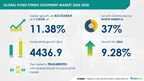
NEW YORK, Feb. 6, 2025 /PRNewswire/ — Report on how AI is driving market transformation – The global home fitness equipment market size is estimated to grow by USD 4.44 billion from 2024-2028, according to Technavio. The market is estimated to grow at a CAGR of 11.38% during the forecast period. Increased demand for home fitness equipment is driving market growth, with a trend towards increasing smartphone penetration. However, rising popularity of other forms of workouts poses a challenge. Key market players include ANTA Sports Products Ltd., Core Health and Fitness LLC, Decathlon SA, Dyaco International Inc., HOIST Fitness Systems Inc., Icon Health and Fitness Inc., Impulse Qingdao Health Tech Co. Ltd., Johnson Health Tech Co. Ltd., Life Fitness, Nautilus Inc., Origin Fitness Ltd., Paradigm Health and Wellness Inc., Rama Enterprises, TECHNOGYM S.p.A, Torque Fitness, True Fitness Technology Inc., Tunturi New Fitness BV, Wattbike Ltd., WOODWAY Inc., and XMark Fitness.
Key insights into market evolution with AI-powered analysis. Explore trends, segmentation, and growth drivers- View Free Sample PDF
Home Fitness Equipment Market Scope
Report Coverage
Details
Base year
2023
Historic period
2018 – 2022
Forecast period
2024-2028
Growth momentum & CAGR
Accelerate at a CAGR of 11.38%
Market growth 2024-2028
USD 4436.9 million
Market structure
Fragmented
YoY growth 2022-2023 (%)
9.28
Regional analysis
North America, Europe, APAC, South America, and Middle East and Africa
Performing market contribution
North America at 37%
Key countries
US, China, UK, Germany, and Japan
Key companies profiled
ANTA Sports Products Ltd., Core Health and Fitness LLC, Decathlon SA, Dyaco International Inc., HOIST Fitness Systems Inc., Icon Health and Fitness Inc., Impulse Qingdao Health Tech Co. Ltd., Johnson Health Tech Co. Ltd., Life Fitness, Nautilus Inc., Origin Fitness Ltd., Paradigm Health and Wellness Inc., Rama Enterprises, TECHNOGYM S.p.A, Torque Fitness, True Fitness Technology Inc., Tunturi New Fitness BV, Wattbike Ltd., WOODWAY Inc., and XMark Fitness
Market Driver
The home fitness equipment market is witnessing in demand as consumers prioritize healthy habits and the health benefits of regular fitness activities. Home gym equipment like biking, jogging, and swimming machines are popular choices for those seeking cardiovascular workouts. Innovative fitness products, such as smart treadmills with heart rate and distance covered sensors, are in high demand. Compact, foldable forms of equipment, like DeerRun’s under-desk treadmill, offer mobility and convenience. Smart dumbbells with built-in sensors and smart electronic devices like Bowflex SmartTech’s 560 dumbbell are revolutionizing strength training. Obesity, heart disease, diabetes, and cancer are significant health issues driving the market. Fitness technology-related trends include online fitness sessions, diet plans, and sales channels, both online and offline. Brands like Fitness Superstore and Life Fitness cater to this growing demand with cardiovascular training and strength training equipment. Accessibility features and convenience are essential for consumers, making flexibility exercises and stretching equipment, like foam rollers and yoga mats, increasingly popular. Lifestyle preferences and health and wellness are key factors influencing the market. Salesman and after-sale services are crucial for customer satisfaction. Exercise instruments like resistance bands, kettlebells, and multipurpose home gyms offer flexibility and mobility solutions. The market is worldwide, with developing and under-developed countries showing significant growth.
The global market for home fitness equipment is experiencing significant growth due to increasing smartphone penetration and improved internet connectivity. Countries with high smartphone usage, such as South Korea, Australia, Israel, the US, Spain, the UK, Canada, Chile, Malaysia, and Germany, are driving this trend. With the advent of 3G, 4G/LTE, and other innovative technologies, data consumption is on the rise. Connected fitness products and equipment, which enable users to track physical activity and collect data through mobile apps and wearable devices, are becoming increasingly popular. This market is expanding rapidly and is expected to continue its growth trajectory in the coming years.
Request Sample of our comprehensive report now to stay ahead in the AI-driven market evolution!
Market Challenges
The home fitness equipment market is witnessing in demand as consumers prioritize healthy habits and the health benefits of regular fitness activities. Home gym equipment, including biking, jogging, and swimming machines, cater to various fitness needs and preferences. Innovative products like smart treadmills with heart rate and distance covered tracking, compact and foldable forms, and under-desk treadmills, offer mobility and convenience. Brands like DeerRun, Bowflex SmartTech, and Life Fitness lead the market with advanced technology-driven equipment. Obesity, heart disease, diabetes, and cancer are significant health issues driving demand for home fitness equipment. Online fitness sessions, diet plans, and sales channels expand accessibility, reaching developing and under-developed countries. Fitness Superstore, Fitness and health, and Lifestyle are popular sales channels, offering both online and offline services, including after-sale support. Fitness technology-related products, such as smart dumbbells with built-in sensors, smart electronic devices, and resistance bands, cater to diverse fitness goals. Cardiovascular training equipment like rowing machines, elliptical trainers, and stationary bikes, along with strength training equipment like dumbbells, kettlebells, and resistance bands, provide flexibility and mobility solutions. Stretching equipment like foam rollers and yoga mats cater to lifestyle preferences and overall health and wellness. The fitness industry focuses on accessibility features, convenience, and time efficiency, making fitness technology an integral part of modern lifestyles. Aerobic workouts, strength training, and flexibility exercises are essential components of a comprehensive fitness routine. Fitness technology, combined with lifestyle changes, can help combat health issues and improve overall health.The home fitness equipment market faces challenges due to increasing popularity of alternative workout methods, such as yoga, HIIT, reiki, aerobics, and swimming. HIIT workouts, which involve short bursts of intense activity followed by brief recovery periods, are particularly impacting the market. CrossFit centers are gaining worldwide popularity, and fitness centers offer numerous HIIT classes. HIIT fitness videos are abundant, and bodyweight training, which relies on traditional exercises like push-ups, pull-ups, squats, lunges, and burpees, is on the rise. This trend reduces the demand for home fitness equipment.
Discover how AI is revolutionizing market trends- Get your access now!
Segment Overview
This home fitness equipment market report extensively covers market segmentation by
Distribution ChannelOfflineOnlineTypeCardiovascular Training EquipmentStrength Training EquipmentGeographyNorth AmericaEuropeAPACSouth AmericaMiddle East And Africa
1.1 Offline- The home fitness equipment market witnesses significant growth due to the expanding presence of retail outlets, including direct selling, distributors, department stores, and specialty stores. The offline segment’s growth is driven by the advantage of allowing customers to try and test the equipment before purchasing, as well as the availability of expert advice from customer-care professionals. Retail outlets cater to the demand for comparison shopping and a wide range of options. In regions with low internet penetration, retail sales are particularly popular. However, with consumers increasingly preferring home deliveries, vendors will need to strengthen their retail presence to maintain market share. This trend is expected to shape the growth of the offline segment of the global home fitness equipment market in the coming years.
Download a Sample of our comprehensive report today to discover how AI-driven innovations are reshaping competitive dynamics
Research Analysis
The home fitness equipment market is experiencing in demand as consumers prioritize healthy habits and the health benefits of regular exercise. Home fitness equipment offers convenience and flexibility, allowing individuals to incorporate stamina-building activities like biking, jogging, swimming, and more into their daily routine. Innovative fitness products, such as smart treadmills with built-in heart rate sensors and distance covered tracking, are becoming increasingly popular. Compact and foldable forms of equipment, like under desk treadmills, offer mobility for those with limited space. DeerRun’s offerings, including exercise instruments for aerobic workouts, strength training, flexibility exercises, and cardiovascular exercise, cater to various fitness needs. Fitness and health, lifestyle, and technology continue to intersect, making home fitness equipment a must-have for those seeking to improve their overall well-being. Rowing machines provide a full-body workout, adding versatility to any home gym setup.
Market Research Overview
The home fitness equipment market is witnessing in demand as consumers prioritize healthy habits and the health benefits of regular exercise. Home fitness equipment caters to various fitness activities, including biking, jogging, swimming, and more, allowing individuals to maintain their stamina and overall fitness from the comfort of their homes. Innovative fitness products, such as smart treadmills with built-in sensors that track heart rate and distance covered, are gaining popularity. Compact, foldable forms of equipment, like under-desk treadmills and smart dumbbells, offer mobility and convenience. The market for home fitness equipment is worldwide, with a growing emphasis on fitness technology-related products. Smart electronic devices, such as the Bowflex SmartTech 560 dumbbells, are revolutionizing strength training with built-in sensors that track resistance levels and progress. Obesity, heart disease, diabetes, and cancer are some health issues driving the demand for home fitness equipment. Online fitness sessions, diet plans, and sales channels, both online and offline, are expanding the reach of this market. Fitness Superstore, Life Fitness, and commercial gymnasiums are significant sales channels for cardiovascular training equipment and strength training equipment. Accessibility features, convenience, and time efficiency are key lifestyle preferences shaping the market. Exercise instruments, such as rowing machines, elliptical trainers, stationary bikes, treadmills, and resistance bands, cater to various fitness goals. Flexibility and mobility equipment, like stretching equipment and foam rollers, complement home fitness routines. The Global Wellness Institute reports that the fitness technology sector is expected to grow significantly in developing and under-developed countries. Salesman and after-sale services are crucial aspects of the home fitness equipment market.
Table of Contents:
1 Executive Summary
2 Market Landscape
3 Market Sizing
4 Historic Market Size
5 Five Forces Analysis
6 Market Segmentation
Distribution ChannelOfflineOnlineTypeCardiovascular Training EquipmentStrength Training EquipmentGeographyNorth AmericaEuropeAPACSouth AmericaMiddle East And Africa
7 Customer Landscape
8 Geographic Landscape
9 Drivers, Challenges, and Trends
10 Company Landscape
11 Company Analysis
12 Appendix
About Technavio
Technavio is a leading global technology research and advisory company. Their research and analysis focuses on emerging market trends and provides actionable insights to help businesses identify market opportunities and develop effective strategies to optimize their market positions.
With over 500 specialized analysts, Technavio’s report library consists of more than 17,000 reports and counting, covering 800 technologies, spanning across 50 countries. Their client base consists of enterprises of all sizes, including more than 100 Fortune 500 companies. This growing client base relies on Technavio’s comprehensive coverage, extensive research, and actionable market insights to identify opportunities in existing and potential markets and assess their competitive positions within changing market scenarios.
Contacts
Technavio Research
Jesse Maida
Media & Marketing Executive
US: +1 844 364 1100
UK: +44 203 893 3200
Email: media@technavio.com
Website: www.technavio.com/
View original content to download multimedia:https://www.prnewswire.com/news-releases/home-fitness-equipment-market-to-grow-by-usd-4-44-billion-2024-2028-increased-demand-for-home-fitness-equipment-boosts-the-market-report-on-ai-powered-market-evolution—technavio-302369519.html
SOURCE Technavio









 Technology5 days ago
 Technology5 days ago

 Coin Market4 days ago
 Coin Market5 days ago
 Technology4 days ago
 Coin Market4 days ago
 Technology4 days ago