Connect with us

Technology

Sharing Economy Market to Grow by USD 1.12 Trillion from 2025-2029, Driven by Online Ride-Hailing Growth, AI’s Role in Market Transformation – Technavio

Published

on

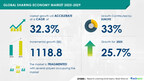
NEW YORK, Feb. 10, 2025 /PRNewswire/ — Report with market evolution powered by AI – The global sharing economy market  size is estimated to grow by USD 1.12 trillion from 2025-2029, according to Technavio. The market is estimated to grow at a CAGR of  32.3%  during the forecast period. Rising use of online ride-hailing services is driving market growth, with a trend towards growing adoption of blockchain technology in sharing economy market. However, regulatory challenges associated with sharing economy apps and platforms  poses a challenge. Key market players include Accor S.A., Airbnb Inc., Avis Budget Group Inc., Avis India, Bollore SE, cambio Mobilitatsservice GmbH and Co. KG, Comuto SA, Couchsurfing International Inc, DiDi Inc., DoorDash Inc., Eatwith, Expedia Group Inc., HomeRoom Inc, Homestay Technologies Ltd., HubbleHQ, JustPark Parking Ltd, Lyft Inc., Microsoft Corp., Neutron Holdings Inc., Practo Technologies Pvt. Ltd., SPOTAHOME S.L.U, Stashbee Ltd, Uber Technologies Inc., and WeWork Inc.

AI-Powered Market Evolution Insights. Our comprehensive market report ready with the latest trends, growth opportunities, and strategic analysis- View Free Sample Report PDF

Forecast period

2025-2029

Base Year

2024

Historic Data

2019 – 2023

Segment Covered

Type (Sharing accommodation, Sharing transport, Sharing finance, and Others), End-user (Individual and Business), and Geography (APAC, Europe, North America, South America, and Middle East and Africa)

Region Covered

APAC, Europe, North America, South America, and Middle East and Africa

Key companies profiled

Accor S.A., Airbnb Inc., Avis Budget Group Inc., Avis India, Bollore SE, cambio Mobilitatsservice GmbH and Co. KG, Comuto SA, Couchsurfing International Inc, DiDi Global Inc., DoorDash Inc., Eatwith, Expedia Group Inc., HomeRoom Inc, Homestay Technologies Ltd., HubbleHQ, JustPark Parking Ltd, Lyft Inc., Microsoft Corp., Neutron Holdings Inc., Practo Technologies Pvt. Ltd., SPOTAHOME S.L.U, Stashbee Ltd, Uber Technologies Inc., and WeWork Inc

Key Market Trends Fueling Growth

The Sharing Economy, also known as the Peer Economy, is revolutionizing the way we buy and sell goods, services, and even assets. This trend, driven by digital platforms and online markets, enables peer-to-peer transactions through ride-sharing services, home-sharing services, and peer-to-peer financing channels. It’s changing the face of capitalism, offering alternatives to conventional ownership models for commuters, travelers, and entrepreneurs. The Sharing Economy includes ride-sharing, short-term lodging services, delivery, pet care, freelancing platforms, and more. It caters to budget-conscious people, addressing their financial burdens and offering affordable services. This multidimensional strategy focuses on consumer loyalty, entrepreneurial innovation, and environmental responsibility. However, challenges such as consumer data privacy, security breaches, safety standards, and information security are crucial concerns. Regulations and data protection laws are essential to protect consumers’ expectations and ensure data security measures. The Sharing Economy is not limited to ride-sharing and lodging; it’s expanding into various sectors like finance, workspaces, and even entertainment. It’s a global phenomenon, with smartphone applications, real-time tracking, and secure payment methods making transactions seamless. The future of the Sharing Economy is promising, with trends like electric bikes, scooters, autonomous cars, and carpooling shaping the mobility scene. It’s a flexible, affordable, and sustainable way to access goods and services, making it an attractive option for Generation Z, Millennials, Generation X, and Boomers alike. 

The incorporation of blockchain technology into the sharing economy market holds immense potential for addressing fundamental challenges and fueling growth. Blockchain, a decentralized and distributed digital ledger system, offers immutable transaction records and smart contracts, bolstering security, transparency, and trust within this sector. A key advantage is the enhancement of identity verification and reputation systems. Blockchain ensures secure and transparent user identity validation, minimizing fraudulent activities. Reputation scores, essential for peer-to-peer transactions, can be securely stored on the blockchain, providing a dependable measure of trustworthiness for both service providers and consumers. 

Insights on how AI is driving innovation, efficiency, and market growth- Request Sample!

Market Challenges

The Sharing Economy Market, also known as the Peer Economy, is revolutionizing the way we consume goods, services, and assets. This business model allows individuals to rent, share, or exchange resources through digital platforms, facilitating peer-to-peer transactions. Ride-sharing services, home-sharing services, peer-to-peer financing channels, co-working facilities, and freelancing platforms are some examples. However, this market faces challenges. Environmental responsibility, affordability, and consumer expectations call for sustainable, flexible, and affordable services. Traditional ownership models are being disrupted, with budget-conscious people turning to sharing economy alternatives. Security and privacy concerns arise from digital platforms and real-time tracking, requiring data security measures and compliance with data protection laws. Safety standards and information security are essential for consumer trust. Exploitation and fairness are also issues that need addressing. Technology adoption, including smartphone applications, artificial intelligence, and contactless payment systems, is crucial for scalability and user experience. The shared mobility industry, including ride-sharing, electric bikes, scooters, and autonomous cars, is a significant part of this market. The sharing economy impacts various demographics, including Generation Z, Millennials, Generation X, and Boomers, who use mobile apps for ride-sharing, short-term rental properties, peer-to-peer lending, and collaborative work environments. Entrepreneurial innovation and community-based online platforms are driving this multidimensional strategy, which also includes entertainment and telecommunication, transportation, hospitality, and information and knowledge sharing. The challenges for ride-sharing services businesses, short-term rental properties, and peer-to-peer lending include cancellations, cleanliness, safety, and vehicle cleaning requirements. The shared economy market is a dynamic and evolving landscape that requires a comprehensive, adaptive approach.The sharing economy market faces challenges due to ambiguous regulations and fragmented legal frameworks across different regions. This lack of clear and consistent regulations may discourage innovation and investment in new technologies or services, stifling creativity and limiting the market’s potential for transformative solutions. Inconsistent regulations can also lead to market fragmentation, making it difficult for platforms to operate across borders and scale up, ultimately hindering their ability to reach new customers. These regulatory hurdles can hinder the growth and development of the global sharing economy market.

Insights into how AI is reshaping industries and driving growth- Download a Sample Report

Segment Overview 

This sharing economy market report extensively covers market segmentation by

TypeSharing AccommodationSharing TransportSharing FinanceOthersEnd-userIndividualBusinessGeographyAPACEuropeNorth AmericaSouth AmericaMiddle East And Africa

1.1 Sharing accommodation-  The sharing accommodation segment of the global market is driven by individuals and travelers seeking cost-effective, flexible alternatives to traditional lodging. Silvernest, HomeRoom, and CouchSurfing are key vendors in this sector. Silvernest focuses on older adults seeking shared living arrangements, HomeRoom caters to the academic community, and CouchSurfing promotes cultural exchange through free home-stays. These platforms foster community building and provide unique, personalized travel experiences. Technological advancements facilitate secure transactions, and the rising demand for cost-effective and authentic experiences will drive growth in the sharing economy market through the sharing accommodation segment.

Download complimentary Sample Report to gain insights into AI’s impact on market dynamics, emerging trends, and future opportunities- including forecast (2025-2029) and historic data (2019 – 2023) 

Research Analysis

The Sharing Economy, also known as the Peer Economy, is a market model that enables direct interactions between individuals to rent, share, and exchange goods, services, and assets through digital platforms. This economic system is transforming traditional capitalism by promoting community-based online platforms for peer-to-peer transactions. The Sharing Economy includes various sectors such as transportation (ride-sharing services), hospitality (home-sharing services), and even peer-to-peer financing channels. It offers flexible, affordable, and sustainable services in areas like co-working facilities, freelancing platforms, and information and knowledge exchange. These digital marketplaces facilitate the efficient use of resources, promote environment-friendly practices, and foster a culture of circularity. Mobile apps have made it easier than ever to participate in the Sharing Economy, making it an essential part of modern consumer behavior.

Market Research Overview

The Sharing Economy Market, also known as the Peer Economy, is a revolutionary capitalist model that enables the exchange and sharing of goods, services, and assets through online markets and digital platforms. This multidimensional strategy connects individuals and businesses for peer-to-peer transactions, including renting, sharing, and exchanging. Ride-sharing services, home-sharing services, peer-to-peer financing channels, co-working facilities, and freelancing platforms are just a few examples of this collaborative economy. Environmental responsibility is a key focus, with short-term lodging services, ride-sharing, and delivery services offering more affordable and eco-friendly alternatives to conventional ownership models. Consumer loyalty is fostered through budget-conscious offerings and entrepreneurial innovation. However, challenges include consumer data privacy, security breaches, safety standards, and information security. Regulations and data protection laws are essential to ensure consumer expectations are met and exploitation is prevented. The sharing economy encompasses various sectors such as transportation, hospitality, information and knowledge, and entertainment and telecommunication. It caters to different generations, including Generation Z, Millennials, Generation X, and Boomers, through mobile apps, websites, and real-time tracking. The shared mobility industry continues to evolve with the adoption of technology, including smartphone applications, electric bikes, scooters, autonomous cars, and contactless payment systems. Cleanliness, safety, and flexible services are essential to maintaining consumer trust. The future of the sharing economy includes the scalability of user-friendly platforms, the mobility scene, and the integration of artificial intelligence. This market offers opportunities for micro-entrepreneurs, gig workers, and underutilized resources, creating a circular and sustainable economy.

Table of Contents:

1 Executive Summary
2 Market Landscape
3 Market Sizing
4 Historic Market Size
5 Five Forces Analysis
6 Market Segmentation

TypeSharing AccommodationSharing TransportSharing FinanceOthersEnd-userIndividualBusinessGeographyAPACEuropeNorth AmericaSouth AmericaMiddle East And Africa

7 Customer Landscape
8 Geographic Landscape
9 Drivers, Challenges, and Trends
10 Company Landscape
11 Company Analysis
12 Appendix

About Technavio

Technavio is a leading global technology research and advisory company. Their research and analysis focuses on emerging market trends and provides actionable insights to help businesses identify market opportunities and develop effective strategies to optimize their market positions.

With over 500 specialized analysts, Technavio’s report library consists of more than 17,000 reports and counting, covering 800 technologies, spanning across 50 countries. Their client base consists of enterprises of all sizes, including more than 100 Fortune 500 companies. This growing client base relies on Technavio’s comprehensive coverage, extensive research, and actionable market insights to identify opportunities in existing and potential markets and assess their competitive positions within changing market scenarios.

Contacts

Technavio Research
Jesse Maida
Media & Marketing Executive
US: +1 844 364 1100
UK: +44 203 893 3200
Email: media@technavio.com
Website: www.technavio.com/

View original content to download multimedia:https://www.prnewswire.com/news-releases/sharing-economy-market-to-grow-by-usd-1-12-trillion-from-2025-2029–driven-by-online-ride-hailing-growth-ais-role-in-market-transformation—technavio-302372177.html

SOURCE Technavio

Continue Reading
Click to comment

Leave a Reply

Your email address will not be published. Required fields are marked *

Technology

TELUS transforms legacy telecommunications site into 195 new homes for Nanaimo

Published

on

By

Across Canada, demand for rental housing continues to outpace supply. TELUS Living is helping address this challenge by transforming existing TELUS properties into smart, sustainable homes in communities where new housing is needed most.

NANAIMO, BC, July 23, 2026 /CNW/ — TELUS Living today opened a new 195-home purpose-built rental community in downtown Nanaimo, transforming a former telecommunications property into smart, sustainable housing that helps address one of Canada’s most pressing challenges: increasing rental supply in growing communities. Located at 235 Wallace St, the multi-storey, mixed-use build features 195 purpose-built rental units, providing much-needed housing supply to downtown Nanaimo, while thoughtfully honouring the city’s unique coastal identity and heritage.

The Nanaimo development is part of TELUS’ long-term strategy to repurpose legacy telecommunications infrastructure into purpose-built rental housing as the company modernizes its network and completes the transition from copper to PureFibre technology. The Nanaimo community joins TELUS Living’s growing portfolio of developments that are transforming underutilized TELUS properties into housing across Canada.

“The Nanaimo development represents exactly what TELUS Living stands for by providing purpose-built rental housing tailored to the specific needs of the community it serves. We’ve designed 235 Wallace St with Nanaimo’s unique character in mind, offering a curated lifestyle that blends a climate-conscious, Zero Carbon Design approach with top-tier wellness and smart-tech amenities,” said Manasweeta Bhatia, Vice President of Corporate Real Estate at TELUS. “We shape every TELUS Living project by listening to the community, understanding its unique identity and design needs, and building accordingly. Its central downtown location and proximity to both Vancouver Island University and Nanaimo Regional General Hospital also position it as an ideal home for students, educators, and healthcare workers seeking modern, connected living.”

“More housing and good jobs are a win-win for downtown Nanaimo,” said Sheila Malcolmson, MLA for Nanaimo-Gabriola Island. “Adding to the approximately 1,500 affordable homes our B.C. government has completed and underway in Nanaimo, it’s great to see TELUS stepping up with 195 new units. It’s been great to see hundreds of construction and indirect jobs in town, and I can’t wait to see folks move into their new homes.”

“I’m thrilled to see a new rental option in downtown Nanaimo, and especially excited that this conversion was made with sustainability and active transportation in mind,” said George Anderson, MLA for Nanaimo-Lantzville. “Ensuring everyone can find homes they can afford in the communities they love requires creative approaches, and I hope to see more creativity like this in the future.”

“I’m delighted to celebrate the opening of TELUS Living Nanaimo, a landmark project that strengthens our downtown as a vibrant, inclusive place to live,” said Leonard Krog, Mayor of Nanaimo. “This partnership between the City of Nanaimo, our community, and TELUS demonstrates what’s possible when we work together toward shared goals. The addition of nearly 200 diverse housing options is exactly what our city needs, and we’re excited about the positive impact this will have on our community. TELUS’ commitment to our city and investment in our future will contribute to Nanaimo’s economic and social vitality.”

Situated within walking distance of downtown’s vibrant cafes, eclectic Old City Quarter, the iconic Harbourfront Walkway, and a short transit ride from Vancouver Island University and Nanaimo Regional General Hospital, the development is architecturally designed to blend classic and contemporary exterior elements. Curated for modern living, the community offers an expansive suite of indoor and outdoor social amenities alongside street-level retail and public art contributions.

Project Highlights:

Smart-Enabled Living: Powered by the TELUS PureFibre network, the custom TELUS Living App provides keyless entry, smart climate control, leak detection, parcel notifications, visitor management, and amenity bookings.Social & Wellness Amenities: Features a rooftop deck with an outdoor kitchen, BBQs, and panoramic views, alongside a state-of-the-art fitness centre and resident lounge.Pet & Active Lifestyle Ready: Equipped with a dedicated children’s outdoor play area, outdoor bark park and pet care station, secure underground parking, bike storage and maintenance facilities.Premium Functional Interiors: Studio to three-bedroom layouts include private balconies, individual A/C with Energy Recovery Ventilators (ERVs) for optimal air quality, Samsung SmartThings appliances, and in-suite laundry.Gold-Standard Sustainability: Sets a Vancouver Island benchmark aligned with Zero Carbon Design standards and Salmon-Safe development guidelines that actively protects local ecosystems.

This opening marks a significant milestone in TELUS Living’s mission to transform existing real estate holdings into purpose-built rentals that bridge the housing gap with smart, sustainable, and community-focused developments. As TELUS completes its transition from legacy copper to advanced fibre networks, the company is transforming its historic central offices–which once served as the backbone of B.C.’s phone system–into vibrant, smart, purpose-built rental communities. TELUS Living is breathing new life into these properties to help address Canada’s housing crisis. For more details on TELUS Living Nanaimo or to view available floor plans, please visit telusliving.com/nanaimo.

About TELUS

TELUS (TSX: T, NYSE: TU) is a world-leading communications technology company operating in more than 45 countries and generating over $20 billion in annual revenue with more than 17 million customer connections through our advanced suite of broadband services for consumers, businesses and the public sector. We are committed to leveraging our technology to enable remarkable human outcomes. TELUS is passionate about putting our customers and communities first, leading the way globally in client service excellence and social capitalism. TELUS Health is enhancing approximately 170 million lives across 200 countries and territories through innovative preventive medicine and well-being technologies. TELUS Agriculture & Consumer Goods utilizes digital technologies and data insights to optimize the connection between producers and consumers. TELUS Digital specializes in digital customer experiences and future-focused digital transformations that deliver value for their global clients. Guided by our enduring ‘give where we live’ philosophy, TELUS continues to invest in initiatives that support education, health and community well-being. In 2023, we launched the TELUS Student Bursary, which strives to ensure that every young person in Canada who wants a postsecondary education has the opportunity to pursue one. To date, the program has distributed over $6 million in bursaries to 2,000 students and counting. Since 2000, TELUS, our team members and retirees have contributed $1.85 billion in cash, in-kind contributions, time and programs, including 2.5 million days of service–earning TELUS the distinction of the world’s most giving company.

For more information, visit telus.com.

For more information, please contact:
Brandi Rees
TELUS Public Relations
brandi.rees@telus.com 

SOURCE TELUS Communications Inc.

Continue Reading

Technology

Marquis Who’s Who Honors Rupin Chothani for Engineering Leadership

Published

on

By

UNIONDALE, N.Y., July 23, 2026 /PRNewswire/ — Marquis Who’s Who honors Rupin Chothani for his leadership in engineering and project management. With more than two decades of professional experience to his credit, Mr. Chothani leverages a unique expertise in fire and petrochemical solutions to find success in his field. As project manager, project engineer and proposal manager at Technip Energies N.V., Mr. Chothani ensures effective results.

Drawn to Engineering

Coming from a family of engineers, Mr. Chothani was naturally drawn to the profession. This inclination was reinforced by comprehensive aptitude and attitude tests administered at the age of 14, which highlighted his strengths in engineering and architecture. Ultimately, this direction reinforced his determination to pursue a degree in mechanical engineering.

By 2003, Mr. Chothani earned a Bachelor of Science in Mechanical Engineering at the University of Mumbai. After a brief role as a junior manufacturing engineer at Artech Cooling Tower Pvt. Ltd., he completed a Master of Science in Mechanical Engineering at the University of Bridgeport in 2006. In addition to these degrees, Mr. Chothani later achieved AutoCAD certification.

Following his graduation in 2006, Mr. Chothani joined CB&I Lummus / ABB Lummus Heat Transfer (now Lummus Technology) as a thermal engineer. Though his work at Lummus Technology lasted only three years, Mr. Chothani was greatly influenced by mentor figures at the company. These mentors, including Ken Catala, Peter Harvard, Chin Dang and Miller Alanath Carter, provided essential guidance.

Building a Family

In December 2008, Mr. Chothani married his wife, Cathy. Along with his son and daughter, his family has contributed richly to his success in engineering and they continue to inspire him to excel. In addition to their support, Mr. Chothani recognizes that there is no alternative to hard work and dedicated learning.

From Lummus Technology to Technip Energies N.V.

Following his work at Lummus Technology, Mr. Chothani worked with Maco Corporation India Pvt. Ltd. By 2011, he joined Complete Heat Transfer Solutions – Environ Energy Systems as a thermal and mechanical engineer. By 2013, Mr. Chothani became a part of Technip Energies N.V. as a furnace mechanical engineer. By 2023, he added to this role and became a project manager, project engineer and proposal manager at the company.

In his current role at Technip Energies N.V., Mr. Chothani is responsible for a variety of essential duties. He manages and executes on engineering projects for ethylene cracking furnaces and heaters, and oversees proprietary technologies. Additionally, he actively coordinates with procurement, logistics, mechanical engineering and process engineering teams to ensure effective results.

Plans for the Future

Moving forward, Mr. Chothani hopes to advance his project management skills, particularly within the firejet industry. At the same time, he aims to share his knowledge of the industry with the next generation of professionals. Outside of his professional ambitions, Mr. Chothani intends to prepare his children to find success, inspiring them and their peers with hands-on experiments and full-day events.

About Marquis Who’s Who®:

Since 1899, when A. N. Marquis printed the First Edition of Who’s Who in America®, Marquis Who’s Who® has chronicled the lives of the most accomplished individuals and innovators from every significant field, including politics, business, medicine, law, education, art, religion and entertainment. Who’s Who in America® remains an essential biographical source for thousands of researchers, journalists, librarians and executive search firms worldwide. The suite of Marquis® publications can be viewed at the official Marquis Who’s Who® website, www.marquiswhoswho.com.

Marquis Who’s Who
Uniondale, NY
(844) 394 – 6946
info@marquiswhoswho.com
www.marquiswhoswho.com

View original content to download multimedia:https://www.prnewswire.co.uk/news-releases/marquis-whos-who-honors-rupin-chothani-for-engineering-leadership-302833756.html

Continue Reading

Technology

COALITION OF INDEPENDENT INTERNET PROVIDERS ASKS CRTC TO FIX ERRORS IN WHOLESALE FIBRE RATES

Published

on

By

Coalition of competitive ISPs say current fibre rates make competition impossible and threatens to harm millions of Canadian consumers

CHATHAM, ON, July 23, 2026 /CNW/ — A coalition of independent internet service providers (the Coalition) led by TekSavvy Solutions Inc. (TekSavvy) today applied to the Canadian Radio-Television and Telecommunications Commission (CRTC) to review and vary Telecom Order 2026-77, which set final wholesale rates for fibre internet services. In that decision, the CRTC approved wholesale rates for fibre internet services that are higher than the retail prices charged by the large carriers. This makes competition impossible, as independent providers are forced to either sell at a loss or set prices above the large carriers, leaving millions of Canadian consumers without competitive options for essential internet services.

The application identifies key errors that led the CRTC to approve severely inflated final wholesale rates, which make it economically impossible for independent providers to compete. The Coalition argues that the CRTC’s incorrect rates negate the very purpose of Canada’s wholesale framework, which is to foster competition in retail broadband markets. Specifically, the Coalition asks the CRTC to make three key changes to Telecom Order 2026-77:

Eliminate one cost factor that is inconsistent with the CRTC’s established costing principles, which artificially increased fibre wholesale rates by an estimated 25% to 30% (the Adjustment Factor).Reduce another element of the costing that is inflated above reasonable levels: The Coalition calls on the CRTC to reduce the markup applied to wholesale fibre services from 30% to 15%, reflecting declining costs, operational efficiencies, and the need to support competition.Correct technical errors relating to certain wholesale fibre speed descriptions.

“Canadians were promised greater competition for fibre internet services, but these rates make competition impossible.” said Andy Kaplan-Myrth, TekSavvy’s Vice President of Regulatory and Carrier Affairs. “The CRTC must correct these errors to ensure its wholesale rates promote broadband competition that challenges the market power of monopoly incumbents, lowers prices, and increases consumer choice.”

About the Coalition

The Coalition consists of competitive telecommunications providers and industry associations advocating for fair wholesale access to fibre networks and a competitive broadband marketplace that delivers affordable, high-quality Internet services to Canadians, including: TekSavvy Solutions Inc., BC Broadband Association (“BCBA”), Canada-Wide Internet Service Providers Association (“CanWISP”), Fibernetics Inc., ISP Telecom Inc., National Capital FreeNet Inc., Novus Entertainment Inc. and Purple Cow Internet Inc.

About TekSavvy Solution Inc.

Based in Chatham, Ontario, TekSavvy is Canada’s largest independent telecom service company. TekSavvy has been proudly delivering award-winning services and fighting for consumers’ rights for nearly 30 years. TekSavvy is committed to providing quality competitive choice and closing Canada’s digital divide.

SOURCE TekSavvy Solutions Inc.

Continue Reading

Trending