Technology
Mobile Application Market to Grow by USD 2.63 Trillion from 2025-2029, Driven by Smartphone Penetration, Report on How AI is Driving Market Transformation – Technavio
Published
1 year agoon
By
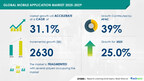
NEW YORK, Feb. 14, 2025 /PRNewswire/ — Report with the AI impact on market trends – The global mobile application market size is estimated to grow by USD 2.63 trillion from 2025-2029, according to Technavio. The market is estimated to grow at a CAGR of 31.1% during the forecast period. Growing penetration of smartphones is driving market growth, with a trend towards increasing number of mobile apps for iot device. However, cost associated with mobile app development and operation poses a challenge. Key market players include Amazon.com Inc., ANI Technologies Pvt. Ltd., ASICS Corp., Canva Pty Ltd., Electronic Arts Inc., Google LLC, Grab Holdings Ltd., Meta Platforms Inc., Microsoft Corp., Mozilla Corp., Netflix Inc., Niantic Inc., One97 Communications Ltd., Spotify Technology SA, The Gap Inc., Uber Technologies Inc., Ubisoft Entertainment SA, Walmart Inc., Xiaomi Inc., and Zomato Ltd..
AI-Powered Market Evolution Insights. Our comprehensive market report ready with the latest trends, growth opportunities, and strategic analysis- View Free Sample Report PDF
Forecast period
2025-2029
Base Year
2024
Historic Data
2019 – 2023
Segment Covered
Platform (Android market, iOS market, and Others), Type (Gaming, Music and entertainment, Health and fitness, Social networking, and Others), and Geography (APAC, North America, Europe, South America, and Middle East and Africa)
Region Covered
APAC, North America, Europe, South America, and Middle East and Africa
Key companies profiled
Amazon.com Inc., ANI Technologies Pvt. Ltd., ASICS Corp., Canva Pty Ltd., Electronic Arts Inc., Google LLC, Grab Holdings Ltd., Meta Platforms Inc., Microsoft Corp., Mozilla Corp., Netflix Inc., Niantic Inc., One97 Communications Ltd., Spotify Technology SA, The Gap Inc., Uber Technologies Inc., Ubisoft Entertainment SA, Walmart Inc., Xiaomi Inc., and Zomato Ltd.
Key Market Trends Fueling Growth
The mobile application industry is booming with the increasing popularity of smartphones and high-speed internet usage. Artificial intelligence (AI) and machine learning (ML) are trending technologies, with companies like Ubisoft Entertainment integrating them into mobile games for enhanced user experience. Revenue models include in-game purchases, paid game applications, and in-app advertisements. Security is a concern, with businesses and consumers requiring advanced solutions to protect data collection practices. Emerging areas like AR and VR, online shopping, food ordering, and digital payments are driving strong download rates. Android smartphone sales dominate the market, but iOS and Windows also have significant user bases. PC software faces competition due to mobile devices’ simplicity of usage and expanding client base. Advanced technologies like ML and cloud computing offer benefits to both businesses and consumers. However, emerging threats require cost-effective security solutions to ensure a seamless user experience. Flexibility and scalability are crucial for meeting consumer requirements and expanding into new markets, including developing areas and emerging economies. Creative mobile applications, from games to calculators, are driving efficiency and productivity. Wearable devices like smartwatches, fitness trackers, and tablets offer functionality beyond traditional infrastructure, with GPS, accelerometers, and heart rate monitors enhancing the user experience. The future of the mobile application industry lies in integration with smart items and wearable technology.
The Internet of Things (IoT) refers to the connection of physical devices, objects, and machines through software and sensors over a network. The market for IoT devices is expanding rapidly due to their convenience, user-friendliness, and mobility features. This growth is fueled by the integration of IoT devices with smartphones via mobile applications. In 2023, approximately 1.14 billion smartphones were shipped, a slight decrease of 4% compared to the previous year. The increasing number of smartphones presents an opportunity for integration with various IoT devices, such as smartwatches and eyeglasses, through mobile apps.
Insights on how AI is driving innovation, efficiency, and market growth- Request Sample!
Market Challenges
The mobile application industry is booming, with smartphones and high-speed internet usage driving growth. Artificial intelligence (AI) and machine learning (ML) are transforming apps, from gaming technology with AR and VR, to e-commerce and online shopping. Revenue models include in-game purchases, paid apps, and in-app advertisements. However, businesses face challenges like mobile application security and data collection practices. Ubisoft Entertainment and others leverage AI for advanced technologies like cloud computing, offering benefits for both businesses and consumers. Emerging threats require cost-effective security solutions. The popularity of mobile devices for simplicity of usage and expanding client bases in developing areas is driving digitization investments. E-commerce, enterprise applications, health & fitness, and gaming apps dominate strong download rates. High-speed connectivity and cost-effective data plans open new markets and user bases in emerging economies. Traditional infrastructure faces disruption from creative mobile applications and wearable technology like smartwatches, tablets, and fitness trackers. Businesses’ reluctance to digitize slows progress in underdeveloped areas. However, the benefits of efficiency, productivity, and a seamless user experience are compelling. GPS, accelerometers, and heart rate monitors are just the beginning of what’s possible with advanced mobile technologies.Mobile applications are essential tools designed to simplify user activities through technological support. While the development cost of mobile apps is relatively low, post-development support activities are increasingly in demand. These activities include administrative, maintenance, and infrastructure services, which are crucial for app deployment and operational lifecycle. Functional services, such as analytics and push notifications, are also necessary for mobile apps to function effectively. Collectively, these support services incur higher costs than the development process itself.
Insights into how AI is reshaping industries and driving growth- Download a Sample Report
Segment Overview
This mobile application market report extensively covers market segmentation by
PlatformAndroid MarketIOS MarketOthersTypeGamingMusic And EntertainmentHealth And FitnessSocial NetworkingOthersGeographyAPACNorth AmericaEuropeSouth AmericaMiddle East And Africa
1.1 Android market- The Android operating system is a prominent platform for mobile application release in the global market, with the Google Play Store hosting approximately 3.95 million apps as of 2023. The popularity of Android OS is due to the widespread use of Android smartphones worldwide, making it an attractive choice for developers. Notable apps like Google Drive and Tinder are top earners on the Google Play Store. However, Android apps face challenges such as lower monetization rates and longer development times due to fragmentation. Despite this, the launch of new Android OS features, such as AI capabilities and improved navigation, is expected to boost user adoption and fuel market growth. However, iOS apps currently have a larger consumer spending base due to their higher monetization rates. Major acquisitions in the tech industry, such as Microsoft’s purchase of Activision Blizzard for USD68.7 billion, demonstrate the significant value of mobile applications and the competitive landscape. In 2023, Android made strides in improving customer service, leading to the launch of innovative apps like Lensa, Photo editor Pro, and Glitch Lab. This positive momentum indicates that the Android apps segment in the mobile application market will experience favorable growth in the forecast period.
Download complimentary Sample Report to gain insights into AI’s impact on market dynamics, emerging trends, and future opportunities- including forecast (2025-2029) and historic data (2019 – 2023)
Research Analysis
The mobile application industry has seen explosive growth with the widespread use of smartphones and increasing internet penetration. Artificial intelligence and machine learning are transforming mobile apps, enabling personalized user experiences. The Google Play Store and App Store are the leading marketplaces for downloading apps, offering a vast selection of gaming technology, social media, productivity tools, and more. Gaming apps, including AR and VR experiences, dominate the market, generating significant revenue through in-game purchases and in-app advertisements. Other popular categories include online shopping, food ordering, digital payments, and premium apps. Demographic factors play a crucial role in app usage, with different age groups and regions favoring specific types of apps. Operating systems (OS) also influence the mobile application landscape, with Android and iOS being the most common. Security concerns and data collection practices are essential issues in the mobile app industry, with privacy policies becoming increasingly important to users. Overall, the mobile application market continues to evolve, offering endless opportunities for innovation and growth.
Market Research Overview
The mobile application industry is experiencing exponential growth, fueled by the widespread use of smartphones and high-speed internet usage. Artificial intelligence (AI) and machine learning (ML) technologies are revolutionizing mobile apps, offering advanced functionalities and personalized experiences. Gaming technology, augmented reality (AR), and virtual reality (VR) are also driving innovation, with strong download rates for gaming apps. Revenue models include in-game purchases, paid game applications, and in-app advertisements. The industry benefits businesses and consumers alike, providing efficiency, productivity, and flexibility. However, emerging threats such as mobile application security and data collection practices require cost-effective security solutions. The popularity of mobile devices for online shopping, food ordering, digital payments, and other services continues to expand, with Android smartphone sales leading the market. The OS war between Android and iOS persists, with Windows and PC software offering limited functionality on mobile devices. The industry’s expansion is not limited to developed areas; emerging economies and developing areas are also investing in digitization and mobile connectivity. Creative mobile applications for wearable devices, tablets, smartwatches, and fitness trackers offer seamless user experiences, with features like GPS, accelerometers, and heart rate monitors enhancing functionality.
Table of Contents:
1 Executive Summary
2 Market Landscape
3 Market Sizing
4 Historic Market Size
5 Five Forces Analysis
6 Market Segmentation
PlatformAndroid MarketIOS MarketOthersTypeGamingMusic And EntertainmentHealth And FitnessSocial NetworkingOthersGeographyAPACNorth AmericaEuropeSouth AmericaMiddle East And Africa
7 Customer Landscape
8 Geographic Landscape
9 Drivers, Challenges, and Trends
10 Company Landscape
11 Company Analysis
12 Appendix
About Technavio
Technavio is a leading global technology research and advisory company. Their research and analysis focuses on emerging market trends and provides actionable insights to help businesses identify market opportunities and develop effective strategies to optimize their market positions.
With over 500 specialized analysts, Technavio’s report library consists of more than 17,000 reports and counting, covering 800 technologies, spanning across 50 countries. Their client base consists of enterprises of all sizes, including more than 100 Fortune 500 companies. This growing client base relies on Technavio’s comprehensive coverage, extensive research, and actionable market insights to identify opportunities in existing and potential markets and assess their competitive positions within changing market scenarios.
Contacts
Technavio Research
Jesse Maida
Media & Marketing Executive
US: +1 844 364 1100
UK: +44 203 893 3200
Email: media@technavio.com
Website: www.technavio.com/
View original content to download multimedia:https://www.prnewswire.com/news-releases/mobile-application-market-to-grow-by-usd-2-63-trillion-from-2025-2029–driven-by-smartphone-penetration-report-on-how-ai-is-driving-market-transformation—technavio-302376211.html
SOURCE Technavio
You may like
Technology
Care Career Announces Acquisition of MAS Medical Staffing, Completing Its First Acquisition Phase and Expanding Annual Revenue Beyond $150 Million, with a Path to Exceed a Quarter Billion by the End of 2026 Through Additional Acquisitions and Organic Growth
Published
24 minutes agoon
July 24, 2026By
WOODBRIDGE, N.J., July 24, 2026 /PRNewswire/ — Care Career, a rapidly growing healthcare workforce technology organization, today announced the acquisition of MAS Medical Staffing, one of the Northeast’s leading healthcare workforce organizations. Financial terms of the transaction were not disclosed.
The acquisition represents Care Career’s seventh strategic acquisition in the past 24 months, further strengthening the company’s position as one of the largest healthcare workforce organizations in the United States while accelerating its strategy to redefine the future of healthcare workforce management through artificial intelligence, enterprise technology, and workforce innovation.
MAS Medical Staffing has built an outstanding reputation for delivering high-quality workforce solutions through strong client relationships, exceptional clinician engagement, and deep regional expertise throughout the Northeastern United States. The acquisition significantly expands Care Career’s geographic footprint while broadening its access to healthcare professionals, client relationships, workforce data, and regional market intelligence.
Care Career is building a technology-enabled workforce ecosystem powered by its AI-powered workforce platform, where every acquisition contributes not only additional market presence, but also expanded data, enhanced artificial intelligence capabilities, digital innovation, and operational scale that continuously improve the experience for clients and clinicians alike. As the platform grows, every clinician engagement, client interaction, credential, placement, and workforce trend strengthens the intelligence of Career’s technology, creating a continuously improving ecosystem designed to deliver faster, smarter, and more effective workforce solutions.
The acquisition also brings MAS Medical Staffing’s MAESTRA® engagement technology, along with its client relationships and clinician network, directly onto Career’s AI-powered workforce platform. MAESTRA’s scheduling, credentialing, and communication capabilities will be integrated into Care Career’s existing technology stack, further enhancing clinician engagement across onboarding, scheduling, and career management while providing healthcare organizations with greater workforce visibility and operational efficiency.
“Our vision is to build the AI-powered infrastructure that modernizes healthcare workforce management,” said Siva Konatham, Group President and Chief Executive Officer of Care Career. “Under my leadership, Care Career is focused on transforming a fragmented, labor-intensive industry into a data-driven, technology-enabled ecosystem that improves speed, efficiency, and workforce visibility for healthcare providers. Each acquisition strengthens our platform intelligence, expands our scale, and enhances our margin potential. By integrating advanced analytics, AI automation, and digital engagement tools, we are not just growing revenue—we are building a smarter, more scalable model positioned to lead the next era of healthcare workforce solutions.”
The combined organization will leverage expanded recruiting resources, centralized credentialing, advanced workforce analytics, AI-enabled automation, and digital engagement technologies—all powered by Care Career’s AI-powered workforce platform—to deliver broader recruiting capabilities, faster response times, enhanced workforce insights, and expanded national coverage. Clinicians will benefit from a seamless digital experience that simplifies every stage of their careers—from job discovery and credentialing to onboarding, scheduling, communication, and long-term career development.
With seven strategic acquisitions completed in less than two years, representing the first round of acquisitions now totaling more than $150 million in annual revenue, Care Career has rapidly expanded its national presence while executing a disciplined growth strategy focused on technology integration, operational excellence, and workforce innovation. The company has also signed additional Letters of Intent with other entities with expected close dates in the third quarter of 2026. Upon completion of these transactions, coupled with organic growth, Care Career expects consolidated annual revenue to exceed a quarter of a billion dollars by the end of 2026.
The addition of MAS Medical Staffing further strengthens the organization’s ability to serve healthcare systems, hospitals, long-term care providers, outpatient facilities, and other healthcare organizations across an increasingly diverse geographic footprint.
“The healthcare workforce industry is entering a new era where technology, artificial intelligence, and data-driven decision-making will define the market leaders,” Konatham added. “Every acquisition we complete expands the intelligence of our AI-powered workforce platform, enhances the value we deliver to our clients, and creates more opportunities for clinicians. We believe the combination of exceptional people, innovative technology, and strategic scale positions Care Career to lead the next generation of healthcare workforce solutions.”
About Care Career
Care Career is a technology-enabled healthcare workforce solutions company dedicated to transforming how healthcare organizations recruit, engage, credential, deploy, and retain clinical talent. Powered by its proprietary AI-powered workforce platform and supported by advanced artificial intelligence, enterprise technology, and workforce analytics, Care Career is building an intelligent healthcare workforce ecosystem that connects providers and clinicians more efficiently while improving workforce performance, operational effectiveness, and patient care. Following seven strategic acquisitions over the past 24 months the first round of acquisitions totaling more than $150 million in annual revenue and with additional signed LOIs under contract expected to complete shortly, positioning the company to surpass a quarter of a billion dollars in consolidated annual revenue by the end of 2026, Care Career has become one of the nation’s largest and fastest-growing healthcare workforce organizations, serving healthcare providers and clinicians across the United States.
About MAS Medical Staffing
MAS Medical Staffing is a premier healthcare workforce organization recognized for exceptional service, strong client partnerships, and a commitment to connecting healthcare professionals with rewarding career opportunities. With an established presence throughout the Northeastern United States, MAS Medical Staffing has earned a reputation for quality, responsiveness, and delivering workforce solutions that help healthcare providers meet their evolving workforce needs while supporting clinicians throughout every stage of their careers.
View original content to download multimedia:https://www.prnewswire.com/news-releases/care-career-announces-acquisition-of-mas-medical-staffing-completing-its-first-acquisition-phase-and-expanding-annual-revenue-beyond-150-million-with-a-path-to-exceed-a-quarter-billion-by-the-end-of-2026-through-additional-acqu-302834472.html
SOURCE Care Career
Technology
PointsKash Demonstrates How Businesses Can Build on Bitcoin Without Burdening the Blockchain
Published
24 minutes agoon
July 24, 2026By
As industry debate surrounding Bitcoin Improvement Proposal (BIP-110) intensifies, PointsKash unveils an architecture designed to work regardless of the proposal’s outcome.
SCOTTSDALE, Ariz., July 24, 2026 /PRNewswire/ — As the global Bitcoin community debates Bitcoin Improvement Proposal 110 (BIP-110) and the future of data stored on the Bitcoin blockchain, PointsKash, Inc. today announced that its next-generation kiosk infrastructure was intentionally designed to operate efficiently under any outcome of the proposal.
Rather than storing operational data directly on the Bitcoin blockchain, PointsKash utilizes a layered architecture that combines Bitcoin‘s unmatched security with modern decentralized communications technology. Every transaction, machine event, system update, and operational record generated across the PointsKash network is cryptographically verified, securely maintained off-chain, and anchored to the Bitcoin blockchain through a single immutable cryptographic proof.
This approach allows thousands of operational events to be permanently verified while utilizing only a minimal amount of blockchain data.
As discussion surrounding BIP-110 has intensified across the digital asset industry, PointsKash believes the debate does not require choosing between innovation and responsible blockchain stewardship.
“The industry has been debating whether businesses can build meaningful applications on Bitcoin without unnecessarily consuming blockchain space,” said Michael Herron, Chief Executive Officer of PointsKash. “We believe we’ve demonstrated that the answer is yes. Bitcoin provides the world’s most trusted immutable timestamp and security layer, while higher-volume operational data belongs on technologies specifically designed to manage it. By combining both, we’ve built an architecture that is scalable, transparent, and future-ready regardless of how the BIP-110 discussion ultimately evolves.”
The company’s infrastructure assigns every kiosk its own unique cryptographic identity, allowing each machine to securely authenticate every transaction and operational event. Those records are then independently verifiable through cryptographic proofs while remaining resistant to alteration or manipulation—even by PointsKash itself.
According to the company, this architecture delivers several significant advantages:
Mathematically verifiable transaction records for regulators, banking partners, auditors, and enterprise customers.Improved network reliability, allowing kiosks to continue operating during temporary connectivity interruptions without losing transaction history.Enhanced cybersecurity, with every machine maintaining its own authenticated identity and secure communications.A scalable blockchain architecture that minimizes on-chain data while preserving complete auditability.
“Bitcoin was created to provide trust, security, and permanence—not to become a storage system for every piece of application data,” Herron added. “Our philosophy has always been simple: use Bitcoin for what it does better than anyone else—creating immutable proof that records have never been altered—and leverage modern decentralized technologies for everything else. We believe that’s the future of enterprise blockchain infrastructure.”
PointsKash believes this architecture positions the company among a new generation of fintech innovators utilizing Bitcoin as a secure trust layer while developing scalable financial applications for enterprise deployment.
The technology also establishes the foundation for future blockchain-based financial products currently under development, including enhanced digital audit capabilities, verifiable financial records, enterprise licensing opportunities, and next-generation digital asset infrastructure.
As the Bitcoin ecosystem continues to mature, PointsKash believes its technology demonstrates that responsible innovation and blockchain scalability can successfully coexist—providing enterprise organizations with the confidence to build on Bitcoin without contributing unnecessary data to the network.
About PointsKash, Inc.
PointsKash, Inc. is a financial technology company developing an integrated ecosystem of AI-enabled self-service financial centers, digital banking, digital payment solutions, cryptocurrency services, loyalty rewards, enterprise merchant technologies, and mobile financial applications. Through proprietary software, Artificial Intelligence, and strategic partnerships, PointsKash is building innovative financial solutions designed to empower consumers, merchants, and enterprise organizations throughout North America.
For more information, visit www.pointskash.com.
Media Contact
PointsKash, Inc.
Investor Relations
info@pointskash.com
www.pointskash.com
Forward-Looking Statements
This press release contains forward-looking statements regarding anticipated technology integrations, Artificial Intelligence initiatives, product development, future commercialization plans, expected operational efficiencies, business strategy, and future growth. These statements are based on current expectations and involve risks and uncertainties that could cause actual results to differ materially from those expressed or implied. Factors that could affect actual results include, but are not limited to, technology development timelines, integration efforts, financing, regulatory developments, market conditions, and other risks facing the Company. PointsKash undertakes no obligation to update any forward-looking statements except as required by applicable law.
View original content to download multimedia:https://www.prnewswire.com/news-releases/pointskash-demonstrates-how-businesses-can-build-on-bitcoin-without-burdening-the-blockchain-302834473.html
SOURCE PointsKash Inc.
Technology
As ADA Anniversary Approaches, University of Phoenix Survey Highlights AI’s Potential to Advance Accessibility in Work and Learning
Published
1 hour agoon
July 24, 2026By
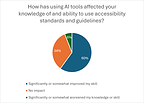
Survey conducted by The Harris Poll on behalf of University of Phoenix finds among those already using AI in the workplace, 60% say AI has improved their knowledge of and ability to use accessibility standards and guidelines.
PHOENIX, July 24, 2026 /PRNewswire/ — As artificial intelligence becomes part of how people work, learn and solve problems, a new University of Phoenix survey conducted by The Harris Poll finds that recent working learners see meaningful opportunities for AI to support accessibility. The survey was designed to understand the impact of AI in the workplace and learning environments on accessibility, defined as ensuring digital content, tools and resources, including AI tools and output, are usable by people with different abilities through inclusive design, use of assistive technology or conformance with accessibility standards, such as the Web Content Accessibility Guidelines (WCAG). The findings are being released ahead of the 36th anniversary of the Americans with Disabilities Act (ADA) on July 26.
The survey, conducted among 1,019 U.S. employed adults who completed a professionally presented training or school course in the past 12 months (“recent working learners”), found that, among workers already using AI in the workplace, 3 in 5 (60%) say AI has improved their knowledge of and ability to use accessibility standards and guidelines, including nearly 1 in 5 (19%) who report significant improvement.
While the findings point to optimism about AI’s accessibility potential, they also reveal an opportunity for clearer organizational guidance: 45% of respondents say accessibility is absent from, unclear in, or they are uncertain whether it is covered by their workplace AI policies.
“The reality is that accessibility benefits everyone,” shares Kelly Hermann, Vice President of Accessibility and Student Affairs at University of Phoenix. “If accessibility is built in from the beginning, organizations are more likely to create AI-enabled environments that are universally usable. Clearer content, better summaries, accurate captions, and multiple formats can help workers and learners with disabilities, but they also help busy adults, multilingual learners, mobile users, and anyone trying to absorb information quickly.”
Key findings from the survey include:
Workers see AI’s accessibility potential: 89% of recent working learners identify workflows that could benefit from AI and accessibility tools, especially creating accessible documents, presentations, websites or learning materials (38%), presenting information in different formats such as plain language, audio, summaries or translations (33%), and training employees or learners on accessibility practices (30%).AI may help build accessibility awareness: Among those already using AI in the workplace, 60% say AI has improved their knowledge of and ability to use accessibility standards and guidelines.Accessibility is not always clear in workplace AI policies: 45% of recent working learners say accessibility is absent from, unclear in, or they are uncertain whether it is covered by their workplace AI policies.AI tools may not yet fully support different access needs: Among those who use workplace AI tools, only about a quarter of survey respondents (27%) say AI tools available through their workplace or professional learning environment support people with disabilities very well.Human oversight remains important: 36% of recent working learners say human review for important decisions or high-impact work should be part of responsible AI use at work or school.Workers also recognize how AI and accessibility can have an impact on their own career journey: 90% of recent working learners identify AI and accessibility skills that would be valuable in their current or desired career field, including 45% who see value in understanding when AI-generated content needs human review.
Why accessibility is essential to responsible AI adoption
As AI tools are used to draft documents, summarize information, generate captions and transcripts, create image descriptions, support learning and assist with workplace tasks, accessibility becomes central to responsible use. Poorly implemented AI can also create or amplify barriers, including inaccessible content, inaccurate summaries, biased outputs and tools that do not work effectively with assistive technologies.
“Responsible AI is not only about productivity,” Hermann said. “It is about whether the technology works for the people who need to use it. AI can help create more accessible materials and more flexible ways to engage with information, but it still requires clear policies, practical training and human judgment to make sure the outputs are accurate, applicable and usable.”
What the findings mean for employers and educators
The survey suggests that organizations have an opportunity to align AI adoption with supportive design, accessibility practices and workforce training. Employers and educators can take immediate steps by:
Naming accessibility directly in AI policies and guidance.Choosing AI tools with accessibility and assistive technology compatibility in mind.Training workers and learners to create, check and improve accessible AI-generated content.Making support pathways clear for people who experience barriers using AI tools.Keeping human review in place for important decisions, high-impact work and accessibility-sensitive outputs.
The survey also found workers want practical AI training. The most helpful resources identified by recent working learners include real-world examples from their field or industry (36%), hands-on practice using realistic workplace scenarios (34%) and step-by-step demonstrations of common tasks (33%).
Accessibility insights from University of Phoenix
Hermann shared the survey findings ahead of the ADA anniversary in recent media interviews. Hermann oversees the University’s accessibility initiative, including evaluation and remediation of curricular resources, the Center for Access, Resources, Engagement and Support Services (CARES), and the Office of Collaborative Learning and Educational Engagement. Her work focuses on fostering accessible and welcoming educational environments for students, faculty and staff.
Hermann’s office at University of Phoenix also convenes accessibility conversations through initiatives such as Access Amplified™, a free, annual virtual event focused on advancing digital accessibility in web development. The event brings together engineers, developers, designers, content authors and digital strategists for practical strategies and human-centered conversations that address the gap between coding practices and how users with assistive technology experience the web.
About the survey
The survey was conducted online within the United States by The Harris Poll on behalf of University of Phoenix from June 22–29, 2026, among 1,019 employed adults ages 18 and older who have taken a professionally presented training or a school course in the past 12 months, referred to as “recent working learners.” Data were weighted where necessary by age, gender, race/ethnicity, region, education, employment, marital status, household size, household income and smoking status to bring them in line with their actual proportions in the population.
Respondents for this survey were selected from among those who have agreed to participate in surveys. The sampling precision of Harris online polls is measured by using a Bayesian credible interval. For this study, the sample data is accurate to within +/- 3.8 percentage points using a 95% confidence level. This credible interval will be wider among subsets of the surveyed population of interest.
Review the complete survey at phoenix.edu/aiaccessibility.
About University of Phoenix
University of Phoenix is Built for Real Life. 50 Years Strong. The University innovates to help working adults enhance their careers and develop skills in a rapidly changing world through flexible online learning, relevant courses, academic AI pillars, and skills-mapped curriculum for associate, bachelor’s and master’s degree programs. Active students and alumni have access to Career Services for Life® resources including career guidance and tools. For more information, visit phoenix.edu.
View original content to download multimedia:https://www.prnewswire.com/news-releases/as-ada-anniversary-approaches-university-of-phoenix-survey-highlights-ais-potential-to-advance-accessibility-in-work-and-learning-302834448.html
SOURCE University of Phoenix
Care Career Announces Acquisition of MAS Medical Staffing, Completing Its First Acquisition Phase and Expanding Annual Revenue Beyond $150 Million, with a Path to Exceed a Quarter Billion by the End of 2026 Through Additional Acquisitions and Organic Growth
PointsKash Demonstrates How Businesses Can Build on Bitcoin Without Burdening the Blockchain
As ADA Anniversary Approaches, University of Phoenix Survey Highlights AI’s Potential to Advance Accessibility in Work and Learning
Send Rakhi to UK swiftly with UK Gifts Portal
Whiteboard Series with NEAR | Ep: 45 Joel Thorstensson from ceramic.network
New Gooseneck Omni Antennas Offer Enhanced Signals in a Durable Package
Why You Should Build on #NEAR – Co-founder Illia Polosukhin at CV Labs
Whiteboard Series with NEAR | Ep: 45 Joel Thorstensson from ceramic.network
NEAR End of Year Town Hall 2021: The Open Web World, MetaBUILD 2 Hackathon and 2021 recap
Trending
-
Coin Market5 days agoWill the US get CLARITY this week? Bitcoin’s new $80K target: Hodler’s Digest, July 19
-
Technology5 days ago“Every Day CO₂ Challenge”: More Than a Game, A New Way of Learning
-
Technology5 days agoTrakka Systems to Demonstrate Advanced ISR Capabilities at Farnborough International Airshow 2026
-
Technology5 days agoPowering ASEAN’s Manufacturing Transformation: IME 2026 Connects Technology, Industry and Opportunity
-
Technology4 days agoSigneasy expands beyond eSignatures with Intelligent Contract Management for growing businesses
-
Technology5 days agoDBS named Asia’s Best Digital Bank by Euromoney, recognised for its AI leadership and responsible innovation
-
Technology5 days agoCNPC launches China’s first full-chain green, low-carbon ethylene project
-
Technology5 days agoBOC Group Releases ADONIS 19.0 LTS to Bring Smarter Support into Everyday BPM Work