
Coin Market
Lazarus Group sends 400 ETH to Tornado Cash, deploys new malware





Technology2 hours ago
SparkLabs and Mirae Asset Launch a Venture Capital Fund for Central Asian Startups

Technology3 hours ago
AECOM Data Breach Investigation: Edelson Lechtzin LLP Probes Class Action Claims After Hackers Allege Theft of More Than 1 TB of Data

Technology6 hours ago
iScreen Reaches No. 1 in Graphics & Design Across 94 Markets Following iOS 27 Update

Technology2 years ago
Send Rakhi to UK swiftly with UK Gifts Portal

Near Videos5 years ago
Whiteboard Series with NEAR | Ep: 45 Joel Thorstensson from ceramic.network

Technology2 years ago
New Gooseneck Omni Antennas Offer Enhanced Signals in a Durable Package

Near Videos5 years ago
Why You Should Build on #NEAR – Co-founder Illia Polosukhin at CV Labs
Near Videos5 years ago
Whiteboard Series with NEAR | Ep: 45 Joel Thorstensson from ceramic.network

Near Videos5 years ago
NEAR End of Year Town Hall 2021: The Open Web World, MetaBUILD 2 Hackathon and 2021 recap
-
 Technology4 days ago
Aristotle Secures $5M to Replace the Chatbot with High-Dosage AI Tutoring for Students
-

 Technology4 days ago
Blockboard Named Finalist in Two Categories at the 2026 Digiday Technology Awards
-

 Technology2 days ago
4Humanity Introduces the National Positivity Portal, Using AI to Make the Good Happening Across America Easier to See
-
Technology2 days ago
Saturday, September 19, 2026
-

 Coin Market3 days ago
Bitcoin treasury firms can outperform BTC… but is the risk worth taking?
-
 Technology3 days ago
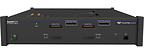
Teledyne LeCroy Announces PCI Express® 7.0 Protocol Exerciser
-

 Technology3 days ago
dtcpay Welcomes SBI Group as Strategic Investor, Extending Series A to US$25M
-

 Coin Market3 days ago
SEC grants temporary exemption for tokenized US stock trading