Connect with us

Technology

From Innovation to Impact: tesa Marks One Year of Debonding on Demand Laboratory in Singapore

Published

on

Supporting tomorrow’s industries – Developing next-generation adhesive solutions for evolving industry needsEnabling smarter, more sustainable products – Advancing Debonding on Demand technologies that support repairability, circularity and sustainable manufacturingAccelerating innovation through collaboration – Working closely with A*STAR and industry partners to bring research into real-world applications

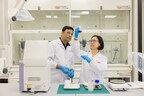
SINGAPORE, July 14, 2026 /PRNewswire/ — tesa, an international manufacturer of innovative adhesive tapes and self-adhesive product solutions, today marks the first anniversary of its Debonding on Demand laboratory in Singapore. The laboratory serves as a strategic platform for advancing next-generation adhesive technologies that support repairability, circular product design and more sustainable manufacturing practices across industries including electronics and automotive.

Since July 2025, tesa’s Debonding on Demand laboratory has been conducting research in collaboration with A*STAR, Singapore’s lead public sector R&D agency, on developing new polymer concepts for the electronics and automotive industries, while reinforcing tesa’s global adhesive technology leadership and its Asia-Pacific presence alongside operations in Vietnam, Thailand and India.

Advancing innovation through strategic collaboration

The Debonding on Demand laboratory, established by tesa and developed in collaboration with A*STAR, is a dedicated tesa innovation facility that combines the company’s deep expertise in adhesive technologies with Singapore’s world-class research capabilities in advanced material science. The collaboration serves as a model for how industry and research institutions can work together to accelerate the translation of scientific discoveries into commercially relevant manufacturing solutions.

Over the past year, the partnership has made progress across key areas including polymer chemistry, adhesive formulation and coating technologies. Together, the teams are continuing to advance a pipeline of up to 20 Debonding on Demand concepts designed to help manufacturers address growing industry requirements for product repairability, component recovery, resource efficiency and circularity.

“Debonding on Demand technologies enable a rethinking of adhesive bonding from a lifecycle perspective. Our work in Singapore is focused on developing reliable adhesive solutions that perform during use and can be removed when needed — supporting repairability, recycling and more circular product design in demanding industrial application,” said Prof. Dr. Andreas Lendlein, Head of Technical Business Development & Science Office at tesa.

Driving future-ready industrial applications

Innovation is a key pillar of tesa’s long-term growth strategy, with the Singapore laboratory serving as an important innovation node within the company’s global product and technology development network. Beyond developing new adhesive concepts, the facility is helping to address some of the most pressing challenges facing manufacturers today, including product lifecycle management, resource efficiency, and the transition towards more circular production models.

Building on the momentum of its first year and aligned with Singapore’s Research, Innovation and Enterprise (RIE) 2030 vision, the collaboration demonstrates how industry-research partnerships can strengthen the country’s position as a leading hub for advanced manufacturing and materials innovation. By connecting scientific research with real-world industrial applications, the laboratory contributes to the development of future-ready technologies that can be deployed across global supply chains.

“The Debonding on Demand laboratory reflects our long-term commitment to innovation in Asia-Pacific and supporting the evolving needs of manufacturers worldwide,” said Andreas Gunnestrand, President and Regional Manager, tesa tape Asia-Pacific. “The technologies and application insights developed in Singapore not only support regional customers, but also contribute directly to our global innovation roadmap. As industries place greater emphasis on repairability, circularity and sustainable product design, this laboratory will continue to play an instrumental role in shaping the future of adhesive solutions.”

About tesa SE 

As a multinational company, tesa develops innovative adhesive tapes and self-adhesive product solutions for various industries, commercial customers, and end consumers for more than 125 years. There are already more than 7,000 tesa adhesive solutions that help improve the work, products or lives of our customers. Today, the focus is on sustainability and energy-saving processes. tesa invests in the development of environmentally friendly products and solvent-free manufacture processes as well as in the use of renewable energy sources at its locations. 

tesa is active in 100 countries and operates plants in Germany, Italy, China, the USA, and in Vietnam. Around three quarters of the tesa Group’s sales (2025: EUR 1.7 billion euro) are generated by applications for industries. Together with its international clients, tesa develops innovations that are customized at product and process level. Already more than 130 tesa tapes may be installed in an electric car and over 70 in a smartphone. In the printing and construction industries, too, tesa is constantly penetrating new segments and countries with its special adhesive tapes. The company generates almost one quarter of its sales with products for end consumers and professional craftsmen. 300 applications, such as the legendary tesafilm®, make life easier or, when it comes to insect protection, even make it a bit more pleasant. tesa counts among the world’s leading manufacturers of adhesive solutions. Since 2001, tesa SE is an independent 100% affiliate of Beiersdorf AG (i.e., NIVEA, Eucerin, la prairie) with approx. 5,400 employees today.

View original content to download multimedia:https://www.prnewswire.com/apac/news-releases/from-innovation-to-impact-tesa-marks-one-year-of-debonding-on-demand-laboratory-in-singapore-302823724.html

SOURCE tesa tape Asia Pacific Pte Ltd

Continue Reading
Click to comment

Leave a Reply

Your email address will not be published. Required fields are marked *

Technology

Peptide Tracker Launches Founding Member Program, Letting Users Support the App Without a Paywall

Published

on

By

Free, pay-what-you-want membership funds new features while keeping the app 100% free for everyone

LOS ANGELES, July 13, 2026 /PRNewswire/ — Peptide Tracker, the free iOS app helping users track peptide protocols, injection sites, and dosing schedules, today announced the launch of its Founding Member program, a Wikipedia-style, pay-what-you-want membership designed to fund the app’s continued development without introducing a paywall or restricting any features.

Since launching, Peptide Tracker has grown to more than 25,000 downloads, with users relying on the app daily to track adherence, manage vial inventory and reconstitution, log weight, and rotate injection sites. As the user base grew, so did requests from users asking for a way to support the app financially.

“So many people have emailed us asking if there’s a way to help fund what we’re building. That request stuck with me. It’s one of the nicest things a user can ask,” said Kevin, co-founder and CEO of Peptide Tracker. “We wanted to build something that honored that without ever compromising the promise we made when we started: this app is free, and it stays free.”

With the new Founding Member program, users choose their own contribution amount on an annual basis. There is no minimum, no suggested tier, and no feature gated behind payment. Every contribution goes directly toward funding new features, product improvements, and ongoing development.

Founding Members will also receive recognition for their early support as the program evolves, with additional member benefits planned for future releases.

“This isn’t about changing what Peptide Tracker is,” said Kevin. “It’s about giving the people who’ve been here from the start a way to help us build faster, for them and for everyone who downloads the app next.”

The Founding Member program is available now within the Peptide Tracker app.

About Peptide Tracker: Peptide Tracker is a free iOS app that helps users track peptide protocols, including dosing schedules, injection site rotation, vial inventory, and reconstitution. Built by people who use peptides themselves, the app is designed to make protocol management simple, private, and judgment-free. Peptide Tracker is co-founded by Kevin and JP Sio.

Media Contact

Kevin Miller

hello@peptidetracker.ai

peptidetracker.ai

View original content:https://www.prnewswire.com/news-releases/peptide-tracker-launches-founding-member-program-letting-users-support-the-app-without-a-paywall-302824446.html

SOURCE Peptide Tracker

Continue Reading

Technology

Data Center Robotics Market to Reach USD 113,432.96 Million by 2035 Amid Hyperscale Expansion and AI-Driven Operations – DC Market Insights

Published

on

By

LONDON, July 14, 2026 /PRNewswire/ — The “Data Center Robotics Market – Growth, Share, Opportunities & Competitive Analysis, 2025 – 2035” report has been added to the DCMI (DC Market Insights) offering.

The global Data Center Robotics Market was valued at USD 5,582.39 million in 2020, reached USD 15,416.20 million in 2025, and is anticipated to reach USD 113,432.96 million by 2035, registering a CAGR of 22.18% during the forecast period. Market growth is being driven by rising hyperscale data center development, growing rack density, labor constraints, and increasing demand for automated inspection, asset movement, security patrol, and preventive maintenance. Innovation in autonomous navigation, AI-based diagnostics, digital twins, environmental sensing, and fleet management is improving operational resilience while reducing manual error and technician exposure in high-risk areas.

Key Takeaways

Hyperscale expansion and growing AI infrastructure deployments are increasing demand for repeatable, automation-first operating models across large data center campuses.Service robots lead adoption because they support inspections, surveillance, thermal monitoring, alarm verification, and remote operational checks within live facilities.Software and services are gaining a larger role as operators prioritize fleet orchestration, AI analytics, system integration, managed maintenance, and measurable operational outcomes.North America leads with 40.05% share, followed by Europe at 28.15% and Asia Pacific at 23.10%, supported by hyperscale concentration, automation investment, and rapid cloud infrastructure growth.Robotics-as-a-service, digital twin integration, automated work orders, and specialized robots for inventory and cable management represent important market trends.

Scope & Segmentation – Data Center Robotics Market

The report provides a comprehensive analysis of the global Data Center Robotics Market, covering revenue forecasts from 2025 to 2035. It evaluates market drivers, trends, challenges, opportunities, competitive dynamics, and regional developments influencing the deployment of robotic systems across hyperscale, colocation, enterprise, and edge data centers.

The study examines how robots are being deployed for routine inspection, thermal and acoustic monitoring, asset tracking, security patrol, environmental sensing, and assisted maintenance. It also evaluates the growing integration of robotic platforms with data center infrastructure management systems, building management systems, IT service management tools, digital twins, and security operations workflows.

Access crucial information at unmatched prices!

Request your sample report today and start making informed decisions powered by DCMI – https://www.dcmarketinsights.com/report/data-center-robotics-market 

Why This Report Matters

This report provides a detailed view of a rapidly growing automation market supporting the operational transformation of next-generation data centers.It helps decision-makers understand how robotics can improve uptime, worker safety, inspection consistency, preventive maintenance, and operational efficiency across high-density facilities.The study evaluates the role of AI diagnostics, digital twins, fleet management, and robotics-as-a-service in shaping procurement and deployment strategies.For data center operators, colocation providers, cloud companies, technology vendors, and investors, the report delivers actionable intelligence to support automation planning, vendor selection, and long-term infrastructure strategy.

Market Overview

Industry Landscape and Value Chain AssessmentSupply-Side EvaluationDemand-Side EvaluationStakeholder MappingPorter’s Five Forces ReviewPESTLE Environment AssessmentMarket Forecast and Future DirectionShort-Term Forecast, 0–2 YearsMid-Term Forecast, 3–5 YearsLong-Term Forecast, 5–10 YearsMarket Entry and Expansion Strategy

Market Insights

Customer and End-User AnalysisCustomer Experience ComparisonGrowth Opportunity AssessmentChannel and Distribution ReviewPricing Movement AnalysisRegulatory and Compliance ReviewSustainability and ESG AssessmentRisk and Disruption AnalysisInvestment Return and Cost Evaluation

Key Attributes

Attribute

Details

Market Size 2020

USD 5,582.39 Million

Market Size 2025

USD 15,416.20 Million

Market Size 2035

USD 113,432.96 Million

CAGR

22.18 %

Forecast Period

2025–2035

Base Year

2024

Historical Period

2020–2023

Segmentation Covered

Robot Type, Enterprise Size, End-User, Component, Deployment, Geography

Key Regions

North America, Europe, Asia Pacific, Latin America, Middle East & Africa

Major Players

ABB Ltd., Schneider Electric, Siemens AG, Honeywell International Inc., Rockwell Automation, Cisco Systems Inc., Hewlett Packard Enterprise, Huawei Technologies Co. Ltd., Microsoft Corporation, Amazon Web Services

Segmentation

By Robot Type

Industrial RobotsCollaborative RobotsService Robots

By Enterprise Size

Large EnterprisesSmall and Medium-Sized Enterprises

By End-User

IT and TelecomBFSIHealthcareRetail and E-CommerceGovernmentEducationOthers

By Component

HardwareSoftwareServices

By Deployment

Cloud-BasedOn-Premises

By Geography

North AmericaU.S.CanadaMexicoEuropeGermanyFranceU.K.ItalySpainRest of EuropeAsia PacificChinaJapanIndiaSouth KoreaSoutheast AsiaRest of Asia PacificLatin AmericaBrazilArgentinaRest of Latin AmericaMiddle East & AfricaGCC CountriesSouth AfricaRest of the Middle East and Africa

Regional Growth Reflects Hyperscale Investment, Automation Maturity, and Cloud Infrastructure Expansion

North America leads the global Data Center Robotics Market with a 40.05% share. The region benefits from hyperscale concentration, mature automation practices, strong vendor ecosystems, and rising investment in AI-ready infrastructure. Operators deploy robots to standardize inspections, improve uptime, verify alarms, and monitor critical facility systems across large campuses. The U.S. remains the primary market, while Canada and Mexico are gaining traction through colocation growth and regional cloud expansion.

Europe holds a 28.15% share, supported by strict compliance requirements, energy-efficiency priorities, and demand for documented operational controls. The U.K., Germany, France, and the Netherlands lead adoption due to dense data center clusters and established colocation industries. Robotics supports audit readiness, facility safety, thermal monitoring, and repeatable maintenance processes across regulated environments.

Asia Pacific accounts for 23.10% of the global market and is one of the fastest-emerging regions. China, Japan, South Korea, India, and Southeast Asia are expanding cloud, hyperscale, and edge infrastructure. Greenfield facilities offer operators the opportunity to design automation into workflows from the beginning, supporting faster robotic deployment and standardized operating models.

Latin America represents 4.78% of the market, with demand concentrated in Brazil, Mexico, Chile, and Colombia. Growth is supported by rising colocation investment, telecom modernization, and increasing focus on operational reliability across major metropolitan data center hubs.

The Middle East accounts for 2.10% of the market, supported by sovereign cloud programs, smart city projects, and hyperscale development in the UAE and Saudi Arabia. Africa holds 1.82%, with adoption concentrated in South Africa and emerging digital infrastructure hubs where new data center construction supports gradual automation uptake.

Market Challenges Include Complex Facility Layouts, Integration Burden, and Cybersecurity Risk

The Data Center Robotics Market faces deployment challenges because many existing data centers were not designed for autonomous systems. Narrow aisles, mixed flooring, temporary obstructions, reflective surfaces, restricted zones, and changing facility layouts can complicate robot navigation and reduce sensor confidence. These conditions increase commissioning requirements and make site-specific tuning essential.

Integration also remains complex because robotic platforms must connect securely with DCIM, BMS, ITSM, ticketing, access control, and security systems. Custom integration requirements can raise deployment costs and extend procurement timelines. Operators also demand high reliability because robotic failures must not interfere with critical data center operations.

Cybersecurity is another major concern. Buyers require secure remote access, encrypted communications, identity controls, patch management, and long-term lifecycle support. Vendors must demonstrate strong governance, device security, and reliable software update processes before operators approve large-scale fleet deployment.

Future Outlook

The Data Center Robotics Market is expected to maintain rapid growth through 2035 as data center operators seek automation solutions that support uptime, safety, operational consistency, and scalable facility management. Rising AI workloads, higher rack densities, liquid cooling systems, and distributed infrastructure will increase the need for continuous inspection and precision monitoring.

Robotics-as-a-service models will lower upfront barriers and help operators deploy robots across multiple sites through subscription-based contracts. Fleet management, remote monitoring, software updates, and maintenance services will strengthen recurring revenue opportunities for vendors.

Digital twin integration and automated work-order generation will become standard expectations. Robotic systems will increasingly provide structured data for thermal simulation, capacity planning, predictive maintenance, and risk forecasting.

Specialized robotic platforms for inventory tracking, cable management, micro-repair, and assisted equipment handling will expand the market beyond basic inspection and surveillance. Vendors that combine strong autonomy, secure integration, advanced analytics, and lifecycle services will be well positioned to capture future growth.

Competitive Landscape

The Data Center Robotics Market features competition among industrial automation companies, data center infrastructure providers, cloud platforms, robotics developers, and software specialists. Competition centers on autonomous navigation, sensing accuracy, system integration, cybersecurity, deployment speed, and long-term service reliability.

Large automation companies position robotics within broader portfolios covering power management, cooling, facility automation, and building control. Cloud and infrastructure providers focus on AI diagnostics, fleet orchestration, remote operations, and platform integration.

Vendors increasingly differentiate through repeatable commissioning models, prebuilt connectors, robotics-as-a-service offerings, and outcome-based service-level agreements. Product reliability in dense aisles, sensor performance, and the ability to reduce false alarms remain important purchasing criteria.

Key Player Analysis

ABB Ltd.Schneider ElectricSiemens AGHoneywell International Inc.Rockwell AutomationCisco Systems Inc.Hewlett Packard EnterpriseHuawei Technologies Co. Ltd.Microsoft CorporationAmazon Web Services

Recent Industry Developments

In January 2026, DEWALT, a Stanley Black & Decker brand, and August Robotics announced the launch of a downward-drilling, fleet-capable robot designed to accelerate data center construction. The robot had already been used in pilot work across 10 data center projects and was expected to become commercially available in mid-2026.In March 2026, Hyperscale Data launched Omnipresent Robotics as a wholly owned subsidiary for its U.S. commercial rollout. The company stated that its Michigan data center and access to NVIDIA GPU infrastructure could support future robotics operations.

Report Coverage

The research report offers an in-depth analysis based on Robot Type, Enterprise Size, End-User, Component, Deployment, and Geography. It details leading market players, providing an overview of their businesses, product offerings, investments, revenue streams, technology strategies, and key applications.

The report also includes insights into the competitive environment, SWOT analysis, current market trends, and the main drivers and constraints influencing market development. It examines robotics integration, digital twins, AI diagnostics, security requirements, regulatory considerations, and automation service models shaping the industry.

The study further assesses the impact of hyperscale expansion, AI infrastructure growth, energy-efficiency targets, labor availability, and global economic conditions on market growth. It provides strategic recommendations for new entrants and established companies seeking to navigate the evolving Data Center Robotics Market.

Access crucial information at unmatched prices!

Request your sample report today and start making informed decisions powered by DCMI – https://www.dcmarketinsights.com/report/data-center-robotics-market 

Shape Your Report to Specific Countries or Regions and Enjoy 30% Off!

Customize Now

Recently Published Reports –

AIOps for Data Center Management Market        
https://www.dcmarketinsights.com/report/aiops-for-data-centers-management-market 

Data Center Liquid Cooling Manifolds Market    
https://www.dcmarketinsights.com/report/data-center-liquid-cooling-manifolds-market 

Data Center Cooling CDU Pumps Market    
https://www.dcmarketinsights.com/report/data-center-cooling-cdu-pumps-market 

Data Center Orchestration Market      
https://www.dcmarketinsights.com/report/data-center-orchestration-market 

Quantum Computing Infrastructure Readiness Market        
https://www.dcmarketinsights.com/report/quantum-computing-infrastructure-readiness-market 

Data Center Staffing Market       
https://www.dcmarketinsights.com/report/data-center-staffing-market 

About Us:

DC Market Insights is a dedicated research and consulting firm that empowers data center leaders with actionable intelligence. We combine rigorous market research, advanced analytics, and practical advisory support to help organizations make confident decisions in an increasingly complex digital infrastructure landscape. Our goal is to transform data into clarity, giving clients the ability to act decisively on strategy, investment, and execution.

Contact Us:
Tower C-1105 , S 25, Akash Tower,
Vishal Nagar, Pimple Nilakh, Haveli,
Pune – 411027, India
Email: sales@dcmarketinsights.com
Phone: +44 7453 598 606


View original content to download multimedia:https://www.prnewswire.com/news-releases/data-center-robotics-market-to-reach-usd-113-432-96-million-by-2035-amid-hyperscale-expansion-and-ai-driven-operations–dc-market-insights-302824490.html

SOURCE DC Market Insights

Continue Reading

Technology

The Trade Desk Unlocks Activation of Convenience Store Retail Data for Digital Advertising in Japan

Published

on

By

Enabling integration of purchase data from approximately 28 million 7-Eleven App members on the DSP

TOKYO, July 14, 2026 /PRNewswire/ — The Trade Desk (Nasdaq: TTD), a global leader in advertising technology, today announced the integration of retail purchase data from SEVEN-ELEVEN JAPAN CO., LTD. (hereinafter “SEJ”) into The Trade Desk platform, enabling advertisers to programmatically activate SEJ’s retail purchase data across digital channels through The Trade Desk platform. The capability is now available to all advertisers in Japan. This represents one of the leading examples in Japan of integrating SEJ’s purchase data with a DSP.

This integration enables advertisers to activate high-quality data at scale across digital channels on the open internet, including over‑the‑top (OTT), connected TV (CTV), audio, and display, representing an important step forward in Japan’s retail media landscape.

Through this initiative, advertisers can seamlessly access and activate audience segments built from purchase data-driven insight based on the purchase behavior of approximately 28 million 7-Eleven App members directly within The Trade Desk platform. SEJ operates Japan’s largest convenience store network, with around 22,000 stores nationwide and approximately 20 million daily visitors.[1] The integration enables activation of always-on audience segments — including demographic and high-demand purchase-based audiences — built from a wide range of product categories. Audience segments are curated based on advertiser needs using up to one year of purchase history (ID-POS data), enabling more precise audience targeting across omnichannel campaigns.

This collaboration addresses a longstanding challenge in Japan, where access to high-quality retail data has historically been fragmented and operationally complex. Through API integration with the platform, SEJ’s data is regularly refreshed and made available within The Trade Desk platform, enabling advertisers to plan, activate, and optimize campaigns with greater efficiency and reduced operational complexity.

At the core of this integration is The Trade Desk’s AI-driven platform, which transforms retail purchase signals into structured, scalable audience intelligence — bridging the gap between data access and real-time activation across channels. This enables advertisers to not only identify the right audiences, but to continuously refine and optimize how those audiences are reached, driving performance across the open internet.

“Japan’s retail media ecosystem is entering a new phase,” said Kei Majima, General Manager, Japan, The Trade Desk. “We are excited to bring this initiative to market, expanding access to one of Japan’s most extensive retail data offerings for omnichannel advertising. As the industry evolves, the ability to programmatically activate high-quality data will be critical to driving performance and accountability in digital advertising. By integrating high-quality purchase data from SEJ, one of Japan’s largest convenience store chains, directly into our platform, advertisers can now engage audiences more precisely and efficiently across channels, helping to unlock the full potential of retail data for advertisers in Japan.”

Key Benefits for Advertisers

High-Fidelity Audience Segments: Access audience segments built on a wide range of product categories and up to one year of purchase history, enabling more precise demographic and purchase-based targeting.Custom Audience Capabilities: Collaborate with SEJ to build and activate audience segments tailored to specific brands for more precise targeting.Omnichannel Activation: Apply retail data across digital channels via The Trade Desk platform for flexible, scalable campaigns.AI-Powered Audience Activation & Optimization: Transform retail purchase data into scalable audiences that can be activated across channels and continuously refined using AI to improve campaign performance over time.

Advancing Retail Media Infrastructure in Japan
This initiative reflects a broader evolution in Japan’s retail data landscape—from fragmented, one-off data use to always-on, infrastructure-driven approaches that enable scalable and continuous audience engagement. Historically, retail data activation relied on custom integrations that limited continuous campaign execution. With this integration, SEJ’s data can now be continuously refreshed and activated in real time, enabling advertisers to improve audience targeting accuracy and advertising performance in a privacy conscious manner.

As global retail data evolves toward greater standardization, enabling secure, scalable data use has become a key industry priority. This data integration signals a growing focus in Japan on not only protecting data but also enabling its responsible and effective utilization. Through this initiative, The Trade Desk and SEJ provide a practical model for how high-quality retail data can be applied at scale, demonstrating how infrastructure and privacy-conscious design can support more effective retail data activation at scale.

[1] Figures as of the end of May 2026

About The Trade Desk
The Trade Desk™ is a technology company that empowers buyers of advertising. Through its self-service, cloud-based platform, ad buyers can create, manage, and optimize digital advertising campaigns across ad formats and devices. Integrations with major data, inventory, and publisher partners ensure maximum reach and decisioning capabilities, and enterprise APIs enable custom development on top of the platform. Headquartered in Ventura, CA, The Trade Desk has offices across North America, Europe and Asia Pacific. To learn more, visit thetradedesk.com or follow us on Facebook, X, LinkedIn and YouTube.

Media Contact

Jason Wang
PR@thetradedesk.com

View original content:https://www.prnewswire.com/apac/news-releases/the-trade-desk-unlocks-activation-of-convenience-store-retail-data-for-digital-advertising-in-japan-302824369.html

SOURCE The Trade Desk

Continue Reading

Trending