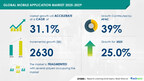
NEW YORK, Feb. 12, 2025 /PRNewswire/ — Report with the AI impact on market trends – The global mobile application market size is estimated to grow by USD 2.63 trillion from 2025-2029, according to Technavio. The market is estimated to grow at a CAGR of 31.1% during the forecast period. Growing penetration of smartphones is driving market growth, with a trend towards increasing number of mobile apps for iot device. However, cost associated with mobile app development and operation poses a challenge. Key market players include Amazon.com Inc., ANI Technologies Pvt. Ltd., ASICS Corp., Canva Pty Ltd., Electronic Arts Inc., Google LLC, Grab Holdings Ltd., Meta Platforms Inc., Microsoft Corp., Mozilla Corp., Netflix Inc., Niantic Inc., One97 Communications Ltd., Spotify Technology SA, The Gap Inc., Uber Technologies Inc., Ubisoft Entertainment SA, Walmart Inc., Xiaomi Inc., and Zomato Ltd..
AI-Powered Market Evolution Insights. Our comprehensive market report ready with the latest trends, growth opportunities, and strategic analysis- View Free Sample Report PDF
Forecast period
2025-2029
Base Year
2024
Historic Data
2019 – 2023
Segment Covered
Platform (Android market, iOS market, and Others), Type (Gaming, Music and entertainment, Health and fitness, Social networking, and Others), and Geography (APAC, North America, Europe, South America, and Middle East and Africa)
Region Covered
APAC, North America, Europe, South America, and Middle East and Africa
Key companies profiled
Amazon.com Inc., ANI Technologies Pvt. Ltd., ASICS Corp., Canva Pty Ltd., Electronic Arts Inc., Google LLC, Grab Holdings Ltd., Meta Platforms Inc., Microsoft Corp., Mozilla Corp., Netflix Inc., Niantic Inc., One97 Communications Ltd., Spotify Technology SA, The Gap Inc., Uber Technologies Inc., Ubisoft Entertainment SA, Walmart Inc., Xiaomi Inc., and Zomato Ltd.
Key Market Trends Fueling Growth
The mobile application industry is booming with the increasing popularity of smartphones and high-speed internet usage. Artificial intelligence (AI) and machine learning (ML) are trending technologies, with companies like Ubisoft Entertainment integrating them into mobile games for enhanced user experience. Revenue models include in-game purchases, paid game applications, and in-app advertisements. Security is a concern, with businesses and consumers requiring advanced solutions to protect data collection practices. Emerging areas like AR and VR, online shopping, food ordering, and digital payments are driving strong download rates. Android smartphone sales dominate the market, but iOS and Windows also have significant user bases. PC software faces competition due to mobile devices’ simplicity of usage and expanding client base. Advanced technologies like ML and cloud computing offer benefits to both businesses and consumers. However, emerging threats require cost-effective security solutions to ensure a seamless user experience. Flexibility and scalability are crucial for meeting consumer requirements and expanding into new markets, including developing areas and emerging economies. Creative mobile applications, from games to calculators, are driving efficiency and productivity. Wearable devices like smartwatches, fitness trackers, and tablets offer functionality beyond traditional infrastructure, with GPS, accelerometers, and heart rate monitors enhancing the user experience. The future of the mobile application industry lies in integration with smart items and wearable technology.
The Internet of Things (IoT) refers to the connection of physical devices, objects, and machines through software and sensors over a network. The market for IoT devices is expanding rapidly due to their convenience, user-friendliness, and mobility features. This growth is fueled by the integration of IoT devices with smartphones via mobile applications. In 2023, approximately 1.14 billion smartphones were shipped, a slight decrease of 4% compared to the previous year. The increasing number of smartphones presents an opportunity for integration with various IoT devices, such as smartwatches and eyeglasses, through mobile apps.
Insights on how AI is driving innovation, efficiency, and market growth- Request Sample!
Market Challenges
• The mobile application industry is booming, with smartphones and high-speed internet usage driving growth. Artificial intelligence (AI) and machine learning (ML) are transforming apps, from gaming technology with AR and VR, to e-commerce and online shopping. Revenue models include in-game purchases, paid apps, and in-app advertisements. However, businesses face challenges like mobile application security and data collection practices. Ubisoft Entertainment and others leverage AI for advanced technologies like cloud computing, offering benefits for both businesses and consumers. Emerging threats require cost-effective security solutions. The popularity of mobile devices for simplicity of usage and expanding client bases in developing areas is driving digitization investments. E-commerce, enterprise applications, health & fitness, and gaming apps dominate strong download rates. High-speed connectivity and cost-effective data plans open new markets and user bases in emerging economies. Traditional infrastructure faces disruption from creative mobile applications and wearable technology like smartwatches, tablets, and fitness trackers. Businesses’ reluctance to digitize slows progress in underdeveloped areas. However, the benefits of efficiency, productivity, and a seamless user experience are compelling. GPS, accelerometers, and heart rate monitors are just the beginning of what’s possible with advanced mobile technologies.
• Mobile applications are essential tools designed to simplify user activities through technological support. While the development cost of mobile apps is relatively low, post-development support activities are increasingly in demand. These activities include administrative, maintenance, and infrastructure services, which are crucial for app deployment and operational lifecycle. Functional services, such as analytics and push notifications, are also necessary for mobile apps to function effectively. Collectively, these support services incur higher costs than the development process itself.
Insights into how AI is reshaping industries and driving growth- Download a Sample Report
Segment Overview
This mobile application market report extensively covers market segmentation by
PlatformAndroid MarketIOS MarketOthersTypeGamingMusic And EntertainmentHealth And FitnessSocial NetworkingOthersGeographyAPACNorth AmericaEuropeSouth AmericaMiddle East And Africa
1.1 Android market- The Android operating system is a prominent platform for mobile application release in the global market, with the Google Play Store hosting approximately 3.95 million apps as of 2023. The popularity of Android OS is due to the widespread use of Android smartphones worldwide, making it an attractive choice for developers. Notable apps like Google Drive and Tinder are top earners on the Google Play Store. However, Android apps face challenges such as lower monetization rates and longer development times due to fragmentation. Despite this, the launch of new Android OS features, such as AI capabilities and improved navigation, is expected to boost user adoption and fuel market growth. However, iOS apps currently have a larger consumer spending base due to their higher monetization rates. Major acquisitions in the tech industry, such as Microsoft’s purchase of Activision Blizzard for USD68.7 billion, demonstrate the significant value of mobile applications and the competitive landscape. In 2023, Android made strides in improving customer service, leading to the launch of innovative apps like Lensa, Photo editor Pro, and Glitch Lab. This positive momentum indicates that the Android apps segment in the mobile application market will experience favorable growth in the forecast period.
Download complimentary Sample Report to gain insights into AI’s impact on market dynamics, emerging trends, and future opportunities- including forecast (2025-2029) and historic data (2019 – 2023)
Research Analysis
The mobile application industry has seen explosive growth with the widespread use of smartphones and increasing internet penetration. Artificial intelligence and machine learning are transforming mobile apps, enabling personalized user experiences. The Google Play Store and App Store are the leading marketplaces for downloading apps, offering a vast selection of gaming technology, social media, productivity tools, and more. Gaming apps, including AR and VR experiences, dominate the market, generating significant revenue through in-game purchases and in-app advertisements. Other popular categories include online shopping, food ordering, digital payments, and premium apps. Demographic factors play a crucial role in app usage, with different age groups and regions favoring specific types of apps. Operating systems (OS) also influence the mobile application landscape, with Android and iOS being the most common. Security concerns and data collection practices are essential issues in the mobile app industry, with privacy policies becoming increasingly important to users. Overall, the mobile application market continues to evolve, offering endless opportunities for innovation and growth.
Market Research Overview
The mobile application industry is experiencing exponential growth, fueled by the widespread use of smartphones and high-speed internet usage. Artificial intelligence (AI) and machine learning (ML) technologies are revolutionizing mobile apps, offering advanced functionalities and personalized experiences. Gaming technology, augmented reality (AR), and virtual reality (VR) are also driving innovation, with strong download rates for gaming apps. Revenue models include in-game purchases, paid game applications, and in-app advertisements. The industry benefits businesses and consumers alike, providing efficiency, productivity, and flexibility. However, emerging threats such as mobile application security and data collection practices require cost-effective security solutions. The popularity of mobile devices for online shopping, food ordering, digital payments, and other services continues to expand, with Android smartphone sales leading the market. The OS war between Android and iOS persists, with Windows and PC software offering limited functionality on mobile devices. The industry’s expansion is not limited to developed areas; emerging economies and developing areas are also investing in digitization and mobile connectivity. Creative mobile applications for wearable devices, tablets, smartwatches, and fitness trackers offer seamless user experiences, with features like GPS, accelerometers, and heart rate monitors enhancing functionality.
Table of Contents:
1 Executive Summary
2 Market Landscape
3 Market Sizing
4 Historic Market Size
5 Five Forces Analysis
6 Market Segmentation
PlatformAndroid MarketIOS MarketOthersTypeGamingMusic And EntertainmentHealth And FitnessSocial NetworkingOthersGeographyAPACNorth AmericaEuropeSouth AmericaMiddle East And Africa
7 Customer Landscape
8 Geographic Landscape
9 Drivers, Challenges, and Trends
10 Company Landscape
11 Company Analysis
12 Appendix
About Technavio
Technavio is a leading global technology research and advisory company. Their research and analysis focuses on emerging market trends and provides actionable insights to help businesses identify market opportunities and develop effective strategies to optimize their market positions.
With over 500 specialized analysts, Technavio’s report library consists of more than 17,000 reports and counting, covering 800 technologies, spanning across 50 countries. Their client base consists of enterprises of all sizes, including more than 100 Fortune 500 companies. This growing client base relies on Technavio’s comprehensive coverage, extensive research, and actionable market insights to identify opportunities in existing and potential markets and assess their competitive positions within changing market scenarios.
Contacts
Technavio Research
Jesse Maida
Media & Marketing Executive
US: +1 844 364 1100
UK: +44 203 893 3200
Email: media@technavio.com
Website: www.technavio.com/
View original content to download multimedia:https://www.prnewswire.com/news-releases/mobile-application-market-to-grow-by-usd-2-63-trillion-from-2025-2029–driven-by-smartphone-penetration-report-on-how-ai-is-driving-market-transformation—technavio-302374199.html
SOURCE Technavio









 Technology4 days ago
 Coin Market5 days ago
 Coin Market4 days ago
 Technology4 days ago
 Technology4 days ago
 Technology4 days ago