
Technology
Uxin Reports Unaudited Fourth Quarter and Fiscal Year 2024 Financial Results

Published
2 years agoon
By

BEIJING, July 31, 2024 /PRNewswire/ — Uxin Limited (“Uxin” or the “Company”) (Nasdaq: UXIN), China’s leading used car retailer, today announced its unaudited financial results for the fourth quarter and fiscal year ended March 31, 2024.
Dear Shareholders,
First and foremost, on behalf of Uxin, I would like to extend our heartfelt gratitude for your unwavering support and trust. It is my pleasure to share with you the remarkable business progress we have made over the past fiscal year, as well as our strategic outlook for the future through this shareholder letter.
The current economic landscape in China is entering a new phase of development, bringing numerous challenges to various industries, including the used car sector. Notably, the competitive pricing strategies initiated by car manufacturers early last year have severely disrupted the price structure of the used car market, leading to a substantial decline in profitability across the industry.
However, we are pleased to see opportunities amidst these challenges. Over the past year, China’s used car market has continued its rapid growth trajectory, with national used car transactions surpassing 18 million units in 2023, reflecting a near 15% year-over-year increase. The government’s series of favorable policies to encourage the development of the used car industry, coupled with substantial incentives for trading in old cars for new ones, have spurred consumption growth in the sector. In an increasingly complex and dynamic operating environment, resources are beginning to concentrate towards leading used car dealers, providing long-term sustainable growth and profitability opportunities for companies that excel in scale, branding, and efficiency.
Uxin’s unique business model, characterized by our flagship used car superstores, has demonstrated strong competitive advantages across various dimensions, becoming increasingly prominent in the cities where our superstores are located. In the four quarters of fiscal year 2024, our retail sales continued to grow, with a total of 10,179 units sold throughout the year. From January to March 2024, even during the traditional slow season of the Spring Festival, we achieved retail sales of 3,124 units, a 38% increase compared to the same period last year. Our superstores have become the leading brand in their respective regions, with a Net Promoter Score (NPS) consistently around 60 points for 10 consecutive quarters, the highest level in the industry, and a regional market share of 10% and growing. Our overall vehicle inventory turnover days are around 30 days, and our standardized, streamlined, and digitalized operating system has matured over the past year, significantly surpassing the industry average in operational capability and efficiency.
Reflecting on the past year, we have made substantial progress in numerous areas of our business, positioning us well for scalable profitability. I will highlight three key achievements:
First, our branding and sales capabilities have generated a positive flywheel effect, further enhancing sales efficiency. By connecting with customers through superior products and services, we have built a stronger network effect in regional markets as customer trust and reputation have grown, further boosting sales conversion rates. As a result, our in-store customer conversion rate has reached approximately 40%. Despite intense industry competition, our retail vehicle inventory turnover rate has improved by over 60% compared to the previous fiscal year, allowing us to achieve higher retail sales with the same inventory size.
Uxin’s decade-long industry experience has greatly empowered our sales capabilities through digitalization. Our AI pricing model dynamically monitors six hundred thousands of used car data points across the internet, creating competitive models based on factors such as a car’s model, age, condition, and mileage. This system, combined with customer viewing records and offline test drives, can generate purchase and sale prices and adjust them promptly to ensure Uxin’s vehicles remain highly competitive in the market. During the new car price cuts, our pricing system responded quickly to adjust the acquisition and selling prices of similar models to accelerate the sales of impacted inventories. By adjusting our prices faster, we can accelerate vehicle sales, mitigate the effects of new car price reductions, and transition into the next regular sales cycle sooner.
Second, while increasing sales volume, we have also boosted our gross profit per vehicle. Our gross profit margin has risen from 1.2% in fiscal year 2023 to 5.9% in fiscal year 2024. In the used car industry, prices typically decrease as inventory ages. Therefore, by accelerating our sales turnover, we have naturally enhanced our gross profit per vehicle.
Meanwhile, leveraging our one-stop shopping experience at offline superstores and reconditioning factories, we have continuously expanded our high-margin value-added services. These include financing services, insurance, extended warranties, premium accessories, and maintenance. Over the past year, the penetration rate of these value-added services has rapidly increased, boosting our gross profit margin.
Additionally, our per-vehicle reconditioning costs have significantly decreased. Uxin’s transparent factory is now fully operational, with vehicles taking an average of only three days to move from warehousing to sales, allowing for faster sales entry. Through bulk procurement of parts, SMART repairs, and the application of 3D printing technology, our reconditioning cost per vehicle in fiscal year 2024 has decreased by 50% compared to the previous fiscal year.
Third, we have continued to reduce costs, improve efficiency, and optimize our operating expenses. Adjusted EBITDA[1] for fiscal year 2024 was a loss of RMB176 million, representing a nearly 40% reduction in losses compared to fiscal year 2023. This year, we implemented a series of cost-reduction and efficiency-enhancement measures. Looking forward, we expect fixed costs and expenses in fiscal year 2025 to be reduced by over RMB100 million compared to fiscal year 2024, driving faster overall Adjusted EBITDA profitability at the company level.
Take marketing as an example, we have developed a highly cost-effective customer acquisition strategy, reducing advertising and promotion expenses by more than 50% compared to last year. Leveraging our large venues, we actively explored community-integrated marketing strategies by organizing events such as sports meetings, anime conventions, job fairs, and vehicle test drives etc. These activities increased our regional market exposure, generating substantial organic traffic and significantly lowering customer acquisition costs.
In the past year, our offline superstore model has proven successful, placing Uxin on a rapid growth trajectory. Looking ahead to the new fiscal year, we have set three primary business objectives, aligning with our current development plan.
First, we aim to significantly increase sales volume, projecting a year-over-year retail sales growth of 150% for fiscal year 2025. We are confident in maintaining our current sales efficiency and will gradually ramp up inventory, expecting inventory levels to increase 2-3 times compared to the beginning of the fiscal year. This will drive continuous retail sales growth in the coming quarters, ensuring the achievement of our sales targets for the new fiscal year.
Second, we plan to achieve company-wide profitability at scale. Our goal is to achieve positive Adjusted EBITDA for the entire company in the quarter between October and December 2024. With new car prices stabilizing, the profitability of used cars is beginning to recover, and our inventory scales and sales continue to climb. We are confident in meeting this profitability target.
Third, we will finalize the location selection and operational preparations for 2-3 new superstores, enhancing our integrated online and offline superstore network. Recently, we announced a strategic partnership with the Zhengzhou Airport District government, with a joint investment of RMB170 million to establish a new Uxin used car superstore in Zhengzhou city. As a transportation hub in central China and one of the most active cities for used car transactions, Zhengzhou boasts a population of over 13 million and a car ownership of 5 million, making it an ideal location for operating a large-scale used car superstore. Besides Zhengzhou, we are also advancing implementation plans in several other cities, which will drive Uxin’s national expansion and business growth in the coming years.
Everything is in place for us to achieve our goals. We have confidence in the competitive advantage of Uxin’s superstore model and the momentum driving our business growth. We remain dedicated to leading the transformation and upgrading of China’s used car industry with a steadfast commitment to customer-centric value creation. Once again, we sincerely thank you for your continued trust and support. We look forward to achieving new breakthroughs together in the coming fiscal year.
Kun Dai
Chairman and Chief Executive Officer of Uxin
[1] This is a non-GAAP measure. We believe non-GAAP measures help investors and users of our financial information understand the effect of adjusting items on our selected reported results and provide alternate measurements of our performance, both in the current period and across periods. See our Financial Supplement, filed as Exhibit 99.1 to our Current Report on Form 6-K on July 31, 2024 with the SEC, “Unaudited Reconciliations of GAAP And Non-GAAP Results” for a reconciliation and additional information on non-GAAP measures.
Highlights for the Quarter Ended March 31, 2024
Transaction volume was 4,058 units for the three months ended March 31, 2024, a decrease of 6.8% from 4,354 units in the last quarter and an increase of 12.5% from 3,607 units in the same period last year.Retail transaction volume was 3,124 units, an increase of 1.4% from 3,081 units in the last quarter and an increase of 38.3% from 2,259 units in the same period last year.Total revenues were RMB319.2 million (US$44.2 million) for the three months ended March 31, 2024, a decrease of 22.3% from RMB410.5 million in the last quarter and a decrease of 7.2% from RMB343.8 million in the same period last year.Gross margin was 6.6% for the three months ended March 31, 2024, compared with 4.8% in the last quarter and 2.3% in the same period last year.Loss from operations was RMB109.8 million (US$15.2 million) for the three months ended March 31, 2024, compared with RMB73.1 million in the last quarter and RMB57.4 million in the same period last year.Non-GAAP adjusted EBITDA was a loss of RMB39.7 million (US$5.5 million), compared with a loss of RMB43.8 million in the last quarter and a loss of RMB40.8 million in the same period last year.
Highlights for the Fiscal Year Ended March 31, 2024
Transaction volume was 15,550 units for the fiscal year ended March 31, 2024, a decrease of 22.4% from 20,029 units in the prior fiscal year.Retail transaction volume was 10,179 units for the fiscal year ended March 31, 2024, a decrease of 4.9% from 10,703 units in the prior fiscal year.Total revenues were RMB1,374.7 million (US$190.4 million) for the fiscal year ended March 31, 2024, a decrease of 33.2% from RMB2,059.2 million in the prior fiscal year.Gross margin was 5.9% for the fiscal year ended March 31, 2024, compared with 1.2% in the prior fiscal year.Loss from operations was RMB312.5 million (US$43.3 million) for the fiscal year ended March 31, 2024, compared with RMB356.9 million in the prior fiscal year.Non-GAAP adjusted EBITDA was a loss of RMB176.1 million (US$24.4 million) for the fiscal year ended March 31, 2024, compared with RMB280.3 million in the prior fiscal year.
Mr. Feng Lin, Chief Financial Officer of Uxin, stated, “Despite the traditional slow season for used car sales in China due to the Chinese New Year holiday, we continued to deliver solid results in the quarter, with retail transaction volume reaching 3,124 units, representing a 38% year-over-year increase. Additionally, the improvement in vehicle turnover and the increased penetration of value-added services significantly enhanced our profitability. As a result, our gross profit margin in the quarter was 6.6%, an improvement of 1.8 percentage points from the previous quarter.”
Mr. Lin added, “For the full fiscal year of 2024, we achieved a retail transaction volume of 10,179 units, and narrowed our Adjusted EBITDA loss by RMB104 million compared to the previous fiscal year to RMB176 million. We have started to expand our inventory levels, and we expect retail sales to continue growing in the coming quarters. Looking ahead to fiscal year 2025, we anticipate a year-over-year retail transaction volume growth by 150% with a further reduction in fixed costs by over RMB100 million year-over-year. We are fully committed to achieving company-wide Adjusted EBITDA profitability starting from the third quarter of the fiscal year.”
Financial Results for the Quarter Ended March 31, 2024
Total revenues were RMB319.2 million (US$44.2 million) for the three months ended March 31, 2024, a decrease of 22.3% from RMB410.5 million in the last quarter and a decrease of 7.2% from RMB343.8 million in the same period last year. The quarter-over-quarter decreases were mainly due to the decline of wholesale transaction volume as well as the decrease in vehicle average selling price. The year-over-year decreases were mainly due to the decline of wholesale vehicle sales revenue.
Retail vehicle sales revenue was RMB269.4 million (US$37.3 million) for the three months ended March 31, 2024, representing a decrease of 15.6% from RMB319.2 million in the last quarter and an increase of 2.2% from RMB263.7 million in the same period last year. For the three months ended March 31, 2024, retail transaction volume was 3,124 units, an increase of 1.4% from 3,081 units last quarter and an increase of 38.3% from 2,259 units in the same period last year. The Chinese New Year was on February 9, 2024, which is the traditional used car off-season. However, the quarter-over-quarter retail transaction volume maintained stable. The quarter-over-quarter decrease in retail vehicle sales was mainly due to the decline of retail average selling price. The year-over-year increase was mainly due to the retail transaction volume increase by 38.3% while partially offset by the decline of retail average selling price.
Wholesale vehicle sales revenue was RMB39.7 million (US$5.5 million) for the three months ended March 31, 2024, compared with RMB82.2 million in the last quarter and RMB73.6 million in the same period last year. For the three months ended March 31, 2024, wholesale transaction volume was 934 units, representing a decrease of 26.6% from 1,273 units last quarter and a decrease of 30.7% from 1,348 units in the same period last year. Wholesale vehicle sales refer to vehicles purchased by the Company from individuals that do not meet the Company’s retail standards and are subsequently sold through online and offline channels. The quarter-over-quarter decreases in wholesale vehicle sales were mainly due to the decline of wholesale vehicle sales volume during the traditional used car off-season. In addition, as the Company continued to improve its inventory capacity and reconditioning capabilities, an increased number of acquired vehicles were reconditioned to meet the Company’s retail standards, rather than being sold through wholesale channels. As a result, the year-over-year wholesale vehicle sales revenue decreased.
Other revenue was RMB10.1 million (US$1.4 million) for the three months ended March 31, 2024, compared with RMB9.1 million in the last quarter and RMB6.5 million in the same period last year. The year-over-year increase was mainly due to an increase in the value-added services such as revenue from sales of vehicle accessories and revenue from vehicle repair services.
Cost of revenues was RMB298.1 million (US$41.3 million) for the three months ended March 31, 2024, compared with RMB390.6 million in the last quarter and RMB336.0 million in the same period last year.
Gross margin was 6.6% for the three months ended March 31, 2024, compared with 4.8% in the last quarter and 2.3% in the same period last year. The quarter-over-quarter increase in gross margin was mainly due to the Company’s capacity to respond to market fluctuations enhanced and the Company’s pricing adjustments became more prompt. The year-over-year increase in gross margin was mainly due to the acceleration of the inventory turnover rate and the improvement of pricing and sales capabilities.
Total operating expenses were RMB131.8 million (US$18.3 million) for the three months ended March 31, 2024. Total operating expenses excluding the impact of share-based compensation were RMB91.4 million.
Sales and marketing expenses were RMB50.8 million (US$7.0 million) for the three months ended March 31, 2024, a decrease of 10.4% from RMB56.7 million in the last quarter and a decrease of 3.0% from RMB52.4 million in the same period last year.
General and administrative expenses were RMB75.3 million (US$10.4 million) for the three months ended March 31, 2024, representing an increase of 122.7% from RMB33.8 million in the last quarter and an increase of 96.7% from RMB38.3 million in the same period last year. The increase was mainly due to an increase in shared-based compensation for personnel performing general and administrative functions, including the share-based compensation expense of US$4.0 million (equivalent to RMB28.7 million) resulting from the issuance of the senior convertible preferred shares to Xin Gao Group Limited (“Xin Gao“), which is controlled by Mr. Kun Dai, the Chairman of the Board of Directors and Chief Executive Officer of the Company.
Research and development expenses were RMB6.0 million (US$0.8 million) for the three months ended March 31, 2024, representing a decrease of 37.9% from RMB9.7 million in the last quarter and a decrease of 35.4% from RMB9.3 million in the same period last year. The decrease was mainly due to a decrease of the salaries and benefits expenses of employees engaged in research and development.
Other operating income, net was a gain of RMB0.9 million (US$0.1 million) for the three months ended March 31, 2024, compared with a gain of RMB6.9 million in the last quarter. The decrease was mainly due to the reduction in liability waiver gain, which was recognized as the Company fulfilled its payment conditions under the operating payable waiver agreements the Company had entered into with several suppliers.
Loss from operations was RMB109.8 million (US$15.2 million) for the three months ended March 31, 2024, compared with RMB73.1 million in the last quarter and RMB57.4 million in the same period last year.
Interest expenses were RMB24.0 million (US$3.3 million) for the three months ended March 31, 2024, representing a decrease of 7.1% from RMB25.8 million in the last quarter and an increase of 322.3% from RMB5.7 million in the same period last year. The year-over-year increase was mainly due to the interest expenses on finance lease liabilities relating to the lease of Hefei Superstore in September 2023.
Fair value impact of the issuance of senior convertible preferred shares was nil for the three months ended March 31, 2024, compared with a gain of RMB20.1 million in the last quarter.
Net loss from operations was net loss of RMB142.7 million (US$19.8 million) for the three months ended March 31, 2024, compared with net loss of RMB78.1 million in the last quarter and net loss of RMB79.8 million in the same period last year.
Non-GAAP adjusted EBITDA was a loss of RMB39.7 million (US$5.5 million) for the three months ended March 31, 2024, compared with a loss of RMB43.8 million in the last quarter and a loss of RMB40.8 million in the same period last year.
In order to cope with the intensified competition within the industry and the challenging external conditions, following the Spring Festival, the Company executed a series of initiatives to realign its organizational structure to better meet the development needs of its superstores and to further reduce company-wide costs and expenses. The Company defines Adjusted EBITDA as EBITDA excluding the severance payment and other realignment related charges recorded in general and administrative expenses and other operating income, net relating to the aforementioned structure realignment.
Financial Results for the Fiscal Year Ended March 31, 2024
Total revenues were RMB1,374.7 million (US$190.4 million) for the fiscal year ended March 31, 2024, a decrease of 33.2% from RMB2,059.2 million in the prior fiscal year. The decreases were driven by the decrease of wholesale vehicle sales revenue, mainly due to a decline in wholesale transaction volume, and the decrease of retail vehicle sales revenue, mainly due to a decline in retail average selling price.
Retail vehicle sales revenue was RMB1,024.4 million (US$141.9 million) for the fiscal year ended March 31, 2024, representing a decrease of 22.0% from RMB1,312.9 million in the prior fiscal year. For the fiscal year ended March 31, 2024, retail transaction volume was 10,179 units, a decrease of 4.9% from 10,703 units in the prior fiscal year. The decrease in retail vehicle sales revenue was mainly due to a decline in retail average selling price by 18.0% year-over-year. Besides, the decrease in retail vehicle sales revenue was also driven by a decline in retail transaction volume. The decrease in retail transaction volume was mainly related to the lower inventory level. The Company has maintained a prudent inventory procurement strategy and keeps a low inventory level as compared with the same period last year, which constrained retail sales growth.
Wholesale vehicle sales revenue was RMB315.9 million (US$43.8 million) for the fiscal year ended March 31, 2024, compared with RMB707.4 million in the prior fiscal year. For the fiscal year ended March 31, 2024, wholesale transaction volume was 5,371 units, representing a decrease of 42.4% from 9,326 units in the prior fiscal year. Wholesale vehicle sales refer to vehicles purchased by the Company from individuals that do not meet the Company’s retail standards and are subsequently sold through online and offline channels. As the Company is focusing on creating value for its customers through retail transactions and continuing to improve its inventory capacity and reconditioning capabilities, the wholesale transaction volume decreased accordingly. The Company expects that its wholesale transaction volume will gradually represent a lower portion of the Company’s total transaction volume.
Other revenue was RMB34.4 million (US$4.7 million) for the fiscal year ended March 31, 2024, compared with RMB38.9 million in the prior fiscal year. The decrease was mainly due to a decrease in the Company’s value-added services such as rebate received from certain financing partners for referring them to the Company’s retail customers with financing needs, a decrease in revenue from sales of vehicle accessories and a decrease in revenue from vehicle repair services.
Cost of revenues was RMB1,294.2 million (US$179.2 million) for the fiscal year ended March 31, 2024, compared with RMB2,033.8 million in the prior fiscal year. The decrease was mainly due to a decrease in cost for acquiring used vehicles as a result of the Company’s prudent inventory procurement strategy implemented.
Gross margin was 5.9% for the fiscal year ended March 31, 2024, compared with 1.2% in the prior fiscal year. The increase was mainly due to the acceleration of the inventory turnover rate, the improvement of pricing and sales capabilities, the increase of the Company’s value-added services penetration rate and the decrease of the Company’s per-vehicle reconditioning costs.
Total operating expenses were RMB411.1 million (US$56.9 million) for the fiscal year ended March 31, 2024. Total operating expenses excluding the impact of share-based compensation were RMB335.3 million.
Sales and marketing expenses were RMB202.5 million (US$28.0 million) for the fiscal year ended March 31, 2024, representing a decrease of 14.3% from RMB236.3 million in the prior fiscal year. The decrease was mainly due to the decrease in marketing expenses driven by the adoption of more cost-effective promotion measures and the decrease of outbound logistic expenses, partially offset by the increase in right-of-use assets depreciation expenses as a result of relocation to the Company’s Hefei Superstore.
General and administrative expenses were RMB177.4 million (US$24.6 million) for the fiscal year ended March 31, 2024, representing an increase of 7.8% from RMB164.5 million in the prior fiscal year. The increase was mainly due to an increase in shared-based compensation for personnel performing general and administrative functions, including the share-based compensation expense of US$4.0 million (equivalent to RMB28.7 million) resulting from the issuance of the senior convertible preferred shares to Xin Gao, which is controlled by Mr. Kun Dai, the Chairman of the Board of Directors and Chief Executive Officer of the Company.
Research and development expenses were RMB33.8 million (US$4.7 million) for the fiscal year ended March 31, 2024, representing a decrease of 10.3% from RMB37.7 million in the prior fiscal year. The decrease was mainly due to a decrease of the salaries and benefits expenses of employees engaged in research and development.
Other operating income, net was RMB18.0 million (US$2.5 million) for the fiscal year ended March 31, 2024, compared with RMB70.0 million in the prior fiscal year.
Loss from operations was RMB312.5 million (US$43.3 million) for the fiscal year ended March 31, 2024, compared with RMB356.9 million in the prior fiscal year.
Interest expenses were RMB62.6 million (US$8.7 million) for the fiscal year ended March 31, 2024, representing an increase of 194.7% from RMB21.2 million in the prior fiscal year.
Fair value impact of the issuance of senior convertible preferred shares resulted in a loss of RMB11.8 million (US$1.6 million) for the fiscal year ended March 31, 2024, compared with a gain of RMB242.7 million in the prior fiscal year. The impact was mainly due to the fair value change of the warrants issued in relation to the senior convertible preferred shares during the period. The warrants to purchase 261,810,806 senior convertible preferred shares held by Alpha were terminated in December 2023. The fair value impact was a non-cash gain.
Net loss from operations was net loss of RMB369.5 million (US$51.2 million) for the fiscal year ended March 31, 2024, compared with net loss of RMB137.2 million in the prior fiscal year.
Non-GAAP adjusted EBITDA was a loss of RMB176.1 million (US$24.4 million) for the fiscal year ended March 31, 2024, compared with a loss of RMB280.3 million in the prior fiscal year.
Liquidity
As of March 31, 2024, the Company had cash and cash equivalents of RMB23.3 million, compared to RMB92.7 million as of March 31, 2023.
The Company has incurred accumulated and recurring losses from operations, and cash outflows from operating activities. In addition, the Company’s current liabilities exceeded its current assets by approximately RMB658.8 million as of March 31, 2024.
The Company’s ability to continue as a going concern is dependent on management’s ability to increase sales, achieve higher gross profit margin and control operating costs and expenses to reduce the cash that will be used in operating cash flows, and to enter into financing arrangements, including but not limited to renewal of the existing borrowings and obtaining new debt and equity financings. There is uncertainty regarding the implementation of these business and financing plans, which raises substantial doubt about the Company’s ability to continue as a going concern. The accompanying unaudited financial information does not include any adjustment that is reflective of these uncertainties.
Recent Development
On July 8, 2024, the Company, through its wholly-owned subsidiary Uxin (Anhui) Industrial Investment Co., Ltd., or Uxin Anhui, entered into an equity investment agreement with Zhengzhou Airport Automobile Industry Co., Ltd., or Zhengzhou Airport Industry, to establish a subsidiary of the Company, Uxin (Zhengzhou) Intelligent Remanufacturing Co., Ltd., or Uxin Zhengzhou, in Zhengzhou. Uxin Anhui will contribute RMB120.0 million and Zhengzhou Airport Industry will contribute RMB50.0 million, representing approximately 70% and 30% of Uxin Zhengzhou’s total registered capital, respectively.
Uxin Zhengzhou aims to support Uxin’s plan to establish a new used car super store in Zhengzhou. This initiative is a key collaboration between Uxin and Zhengzhou Airport Industry to promote the development of the automotive aftermarket industry in the Henan Province and to build a leading brand in China’s used car industry.
Business Outlook
For the three months ended June 30, 2024, the Company expects its retail transaction volume to be around 4,000 units and wholesale transaction volume to be around 1,500 units. The Company estimates that its total revenues including retail vehicle sales revenue, wholesale vehicle sales revenue and value-add-services revenue to be within the range of RMB390 million to RMB410 million. The Company expects its gross profit margin to remain stable. These forecasts reflect the Company’s current and preliminary views on the market and operational conditions, which are subject to changes.
Conference Call
Uxin’s management team will host a conference call on Wednesday, July 31, 2024, at 8:00 A.M. U.S. Eastern Time (8:00 P.M. Beijing/Hong Kong time on the same day) to discuss the financial results. In advance of the conference call, all participants must use the following link to complete the online registration process. Upon registering, each participant will receive access details for this conference including an event passcode, a unique access PIN, dial-in numbers, and an e-mail with detailed instructions to join the conference call.
Conference Call Preregistration:https://dpregister.com/sreg/10191411/fd2f7ea0a4
A telephone replay of the call will be available after the conclusion of the conference call until August 7, 2024. The dial-in details for the replay are as follows:
U.S.:
+1 877 344 7529
International:
+1 412 317 0088
Replay PIN:
2653168
A live webcast and archive of the conference call will be available on the Investor Relations section of Uxin’s website at http://ir.xin.com.
About Uxin
Uxin is China’s leading used car retailer, pioneering industry transformation with advanced production, new retail experiences, and digital empowerment. We offer high-quality and value-for-money vehicles as well as superior after-sales services through a reliable, one-stop, and hassle-free transaction experience. Under our omni-channel strategy, we are able to leverage our pioneering online platform to serve customers nationwide and establish market leadership in selected regions through offline inspection and reconditioning centers. Leveraging our extensive industry data and continuous technology innovation throughout more than ten years of operation, we have established strong used car management and operation capabilities. We are committed to upholding our customer-centric approach and driving the healthy development of the used car industry.
Use of Non-GAAP Financial Measures
In evaluating the business, the Company considers and uses certain non-GAAP measures, including Adjusted EBITDA and adjusted net loss from operations per share – basic and diluted, as supplemental measures to review and assess its operating performance. The presentation of the non-GAAP financial measure is not intended to be considered in isolation or as a substitute for the financial information prepared and presented in accordance with U.S. GAAP. The Company defines Adjusted EBITDA as EBITDA excluding share-based compensation, fair value impact of the issuance of senior convertible preferred shares, foreign exchange losses, other income/(expenses), dividend from long-term investment, structure realignment cost which was mainly severance cost, equity in loss of affiliates and dividend from affiliates. The Company defines adjusted net loss attributable to ordinary shareholders per share – basic and diluted as net loss attributable to ordinary shareholders per share excluding impact of share-based compensation, fair value impact of the issuance of senior convertible preferred shares, deemed dividend to preferred shareholders due to triggering of a down round feature and accretion on redeemable non-controlling interests. The Company presents the non-GAAP financial measures because they are used by the management to evaluate the operating performance and formulate business plans. The Company also believes that the use of the non-GAAP measures facilitates investors’ assessment of its operating performance as this measure excludes certain finance or non-cash items that the Company does not believe directly reflect its core operations. The Company believes that excluding these items enables us to evaluate our performance period-over-period more effectively and relative to our competitors.
The non-GAAP financial measures are not defined under U.S. GAAP and are not presented in accordance with U.S. GAAP. The non-GAAP financial measures have limitations as analytical tools. One of the key limitations of using Adjusted EBITDA is that it does not reflect all items of income and expenses that affect the Company’s operations. Share-based compensation, fair value impact of the issuance of senior convertible preferred shares, other income/(expenses) and dividend from long-term investment have been and may continue to be incurred in the business. Further, the non-GAAP measures may differ from the non-GAAP information used by other companies, including peer companies, and therefore their comparability may be limited.
The Company compensates for these limitations by reconciling the non-GAAP financial measure to the nearest U.S. GAAP performance measure, all of which should be considered when evaluating the Company’s performance. The Company encourages you to review its financial information in its entirety and not rely on a single financial measure.
Reconciliations of Uxin’s non-GAAP financial measures to the most comparable U.S. GAAP measure are included at the end of this press release.
Exchange Rate Information
This announcement contains translations of certain RMB amounts into U.S. dollars (“US$”) at specified rates solely for the convenience of the reader, except for those transaction amounts that were actually settled in U.S. dollars. Unless otherwise stated, all translations from RMB to US$ were made at the rate of RMB7.2203 to US$1.00, representing the index rate as of March 29, 2024 set forth in the H.10 statistical release of the Board of Governors of the Federal Reserve System. The Company makes no representation that the RMB or US$ amounts referred could be converted into US$ or RMB, as the case may be, at any particular rate or at all.
Safe Harbor Statement
This announcement contains forward-looking statements. These statements are made under the “safe harbor” provisions of the United States Private Securities Litigation Reform Act of 1995. These forward-looking statements can be identified by terminology such as “will,” “expects,” “anticipates,” “future,” “intends,” “plans,” “believes,” “estimates” and similar statements. Among other things, the business outlook and quotations from management in this announcement, as well as Uxin’s strategic and operational plans, contain forward-looking statements. Uxin may also make written or oral forward-looking statements in its periodic reports to the SEC, in its annual report to shareholders, in press releases and other written materials and in oral statements made by its officers, directors or employees to third parties. Statements that are not historical facts, including statements about Uxin’s beliefs and expectations, are forward-looking statements. Forward-looking statements involve inherent risks and uncertainties. A number of factors could cause actual results to differ materially from those contained in any forward-looking statement, including but not limited to the following: impact of the COVID-19 pandemic, Uxin’s goal and strategies; its expansion plans; its future business development, financial condition and results of operations; Uxin’s expectations regarding demand for, and market acceptance of, its services; its ability to provide differentiated and superior customer experience, maintain and enhance customer trust in its platform, and assess and mitigate various risks, including credit; its expectations regarding maintaining and expanding its relationships with business partners, including financing partners; trends and competition in China’s used car e-commerce industry; the laws and regulations relating to Uxin’s industry; the general economic and business conditions; and assumptions underlying or related to any of the foregoing. Further information regarding these and other risks is included in Uxin’s filings with the SEC. All information provided in this press release and in the attachments is as of the date of this press release, and Uxin does not undertake any obligation to update any forward-looking statement, except as required under applicable law.
For investor and media enquiries, please contact:
Uxin Limited Investor Relations
Uxin Limited
Phone: +86 10 5691-6765
Email: ir@xin.com
The Blueshirt Group
Mr. Jack Wang
Phone: +86 166-0115-0429
Email: Jack@blueshirtgroup.com
Uxin Limited
Unaudited Consolidated Statements of Comprehensive Loss
(In thousands except for number of shares and per share data)
For the three months ended March 31,
For the twelve months ended March 31,
2023
2024
2023
2024
RMB
RMB
US$
RMB
RMB
US$
Revenues
Retail vehicle sales
263,695
269,421
37,314
1,312,857
1,024,401
141,878
Wholesale vehicle sales
73,557
39,722
5,501
707,385
315,909
43,753
Others
6,534
10,008
1,386
38,999
34,419
4,767
Total revenues
343,786
319,151
44,201
2,059,241
1,374,729
190,398
Cost of revenues
(335,984)
(298,109)
(41,288)
(2,033,797)
(1,294,161)
(179,239)
Gross profit
7,802
21,042
2,913
25,444
80,568
11,159
Operating expenses
Sales and marketing
(52,392)
(50,815)
(7,038)
(236,307)
(202,493)
(28,045)
General and administrative
(38,308)
(75,336)
(10,434)
(164,505)
(177,386)
(24,568)
Research and development
(9,329)
(6,027)
(835)
(37,704)
(33,820)
(4,684)
(Provision for)/reversal of credit losses, net
(13,084)
359
50
(13,844)
2,631
364
Total operating expenses
(113,113)
(131,819)
(18,257)
(452,360)
(411,068)
(56,933)
Other operating income, net
47,907
935
129
69,990
18,001
2,493
Loss from operations
(57,404)
(109,842)
(15,215)
(356,926)
(312,499)
(43,281)
Interest income
146
8
1
603
169
23
Interest expenses
(5,676)
(23,970)
(3,320)
(21,243)
(62,598)
(8,670)
Other income
907
622
86
17,088
15,870
2,198
Other expenses
(18,317)
(4,086)
(566)
(24,153)
(5,941)
(823)
Losses from extinguishment of debt
–
–
–
(2,778)
–
–
Foreign exchange gains/(losses)
122
511
71
(2,457)
1,525
211
Fair value impact of the issuance of senior
convertible preferred shares
507
–
–
242,733
(11,776)
(1,631)
Loss before income tax expense
(79,715)
(136,757)
(18,943)
(147,133)
(375,250)
(51,973)
Income tax expense
(81)
(12)
(2)
(366)
(311)
(43)
Dividend from long-term investment
–
–
–
10,374
11,970
1,658
Equity in loss of affiliates and dividend from
affiliate, net of tax
–
(5,951)
(824)
(44)
(5,951)
(824)
Net loss, net of tax
(79,796)
(142,720)
(19,769)
(137,169)
(369,542)
(51,182)
Add: net loss/(profit) attribute to redeemable non-
controlling interests and non-controlling interests
shareholders
9
(1,629)
(226)
12
(2,845)
(394)
Net loss attributable to UXIN LIMITED
(79,787)
(144,349)
(19,995)
(137,157)
(372,387)
(51,576)
Deemed dividend to preferred shareholders due to
triggering of a down round feature (i)
–
(1,781,454)
(246,729)
(755,635)
(2,060,254)
(285,342)
Net loss attributable to ordinary shareholders
(79,787)
(1,925,803)
(266,724)
(892,792)
(2,432,641)
(336,918)
Net loss
(79,796)
(142,720)
(19,769)
(137,169)
(369,542)
(51,182)
Foreign currency translation, net of tax nil
12,057
66
9
(68,276)
4,905
679
Total comprehensive loss
(67,739)
(142,654)
(19,760)
(205,445)
(364,637)
(50,503)
Add: net loss/(profit) attribute to redeemable non-
controlling interests and non-controlling interests
shareholders
9
(1,629)
(226)
12
(2,845)
(394)
Total comprehensive loss attributable to UXIN
LIMITED
(67,730)
(144,283)
(19,986)
(205,433)
(367,482)
(50,897)
Net loss attributable to ordinary shareholders
(79,787)
(1,925,803)
(266,724)
(892,792)
(2,432,641)
(336,918)
Weighted average shares outstanding – basic
1,419,079,968
4,465,415,461
4,465,415,461
1,344,536,565
2,185,363,635
2,185,363,635
Weighted average shares outstanding – diluted
1,419,079,968
4,465,415,461
4,465,415,461
1,344,536,565
2,185,363,635
2,185,363,635
Net loss per share for ordinary shareholders, basic
(0.06)
(0.43)
(0.06)
(0.66)
(1.11)
(0.15)
Net loss per share for ordinary shareholders, diluted
(0.06)
(0.43)
(0.06)
(0.66)
(1.11)
(0.15)
(i) Each senior convertible preferred share shall be convertible, at any time and from time to time from and after the applicable original issue date. The original conversion price for each senior
convertible preferred share shall be US$0.3433 per Class A ordinary share for the subscription in 2021.
The conversion price down round feature is triggered when the Company provides for a lower conversion price in subsequent convertible preferred offerings. The provision of a lower
conversion price results in the repricing of existing convertible preferred offerings to match any such lower stated conversion rate.
At the closing of 2022 subscription in July 2022, the conversion price for each senior convertible preferred share issued were adjusted to US$0.14 per Class A ordinary shares. In August
2023, Joy Capital exercised its warrants to purchase senior convertible preferred shares and the Company issued senior convertible preferred shares to Joy Capital at conversion price of
US$0.0457 per Class A ordinary shares. The conversion price for each senior convertible preferred share outstanding as of the date were further adjusted to US$0.0457 per Class A ordinary
share. On March 26, 2024, the Company issued senior convertible preferred shares to Xin Gao Group Limited at conversion price of US$0.004858 per Class A ordinary share. As a result, the
conversion price for each senior convertible preferred share outstanding as of the date was further adjusted to US$0.004858 per Class A ordinary share.
The Company determined that, the reduction of the conversion price for senior convertible preferred shares in July 2022, August 2023 and March 2024 triggered the down round feature
operative within the then existing senior convertible preferred shares. The fair value impact related to the reduction in the conversion price of the senior convertible preferred shares in July
2022, August 2023 and March 2024, amounting to RMB755.6 million, RMB278.8 million and RMB1,781.5 million respectively, was recorded as a charge to accumulated deficit and a credit to
additional paid in capital in permanent equity.
Uxin Limited
Unaudited Consolidated Balance Sheets
(In thousands except for number of shares and per share data)
As of March 31,
As of March 31,
2023
2024
RMB
RMB
US$
ASSETS
Current assets
Cash and cash equivalents
92,713
23,339
3,232
Restricted cash
618
594
82
Accounts receivable, net
790
2,089
289
Loans recognized as a result of payments under
guarantees, net of provision for credit losses of
RMB10,337 and RMB7,995 as of March 31,
2023 and 2024, respectively
–
–
–
Other receivables, net of provision for credit
losses of RMB26,541 and RMB22,739 as of
March 31, 2023 and 2024, respectively
15,345
18,080
2,504
Inventory, net
110,893
110,494
15,303
Prepaid expenses and other current assets
61,390
71,787
9,942
Total current assets
281,749
226,383
31,352
Non-current assets
Property, equipment and software, net
63,725
74,243
10,283
Long-term investments
288,712
279,300
38,683
Other non-current assets
–
268
37
Finance lease right-of-use assets, net (i)
–
1,339,537
185,524
Operating lease right-of-use assets, net
84,461
168,418
23,326
Total non-current assets
436,898
1,861,766
257,853
Total assets
718,647
2,088,149
289,205
LIABILITIES, MEZZANINE EQUITY AND
SHAREHOLDERS’ DEFICIT
Current liabilities
Accounts payable
80,668
80,745
11,182
Warrant liabilities
8
–
–
Other payables and other current liabilities
336,835
370,802
51,355
Current portion of operating lease liabilities
7,667
12,310
1,705
Current portion of finance lease liabilities (i)
–
51,160
7,086
Short-term borrowing
20,000
78,181
10,828
Current portion of long-term debt
158,736
291,950
40,435
Total current liabilities
603,914
885,148
122,591
Non-current liabilities
Long-term borrowings
291,950
–
–
Consideration payable to WeBank
58,559
–
–
Finance lease liabilities (i)
–
1,191,246
164,986
Operating lease liabilities
77,462
154,846
21,446
Long-term debt
264,560
–
–
Total non-current liabilities
692,531
1,346,092
186,432
Total liabilities
1,296,445
2,231,240
309,023
Mezzanine equity
Senior convertible preferred shares (US$0.0001
par value,1,720,000,000 and 9,900,000,000
shares authorized as of March 31, 2023 and
2024, respectively; 1,151,221,338 and nil
shares issued and outstanding as of March 31,
2023 and 2024, respectively) (iii)
1,245,721
–
–
Subscription receivable from preferred shareholders
(550,074)
–
–
Redeemable non-controlling interests (ii)
–
149,991
20,774
Total Mezzanine equity
695,647
149,991
20,774
Shareholders’ deficit
Ordinary shares
806
39,806
5,513
Additional paid-in capital
15,451,803
18,928,837
2,621,613
Subscription receivable from shareholders
–
(107,879)
(14,941)
Accumulated other comprehensive income
220,185
225,090
31,175
Accumulated deficit
(16,946,064)
(19,378,705)
(2,683,920)
Total Uxin’s shareholders’ deficit
(1,273,270)
(292,851)
(40,560)
Non-controlling interests
(175)
(231)
(32)
Total shareholders’ deficit
(1,273,445)
(293,082)
(40,592)
Total liabilities, mezzanine equity and
shareholders’ deficit
718,647
2,088,149
289,205
(i) On September 24, 2021, a subsidiary of the Company, Youxin (Hefei) Automobile Intelligent Remanufacturing Co., Ltd.
(“UXIN Hefei”) entered into a lease and purchase agreement with Hefei Construction Investment North City Industrial
Investment Co., Ltd (“Hefei Construction Investment”) to set up an inspection and reconditioning center (the “IRC”) in Hefei.
Pursuant to the agreement, Hefei Construction Investment was responsible for the construction of the IRC and we will lease the
IRC including the respective land use right after the completion of its construction with a 10-year lease term and a purchase
option of the underlying assets. The IRC was completed and transferred to the Company on September 20, 2023.
(ii) On October 23, 2023, Hefei Construction Investment completed the transfer of the first-year rent of the IRC in Hefei into
its investment of RMB147.1 million in UXIN Hefei and acquired 12.02% equity interests of UXIN Hefei with certain
preferential rights. The investment was recognized as redeemable non-controlling interests.
(iii) On March 26, 2024, the Company entered into definitive agreements with Xin Gao Group Limited (“Xin Gao”) and issued
1,440,922,190 senior convertible preferred shares at conversion price of US$0.004858 per Class A ordinary shares for an
aggregate amount of US$7.0 million. As Xin Gao is controlled by Mr. Kun Dai, the Chairman of the Board of Directors and
Chief Executive Officer of Company and the fair value of the senior convertible preferred shares is higher than the consideration
received from Xin Gao, a share-based compensation expense of US$4.0 million (equivalent to RMB28.7 million) equal to the
difference between the fair value of the preferred shares issued and the consideration received was recorded in general and
administrative expenses in March 2024.
On March 27, 2024, as agreed by all the preferred shareholders, all of the Company’s 2,810,961,908 outstanding senior
convertible preferred shares were converted into 54,960,889,255 Class A ordinary shares.
* Share-based compensation charges included are as follows:
For the three months ended March 31,
For the twelve months ended March 31,
2023
2024
2023
2024
RMB
RMB
US$
RMB
RMB
US$
Sales and marketing
408
—
—
1,516
1,444
200
General and administrative
9,830
40,388
5,594
44,088
72,942
10,102
Research and development
474
—
—
1,709
1,420
197
Uxin Limited
Unaudited Reconciliations of GAAP And Non-GAAP Results
(In thousands except for number of shares and per share data)
For the three months ended March 31,
For the twelve months ended March 31,
2023
2024
2023
2024
RMB
RMB
US$
RMB
RMB
US$
Net loss, net of tax
(79,796)
(142,720)
(19,769)
(137,169)
(369,542)
(51,182)
Add: Income tax expense
81
12
2
366
311
43
Interest income
(146)
(8)
(1)
(603)
(169)
(23)
Interest expenses
5,676
23,970
3,320
21,243
62,598
8,670
Depreciation
5,900
15,760
2,183
32,111
46,671
6,464
EBITDA
(68,285)
(102,986)
(14,265)
(84,052)
(260,131)
(36,028)
Add: Share-based compensation expenses
10,712
40,388
5,594
47,313
75,806
10,499
– Sales and marketing
408
–
–
1,516
1,444
200
– General and administrative
9,830
40,388
5,594
44,088
72,942
10,102
– Research and development
474
–
–
1,709
1,420
197
Other income
(907)
(622)
(86)
(17,088)
(15,870)
(2,198)
Other expenses
18,317
4,086
566
24,153
5,941
823
Foreign exchange (gains)/losses
(122)
(511)
(71)
2,457
(1,525)
(211)
Structure realignment cost
–
13,948
1,932
–
13,948
1,932
Equity in loss of affiliates, net of tax
–
5,951
824
–
5,951
824
Dividend from long-term investment
–
–
–
(10,374)
(11,970)
(1,658)
Fair value impact of the issuance of senior
convertible preferred shares
(507)
–
–
(242,733)
11,776
1,631
Non-GAAP adjusted EBITDA
(40,792)
(39,746)
(5,506)
(280,324)
(176,074)
(24,386)
For the three months ended March 31,
For the twelve months ended March 31,
2023
2024
2023
2024
RMB
RMB
US$
RMB
RMB
US$
Net loss attributable to ordinary
shareholders
(79,787)
(1,925,803)
(266,724)
(892,792)
(2,432,641)
(336,918)
Add: Share-based compensation expenses
10,712
40,388
5,594
47,313
75,806
10,499
– Sales and marketing
408
–
–
1,516
1,444
200
– General and administrative
9,830
40,388
5,594
44,088
72,942
10,102
– Research and development
474
–
–
1,709
1,420
197
Fair value impact of the issuance of senior
convertible preferred shares
(507)
–
–
(242,733)
11,776
1,631
Add: accretion on redeemable non-
controlling interests
–
1,650
229
–
2,901
402
Deemed dividend to preferred
shareholders due to triggering of a down
round feature
–
1,781,454
246,729
755,635
2,060,254
285,342
Non-GAAP adjusted net loss attributable
to ordinary shareholders
(69,582)
(102,311)
(14,172)
(332,577)
(281,904)
(39,044)
Net loss per share for ordinary shareholders –
basic
(0.06)
(0.43)
(0.06)
(0.66)
(1.11)
(0.15)
Net loss per share for ordinary shareholders –
diluted
(0.06)
(0.43)
(0.06)
(0.66)
(1.11)
(0.15)
Non-GAAP adjusted net loss to ordinary
shareholders per share – basic and diluted
(0.05)
(0.02)
–
(0.25)
(0.13)
(0.02)
Weighted average shares outstanding – basic
1,419,079,968
4,465,415,461
4,465,415,461
1,344,536,565
2,185,363,635
2,185,363,635
Weighted average shares outstanding – diluted
1,419,079,968
4,465,415,461
4,465,415,461
1,344,536,565
2,185,363,635
2,185,363,635
Note: The conversion of Renminbi (RMB) into U.S. dollars (USD) is based on the certified exchange rate of USD1.00 = RMB7.2203 as of March 29, 2024 set forth in the H.10
statistical release of the Board of Governors of the Federal Reserve System.
View original content:https://www.prnewswire.com/news-releases/uxin-reports-unaudited-fourth-quarter-and-fiscal-year-2024-financial-results-302210844.html
SOURCE Uxin Limited

You may like
Technology
Eqvista Launches Company-Sponsored Tender Offers, Expanding Private Market Liquidity Capabilities
Published
42 minutes agoon
October 19, 2026By
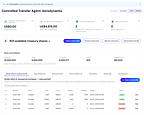
New tender offer capabilities connect equity management with real-time valuation data covering approximately 65,000 private companies with a combined estimated value of $9 trillion, laying the groundwork for future secondary marketplace capabilities.
SAN FRANCISCO, Oct. 19, 2026 /PRNewswire/ — Eqvista, a leading equity management and valuation platform serving more than 25,000 companies, today announced the launch of company-sponsored tender offer capabilities, enabling private companies to organize structured liquidity events directly within their equity management platform. The launch also marks a step toward Eqvista’s planned secondary marketplace capabilities.
As companies stay private longer, employees and early investors face limited opportunities to sell their shares. Meanwhile, organizing liquidity events involves complex decisions around pricing, participant eligibility, approvals, and ownership changes.
Eqvista brings these processes together through a company-controlled tender offer workflow, supported by its equity management infrastructure and Eqvista Real-Time Company Valuation® technology.
“With Eqvista, private companies can help their employees and early investors turn their shares into cash, rewarding them for their contributions to the company,” said Tomas Milar, Founder and CEO of Eqvista. “We already help companies manage ownership and understand their value. Bringing tender offers into the same platform is a natural next step toward connecting equity management, valuation, and liquidity.”
Company-Controlled Tender Offers
Eqvista’s new capabilities allow companies to manage tender offers while maintaining control over participation, transaction terms, and ownership changes.
Key features include:
Cap table integration: Automatically record completed ownership changes.Participant controls: Define eligible buyers and sellers and offer windows.Allocation rules: Set transaction limits, pro rata allocations, and priorities.Integrated approvals: Manage approval requirements and rights of first refusal.Valuation-informed pricing: Reference Eqvista Real-Time Company Valuation® data when evaluating transaction pricing.
By integrating these processes, Eqvista aims to reduce the administrative complexity of organizing liquidity events while helping companies maintain control over their shareholder base.
Building Toward a Secondary Marketplace
Building on its company-sponsored tender offer capabilities, Eqvista plans to expand into secondary marketplace infrastructure designed to support structured, company-approved liquidity programs. By connecting ownership records, real-time valuation data, and private share transactions within one platform, Eqvista aims to make private market liquidity more accessible while allowing companies to maintain control over participation and ownership changes. Further details will be announced as development progresses, subject to applicable regulatory requirements.
Learn more about Eqvista’s Company-Sponsored Tender Offers.
About Eqvista
Eqvista is an equity management and valuation platform building infrastructure for private markets. Trusted by more than 25,000 companies worldwide, Eqvista combines equity management, in-house valuation expertise, and AI-powered technology to help private companies manage ownership and understand their value. Eqvista Real-Time Company Valuation® technology covers approximately 65,000 U.S. private companies representing an estimated $9 trillion in combined value.
Contact Information
Jakub Vele
Head of Marketing
424978@email4pr.com
+1 (415) 375-4963
View original content to download multimedia:https://www.prnewswire.com/news-releases/eqvista-launches-company-sponsored-tender-offers-expanding-private-market-liquidity-capabilities-302911472.html
SOURCE Eqvista
Technology
Eqvista Launches Company-Sponsored Tender Offers, Expanding Private Market Liquidity Capabilities
Published
42 minutes agoon
October 19, 2026By
New tender offer capabilities connect equity management with real-time valuation data covering approximately 65,000 private companies with a combined estimated value of $9 trillion, laying the groundwork for future secondary marketplace capabilities.
SAN FRANCISCO, Oct. 19, 2026 /PRNewswire/ — Eqvista, a leading equity management and valuation platform serving more than 25,000 companies, today announced the launch of company-sponsored tender offer capabilities, enabling private companies to organize structured liquidity events directly within their equity management platform. The launch also marks a step toward Eqvista’s planned secondary marketplace capabilities.
As companies stay private longer, employees and early investors face limited opportunities to sell their shares. Meanwhile, organizing liquidity events involves complex decisions around pricing, participant eligibility, approvals, and ownership changes.
Eqvista brings these processes together through a company-controlled tender offer workflow, supported by its equity management infrastructure and Eqvista Real-Time Company Valuation® technology.
“With Eqvista, private companies can help their employees and early investors turn their shares into cash, rewarding them for their contributions to the company,” said Tomas Milar, Founder and CEO of Eqvista. “We already help companies manage ownership and understand their value. Bringing tender offers into the same platform is a natural next step toward connecting equity management, valuation, and liquidity.”
Company-Controlled Tender Offers
Eqvista’s new capabilities allow companies to manage tender offers while maintaining control over participation, transaction terms, and ownership changes.
Key features include:
Cap table integration: Automatically record completed ownership changes.Participant controls: Define eligible buyers and sellers and offer windows.Allocation rules: Set transaction limits, pro rata allocations, and priorities.Integrated approvals: Manage approval requirements and rights of first refusal.Valuation-informed pricing: Reference Eqvista Real-Time Company Valuation® data when evaluating transaction pricing.
By integrating these processes, Eqvista aims to reduce the administrative complexity of organizing liquidity events while helping companies maintain control over their shareholder base.
Building Toward a Secondary Marketplace
Building on its company-sponsored tender offer capabilities, Eqvista plans to expand into secondary marketplace infrastructure designed to support structured, company-approved liquidity programs. By connecting ownership records, real-time valuation data, and private share transactions within one platform, Eqvista aims to make private market liquidity more accessible while allowing companies to maintain control over participation and ownership changes. Further details will be announced as development progresses, subject to applicable regulatory requirements.
Learn more about Eqvista’s Company-Sponsored Tender Offers.
About Eqvista
Eqvista is an equity management and valuation platform building infrastructure for private markets. Trusted by more than 25,000 companies worldwide, Eqvista combines equity management, in-house valuation expertise, and AI-powered technology to help private companies manage ownership and understand their value. Eqvista Real-Time Company Valuation® technology covers approximately 65,000 U.S. private companies representing an estimated $9 trillion in combined value.
Contact Information
Jakub Vele
Head of Marketing
424978@email4pr.com
+1 (415) 375-4963
View original content to download multimedia:https://www.prnewswire.com/news-releases/eqvista-launches-company-sponsored-tender-offers-expanding-private-market-liquidity-capabilities-302911472.html
SOURCE Eqvista
Technology
Eqvista Launches Company-Sponsored Tender Offers, Expanding Private Market Liquidity Capabilities
Published
42 minutes agoon
October 19, 2026By
New tender offer capabilities connect equity management with real-time valuation data covering approximately 65,000 private companies with a combined estimated value of $9 trillion, laying the groundwork for future secondary marketplace capabilities.
SAN FRANCISCO, Oct. 19, 2026 /PRNewswire/ — Eqvista, a leading equity management and valuation platform serving more than 25,000 companies, today announced the launch of company-sponsored tender offer capabilities, enabling private companies to organize structured liquidity events directly within their equity management platform. The launch also marks a step toward Eqvista’s planned secondary marketplace capabilities.
As companies stay private longer, employees and early investors face limited opportunities to sell their shares. Meanwhile, organizing liquidity events involves complex decisions around pricing, participant eligibility, approvals, and ownership changes.
Eqvista brings these processes together through a company-controlled tender offer workflow, supported by its equity management infrastructure and Eqvista Real-Time Company Valuation® technology.
“With Eqvista, private companies can help their employees and early investors turn their shares into cash, rewarding them for their contributions to the company,” said Tomas Milar, Founder and CEO of Eqvista. “We already help companies manage ownership and understand their value. Bringing tender offers into the same platform is a natural next step toward connecting equity management, valuation, and liquidity.”
Company-Controlled Tender Offers
Eqvista’s new capabilities allow companies to manage tender offers while maintaining control over participation, transaction terms, and ownership changes.
Key features include:
Cap table integration: Automatically record completed ownership changes.Participant controls: Define eligible buyers and sellers and offer windows.Allocation rules: Set transaction limits, pro rata allocations, and priorities.Integrated approvals: Manage approval requirements and rights of first refusal.Valuation-informed pricing: Reference Eqvista Real-Time Company Valuation® data when evaluating transaction pricing.
By integrating these processes, Eqvista aims to reduce the administrative complexity of organizing liquidity events while helping companies maintain control over their shareholder base.
Building Toward a Secondary Marketplace
Building on its company-sponsored tender offer capabilities, Eqvista plans to expand into secondary marketplace infrastructure designed to support structured, company-approved liquidity programs. By connecting ownership records, real-time valuation data, and private share transactions within one platform, Eqvista aims to make private market liquidity more accessible while allowing companies to maintain control over participation and ownership changes. Further details will be announced as development progresses, subject to applicable regulatory requirements.
Learn more about Eqvista’s Company-Sponsored Tender Offers.
About Eqvista
Eqvista is an equity management and valuation platform building infrastructure for private markets. Trusted by more than 25,000 companies worldwide, Eqvista combines equity management, in-house valuation expertise, and AI-powered technology to help private companies manage ownership and understand their value. Eqvista Real-Time Company Valuation® technology covers approximately 65,000 U.S. private companies representing an estimated $9 trillion in combined value.
Contact Information
Jakub Vele
Head of Marketing
424978@email4pr.com
+1 (415) 375-4963
View original content to download multimedia:https://www.prnewswire.com/news-releases/eqvista-launches-company-sponsored-tender-offers-expanding-private-market-liquidity-capabilities-302911472.html
SOURCE Eqvista


Eqvista Launches Company-Sponsored Tender Offers, Expanding Private Market Liquidity Capabilities
Eqvista Launches Company-Sponsored Tender Offers, Expanding Private Market Liquidity Capabilities
Eqvista Launches Company-Sponsored Tender Offers, Expanding Private Market Liquidity Capabilities

Send Rakhi to UK swiftly with UK Gifts Portal

Whiteboard Series with NEAR | Ep: 45 Joel Thorstensson from ceramic.network

Nullmax and Renesas Forge Strategic Partnership to Deliver Competitive ADAS Solutions for the Global Market

Why You Should Build on #NEAR – Co-founder Illia Polosukhin at CV Labs
Whiteboard Series with NEAR | Ep: 45 Joel Thorstensson from ceramic.network

NEAR End of Year Town Hall 2021: The Open Web World, MetaBUILD 2 Hackathon and 2021 recap
Trending
-

 Coin Market5 days ago
‘Bunker mode’ won’t protect your crypto, critics say
-

 Coin Market5 days ago
Organizations join forces to fight Illinois crypto tax, after 6-month pause
-

 Coin Market5 days ago
EU authority classifies Circle’s USDC as ‘significant’ under MiCA
-

 Technology5 days ago
Mapbox Launches 3D Live Navigation in Neue Klasse BMW Vehicles
-
 Technology5 days ago
Carrier Logistics and LSP44 Join Forces to Solve AI Bot Fatigue
-
 Technology4 days ago
How The Mobile Robot Company is Upending Logistics by Stopping at 80% Automation
-

 Technology4 days ago
Ricoh and ETRIA launch “Circular New,” a manufacturing concept, turning resource circulation into competitive advantage
-
 Technology4 days ago
Payoneer Checkout Launches in Singapore, Helping Businesses Turn Global Demand into Revenue